
Introduction
Chianciano Terme is a spa destination of historic fame set among rolling Tuscan hills and renowned for its therapeutic waters and breathtaking scenery . This guide – structured as questions and answers for easy consultation – explores what to see and do in Chianciano Terme, with practical tips and curiosities. Summary tables condense key data (such as distances and attractions), and a section on nearby towns explains why the Hotel Minerva in Siena is a practical base for exploring the region . Prepare for a journey through wellness, art, nature and Tuscan flavours!
Where is Chianciano Terme?
The town lies in south‑eastern Tuscany in the province of Siena, perched on a hill between two celebrated areas – the Val d’Orcia to the west and the Valdichiana to the north‑east . It is near the Umbrian border in a hilly landscape of oak, beech and chestnut forests .
Distances from major centres are roughly:
- Siena: 70–80 km (about 1 hr 10 min by car) .
- Florence: about 120 km to the north‑west (~1½ hrs) .
- Rome: roughly 150 km to the south (~2 hrs) .
The A1 motorway (Chiusi–Chianciano Terme exit) makes the town easy to reach: from the exit take the SP146 and you’ll arrive in about 10–15 minutes . Chianciano Terme therefore enjoys a privileged setting – immersed in greenery yet well connected to the main road network .
Why visit Chianciano Terme?
Chianciano Terme is best known for its thermal springs and wellness treatments; it is one of Italy’s most appreciated spa resorts . The area earned the nickname “city of health” as early as Etruscan‑Roman times thanks to its mineral‑rich waters . Today visitors seeking authentic well‑being and therapeutic relaxation still flock here .
Beyond the spa facilities, the town boasts a medieval historic centre and the beautiful natural setting of the surrounding countryside . Chianciano combines relaxation and culture: after wellness treatments you can stroll down cobbled lanes, visit museums with Etruscan treasures, or admire views of the surrounding hills . Its position between Val d’Orcia and Valdichiana also makes it an excellent base for exploring some of Tuscany’s most renowned sites .
How to get there
By car
The A1 motorway (exit Chiusi–Chianciano Terme) is the most convenient route; from the exit, follow the provincial road SP146 for 10–15 minutes . Driving times: ~1½ hrs from Florence and just under 2 hrs from Rome . The journey from Siena (approx. 70 km) also takes around an hour because there are no direct highways, but the panoramic route through rolling hills can be part of the pleasure .
By train and bus
The nearest railway station is Chiusi‑Chianciano Terme, located in the neighbouring town of Chiusi and served by regional and some Intercity trains on the main Florence–Rome line . From the station you continue by bus; the Tiemme company runs a frequent shuttle (line FT4) linking the station to the centre of Chianciano in about 30 minutes . The bus ticket costs just a few euros . Direct buses also operate from Siena (sometimes via Montepulciano) and occasionally from Rome or Florence .
By air
The nearest airports are Perugia (~85 km), Florence (~130 km) and Rome Fiumicino/Ciampino (~180 km) . From the airports you can rent a car or take a train to Chiusi.
Historic centre (Chianciano Vecchia)
The historic centre – often called Chianciano Vecchia – sits atop a hill and is still encircled by medieval walls . It is linked to the modern spa town via Viale della Libertà . As soon as you pass through the gateway you are greeted by a bygone atmosphere: narrow cobbled alleys, stone arches, brick houses with flowered balconies and small squares .
Highlights include:
- Clock Tower (Torre dell’Orologio): an ancient tower with a clock, considered the symbol of the old town .
- Church of San Giovanni Battista: next to the tower; this medieval church is dear to locals because St John the Baptist is the town’s patron .
- Castello dei Conti Manenti (Il Monastero): an imposing fortified residence later converted into a monastery; its solid walls recall a time when Chianciano held strategic importance .
The beauty of Chianciano Vecchia, however, lies in its details: an old carved wooden door, an inscription on a stone wall or the warm light of sunset colouring the centuries‑old stones . Visiting is a leisurely experience away from crowds, ideal for those who appreciate the authentic charm of a Tuscan village .
Museums
Despite its small size, Chianciano Terme boasts three noteworthy museums :
- Museo della Collegiata: housed in the 18th‑century archpriest’s palace beside the Collegiate Church of San Giovanni. Its collection of sacred art spans the 13th–19th centuries and includes a 14th‑century wooden crucifix attributed to Segna di Bonaventura (a pupil of Duccio), a wooden Madonna and Child from Nicola Pisano’s school and a 16th‑century altarpiece of St John the Baptist holding the city of Chianciano . Paintings on panel and canvas, liturgical vestments, furniture and sculptures complete the museum.
- Museo Civico Archeologico delle Acque: located in a former granary, it displays a wide range of Etruscan and Roman finds . The highlights are numerous anthropomorphic terracotta urns from the 7th–5th centuries BC which shed light on Etruscan funeral rites . There are also artefacts evidencing the use of the springs in Roman times . The museum is accessible to visitors with visual impairments thanks to tactile paths and braille panels , and a multimedia trail places the objects in context.
- Museo d’Arte di Chianciano: a private museum opened in 2009 that covers both contemporary and ancient art on an international scale . Across more than 3,000 m² it houses around a thousand works ranging from Asian artefacts up to 5,000 years old to European art and modern paintings and sculptures . Highlights include drawings by Dürer, Goya, Rembrandt and Piranesi, Russian 20th‑century artists and contemporary pieces . The New York Times praised the museum in 2009 for both the quality of its collections and its unconventional layout . The museum also organises the Chianciano Art Biennale .
Spas and thermal experiences
Chianciano’s four types of spring water – Acqua Santa, Acqua Fucoli, Acqua Sillene and Acqua Santissima – are rich in bicarbonate, sulfates and calcium and are used for therapeutic and relaxing purposes . The main spa complexes are summarized below :
| Thermal complex | Experience | Highlights |
|---|---|---|
| Terme Sensoriali | Holistic wellness centre | An exclusive spa inspired by oriental philosophies combining traditional treatments (mud, hydro‑massage) with 20 multisensory experiences such as a salt room, Finnish sauna, Turkish bath, sensory showers and aromatherapy . Visitors may follow five thematic itineraries (purifying, energising, relaxing, etc.) designed by naturopaths. |
| Piscine Termali Theia | Large thermal pool complex | Seven pools (four outdoor and three indoor), all connected and fed by Sillene water at ~36 °C, allowing year‑round use . Features water jets, hydro‑massage and a children’s zone with temperature‑controlled pools and a small cave . Theia means “Goddess of Light” and the pools are sometimes called “the bath of the Etruscans” because of their ancient origins ; ideal for families and anyone seeking a modern spa experience . |
| Parco Termale Acqua Santa | Spring and historic park | A large 7‑hectare park where the Acqua Santa spring emerges at 33 °C from a natural grotto . The water is drunk in the morning under medical supervision to cleanse the liver, stimulate metabolism and aid digestion . The park has walking paths, manicured flowerbeds, a bar, shops and even an open‑air dance floor used for music and events . |
| Parco Termale Fucoli | Active relaxation and entertainment | Another park dedicated mainly to active relaxation. Fucoli water is used for hydropinic treatments in the afternoon; the park also offers outdoor mud therapy with pools for thermal baths and mud packs beneficial for vascular and rheumatic issues . The park hosts cultural events such as the popular summer Festa della Musica . |
| Centro Termale Sillene | Therapeutic centre | The centre for specific medical and rehabilitative treatments. It offers mud‑bath therapy for osteoarticular and rheumatic conditions, inhalation therapies for respiratory ailments and ozone baths for vascular disorders . An advanced physiotherapy department provides rehabilitation after injuries or surgery . This centre is less touristy but essential for health‐oriented visits. |
Chianciano offers numerous opportunities for relaxation and treatment. You might spend the morning drinking Acqua Santa in the park, the afternoon enjoying hydro‑massage and waterfalls at the Theia pools, and the evening indulging in a multisensory journey at the Terme Sensoriali . The town caters to families, couples and anyone seeking well‑being .
Evening life
Evenings in Chianciano Terme are generally calm and relaxed, matching the town’s wellness spirit . The main pleasures are culinary: dine in traditional trattorias and sample local dishes such as pici al ragù di cinghiale or pici all’aglione, accompanied by Vino Nobile di Montepulciano or Orcia DOC wines . After dinner, stroll through the illuminated old town or along Viale Roma, perhaps with a gelato .
During the warmer months there are often evening cultural and entertainment events: classical or light music concerts in the squares, open‑air theatre and film screenings . The Parco Acqua Santa sometimes hosts events and becomes a meeting place for cool evening strolls . At the Palamontepaschi, a multi‑purpose structure, there are shows, conferences and ballroom evenings . In summer the programme expands with concerts, fairs and food festivals in Chianciano and nearby villages; wine tastings and jazz concerts in Montepulciano or medieval reenactments in Sarteano are just a short drive away .
Events and festivals
Chianciano Terme and its surroundings host several noteworthy events, especially in summer when visitor numbers are higher . The most famous is the Festa della Musica at the end of July: the Parco Fucoli becomes an open‑air stage for concerts by prominent Italian and international artists . The festival combines good music with local flavours – food stands offer regional products .
Another notable event is the Premio Chianciano/Fellini, dedicated to director Federico Fellini, who loved to stay in Chianciano and even referenced it in his film 8½. Each year the prize honours figures from the worlds of culture, art and entertainment . The ceremony, held in summer, includes special film screenings .
In the wider Valdichiana Senese area, summer features historical reenactments, food festivals and wine events . Examples include the Calici di Stelle wine festival in Montepulciano in August, sagre dedicated to pici pasta or olive oil, Chiusi’s Festival Orizzonti and Sarteano’s Giostra del Saracino jousting tournament . The town also hosts wellness meetings, Nordic Walking events and vintage car rallies .
What to see around Chianciano Terme
One of Chianciano’s great advantages is its geographic location: many splendid Tuscan destinations are easily reachable . The article summarises nearby towns and distances :
- Montepulciano (6 km): Renaissance town famous for Vino Nobile; stroll among 16th‑century palaces, climb the Palazzo Comunale tower for views of Val d’Orcia and taste wines in historic cellars .
- Sarteano (8 km): Medieval village overlooked by a 15th‑century castle and known for the Giostra del Saracino jousting tournament and Etruscan necropolises (e.g., Tomba della Quadriga Infernale) . There is also a quiet thermal pool for those seeking less crowded baths .
- Chiusi (11 km): Ancient Etruscan city with a fine National Archaeological Museum, the underground Labirinto di Porsenna beneath the cathedral and views of nearby Lake Chiusi .
- Pienza (~20 km): Renaissance gem and UNESCO site created by Pope Pius II; highlights include Piazza Pio II, the Cathedral and Palazzo Piccolomini with a loggia overlooking the Val d’Orcia . Try the delicious Pecorino cheese .
- Bagno Vignoni (~30 km): Unique thermal village where the central square is a steaming pool of thermal water used since Roman times . Nearby you can see medieval mill ruins and hike to natural hot waterfalls .
- Lake Trasimeno (~35 km): Just over the Umbrian border, Italy’s fourth‑largest lake offers hilltop villages like Castiglione del Lago, boat trips to islands and lakeside fish restaurants .
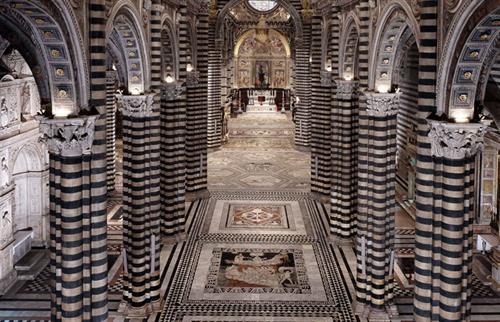
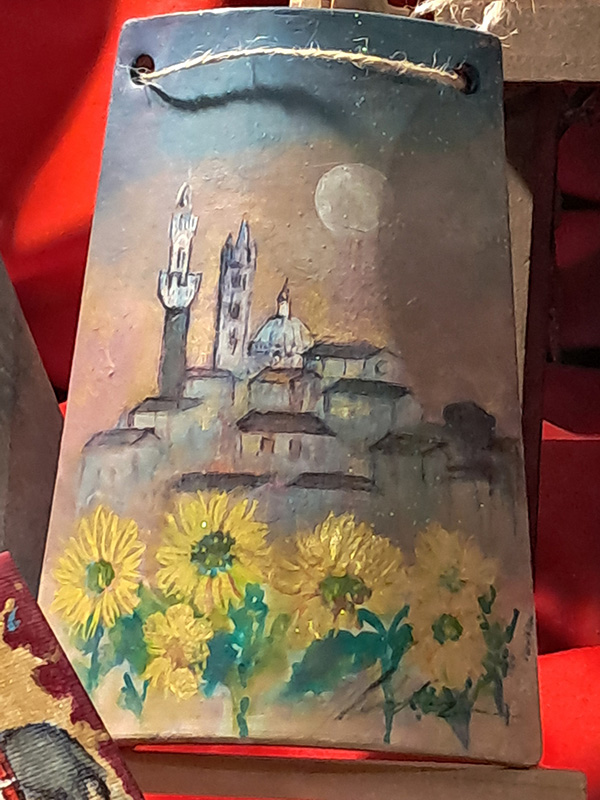
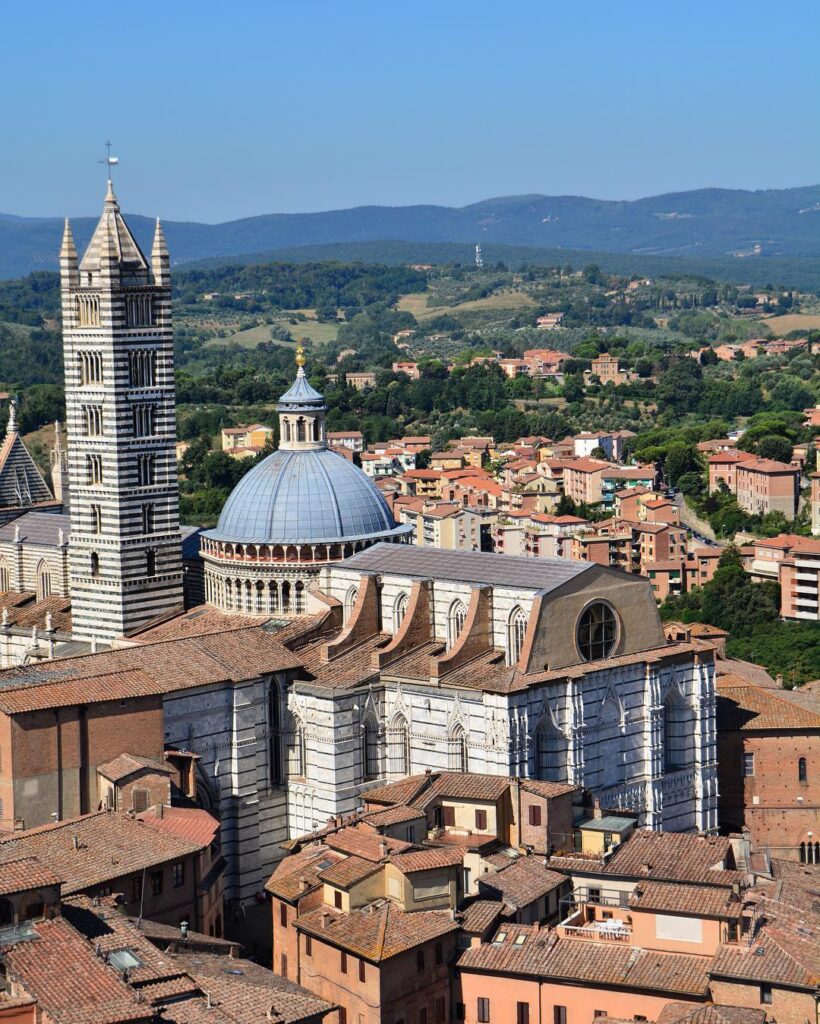
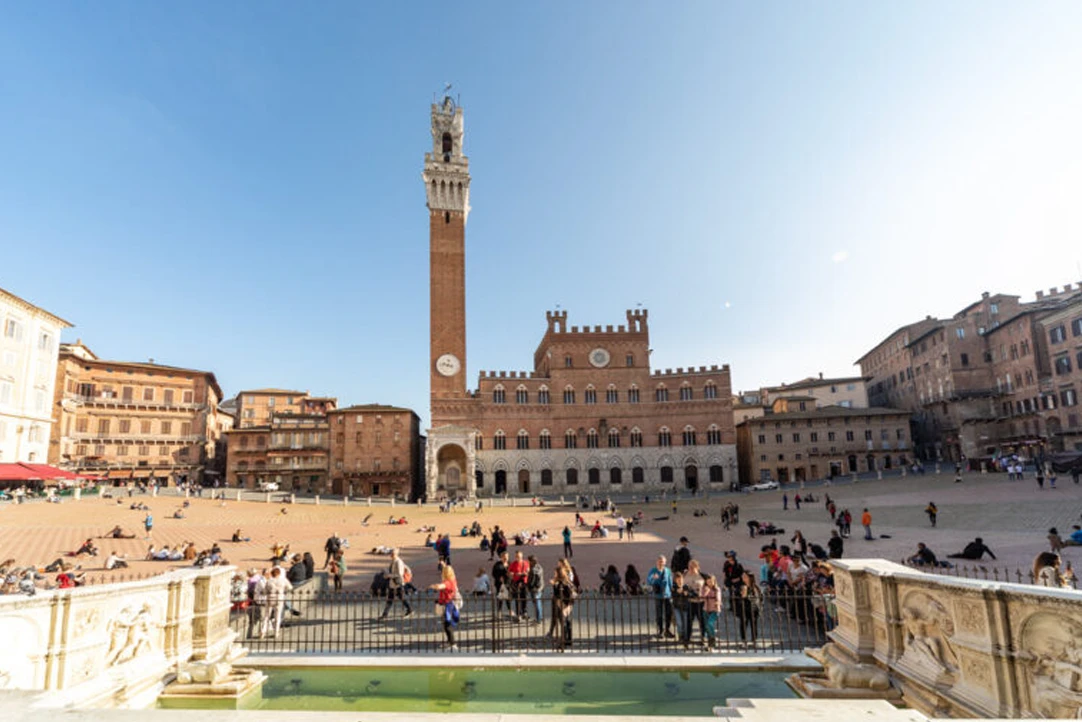
- Siena (~80 km): The provincial capital, famous for Piazza del Campo and the Gothic cathedral. The historic centre is a UNESCO site rich in art and medieval charm .
- Other suggestions include San Quirico d’Orcia, Monteriggioni, San Gimignano, Cortona and Orvieto, as well as other spa towns like Bagni San Filippo with its Balena Bianca limestone formation and Rapolano Terme in the Crete Senesi .
To get the most from your trip, plan extra half‑days or full days to explore these areas: each has its own unique character and postcard‑perfect scenery .
When is the best time to visit?
Chianciano can be visited year‑round, but some seasons are more appealing depending on your interests and climate preferences :
- Spring (April–May): Perhaps the ideal season. Pleasant temperatures (18–26 °C), lush green hills and blooming flowers make it perfect for walking in the parks and visiting villages without summer crowds . Days are longer, and the spas are quieter .
- Summer (June–August): Hot and sunny, with temperatures reaching 30–32 °C in July–August . The town is lively with holidaymakers, hotels are busy and there is a rich calendar of events, including concerts and festivals . Evenings are cooler due to the hilltop altitude . Book spa treatments in advance on summer weekends .
- Autumn (September–October): Magical. September offers warm days (25–28 °C) and cooler evenings, making it an excellent alternative to the summer heat . It’s also harvest season, with wine and food festivals . October brings cooler temperatures (18–20 °C) and colourful foliage on the surrounding hills . After day trips, the warm thermal waters are especially pleasant .
- Winter (November–March): Low season. Cold and wetter, with January temperatures around 5–9 °C and occasional frost . Some attractions operate reduced hours or close . But hotel prices drop and the spas are semi‑empty, offering an intimate experience of soaking in hot pools under crisp air . There may be festive events such as Christmas markets and candlelit processions .
In summary, choose spring or autumn for pleasant weather, tranquillity and natural colours, summer for lively atmosphere and events, or winter for intimate relaxation and savings .
Why use Hotel Minerva in Siena as a base?
Located at Via Garibaldi 72 inside Siena’s medieval walls, the Hotel Minerva is a three‑star hotel full of charm and history . It is in the historic centre yet just outside the restricted traffic zone , so all of Siena’s sights are within walking distance while guests arriving by car can easily access the hotel and park . The hotel has a private covered and video‑monitored car park .
From the hotel it takes only 10–15 minutes on foot to reach Siena’s highlights: Piazza del Campo is about a 10‑minute stroll away and the cathedral about 15–17 minutes, passing through beautiful medieval streets . While central, the hotel is situated in a quiet area, offering peace at night . Its convenient location is praised by Tuscany’s official tourism site, which notes that it is “in the historic centre of Siena, commanding the city… Ten minutes’ walk from Piazza del Campo. Six hundred metres from the railway station. A three‑star hotel we recommend” .
Proximity to Siena’s train station (about 600 m) makes it easy to travel by public transport: regional trains and buses depart for Florence, Pisa, Arezzo and – importantly – the Val d’Orcia/Valdichiana area . Buses and shuttles to Chianciano Terme and other destinations leave nearby . Thus the Minerva is an excellent base for exploring southern Tuscany: you can tour the countryside during the day and return to Siena for dinner and a restful night .
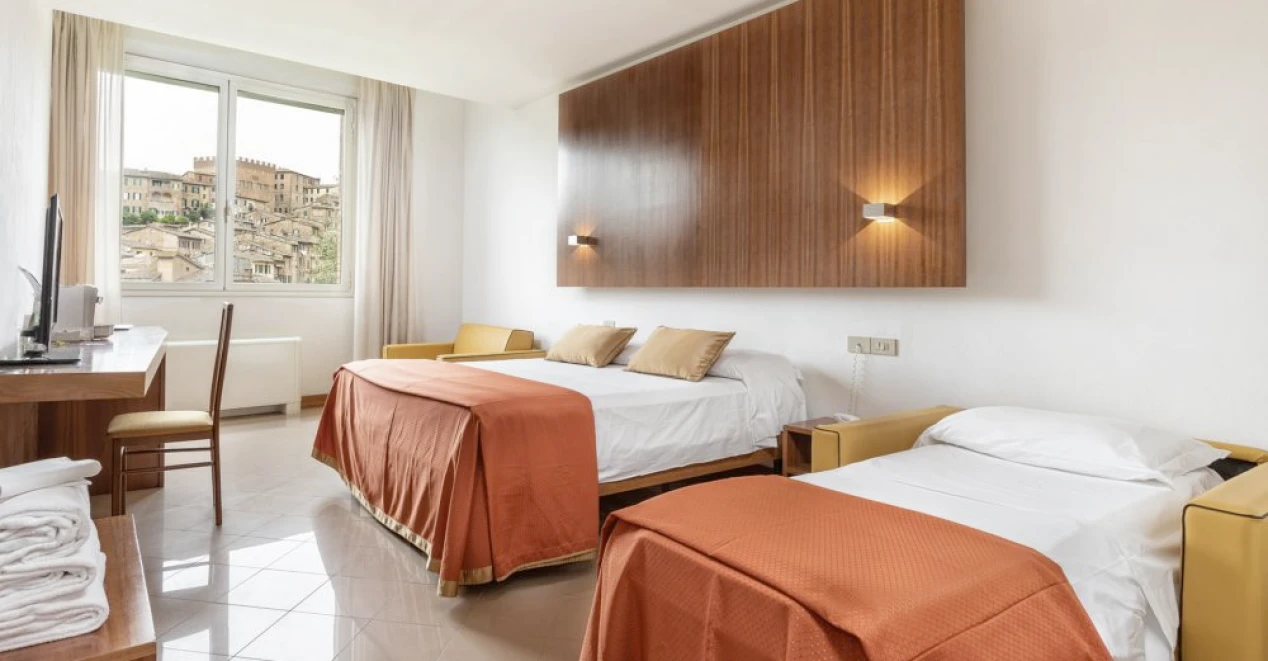
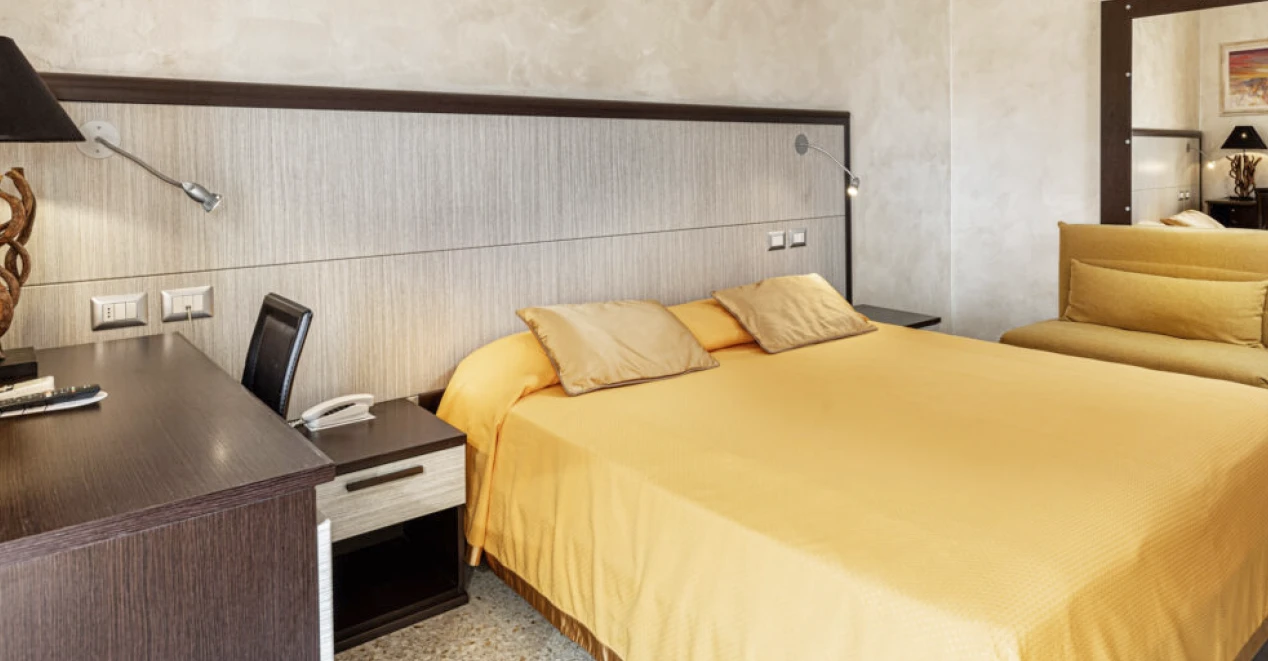
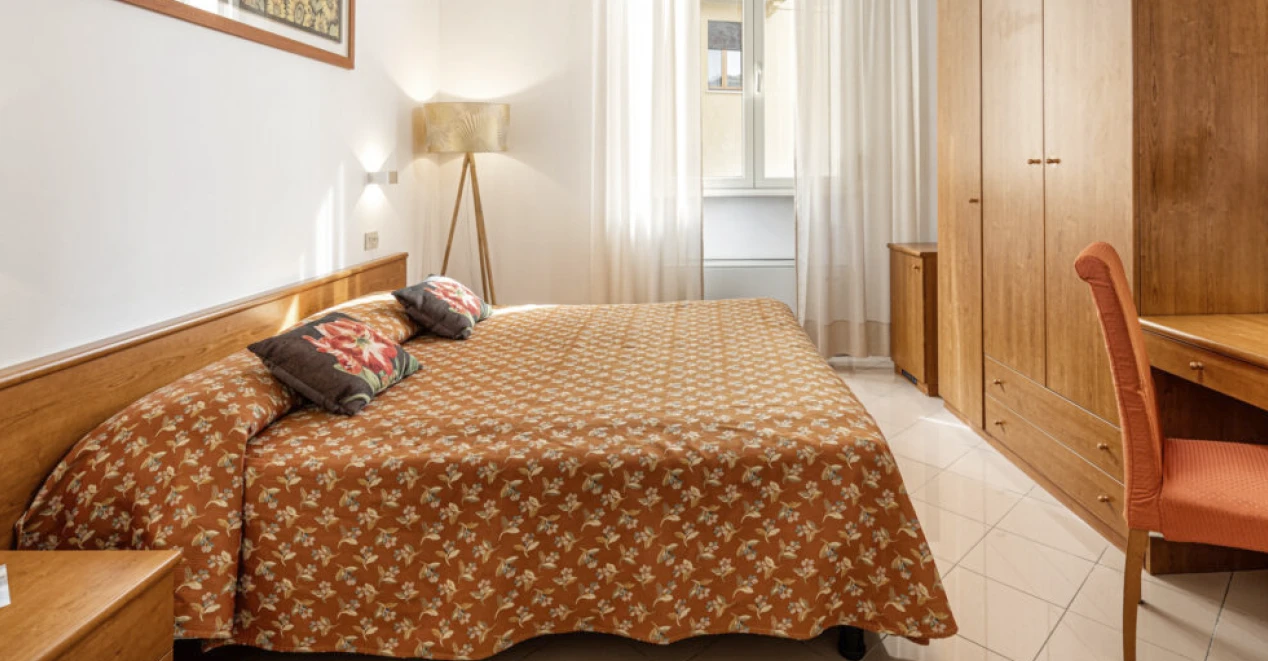
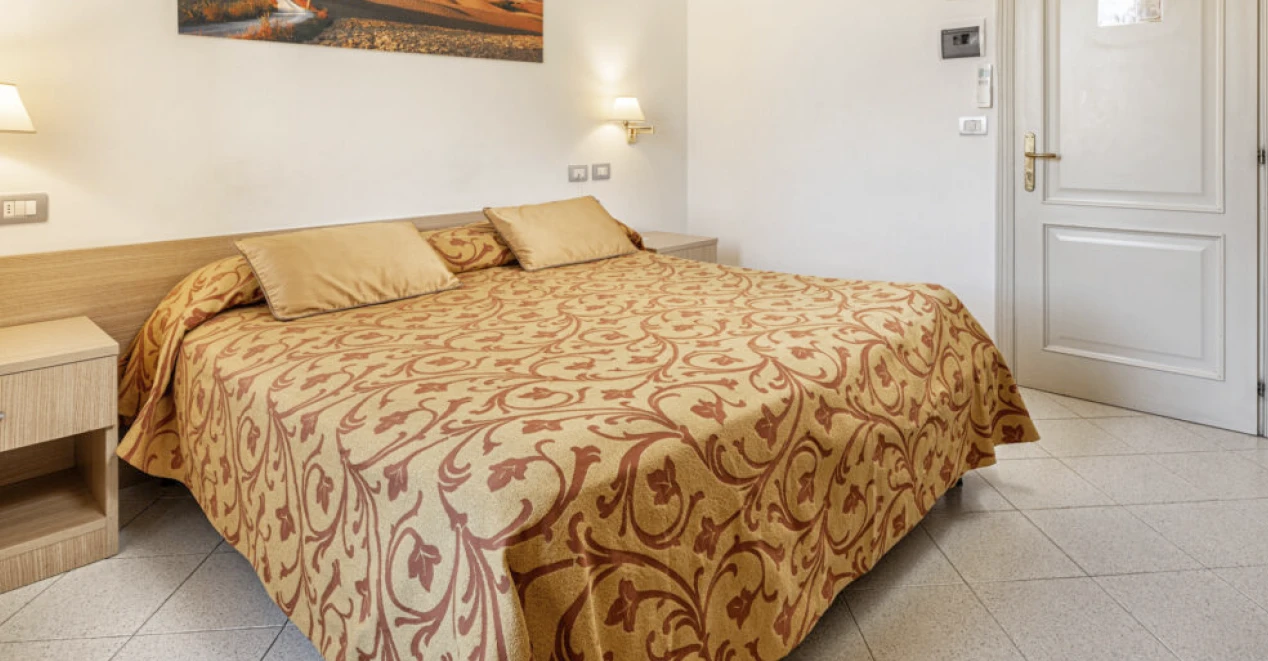
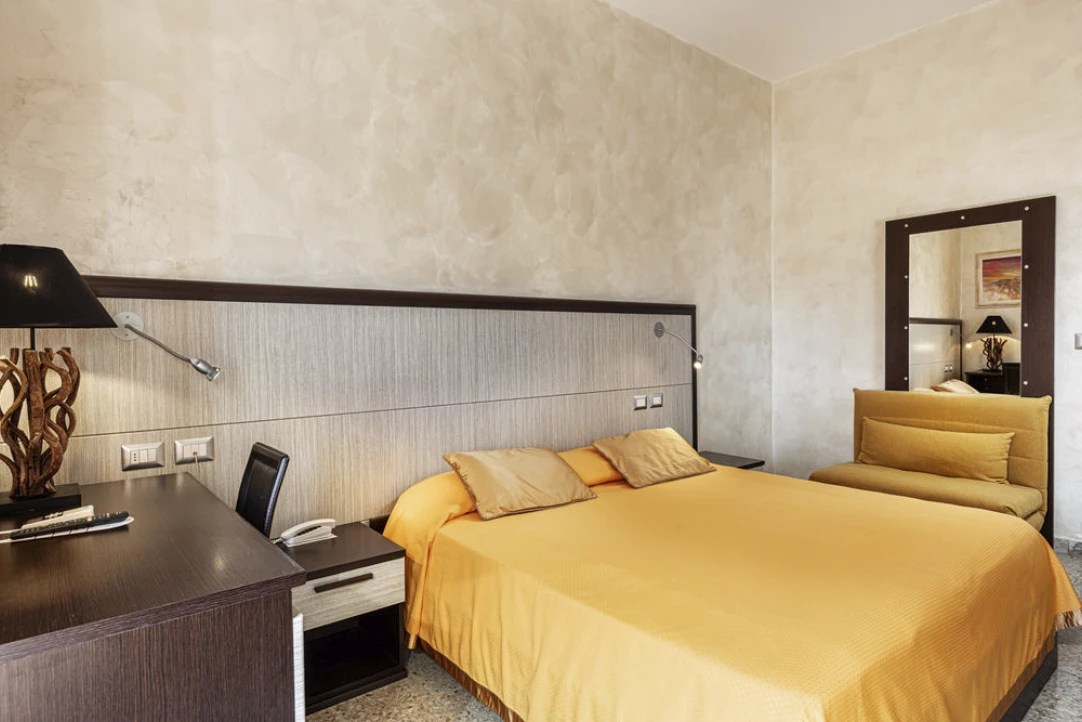
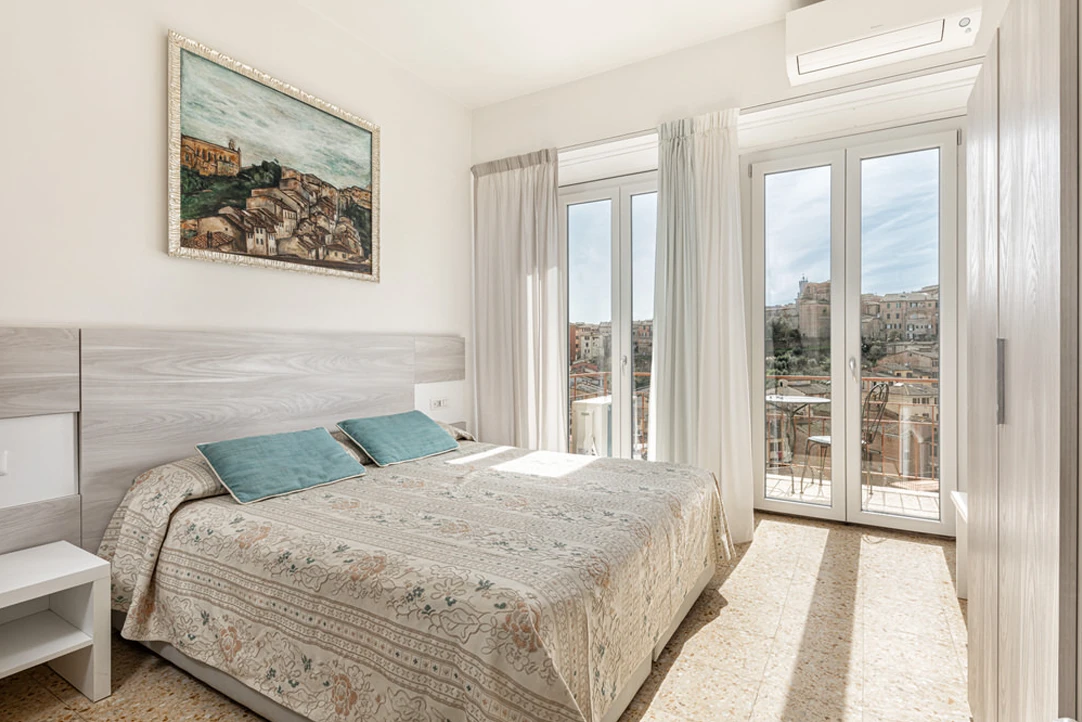
Many rooms have balconies or terraces with views of Siena’s skyline – imagine waking to the Basilica of San Francesco or the Palazzo Pubblico outside your window . Despite the postcard‑worthy views, the hotel offers accessible rates (about €60–€150 per night), and different room categories accommodate couples, families and business travellers . All rooms have air conditioning, free Wi‑Fi, flat‑screen TVs, minibars, safes, kettles and modern bathrooms . The hotel provides connecting rooms and cots for families, meeting rooms for business travellers and a lounge area .
Services include:
- Rich breakfast: a continental buffet with homemade pastries, croissants, Tuscan bread, jams and local cold cuts . In fine weather breakfast is served in the panoramic garden . For a supplement, breakfast can be delivered to your room for private enjoyment .
- Bar: open all day for espresso or a glass of Vernaccia di San Gimignano .
- 24‑hour reception: multilingual staff always ready with itineraries, restaurant suggestions and insider tips about Siena . Guests often feel like friends rather than clients .
Staying at Hotel Minerva means comfort and a warm welcome while exploring Siena and the surrounding countryside . Many travellers choose Siena as a base for southern Tuscany, and the Minerva’s combination of central location, car access and services makes it ideal .
Conclusion
Chianciano Terme and its surroundings offer a journey rich in contrasts: healing waters, medieval villages, endless hills and artistic cities form a mosaic of experiences . By following the advice in this guide, you can make the most of your time – from practical questions about how to get there and when to visit to suggestions on what to see and where to stay . Whether you seek thermal wellness, art, nature or gastronomic delights, Chianciano and the Tuscan countryside will welcome you with genuine hospitality and beauty.