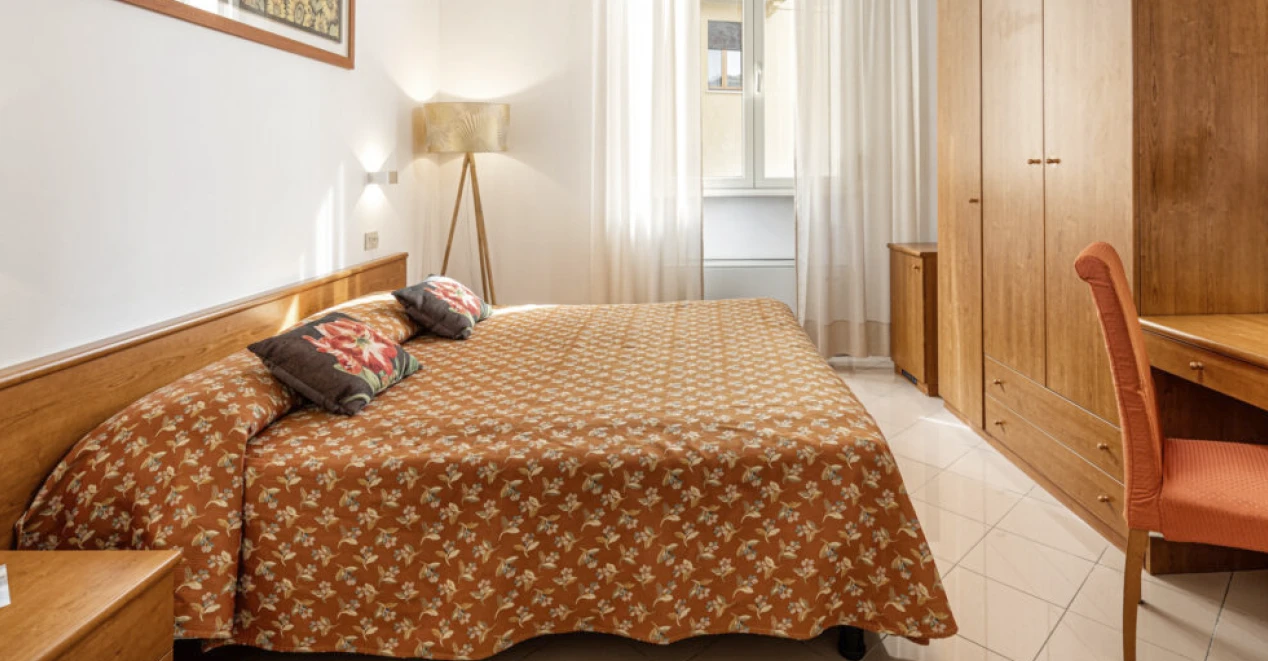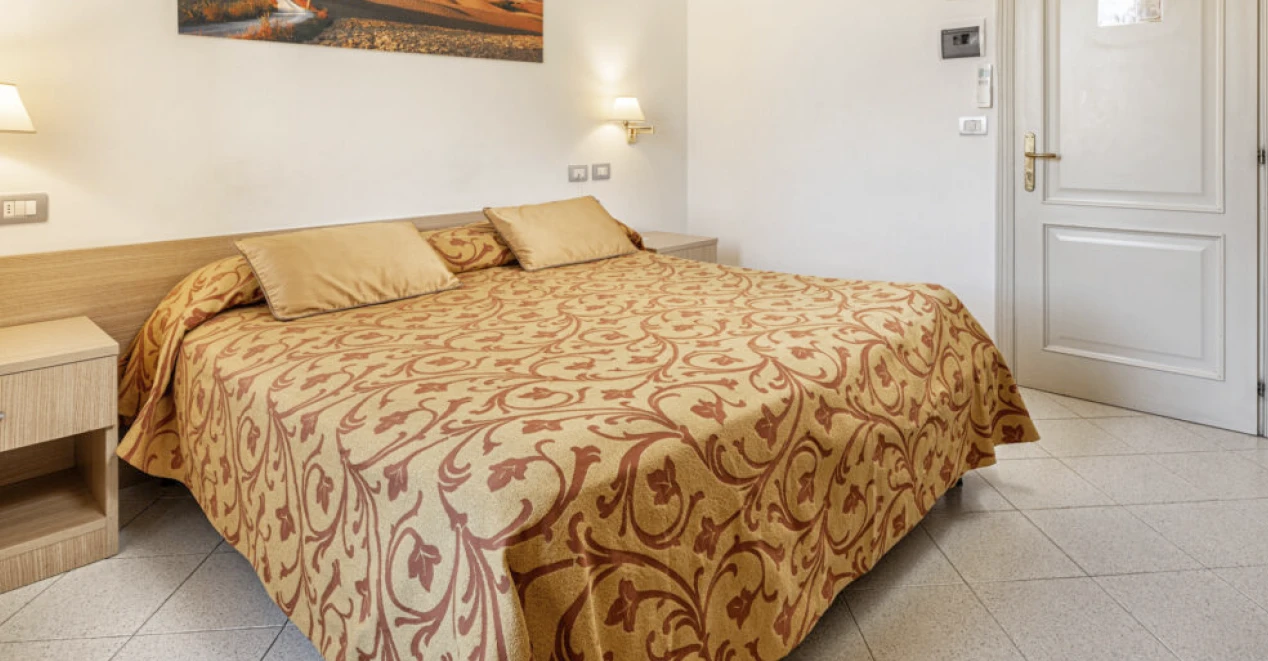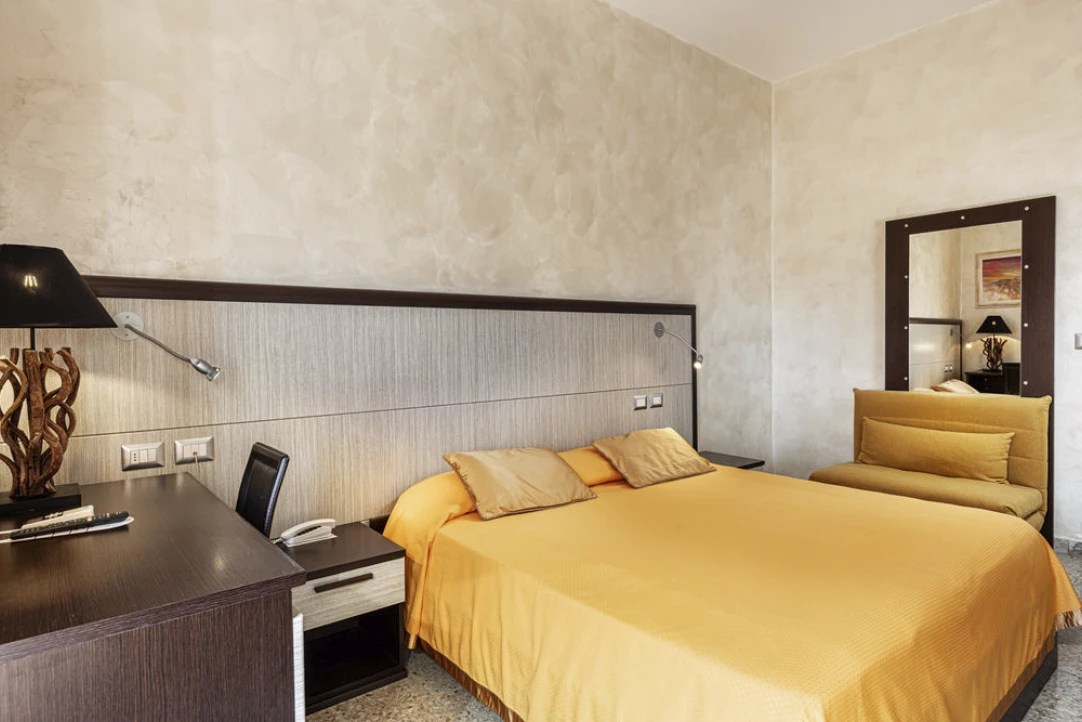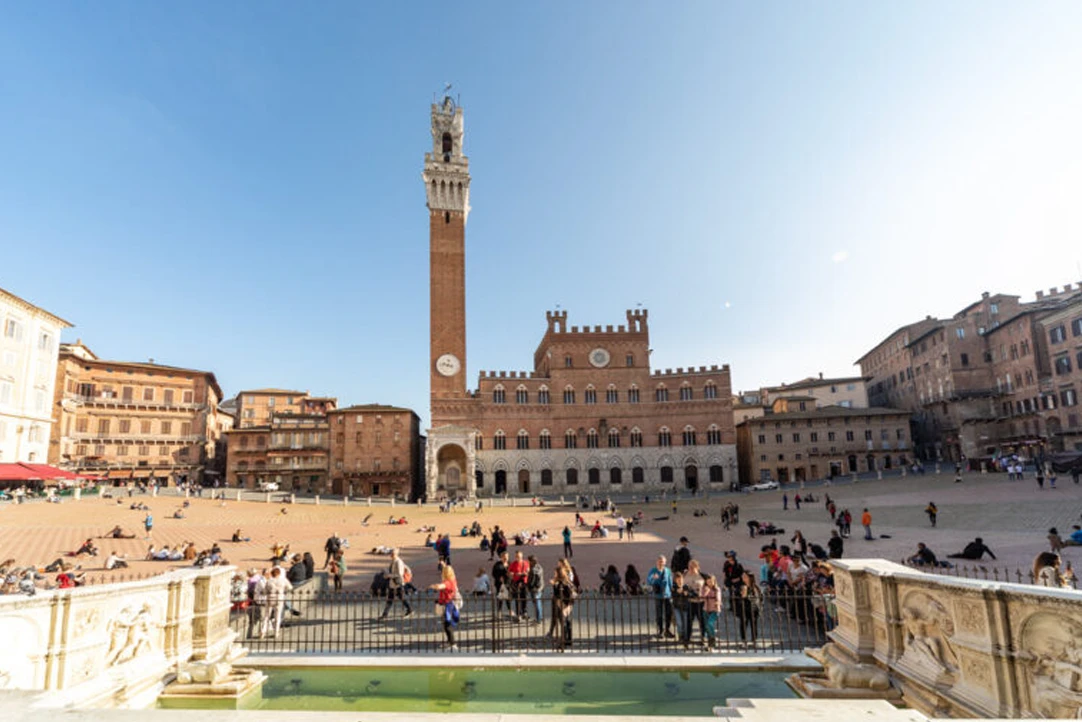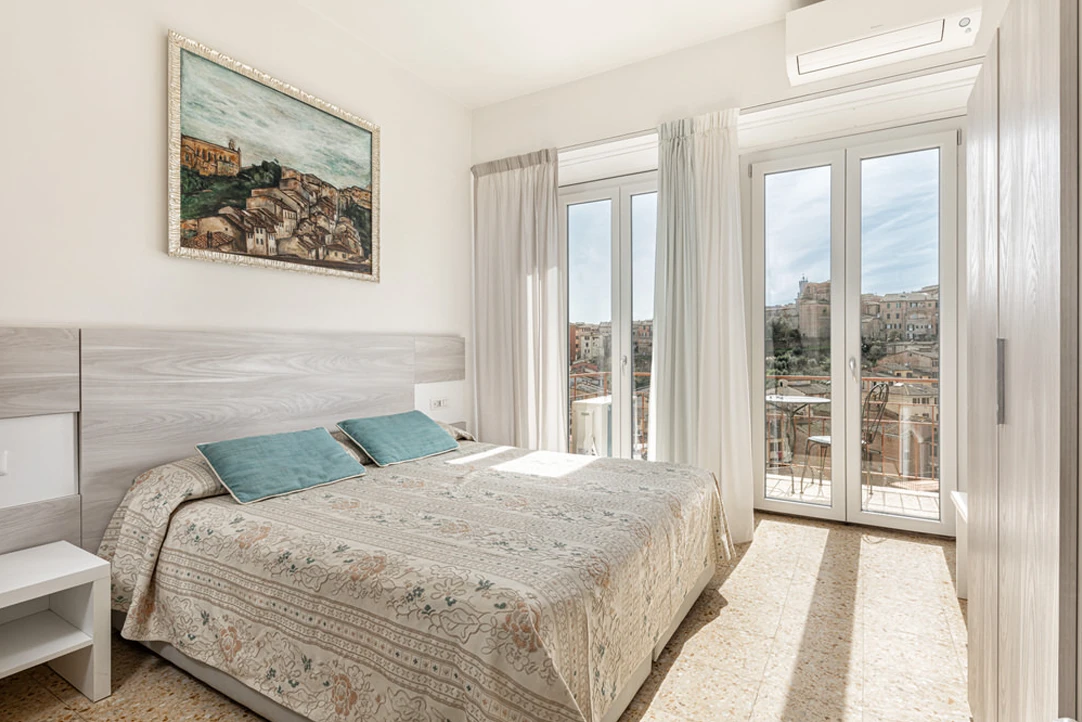

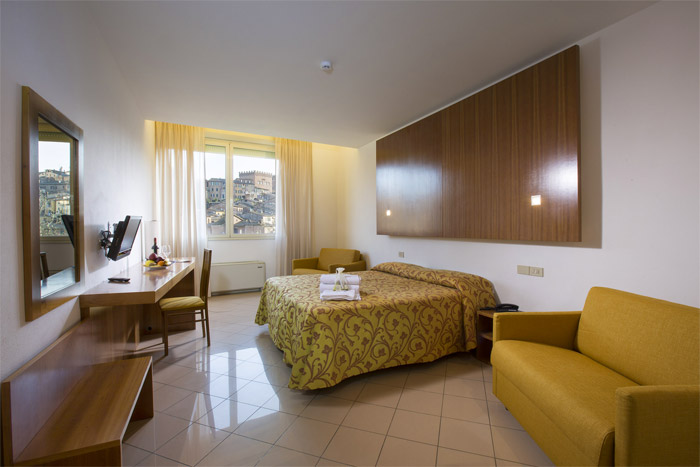
Visiting Siena also means having some of the most fascinating medieval villages in Italy within easy reach, perfect to discover over the course of several days. Starting from Hotel Minerva – a three-star hotel in a central location in Siena with a convenient covered garage – it’s easy to reach these small historic centres nestled in the Tuscan hills. In this guide you’ll find a selection of ancient villages around Siena (Monteriggioni, San Gimignano, Pienza, Bagno Vignoni, Montalcino, Radicofani, Buonconvento, Castiglione d’Orcia, etc.), with advice on what to see, what to do, traditional events and culinary specialities for each. The itinerary is designed for multiple days of travel, suitable for families, couples, singles, students or groups of friends, with practical suggestions for every need. You’ll also find summary tables of distances and travel times from Siena, and a FAQ section (Frequently Asked Questions) that answers the most common questions (such as “Do I need a car?”, “What to see in a few hours?”, “Where to eat with children?”, “Are dogs allowed?” etc.). All in an informal, welcoming and practical tone, to help you organise your exploration of the ancient villages near Siena!
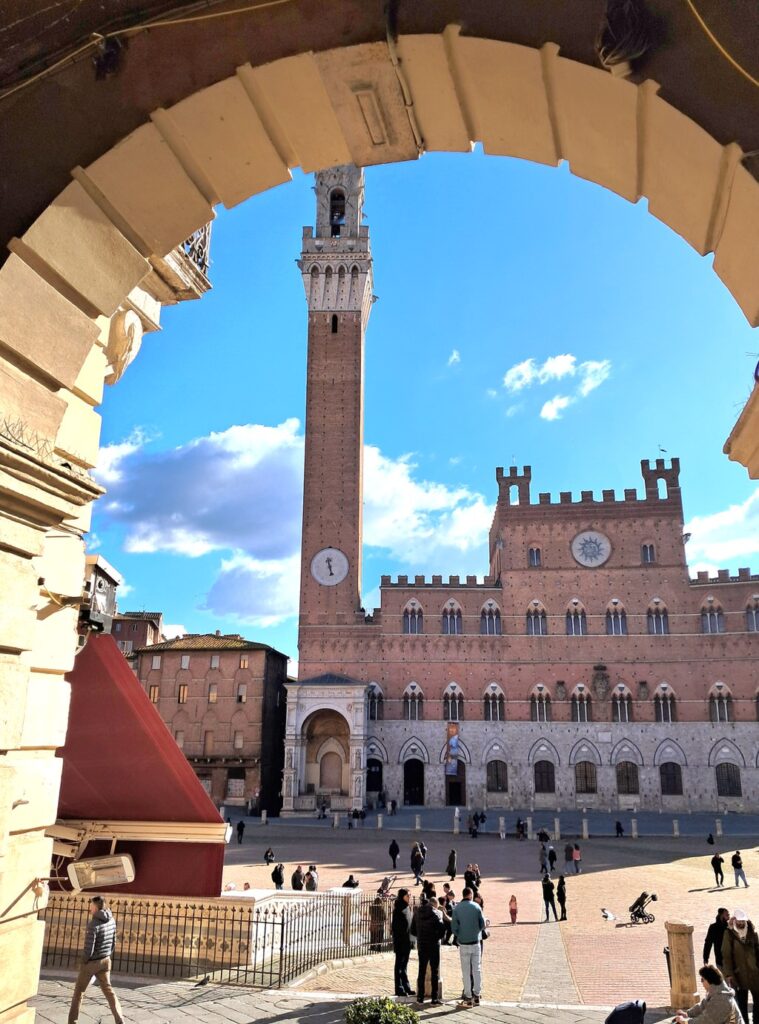
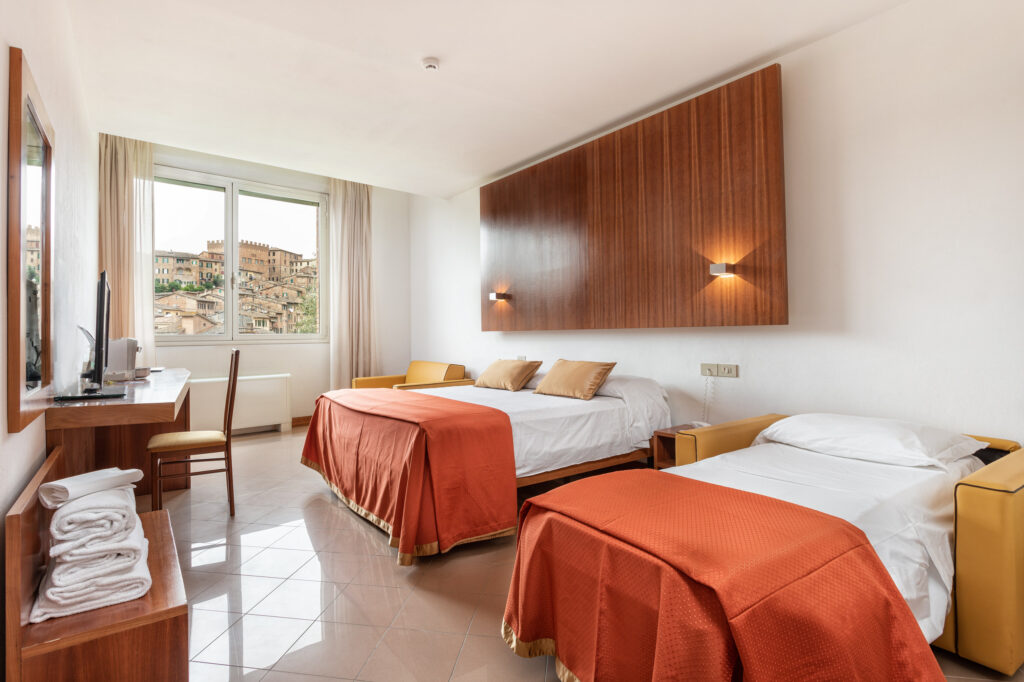
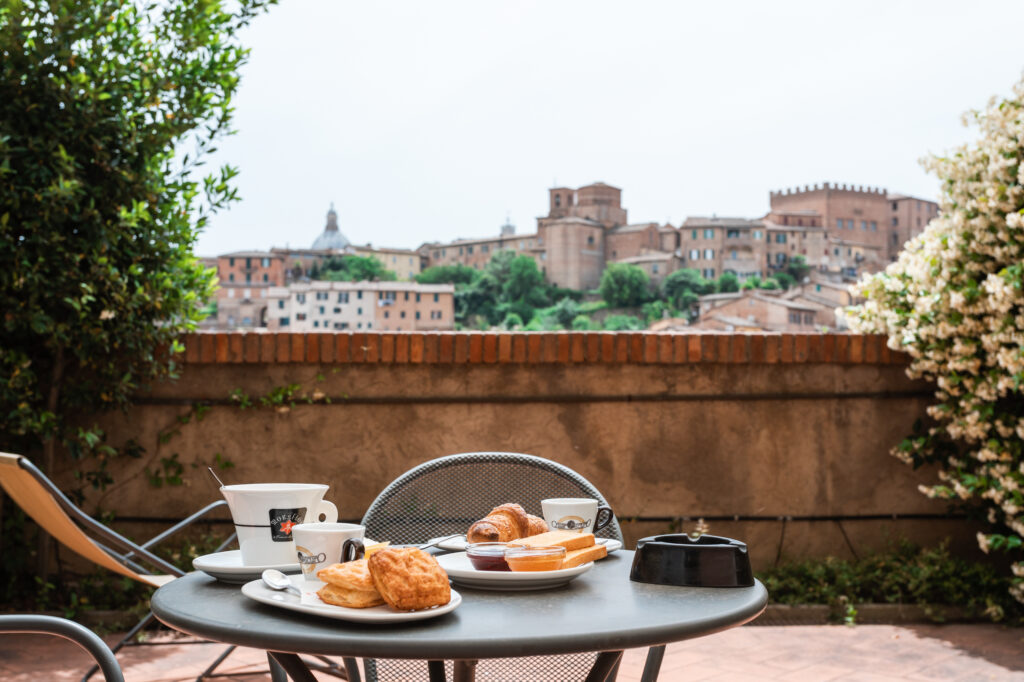
Planning the villages tour
To visit all these villages we suggest you set aside at least 3-4 days, dividing the stops by geographic area. For example, you could spend one day north of Siena visiting Monteriggioni and San Gimignano (which lie along the route to Florence), another day south-east among the landscapes of the Val d’Orcia (exploring Pienza, Bagno Vignoni, Castiglione d’Orcia and maybe Montalcino), and yet another south towards the hills of the Val d’Arbia and Mount Amiata (Buonconvento and Radicofani). Of course, the itineraries can vary based on your interests and available time, but generally avoid cramming too many villages into one day: it’s better to enjoy each place’s atmosphere at leisure.
Departure from Siena: Hotel Minerva will be your convenient logistical base. Located inside the city’s ancient walls, in a central area, it allows you to easily access both Siena’s historic centre and the roads to leave the city. If travelling by car, you’ll appreciate that the hotel has a covered, guarded garage: from there you can quickly take the roads that lead to the various villages. Alternatively, many villages are connected by buses or regional trains (for example Buonconvento can be reached by train in about 25 minutes, since it’s on the Siena-Grosseto line). However, having a car at your disposal will give you maximum flexibility to explore even the more remote locations (like Radicofani or small villages without a station). In the descriptions below we’ll nonetheless indicate travel times both by car and by public transport, where possible.
Remember that Tuscany’s medieval villages have limited traffic zones or pedestrian areas in their historic centres: you’ll need to leave your car in external car parks or just outside the walls and continue on foot. Nearly all the towns listed are of small size, so walking through them is enjoyable (though it sometimes means uphill and downhill, given the hilly nature of the region). We’ve included notes on accessibility for families with strollers or elderly people, so you can gauge in advance the level of effort required in each village.
Below, you’ll find detailed fact sheets for each village with information on what to see, recommended activities, local events, typical dishes and the vibe you’ll find there. Happy travelling back in time among the towers, walls and traditions of the ancient villages near Siena!
Monteriggioni – The Fortified Village
Atmosphere and views: just 20 minutes by car from Siena, Monteriggioni greets you with its unmistakable intact 14th-century ring of walls, crowned by fourteen towers that dominate the surrounding hills. The poet Dante Alighieri mentioned it in the Divine Comedy, comparing the towers to giants; today walking on Monteriggioni’s walls really means stepping back into the Middle Ages, enjoying an extraordinary panoramic view of the Sienese countryside. The atmosphere is peaceful and timeless: in the evening the village empties out and the lights on the walls create a suggestive effect, while by day it becomes lively with visitors yet never loses its intimate charm.
What to see: the walled perimeter of Monteriggioni is the main attraction – you can climb some sections of the walls (for a fee) to admire the view and take a close look at the crenellated towers. Inside, the village is tiny: a short walk takes you to the central square, overlooked by the Church of Santa Maria Assunta, a simple 13th-century parish that’s worth a visit. In the square and nearby alleys you’ll also find craft workshops and small shops: the village, although touristy, retains an authentic feel, with stone buildings and paved streets.
What to do: besides visiting the little church and walking on the walls, take time to sip a coffee or a glass of wine in the square, perhaps at one of the outdoor tables, to savour the peace of the place. History enthusiasts can visit the small Monteriggioni in Arme Museum, with reproductions of medieval armour and weapons. If you like walking, a section of the ancient Via Francigena starts from the car parks: a path leads out of the village into the countryside, interesting to follow for a few kilometres, tracing the footsteps of pilgrims.
Traditional events: Monteriggioni is famous for its Medieval Festival “Monteriggioni di torri si corona”, held every year at the beginning of July. During those days the village returns to the 13th century: costumed figures enliven the streets, there are performances by musicians and jesters, artisans at work and taverns serving ancient recipes. The festival usually begins with a grand medieval banquet in the castle and continues throughout the weekend with dances, music and historical re-enactments. It’s a must-see event if you visit the area at that time – entrance is paid and draws many visitors, so it’s best to plan ahead.
Gastronomic specialities: in Monteriggioni you can taste the classic dishes of the Sienese and Chianti tradition. The village trattorias serve pici with wild boar ragù, ribollita (bread and vegetable soup) and game dishes. During the Medieval Festival, the outdoor taverns offer menus inspired by the Middle Ages, with historic recipes to try in a unique atmosphere. There’s no shortage of typical products: in the shops you’ll find local Chianti wine from the Sienese hills, extra virgin olive oil, honey and Sienese sweets (panforte, ricciarelli) to buy.
San Gimignano – The City of Towers
Atmosphere and views: famous worldwide for its medieval towers rising above the hill profile, San Gimignano is about a 40-minute drive from Siena and is known as the “Manhattan of the Middle Ages”. Entering through the town’s ancient gates, you’ll find yourself in an animated and lively village, especially in high season, yet one that has managed to retain an authentic atmosphere. The cobbled streets and stone houses make you feel part of a 14th-century fresco. Despite its popularity among tourists, in the evening San Gimignano becomes more tranquil and you can enjoy enchanting views of the illuminated towers. The best panorama? Climb one of the towers or the ramparts of the Rocca di Montestaffoli and you’ll see a mosaic of red rooftops, towers and hills dotted with vineyards.
What to see: San Gimignano still has 14 medieval towers (once there were more than 70!) soaring above the historic centre. Start your visit at Piazza della Cisterna, the picturesque triangular square with a well at its centre: flanked by important palaces and towers, it’s a great spot for photos. A few steps away is Piazza del Duomo, with the Collegiate Church of Santa Maria Assunta (the Duomo) famous for its splendid cycles of 14th-century frescoes adorning the naves – you absolutely must go inside. Overlooking the square are also the Town Hall and the Torre Grossa, the city’s tallest tower (54 m): if you have strong legs, climb to the top for a spectacular panorama of the city and the Val d’Elsa. Other places not to miss: the Church of Sant’Agostino (with frescoes by Benozzo Gozzoli), and if you have extra time and curiosity, the curious Torture Museum or the Museum San Gimignano 1300 (a model reconstructing the city as it was in the Middle Ages).
What to do: apart from cultural visits, San Gimignano offers pleasant experiences. Taste Vernaccia, the famous local white wine, perhaps in one of the town’s wine bars or directly at a nearby winery. Stop at Gelateria Dondoli in Piazza della Cisterna, known for its world titles: a gelato with saffron and pine nuts (typical local ingredients) is almost a must here. Stroll leisurely along Via San Matteo and Via San Giovanni, browsing through shops selling ceramics, alabaster crafts and gourmet products (San Gimignano saffron, Cinta Senese salami, etc.). If you want a free view, climb up to the Rocca di Montestaffoli: it’s a public park with the remains of a fortress, offering a magnificent view of the towers and surrounding hills, especially at sunset.
Traditional events: in mid-June San Gimignano hosts a spectacular medieval re-enactment called “Ferie delle Messi”, originating from ancient 14th-century traditions. For a weekend the village comes alive with historic parades, medieval markets, musicians, jesters and knightly tournaments. The highlight is the “Giostra dei Bastioni”, a horseback contest between the town’s four contrade, accompanied by the grand “Corteo delle Messi” with over 500 figures in costume. During the event you’ll also find stalls with medieval-inspired foods, falconry shows and popular games – a real journey back in time. Another summer appointment is the “Craft Markets” and white nights with music and tastings often organised by the municipality between July and August (check the “Accade d’Estate” events calendar of San Gimignano).
Gastronomic specialities: the crown jewel is Vernaccia di San Gimignano DOCG, a dry and fragrant white wine, best sipped perhaps with cantucci for dessert (an unusual pairing but try it!) or with fish dishes. San Gimignano is also the land of pure saffron (Zafferano delle Colline Fiorentine DOP) – you’ll find it in pistils in the shops and it’s used in typical recipes like vegetable soup with saffron. Restaurants serve all the Tuscan classics: ribollita, pici al cinghiale, Florentine steak. For families: many trattorias offer children’s menus or smaller portions; generally the environment is informal and welcoming. And for dessert, an artisan gelato from Dondoli or the other excellent local gelaterias is the fitting conclusion to the visit!
Pienza – The Pearl of the Renaissance
Atmosphere and views: nestled among the gentle hills of the Val d’Orcia, Pienza is about 50 minutes by car from Siena. This small town is famous because it was redesigned in the Renaissance by Pope Pius II, who was born here, with the idea of creating the “ideal city”. Indeed, the atmosphere is different from other medieval villages: in Pienza you breathe Renaissance elegance, with harmonious streets, classically lined palaces and a rational urban layout that dialogues with the landscape. The centre is clean, tidy, almost theatrical, and offers hugely romantic views over the Val d’Orcia – the belvedere at the end of Via dell’Amore is famous, from where you can embrace with your gaze the hills and the cypress trees. Pienza is calm and intimate, especially at sunset when the tour groups leave and only the smell of pecorino and the golden light on the travertine palaces remain.
What to see: the heart of Pienza is Piazza Pio II, a Renaissance square overlooked by the main monuments: the Cathedral of the Assumption (Duomo) with its bright façade and luminous interior, the Palazzo Piccolomini (papal residence of Pius II, visitable with beautiful hanging gardens overlooking the valley), and the Town Hall with its loggia. The square, with its travertine well and symmetrical buildings, is a perfect example of Renaissance town planning – no wonder Pienza is a UNESCO Heritage site as part of the Val d’Orcia. Also worth seeing are the Church of Corsignano (outside the walls, a Romanesque church where Pius II was baptised) and, for enthusiasts, the small Museum of Sacred Art with works from Pienza’s churches. But much of Pienza’s charm lies in strolling its streets with poetic names (Via dell’Amore, Via del Bacio, Via della Fortuna) and letting yourself be enchanted by each view.
What to do: first of all, taste Pienza’s pecorino cheese! This town is famous for its pecorino, one of Italy’s best-known cheeses. Enter any deli or cheese shop and you’ll be engulfed by the intense scent of wheels being aged. You can taste pecorino at various stages of ageing – from fresh to barrel-aged or leaf-wrapped – perhaps accompanied by a glass of Orcia Rosso DOC wine. Many shops offer free tastings. Aside from the gastronomic tour, in Pienza photograph the panorama: look out from the belvedere behind the Duomo (called the Palazzo Piccolomini Terrace) or follow the panoramic walkway along the walls, from Porta al Ciglio to Porta al Prato, for breathtaking views of the valley. If you’re looking for special experiences, know that Pienza has been the set for famous films (e.g. Gladiator): you might recognise the opening landscape of the film nearby. Lastly, wander around the craft shops: Pienza offers hand-painted ceramics, leather goods and products made from sheep’s wool.
Traditional events: the main event is undoubtedly the “Fiera del Cacio” which takes place every year usually on the first Sunday in September. During this village fair the fun “Gioco del Cacio al Fuso” is played: in Piazza Pio II, a target is drawn on the ground and the town’s contrade compete by rolling cheese rounds (wheels of pecorino) trying to get as close as possible to the spindle in the centre. It’s a kind of cheese palio, complete with costumed figures, a band and food stalls – a genuine and characteristic event where you can experience Pienza’s community spirit. In summer, musical events such as the “Pienza International Music Festival” (classical music concerts at the end of August) and events linked to agriculture and food, such as “I Sapori del Borgo” (local food markets), take place. During the Christmas period, Pienza lights up with decorations and organises living nativity scenes in the hamlets, creating an enchanting atmosphere.
Gastronomic specialities: we’ve already mentioned Pienza’s king, Pecorino – try it in all forms: alone, with honey, in local recipes like pici cacio e pepe (the local version of pasta with pecorino and pepper). But Pienza also offers other flavours: excellent Chianina beef (you’re in the Val di Chiana area, renowned for raising this prized cattle breed) which you can enjoy as tagliata or Fiorentina steak. Menus feature pici all’aglione (handmade pasta with tomato and garlic sauce), bruschette with new olive oil (in autumn) and Tuscan cold cuts. To drink, besides local Orcia DOC wines, try a glass of Vin Santo for dessert, dipping cantucci in it. Many restaurants have rustic indoor rooms and small outdoor courtyards – ideal settings for both romantic dinners and informal family lunches (often with high chairs and child-friendly dishes).
Montalcino – The Kingdom of Brunello
Atmosphere and views: perched on a vine-clad hill, Montalcino is about 45 minutes by car from Siena, towering over the north-western Val d’Orcia. This village has a medieval soul but is known above all for being the homeland of one of the world’s most prestigious wines, Brunello di Montalcino. The atmosphere here is elegant and relaxed: in the streets you hear wine lovers from every nationality, the wine shops display hundreds of bottles, but just a few steps away from the main artery and you’ll find yourself in quiet lanes with breathtaking views over vineyards and woods. The 14th-century fortress soaring at Montalcino’s highest point reminds you that you’re in an old Sienese outpost, and from its walls you enjoy one of the most beautiful panoramas in all of Tuscany, especially at sunset when the golden light lights up the rows of Sangiovese.
What to see: begin your visit at the imposing Fortress of Montalcino (1361), dominating the town. You can enter the courtyard freely (there’s also a wine shop there) and, for a small fee, climb the merloned walls for a full circuit: from up there, the view stretches from Mount Amiata to the Crete Senesi, and even to the Chianti hills. Walking down, take a walk through Piazza del Popolo, the town’s living room with the 14th-century Palazzo dei Priori and its tower. The square has arcades and cafés where you can stop. Then visit the Cathedral of the Most Holy Saviour, rebuilt in a neoclassical style, and the evocative Church of Sant’Agostino made of brick. If you’re interested in sacred art, Montalcino has an excellent Civic and Diocesan Museum, with works from the Sienese school (including paintings by Simone Martini and Lorenzetti). But the truth? The greatest pleasure is getting lost in the stone alleys, discovering the views over the valleys and smelling the scent of must wafting from the cellars…
What to do: tasting, tasting, tasting! 😄 Montalcino is a must for wine lovers. There’s an abundance of wine bars and wine bars: enter one and treat yourself to a Brunello tasting of different vintages, perhaps accompanied by some crostini or local cheese. Many wine shops also offer home shipping of your purchases, handy if you want to stock up. If you have more time, consider visiting a wine cellar in the surroundings (some are very famous: Biondi-Santi, Banfi, etc.) for a guided tour among vineyards and barrel rooms with a final tasting. Besides wine, explore the surrounding nature: Montalcino is surrounded by trails, such as those in the Poggio all’Olmo Nature Reserve, ideal for walks among woods and vineyards. In town, make a sweet stop in a pasticceria to taste “ossi di morto” (almond biscuits) or a ricciarello. Photography enthusiasts will love the views opening suddenly between the alleys, with Mount Amiata in the background.
Traditional events: on the last weekend of October Montalcino celebrates the famous Sagra del Tordo, a folkloristic festival that began in 1958 that re-enacts ancient hunting and medieval traditions. The town is filled with flags from the four quarters, ladies and knights in costume parade through the streets and especially there is an archery competition among the best archers from the quarters, preceded by a large historical procession. In the taverns set up under the walls you can taste for the occasion typical Montalcino dishes – pappardelle with wild boar, pinci with sauce, bean soup, roast quails, grilled meat – all accompanied by local wines. The atmosphere is festive and engaging, with the whole town mobilised. Another wine-related event is Benvenuto Brunello (in February), an unveiling of the new vintages of Brunello reserved for the press and enthusiasts, but which creates excitement in the town. In summer there are often jazz and classical music concerts in the squares (e.g. Montalcino Jazz & Wine in July, combining music and tastings).
Gastronomic specialities: besides the famous Brunello di Montalcino DOCG, it’s worth tasting the younger Rosso di Montalcino DOC and, for dessert, the Moscadello di Montalcino DOC (a sweet white wine produced here since the 16th century). The local cuisine is robust and flavourful: wild boar in stew or salmì, pappardelle with hare sauce, peasant soups like acquacotta (with vegetables, bread and egg). Among the sweets, ossi di santo (similar to “ossi di morto”) and biscuits with saffron. As this is a hunting area, you’ll also find wild boar salami, and given its proximity to Amiata, fresh porcini mushrooms in season. Montalcino is great for an outdoor lunch: some places have panoramic terraces overlooking the vineyards – unforgettable to drink a glass of Brunello watching the sunset over the Val d’Orcia. Restaurants range from rustic osterias (perfect for families, with simple and abundant dishes) to gourmet restaurants for wine connoisseurs (ideal for couples of wine tourists).
Bagno Vignoni – The Thermal Water Village
Atmosphere and views: Bagno Vignoni is a unique spa village, as small as a postcard, nestled in the heart of the Val d’Orcia about 50 minutes from Siena. Its most famous feature is its water square: in the centre of town, in Piazza delle Sorgenti, stands a large 16th-century thermal basin filled with steaming hot water, which entirely occupies the square! The ancient stone houses and Santa Caterina’s loggia reflect in these waters, creating an atmosphere suspended between history and legend. Here time seems to slow down: you’ll hear only the gurgling of the springs and birdsong. Bagno Vignoni is perfect for relaxing between history and nature, away from the hustle and bustle – especially in the evening, when the dim lights illuminate the vapours rising from the basin, giving a nearly mystical panorama.
What to see: rather than what to see, at Bagno Vignoni it’s about what to experience! The village is tiny: around the thermal basin there are a few buildings, including Palazzo Piccolomini (a historic residence, now a luxury hotel), the Church of San Giovanni Battista and a few inns. The Parco dei Mulini is definitely worth seeing: just outside the centre, a short downhill path takes you to four medieval mills carved into the rock, once powered by thermal water diverted from the basin. Today the mills are partly visitable, and above all you can admire the ingenious system of basins and channels that directed the water – as well as enjoy a splendid view of the Val d’Orcia towards Castiglione d’Orcia. Back in the square, observe Santa Caterina’s loggia: tradition says that Saint Catherine of Siena loved to come and pray here, leaning over the basin. A small statue of her commemorates this.
What to do: the watchword is thermalism and relaxation. Although you can’t bathe in the monumental basin in the centre of the village (diving is forbidden!), you can still enjoy the hot sulphurous waters in Bagno Vignoni. How? Either by using the spa and wellness centres present: several hotels and establishments offer thermal pools, which can be accessed by outside visitors for a fee (for example, the Hotel Posta Marcucci has a famous panoramic thermal pool). Alternatively, if you prefer a free option, from the Parco dei Mulini you can follow a path to some natural pools along the course of the thermal stream: here many people immerse their feet or make mud packs with the clay deposits (but be careful to respect the environment and local rules). After a hot soak, nothing beats enjoying an aperitif sitting in one of the little places overlooking the basin, perhaps at sunset. Bagno Vignoni is also a stop on the Via Francigena: if you like walking, you can take the trail to Rocca d’Orcia/Castiglione d’Orcia, which starts from the village and climbs to those towns, offering magnificent views.
Traditional events: Bagno Vignoni’s calendar is closely tied to that of the municipality of San Quirico d’Orcia. One of the most characteristic events is “Il bagno di Sant’Antoni”, a winter event (in January) with the blessing of animals and – formerly – the thermal baths. In summer the village hosts cultural reviews like “I Colori del Libro” (book fair in September, with author meetings) and evenings of open-air cinema called “Cinemoon” (film screenings under the stars, organised by the Pro Loco, typically in July and August). Not to be missed at the end of July is the Concerto di San Giovanni: live music performed by the San Quirico band in the evocative setting of the water square. Finally, since it’s a thermal area, small markets or craft fairs are sometimes organised in the streets around the square during spring bank holidays, delighting visitors.
Gastronomic specialities: Bagno Vignoni, although small, offers hearty Tuscan cuisine in its restaurants and nearby agriturismos. We’re in the Val d’Orcia, so it’s all about handmade pici with any sauce (all’aglione, with Cinta Senese ragù, with crumbs…), farro soup and Tuscan crostini as starters. Being a fraction of San Quirico, it’s important to mention the extra virgin olive oil from this area, of very high quality: if you happen to be here in autumn, you can smell the scent of the new oil and perhaps participate in a tasting (in San Quirico d’Orcia in December there’s the Oil Festival). In the surroundings, there are wine-producing farms that produce Orcia DOC, a local red that’s becoming popular: ask for it to accompany a platter of cold cuts and local pecorinos. For a quick lunch with kids, excellent are bruschette or a plate of mixed cheeses (with honey and marmalade) to share. And for dessert, try a gelato or a homemade cake: some bars offer artisanal sweets like the ricotta and pine nut tart or cantucci to dunk in Vin Santo.
Radicofani – A Fairy-tale Village on the Via Francigena
Atmosphere and views: Radicofani stands on a rocky hill on the far south of the province of Siena (about 60-70 km from Siena, 1 hour and 15 minutes by car). The village is dominated by an imposing medieval fortress and its strategic position offers breathtaking 360° views: from the top of the fortress your gaze embraces the Val d’Orcia, Mount Amiata and, on clear days, even Lake Bolsena. Approaching Radicofani, especially at sunset, you get the feeling of approaching a fairy-tale place, isolated among the winds. The atmosphere in the village is quiet and authentic, somewhat timeless: a few lava stone lanes, medieval houses, ancient fountains and the legendary memory of Ghino di Tacco (the “Robin Hood of the Val d’Orcia” who had his base here). By night Radicofani is very tranquil, almost sleepy, but the night-time suggestiveness of the illuminated fortress makes the trip worthwhile.
What to see: the symbol is of course the Radicofani Fortress, originating from the 10th century and altered several times. You can drive almost to the top (there’s a car park under the fortress) or, for the more adventurous, tackle the steep walk up from the village (challenging but rewarding). The fortress houses a small museum and you can climb the tower for an unforgettable view. In the village, see the Church of San Pietro: a Romanesque parish with a surprising interior, housing valuable glazed terracotta works by the Della Robbia school. As you wander, you’ll find Piazza Sant’Agata with an elegant Medici fountain from the 1500s and the Palazzo Pretorio with the terracotta coats of arms of the medieval governors on the façade. Also interesting is the Osteria di Ghino (now a restaurant), which according to tradition was the inn mentioned in Boccaccio’s Decameron where Ghino di Tacco operated. Outside the centre, along the road to Rome, is the Casale Fortezza (or Posta Medicea), a large building that served as a post station for travellers on the Via Francigena, testament to Radicofani’s importance as a pilgrim stop.
What to do: Radicofani is a paradise for those who love panoramic tours: take the car and drive the SP24 panoramic road towards Contignano/Pienza or SP478 towards Mount Amiata – you’ll be in the midst of postcard landscapes, among badlands, fields and lunar clay hills. If you’re a modern pilgrim, you can walk the Via Francigena stretch that from Radicofani descends towards Ponte a Rigo: it’s one of the most beautiful and challenging stages, truly evocative, with a continuous view of the fortress as you move away. In the village, after visiting the fortress, relax in one of the outdoor cafés enjoying perhaps a local herbal liqueur (a typical bitter is produced in the area). Cycling enthusiasts will find a challenge: Radicofani is a legendary climb, also tackled in races like L’Eroica. Finally, for stargazers, this is an ideal place to observe the night sky: the absence of light pollution makes the clear nights perfect for seeing the Milky Way (maybe taking part in some summer astronomy evenings).
Traditional events: despite its small size, Radicofani keeps some folkloric traditions alive. At the beginning of June the “Festa degli Antichi Mestieri” (Old Crafts Festival) takes place: along the village streets old workshops are recreated and demonstrations of ancient crafts are given, with costumed characters showing the arts of blacksmiths, farriers, candle makers, etc. Visitors can taste typical local dishes in the outdoor taverns, while wandering musicians entertain with peasant songs. In mid-August, in the hamlet of Contignano, the renowned Sagra del Raviolo is held: a festival dedicated to stuffed pasta and local dairy products, with food stalls and dance evenings. At the same time, the patron is celebrated and there’s the traditional Fiera delle cipolle (Onion Fair) in the first week of September, a legacy of a farmers’ market dating back to the 18th century. Finally, in autumn Radicofani hosts the characteristic Palio del Bigonzo during the Chestnut Festival: a race between districts where robust teams run carrying a small barrel (bigonzo) on a stretcher, amid flag wavers, drummers and of course roasted chestnuts and new wine for everyone!
Gastronomic specialities: Radicofani’s cuisine reflects the poor and pastoral tradition of the Val d’Orcia. One symbol product was the Radicofani bread, a saltless (sciapo) hard wheat bread, very nutritious, which shepherds carried with them – today you can find it in local bakeries. In the restaurants taste the ricotta ravioli (they are the star of the Contignano festival, stuffed with fresh local sheep’s ricotta and seasoned with butter and sage or ragù). Second courses feature game and lamb: roast lamb, stewed wild boar, or peasant dishes like bread soup. Typical of the winter season is the maize polenta (yellow polenta) with sausage or wild boar sauce. Don’t forget cheeses: raw milk pecorinos from the clay hills, often paired with picciòle pears (a variety of small local pears, a Slow Food Presidium, used for preserves). To toast, you’re on the border between Val d’Orcia and Lazio: you’ll find both Orcia DOC and Lazio wines; alternatively, a shot of local grappa or a herbal liqueur from Mount Amiata can finish the meal properly. Radicofani’s eateries are rustic and homely, often with a fireplace lit in winter; portions are generous and prices fair – a place where gastronomy remains as genuine as ever.
Buonconvento – A Peaceful Corner along the Via Francigena
Atmosphere and views: Buonconvento is located about 30 km south of Siena (20-30 minutes by car) and is a village that enchants with its authentic simplicity. Surrounded by the countryside of the Val d’Arbia and the Crete Senesi, it stands along the Via Francigena and is enclosed by 14th-century walls. Its name means “happy, lucky place” and indeed strolling through Buonconvento you feel peace and tradition. Here you won’t find the tourist crowds of other destinations: the village, less known but full of charm, is inhabited by locals and passing pilgrims, with authentic shops, flower-filled balconies and the air of a Tuscan “small community”. Perfect for those seeking the most genuine Tuscany away from the spotlight.
What to see: Buonconvento has a pretty brick centre crossed by Via Soccini, the main street lined with historic buildings and small shops. Note the Podestarile Palace along the street, with a façade decorated with terracotta coats of arms of the podestà who governed in medieval times. Worth a visit are the Museum of Sacred Art of the Val d’Arbia, small but with fine works from local churches (including paintings by Duccio di Buoninsegna and the Sienese school), and the Mezzadria Museum, set up in an ancient barn, which tells with reconstructions and objects the peasant life and mezzadria system that sustained Tuscan farming until the 20th century – very interesting and also suitable for children to understand rural history. Right in front of the Museum of Sacred Art is the 13th-century Church of Saints Peter and Paul, simple on the outside but with a beautiful 15th-century wooden crucifix inside. Finally, take a short walk outside the walls: from Porta Senese, go out towards the fields and follow the walls to see a different view of the village with the still intact medieval guard towers.
What to do: being a stop along the Francigena, Buonconvento is great for a rest stop. You can sit in one of the historic cafés under the arcades of Via Soccini and watch the slow pace of village life: elders chatting on benches, travellers with backpacks making a stop here, artisans opening their shops… If you’re there on a Sunday, you might come across some market: agricultural or antiques markets are periodically held in the village streets. For bicycle lovers, Buonconvento is a stop on the Eroica (the famous vintage cycling event on white roads): there are panoramic bike routes nearby, e.g. towards Monteroni d’Arbia or towards Montalcino via the Crete’s white roads. Nearby there are also numerous agricultural and wine-making enterprises: organising a tasting of Orcia DOC wines or craft beers (there are a couple of microbreweries in the area) can be a pleasant activity. In summer, the municipality organises small cultural events in the square, such as open-air cinema or jazz concerts, which residents and guests participate in with pleasure.
Traditional events: in September Buonconvento comes alive with the Sagra della Val d’Arbia, a festival that involves the whole town for two consecutive weekends (usually the third and fourth weekends of September). During the festival there are shows, sporting events, concerts, markets, exhibitions and tastings of local specialities. The “Fierone” of goods (ancient merchandise fair) and the evening gastronomic events in the neighbourhoods, where you can taste typical dishes cooked by local cooks, are very popular. In addition, in July/August, they sometimes organise a re-enactment of the “Trebbia” (harvest festival): vintage farm machines and country crafts are displayed in Garibaldi square, evoking the atmosphere of grain threshing under the village walls. The annual calendar also includes cultural events like “Libriamo” (literary meetings series in spring) and the traditional Holy Week celebrations with processions and religious chants in the streets. Although these are smaller events, they reflect well Buonconvento’s community spirit.
Gastronomic specialities: Buonconvento boasts excellent products from the Crete Senesi and the Arbia valley. Firstly, the Cinta Senese DOP cold cuts: try the salami and the tasty cured ham, perhaps bought in the local butcher shops. The area’s symbol dish is the “Scottiglia”, a mixed meat stew (chicken, rabbit, duck, beef) slow-cooked with tomato and spices, served on slices of toasted bread – an ancient peasant recipe. Restaurants feature pici alle briciole (pasta with fried bread crumbs, simple and flavourful) or pici all’aglione. Given the proximity to Murlo, lamb stew and, in season, mushrooms and truffles from the Crete are common. For dessert, taste copate senesi, sort of soft nougat bars with honey, walnuts and candied fruits, or cavallucci (spiced biscuits) accompanied by local Vin Santo. Buonconvento also has a great wine tradition: on wine lists you’ll find Chianti Colli Senesi, Orcia Rosso and even local craft beers. Stopping to eat here is pleasant even with small children because the restaurateurs are welcoming – many restaurants provide high chairs and perhaps some outdoor space for them to stretch, and the centre is pedestrian, so they can move safely.
Castiglione d’Orcia – A Jewel in the Val d’Orcia
Atmosphere and views: Castiglione d’Orcia is a medieval village nestled on a rocky hill in the heart of the Val d’Orcia, about 50 minutes by car from Siena. Less known than nearby Pienza or Montalcino, Castiglione offers a peaceful atmosphere and unforgettable views of the surrounding hills. At the entrance to the village you’re welcomed by a little square with a characteristic hexagonal cistern in travertine (Piazza il Vecchietta, dedicated to the Renaissance painter born here). From there, silent alleys branch out, with arches and stone stairways leading up towards the impressive Rocca di Tentennano. The environment is genuine: Castiglione is perfect for those seeking peace, nature and Tuscan authenticity, away from the main tourist flows.
What to see: the main attraction is the aforementioned Rocca di Tentennano, which actually sits on a separate spur, in the hamlet of Rocca d’Orcia just above Castiglione. You can climb on foot with a short steep walk or drive up to Rocca d’Orcia and then walk the last stretch. The Rocca (13th century) is partially ruined but open and you can climb the square tower: from up there the breathtaking view of the Val d’Orcia valleys repays every effort. In Castiglione village, walk to the Church of Santa Maria Maddalena, of medieval origins, and the Church of Saints Stefano and Degna, which contains 15th-century frescoes and works by Vecchietta. The urban fabric is very characteristic: take note of the tabernacles with sacred images set into street corners and the remains of ancient gates in the town walls. Just outside town, towards the west, a short detour leads to the panoramic Belvedere on Poggio Rosa: a spot to see from above the calanchi and biancane, typical clay formations of the Orcian landscape.
What to do: Castiglione d’Orcia is great as a base or stop for nature excursions. Numerous trails connect the village to nearby hamlets: for example, a path descends to Bagno Vignoni through olive groves and woods (about an hour and a half on foot), another leads to Campiglia d’Orcia through chestnut woods. If you’re driving, from Castiglione you can easily reach the summit of Mount Amiata (about 30 minutes away): in summer for cool and picnics in the meadows, in winter for skiing or snow play. In the village itself, one of the experiences to do is simple: sit in Piazza Il Vecchietta with a focaccia or an ice cream and watch the slow flow of village life. Explore the shops selling local extra virgin olive oil – there are excellent olive groves here (Castiglione is part of the Città dell’Olio association) and you’ll find fruity and peppery new oil in autumn. Finally, if you like drawing or photography, every corner of Castiglione and its surroundings can inspire you: bring a sketchbook or camera to capture the gentle hills dotted with cypresses visible from almost every corner.
Traditional events: Castiglione d’Orcia celebrates its oil excellence with the Oil Festival each year. Typically held between late October and early November, for a weekend the village offers tastings of new oil paired with bruschettas and local products, with oil mills open, markets and themed conferences. It’s a true tribute to the “green gold” of the Val d’Orcia, where visitors can taste freshly pressed extra virgin oil and understand local producers’ passion. Another event, linked to the Campiglia d’Orcia hamlet, is the traditional year-end Torchlight Procession: on the evening of 30 December in Campiglia large straw torches (the “fiaccole”) are lit in the square, with songs and mulled wine, to bid farewell to the old year – a deeply felt ancient tradition. In summer, Castiglione and its hamlets host small music festivals such as “Paesaggi Musicali Toscani” (chamber music concerts in historic locations at the end of July) and food festivals (e.g. the Crostino Festival in September in Campiglia). Although these are small events, they provide another reason to visit these places during moments of community life.
Gastronomic specialities: since we’re in the land of olive oil and pecorino, in Castiglione d’Orcia you must try both! The pecorino here is similar to Pienza’s, perhaps a bit less famous but just as tasty – choose between fresh, semi-aged or barrique-aged. The extra virgin olive oil from here is known for its low acidity and fruity aroma: try it on bruschetta made with warm bread and a pinch of garlic and salt, simple perfection. The typical dishes reflect those of Siena/Val d’Orcia: pici with ragù, legume soups (e.g. bean and farro soup), wild boar in salmì. A speciality of the area are the chestnuts from Mount Amiata, which in autumn feature in many recipes: chestnut polenta, chestnut cake, and of course roasted chestnuts served with new wine during late October festivals. Among homemade sweets you’ll find tarts with plum or wild cherry jam and olive oil biscuits. The area also produces saffron (in small quantities, for local use) and chestnut honey with an intense flavour. Castiglione d’Orcia is a great place to buy genuine products directly from producers: Orcia DOC wine, oil, cheeses, Cinta Senese meats, perhaps in a single grocery shop on the main street. The few restaurants provide a family-like atmosphere: one of them even has a terrace with a view of the valley, perfect for a romantic dinner overlooking the lights of neighbouring villages.
Summary table of distances, times and accessibility
For quick reference, here is a summary table of the mentioned villages, with the distances from Siena, the average travel times by car and by public transport, the recommended visit duration and an indication of accessibility (that is, how easy it is to get around for families with strollers or the elderly, taking into account slopes and ground surface).
| Village | Distance from Siena | By car | By bus/train | Visit duration | Accessibility |
|---|---|---|---|---|---|
| Monteriggioni | ~15 km | 20 minutes | Bus 130 (approx 25-30 min) | 1.5 – 2 hours | Easy: small and nearly flat (a few steps to the walls) |
| San Gimignano | ~40 km | 45-50 minutes | Bus 130 + 133 (1h – 1h15) | 3 – 4 hours (half a day) | Moderate: cobbled streets, slight climbs towards the towers |
| Pienza | ~55 km | 1 hour | Bus 112 (approx 1h 30m, with change) | 2 – 3 hours | Easy: flat centre, minimal slopes |
| Bagno Vignoni | ~50 km | 1h – 1h05 | Bus (no direct route, connections via S.Quirico, ~2h) | 1 – 2 hours (plus thermal relaxation) | Easy: flat village, watch only steps around the basin |
| Montalcino | ~40 km | 50 minutes | Bus 114 (1h 15m via Buonconvento) | 4 hours (half a day) | Moderate: sloping streets, steep climb to the fortress |
| Radicofani | ~70 km | 1h 15m – 1h 30m | Bus (limited, e.g. 2h via Abbadia) | 2 – 3 hours | Difficult: steep climbs in the village, uneven cobbles |
| Buonconvento | ~30 km | 30 minutes | Regional train (25 min) / Bus (35 min) | 1 – 2 hours | Easy: completely flat centre and no traffic |
| Castiglione d’Orcia | ~55 km | 1 hour 5 min | Bus (1 change, ~2h) | 1.5 – 2 hours | Difficult: steep alleys towards the Rocca |
(Note: travel times by public transport are indicative and depend on schedules and connections; check the current Tiemme extra-urban lines for Siena and province. “Bus 130” indicates the Siena–San Gimignano via Poggibonsi line, “Bus 112” the Siena–Pienza–Montepulciano line, “Bus 114” the Siena–Montalcino.)
Tips for different types of travellers
Each traveller is different, and the Tuscan villages near Siena can offer experiences suited to every need. Here are some targeted suggestions depending on whether you’re travelling as a family with small children, as a couple or alone/backpacking:
- For families (with young children): choose villages that are easy to navigate with a stroller, such as Buonconvento, Pienza, Bagno Vignoni or Monteriggioni, which are relatively flat and small. Bring a baby carrier or backpack for villages with hills or steps (San Gimignano and Radicofani, for example, have sections less friendly for strollers). Take advantage of attractions that can entertain children: in Monteriggioni walking on the walls will make them feel like little knights; in San Gimignano there’s the torture museum (for older kids if interested, otherwise better the gelato!); in Buonconvento the Mezzadria Museum with its reconstructed farm life is intriguing for youngsters. Plan breaks: all these villages have fountains or bars to refill water bottles and grab snacks – an artisan gelato, a focaccia with ham or a fruit from the local market. For lunch, almost everywhere you’ll find restaurants with high chairs and simple menus: in Val d’Orcia many agriturismos have open spaces where kids can move and see farm animals. Lastly, pay attention to practical needs: bring a portable changing mat, because small bars don’t always have a dedicated space (but many restaurants/hotels will let you use a quiet spot if you ask nicely).
- For couples: these villages offer very romantic settings! Imagine a sunset from the Rocca di Tentennano in Castiglione d’Orcia, or hugging on the panoramic terrace in Pienza overlooking the cypresses of the Val d’Orcia… Travelling as two, you can leisurely enjoy wine and food experiences: a Brunello tasting in Montalcino or Vernaccia in San Gimignano, a candlelit dinner in an intimate osteria (perhaps with Crete Senesi truffles, if in season). Hotel Minerva in Siena also offers romantic packages, so you could use it as a base and perhaps treat yourselves to an evening of relaxation in their panoramic garden before heading out to the villages the next day. Tip for couples: take advantage of the evening hours in the villages – for example, stay for dinner in San Gimignano or Pienza and wait for the tourist buses to leave, so you can walk the streets almost deserted, under the stars, enjoying a truly magical and intimate atmosphere. And if you want to take photos together, the best locations are: the Porta Franca of Monteriggioni (perfect as a medieval backdrop), Piazza Cisterna in San Gimignano at dawn or dusk, the Pienza belvedere with the golden valley in the background, and of course in front of the basin in Bagno Vignoni (maybe at night, illuminated). Finally, consider special experiences: a thermal bath at sunset in Bagno Vignoni or a couples massage at the spa, a romantic picnic with local products on a meadow in the Val d’Orcia (there are equipped areas near San Quirico), or even a short hand-in-hand trek along a scenic path. Tuscany will further kindle the romance!
- Travelling alone (or with friends/students): if you travel alone or with friends, perhaps on a limited budget, these villages are still within your reach. Getting around without a car: it’s possible to visit many villages using public transport: San Gimignano and Monteriggioni are linked by bus (lines 130/131 from Siena); Buonconvento by train; Montalcino and Pienza by bus combinations (lines 112 and 114) – check timetables because services aren’t very frequent, especially in the evening. Travelling by bus will save you money and you might also meet locals (maybe an elderly person with whom to chat on the bus!). Low-cost lodging: consider hostels or B&Bs in less touristy villages – for example in San Quirico d’Orcia (near Bagno Vignoni and Castiglione) there’s a youth hostel; in Buonconvento and Montalcino some agriturismos offer dorms for pilgrims and backpackers. Even in Siena, Hotel Minerva offers discounted rates for students in some periods or triple/quadruple rooms if you’re a group. What to do alone: whatever you want! 😄 These places are safe and enjoyable even for solo travellers. You can devote time to photography, sketching, keeping a travel journal on a panoramic bench. If you love photography, take advantage of the early morning light: getting up early in Siena, you can catch the first bus and arrive at San Gimignano or Monteriggioni before the crowds, with the best light for shots. Socialising: in smaller towns you might strike up conversation with other travellers – for example at Bagno Vignoni there’s a convivial atmosphere at the free pools, often tourists chat in the warm water. In Montalcino, if you visit a cellar with a group tour, you’ll meet other wine enthusiasts. And don’t forget that Italians are generally friendly: try to exchange a few words with the butcher or the barman, they might give you tips on a little-known path or which pecorino to try! Safety: wandering alone in these villages is safe even at night; just be careful as always not to leave bags unattended and not to venture on isolated trails too late (after sunset it’s easy to lose your bearings in the countryside).
FAQ – Frequently Asked Questions
Q: Do I need a car to visit these villages?
A: Not necessarily, but it is recommended. Some villages are well connected by public transport, others less so. If you have a car, you’ll have complete freedom to move and you can reach even the more isolated places like Radicofani without schedule constraints. Without a car, however:
- Monteriggioni is reachable by bus (about 25 minutes from Siena, the stop is on the Cassia road a few steps from the walls).
- San Gimignano has direct buses or via Poggibonsi (about 1 hour).
- Buonconvento is served by both regional trains (25-30 min from Siena) and buses.
- Montalcino and Pienza are linked by buses (lines 112/114 from Siena, ~1h15-1h30, with a few trips per day).
- Bagno Vignoni and Castiglione d’Orcia have very limited connections: often you need to combine several lines (e.g. bus to San Quirico d’Orcia and then a local shuttle).
- Radicofani basically requires a car (there is maybe 1 bus a day from Chiusi in high season, but it’s inconvenient).
In summary, if you travel with just a backpack and public transport, focus on the main villages (Monteriggioni, San Gimignano, Pienza, Montalcino, Buonconvento) and organise the timings well; if you can rent a car for a couple of days, you’ll have the flexibility to include even the more remote destinations and enjoy the scenic route. An alternative are organised tours (minivan or coach) departing from Siena that cover in one day San Gimignano, Montalcino, Pienza etc., but obviously the schedule is a bit tight. Having a car remains the best option to explore calmly.
Q: Can you visit more than one village in a single day? Which to combine?
A: Yes, with good planning you can see 2 (maximum 3) villages in one day, depending on distance. For example:
- Monteriggioni + San Gimignano: a great pairing for one day, since they are relatively close. Visit Monteriggioni in the morning (2 hours is enough) and move on to San Gimignano for lunch and the afternoon.
- Pienza + Bagno Vignoni + (possibly) Castiglione d’Orcia: all are in the Val d’Orcia and close to each other. For example, you could have breakfast in Pienza, see the village in the morning, move on to Bagno Vignoni for lunch and thermal relaxation, and if you have time, climb up to Castiglione d’Orcia in the late afternoon. Alternatively, Pienza + Montepulciano is another classic combination (Montepulciano is only 20 minutes from Pienza).
- Montalcino + (Abbazia di Sant’Antimo) + Buonconvento: Montalcino requires half a day; add along the way a stop at the Romanesque abbey of Sant’Antimo (15 min from Montalcino) and maybe a early evening aperitif in Buonconvento on the way back.
- Radicofani deserves a half day on its own, given the distance: if you leave Siena early, you can arrive in Radicofani in the morning, visit, have lunch there and on the way back perhaps make a stop in San Quirico d’Orcia (another Val d’Orcia gem, famous for the Horti Leonini and its Collegiate Church).
In general, don’t attempt to see more than 2-3 villages per day: otherwise you risk spending all your time in the car and making hit-and-run visits. It’s better to select and enjoy the experience. If you have little time, a good compromise is a one-day trip from Siena that includes San Gimignano (morning) + Monteriggioni (afternoon), or Montalcino (morning) + Pienza (afternoon).
Q: What to see in a few hours in each village? (Unmissable attractions)
A: If you’re short on time, here’s a mini-list of the “must-see” in each of the mentioned villages:
- Monteriggioni: the medieval walls (panoramic walk) and Piazza Roma with the little church of Santa Maria Assunta.
- San Gimignano: Piazza del Duomo (frescoed Duomo + Torre Grossa if possible) and Piazza della Cisterna with views of the towers. A quick Vernaccia tasting or a famous gelato from Dondoli as an extra.
- Pienza: Piazza Pio II with the Duomo and Palazzo Piccolomini; definitely look out at the panoramic belvedere behind the Duomo for the Val d’Orcia view. And if you have 10 minutes, enter a shop to smell the pecorino cheese!
- Bagno Vignoni: the Thermal Basin in the central square (walk all around it) and then go down to the Parco dei Mulini to see the old mills carved into the rock. A photo from the little bridge with the basin behind is a must.
- Montalcino: the Fortress (walk on the walls for vineyard views) and a stroll in Piazza del Popolo under the Town Hall. If you can, at least visit one historic wine shop for a look at the Brunello reserves.
- Radicofani: the Radicofani Fortress (climb to the tower for an incredible view) and the Church of San Pietro with its Della Robbia terracotta works. Take a couple of steps to the Medici fountain in Piazza Sant’Agata for a photo with the fortress in the background.
- Buonconvento: walk all along Via Soccini within the walls, admiring the Palazzo Pretorio, and visit at least one of the two museums (if you love sacred art choose the Sacred Art Museum, if rural life intrigues you choose the Mezzadria Museum). The Church of Saints Peter and Paul is right along the street and will only take a few minutes.
- Castiglione d’Orcia: climb (even by car if you like) to the Rocca di Tentennano for the panoramic view and go down for a stroll in Piazza Vecchietta with the cistern. A quick visit to the church of Saints Stefano and Degna for the frescoes if you find it open.
In essence, with a couple of hours available for each village, these are the main stops to jot down. Of course each of these places hides other treasures, but the listed ones are enough to capture the essence of each village even on a short visit.
Q: Where to eat with children in the villages?
A: Almost everywhere you’ll find places suitable for kids, but here are a few tips:
- Look for trattorias or osterias with outdoor seating or gardens. For example, in Monteriggioni there are a couple of restaurants with a courtyard where little ones can move safely. In San Gimignano, having lunch in Piazza Cisterna at the outdoor tables allows you to let them run around the well (while watching them) without bothering anyone.
- Several restaurants offer children’s menus (pasta with tomato sauce, cutlet and chips, etc.) even if they don’t advertise it: don’t hesitate to ask for smaller or simple dishes off the menu, they usually accommodate everyone. For example, in Pienza and Montalcino many osterias serve plain pasta or steak for little ones.
- Agriturismos: if the timing fits, having lunch at an agriturismo in the countryside around the villages can be perfect for kids – open spaces, maybe animals to see (educational farms), less formality. In the Val d’Orcia and Chianti area, many agriturismos welcome external guests for lunch by reservation.
- Gelaterias/pasticcerias: for snack time or breakfast with children, locate artisanal gelaterias (there are famous ones in San Gimignano, but also in Pienza and Montalcino there are great gelatos) and bakeries selling focaccia or sweets. A sweet stop will keep them cheerful during cultural visits!
- Other kids: note that in some villages, especially the less touristy ones like Buonconvento or Castiglione d’Orcia, local children play in the squares in the evening – it might be the chance for yours to socialise with peers (football, hide and seek… the language of play is universal). Meanwhile, you parents can enjoy an aperitif at the nearby bar.
In general, a “family-friendly” approach is widespread: you’ll find staff willing everywhere to heat up baby food or bottles (at Hotel Minerva they even provide bottle warmers and cribs), provide a high chair or simply entertain the child with a smile. Tuscany is famously welcoming to families.
Q: Are dogs allowed in the villages?
A: Yes, dogs are welcome in the vast majority of places, as long as they are kept on a leash. Italians love pets and you’ll see many tourists and locals walking with dogs even in the historic centres. Here are a few practical tips:
- In public areas (streets, squares, parks) dogs can walk freely on a leash. Bring bags for waste (it’s mandatory to pick up) and maybe a water bottle to rinse where they might go, especially in places like Bagno Vignoni where the square is special (though there’s lots of water 😅).
- In monuments and museums dogs are generally not allowed (especially churches, civic museums, etc.), unless they are small and in arms or in a carrier. So if you travel with a four-legged friend, organise to take turns visiting interiors, or focus on outdoor beauty (there’s plenty of that). For example, you can’t enter San Gimignano’s Duomo or Montalcino’s museum with a dog.
- Restaurants and venues: many restaurants accept dogs, especially of medium-small size, and especially outdoors they won’t have an issue. If you want to go inside, better ask first: some might ask you to keep the dog near the table. In informal places like country osterias you won’t have problems; in more elegant places, check. In any case, Hotel Minerva in Siena is pet-friendly (accepts animals with a small fee), which shows how open the mentality is.
- Water and breaks: bring a travel bowl – but know that many shops and bars put out bowls of water for dogs. In San Gimignano and Pienza, for example, I’ve seen several bowls along the main streets. During summer, be careful with noon’s hot tarmac and stones: better walk your dog in the shade where possible and hydrate them often (there are public fountains in almost every village, useful also to refill the bowl).
- Green areas: medieval villages don’t have large parks, but just outside the walls you’ll find spaces to let your dog stretch (on a long leash). For example, in Monteriggioni there’s a green area outside Porta Romea, in Montalcino the Fortress gardens, in Pienza a picnic area outside Porta al Prato. In the countryside, watch out for cultivated fields and flocks (you might encounter sheep and shepherd dogs: keep your dog close in those instances).
In summary: taking the dog is very doable and you’ll meet many other furry friends around. Respect the usual rules of good behaviour and you won’t have any problems. Your four-legged friend will enjoy the walks through the old streets and maybe a bit of Tuscan ham offered by the butcher 😉.
Q: What’s the best time to visit these villages?
A: Every season has its charm, but generally spring and autumn are ideal. April, May and early June offer mild temperatures, very green hills and many events (Monteriggioni and San Gimignano’s medieval festivals are in June). September and October bring beautiful days, wonderful colours (vines around Montalcino turn red and gold) and delicious festivals: harvest, new oil festival in Castiglione, Sagra del Tordo at the end of October… The only warning: in October the daylight hours shorten, so plan visits more concentrated during the day. July and August are good if you don’t mind the heat: you’ll find more tourists (especially in San Gimignano, Pienza, etc.) and temperatures often over 30°C in the middle hours. However, summer’s advantage is that in the evening there are many outdoor events and villages live until late with music, dinners in squares and so on. If you go in summer, take advantage of the early morning hours for visits, rest or have gelato breaks at noon, and maybe go back to exploring after 17 when the sun is lower. Winter is the quietest season: some villages almost fall asleep (for example in January in Radicofani you’ll find very slow life, some places closed for holidays). But in December you can enjoy Christmas atmospheres: in Montepulciano (not far from Pienza) there’s a famous Christmas market, and in general towns fill with nativity scenes and lights. Also, in winter the Bagno Vignoni spas are a blessing! Note however possible snowfalls between late December and February on the hills (Radicofani and Amiata can see snow). In short, May-June and September are perhaps the top months, balancing climate, events and fewer crowds. But whatever the time you come, these villages will give you unforgettable experiences – just adapt the pace to the climate and enjoy what each season offers.
We hope this “Ancient Villages near Siena” guide is helpful for planning your trip. From the staff at Hotel Minerva and those who love these places deeply, warm wishes for a great stay in Tuscany! Enjoy every moment amidst history, art, landscapes and flavours – and bring home special memories of this timeless land. Bon voyage!