
Introduction
Colle di Val d’Elsa is a small Tuscan town of about 20 000 inhabitants set in the heart of the Val d’Elsa between Siena (≈25 km) and Florence (≈50 km) . Despite its proximity to major tourist hotspots, it remains off the beaten track and retains a relaxed, authentic atmosphere . The town is widely known as the “City of Crystal” because it produces around 95 % of Italy’s crystal and roughly 15 % of the world’s output . Combined with a charming medieval centre, this artisanal excellence makes Colle an ideal weekend getaway or stop on a Tuscan itinerary. This guide uses a question‑and‑answer format to cover everything you need to know: how to get there, where to park, what to see, when to visit and which excursions are worthwhile .
Where is Colle di Val d’Elsa?
Colle di Val d’Elsa stands in north‑western province of Siena on a hill above the Elsa River . Its strategic location makes it easy to reach and an excellent base for exploring central Tuscany: the town lies roughly 25 km south of Siena, 50 km north of Florence and close to Volterra (30 km), San Gimignano (15 km) and Monteriggioni (12 km) . The ancient Via Francigena, once a pilgrimage route from Canterbury to Rome, passes through Colle , and long‑distance hikers still stop here.
A table in the original article summarises distances and travel times:
| Destination | Distance / time by car | Public transport |
|---|---|---|
| Siena | ≈25 km, 30 min | Direct bus line 131O/R (≈30–40 min) |
| San Gimignano | ≈15 km, 20–25 min | Bus via Poggibonsi (~45 min with change) |
| Monteriggioni | ≈12 km, 15–20 min | Bus lines 130/131 (~20 min) |
| Volterra | ≈30 km, 45 min | Bus via Colle–Poggibonsi–Volterra (~1 h 15) |
| Florence | ≈50 km, 50–60 min | Direct bus 131 (~1 h 15); train via Poggibonsi (~1 h) |
Why is Colle di Val d’Elsa famous?
The town is renowned for two main reasons:
- Crystal making. Colle’s glassmaking tradition began in 1820 with the first crystal factory established by François Mathis . Entrepreneurs such as Giovan Battista Schmid soon brought the crystal to international fairs. Today Colle produces 95 % of Italian crystal and about 15 % of the world’s supply, earning it the nickname “Italy’s Bohemia” . Shops in the upper town display sparkling glasses, vases and fine crystal objects .
- Medieval heritage and artistic patrimony. Colle Alta (the upper town) preserves churches, palaces and towers that narrate its rich past. In the Middle Ages the town was divided into three villages and saw battles such as the Battle of Colle (1269) between Florentine Guelphs and Sienese Ghibellines . During the Renaissance it flourished under Florentine and Medici influence and was granted diocesan status in 1592 . Notable natives include the architect Arnolfo di Cambio, who designed Florence’s cathedral and Palazzo Vecchio, and the writer Romano Bilenchi . The town’s heritage combines religious architecture (duomo, convents), civic buildings and museums with Etruscan and Roman artefacts .
Layout: Colle Alta and Colle Bassa
Colle di Val d’Elsa is divided into two urban parts:
- Colle Alta (Upper town) is the medieval centre perched on the hill . It has cobbled alleys, arches and small piazzas; main monuments such as the Duomo and Palazzo Pretorio are located here . The upper town itself historically consisted of two separate quarters (Castello and Santa Caterina) linked in the 16th century by the monumental arch of Palazzo Campana . From Colle Alta you get panoramic views over the valley .
- Colle Bassa (Lower town), in the valley near the river, developed around industrial activities (mills, paper mills, glass factories) from the 19th century . Its modern centre is Piazza Arnolfo di Cambio, redesigned by Jean Nouvel with an artistic pavement and fountain honouring crystal making . Colle Bassa has shops, services and the Crystal Museum .
Since 2006 a free public lift connects the two parts, operating 24 hours and overcoming a 40 m height difference . Visitors can park in the lower town and ride up effortlessly or walk through old stairways for a more evocative approach .
Getting to Colle di Val d’Elsa
By car
Colle is easily accessible via the RA3 (Autopalio) Siena–Firenze dual carriageway. From Florence take the Autopalio towards Siena and exit at Colle Nord (for the lower town) or Colle Sud (convenient for Colle Alta) . From Siena, take the same road toward Florence and exit at Colle Sud . The drive takes about 30 minutes from Siena and 50–60 minutes from Florence . Scenic provincial roads also connect Volterra and other Val d’Elsa villages .
By bus
Regional buses operated by Tiemme’s line 131 O/R connect Siena, Colle and Florence with departures roughly hourly . The trip from Siena to Colle takes around 30–40 minutes, while from Florence it is roughly 1 h 15 . Additional lines (130, 133, 126) link Colle to Poggibonsi, San Gimignano and Casole d’Elsa . The bus station is in Colle Bassa near Piazza Arnolfo .
By train
Colle no longer has an active railway station; the nearest station is Poggibonsi–San Gimignano, about 6 km away . Travellers can take a train to Poggibonsi from Siena (≈30 min) or Florence (≈1 h 30) and then transfer to a bus (lines 130/131) for the short ride to Colle . Because of the required change, buses are often more convenient.
By air
The closest airports are Florence Peretola (≈60 km) and Pisa Galileo Galilei (≈80 km). Car hire is the easiest way to reach Colle from either airport (≈1 h–1 h 20); otherwise, combine tram or train to Poggibonsi and a bus .
Parking
- Porta Nova (Colle Alta): the main parking area for the upper town, located outside the walls along the SP5 from the Colle Sud exit . Spaces are limited and usually subject to fees, so arrive early in high season .
- Lower town car parks: near Piazza Arnolfo and in Via Fratelli Bandiera you find pay‑and‑display and free spaces . A convenient parking by the lift near Via Pozzo Tondo allows you to leave your car and take the lift up to Colle Alta . Additional spots are signposted as “Il Bacio”, Via dei Fossi/Fontibus and around the lower town . Do not drive inside Colle Alta – the narrow medieval streets are mainly restricted to residents .
When is the best time to visit?
Colle di Val d’Elsa is beautiful all year, but each season has its mood :
| Season | Characteristics | Visiting tips |
|---|---|---|
| Spring (April–May) | Mild weather, hills are green and blossoming | Ideal for walking the Sentierelsa and enjoying the countryside; fewer tourists and lower hotel prices; carry a light raincoat |
| Summer (June–August) | Hot and dry; July and August often exceed 30 °C | The town hosts evening festivals and outdoor events; visit the upper town early or late in the day; cool off at Le Caldane or local pools |
| Autumn (September–October) | Mild temperatures and brilliant fall colours; grape and olive harvests create a rural atmosphere | Considered the best period: ideal climate, beautiful light for photography, wine and olive oil festivals |
| Winter (November–March) | Relatively cold (0 °C at night, 8–12 °C during the day); occasional rain or snow | Quiet and intimate; Christmas lights and markets from December 8 ; some museums have reduced hours |
What to see in Colle di Val d’Elsa
Duomo and Piazza del Duomo
The Duomo of Saints Albert and Martial in Piazza del Duomo is the town’s main religious monument and symbol . Originally a medieval parish church, it was repeatedly remodelled; its simple brick and travertine façade dates to the 19th century . The interior is a Latin cross with three naves and houses paintings by 17th‑century Tuscan artists such as Giovan Paolo Mecati, Vincenzo Dandini and Astolfo Petrazzi . A much‑revered wooden Crucifix hangs above the main altar, and the Chapel of the Blessed Sacrament is finely decorated . Colle became a diocese in 1592, which explains the presence of a cathedral in a small town . The square itself is a charming medieval space flanked by historic buildings like the Palazzo dei Priori and Palazzo Pretorio .
Palazzo Pretorio and the Archaeological Museum
Beside the cathedral stands Palazzo Pretorio (also called Palazzo del Podestà), once the seat of local magistrates. Its façade is decorated with coats of arms of former podestà and captains and offers a glimpse into civic power . The palace houses the Ranuccio Bianchi Bandinelli Archaeological Museum, named after a renowned Sienese archaeologist . The museum displays artefacts from prehistory, the Etruscan era and the Roman period found in the Val d’Elsa, including grave goods from necropolises such as Dometaia and Le Ville . One highlight is the funerary treasure of the aristocratic Calisna Sepu family with painted vases, bronze mirrors and jewellery . Note: at the time of writing (2025), the museum is temporarily closed for maintenance .
Museo San Pietro (Civic and Diocesan Museum of Sacred Art)
Housed in the 17th‑century former convent of San Pietro on Via Gracco del Secco, the Museo Civico e Diocesano di Arte Sacra (also called Museo San Pietro) offers five thematic sections tracing local art and devotion from the Middle Ages to the 20th century . Medieval and Renaissance sacred works—paintings, sculptures, reliquaries and vestments—come from churches in the surrounding area . Later sections highlight 19th‑ and 20th‑century civic collections and contemporary artists such as Antonio Salvetti (a local “macchiaiolo”), Walter Fusi and writer Romano Bilenchi, whose personal art collection is exhibited . The convent itself, designed by Vasari the Younger in 1600–1601, has cloisters and vaulted halls that evoke monastic life . The museum is accessible and often shares a combined ticket with the Crystal Museum .
Via delle Volte
One of the most atmospheric streets in Colle Alta is the Via delle Volte: a 100‑m covered medieval tunnel running parallel to the main street . It consists of a continuous series of stone vaults with small arches letting in light, creating a mysterious, tunnel‑like effect . Originally part of the castle’s defences and perhaps used as a protected walkway or escape route , the Via delle Volte is now open to pedestrians and is popular with photographers and romantics . Wine bars and small restaurants nestled under the arches offer the chance to dine in an intimate, historic setting .
Other architectures and viewpoints
- Porta Volterrana and bastions: the western gate of Colle Alta leads out to a belvedere with views over the valley; the 1479 siege by Aragonese troops failed here . Walking on the bastion paths provides wonderful panoramas .
- Il Baluardo: a panoramic bastion where cannons recall the town’s defences and, in clear weather, you can see San Gimignano’s towers .
- Palazzo Campana: a late‑Renaissance palace (1539–1550) with a monumental arch across Via del Castello that once connected different parts of the town .
- Casa‑Torre of Arnolfo di Cambio: along Via del Castello, a typical stone tower house identified by tradition as the birthplace of the famed architect .
- Church of Sant’Agostino and former crystal factory: located in Colle Bassa, this 14th‑century church (now deconsecrated) neighbours the site of the first crystal factory established in 1820 .
- Piazza Arnolfo in Colle Bassa: a modern square redesigned by Jean Nouvel with installations celebrating the glass industry and home to a lively weekly market .
Museo del Cristallo (Crystal Museum)
Located in Colle Bassa (Via dei Fossi 8/A) inside the former Boschi glassworks, the Museo del Cristallo is the only museum in Italy dedicated to crystal . Its exhibition “Colle di Val d’Elsa: from glass to crystal” traces the evolution of local glassmaking from 1820 to 1963 . Displays include historic machinery, blowpipes, moulds and grinding wheels; delicate glasses from the 19th century; Art Nouveau tableware; and modern design pieces . Interactive sections allow visitors to hear crystal’s distinctive sound and inspect structural differences under a microscope . The museum explains that since 1969 Italian law requires crystal to contain at least 24 % lead oxide; Colle achieved this standard in 1963, producing glass comparable to Bohemian and French crystal . Opening hours vary seasonally (roughly 11:00–17:00; shorter in winter) and the single ticket costs around €5 or €8 combined with Museo San Pietro .
Nature: Sentierelsa, cascades and Caldane
Colle di Val d’Elsa offers a surprising natural escape in the Parco Fluviale dell’Alta Val d’Elsa along the river. The highlight is the Sentierelsa, an approximately 4 km trail running south of town from Gracciano to the Ponte di Spugna . The well‑marked path features wooden walkways, footbridges and benches ; along the way you can spot fish and waterfowl in the turquoise water . Locals say the river “comes alive” here thanks to springs and upwellings . Completing the loop (out and back) takes about 2 ½–3 hours , but you can easily walk shorter sections.
Key highlights along the trail include:
- Cascata del Diborrato: a 15 m waterfall forming a deep, emerald pool . The plunge pool is rumoured to have swallowed a tank during World War II, giving the site its nickname “Tonfo del Carro Armato” . The area is shaded and ideal for picnics; bathing is possible downstream .
- Le Caldane: two open air thermal basins fed by sulphurous spring water at about 17 °C . Used since Etruscan and Roman times, they were destroyed in the 1260 battle and partly rebuilt 150 years later . Today locals still swim here on hot days . Remnants of Roman mosaic flooring are visible .
- Ancient gore (water channels): centuries‑old artificial canals diverted river water to power mills and factories . Restored by the Medici, these channels were crucial for Colle’s proto‑industrial development .
The Sentierelsa is suitable for families, but wear sturdy shoes and carry water and insect repellent .
Food and wine
Colle’s cuisine reflects the Sienese and Valdelsan traditions . There are no nationally famous dishes, but you will find excellent versions of regional favourites:
- Primi piatti: handmade pici with ragù of cinta senese (heritage pig) or garlic‑tomato sauce; pappardelle with wild boar; ribollita (bread, kale and bean soup); zuppa di cipolle alla senese (onion soup); gnudi (ricotta and spinach gnocchi without pasta) .
- Secondi: roasted pork from cinta senese; game stews (wild boar, venison, duck); fiorentina steak from Chianina beef; offal dishes like tripe .
- Dolci e pane: Sienese sweets such as panforte, ricciarelli and cavallucci appear especially at Christmas; pan co’ santi (walnut and raisin bread) at All Saints; schiacciata con l’uva during the grape harvest . Bread here is the traditional saltless Tuscan loaf .
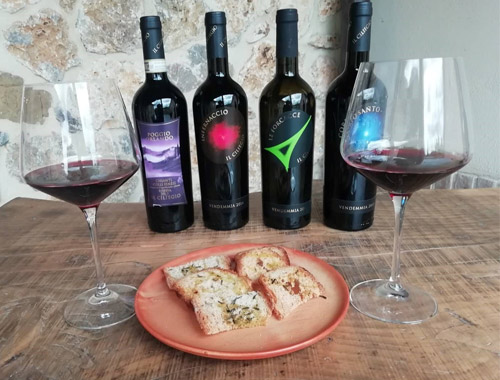
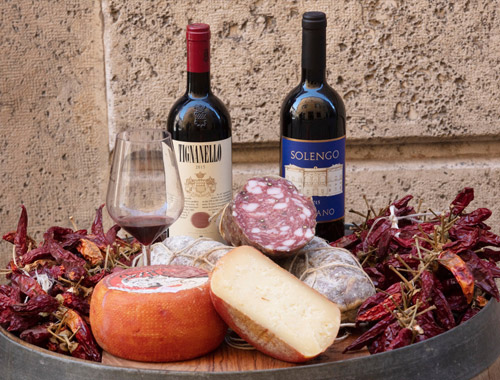
- Wine and oil: the surrounding hills yield Chianti Colli Senesi DOCG; near San Gimignano you can try the white Vernaccia; local olive oil is fruity and slightly spicy .
You will find cosy osterias in Colle Alta (e.g. along Via delle Volte, Piazza Duomo and Via del Castello) and informal trattorias in Colle Bassa . Prices are generally lower than in more touristy towns .
Excursions from Colle di Val d’Elsa
Colle’s central location makes it perfect for day‑trips:
- San Gimignano (15 km west). Famous for its 14 medieval towers and UNESCO‑listed centre; highlights include Piazza della Cisterna, Duomo (with frescoes) and the Torre Grossa . Try the Vernaccia wine. Reachable by car (~20 min) or bus via Poggibonsi (~45 min) .
- Monteriggioni (12 km east). A tiny fortified village with intact walls and 14 towers, mentioned by Dante. You can walk on part of the battlements and enjoy panoramic views . Travel by car (~15 min) or bus (130/131) . The medieval festival in July is particularly atmospheric .
- Volterra (30 km south‑west). An Etruscan town with medieval and Renaissance monuments, the Guarnacci Etruscan museum, alabaster workshops and a Roman theatre . The scenic SP541 road connects Colle and Volterra .
- Chianti region. To the north‑east lies the Chianti Classico area with villages like Castellina, Radda and Gaiole . Drive through vineyards, stop at wineries for tastings and visit castles such as Castello di Brolio .
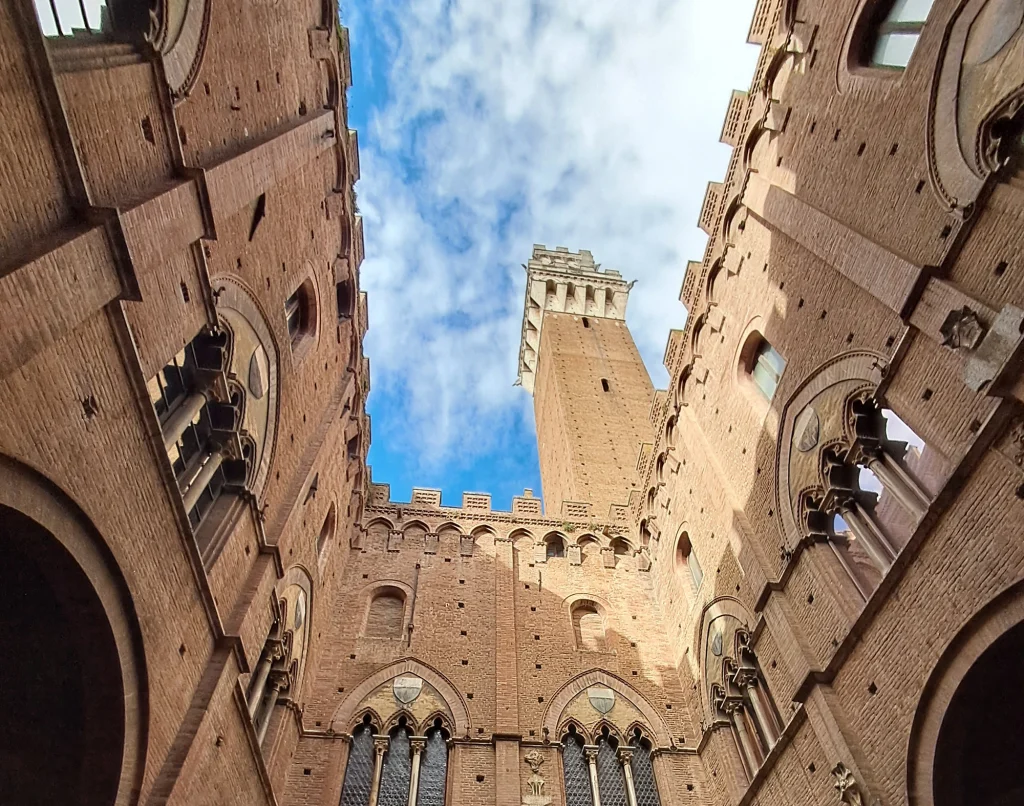
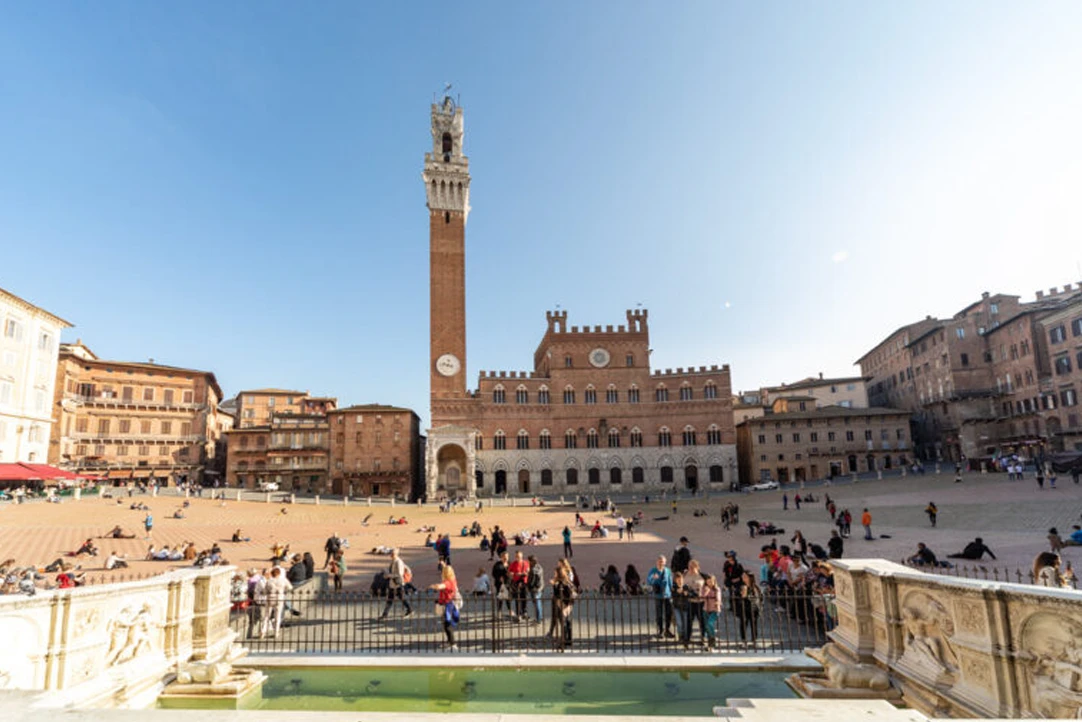
- Siena (25 km south). The medieval masterpiece of Tuscany with the Piazza del Campo, Duomo and Torre del Mangia . Staying in Colle or Siena and visiting the other by bus or car is easy .
- Other nearby sites: Casole d’Elsa (15 km west) for a quiet village with a beautiful collegiate church; Abbazia di San Galgano (40 km south‑west) for the roofless Gothic abbey and the legendary sword in the stone ; Poggibonsi (6 km east) for the Fortezza di Poggio Imperiale and Fonte delle Fate . Further afield are the Val d’Orcia towns (Pienza, Montalcino, Montepulciano) .
The article’s table summarises these distances and times, inviting visitors to combine multiple destinations over a 3–4 day stay .
Where to stay: Hotel Minerva in Siena
After covering what to see, the article recommends staying in Siena at the Hotel Minerva and using it as a base to visit Colle and the region . The hotel sits inside Siena’s medieval walls but just outside the limited‑traffic zone, so you can drive directly to the hotel and park in its secure covered garage . From the hotel, Piazza del Campo is a 15 minute walk, the Duomo 17 minutes , and the railway station is 1 km away . It thus combines the convenience of a central location with easy access for excursions to Colle and other towns .
Rooms, services and atmosphere
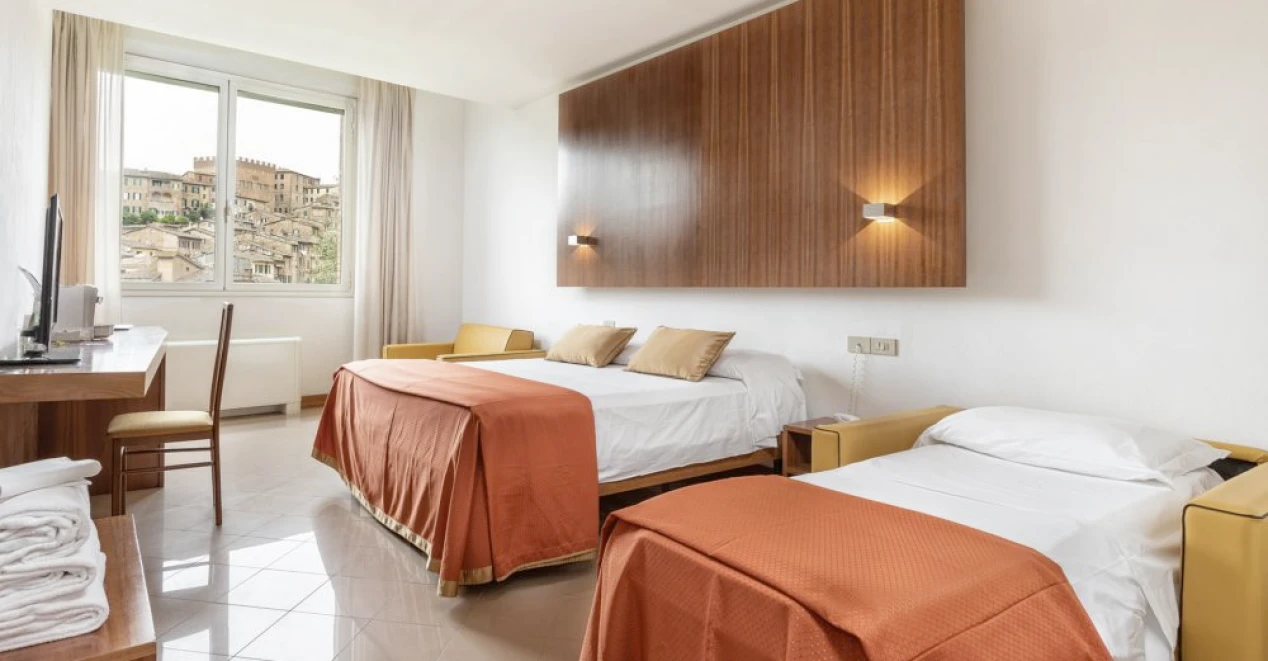
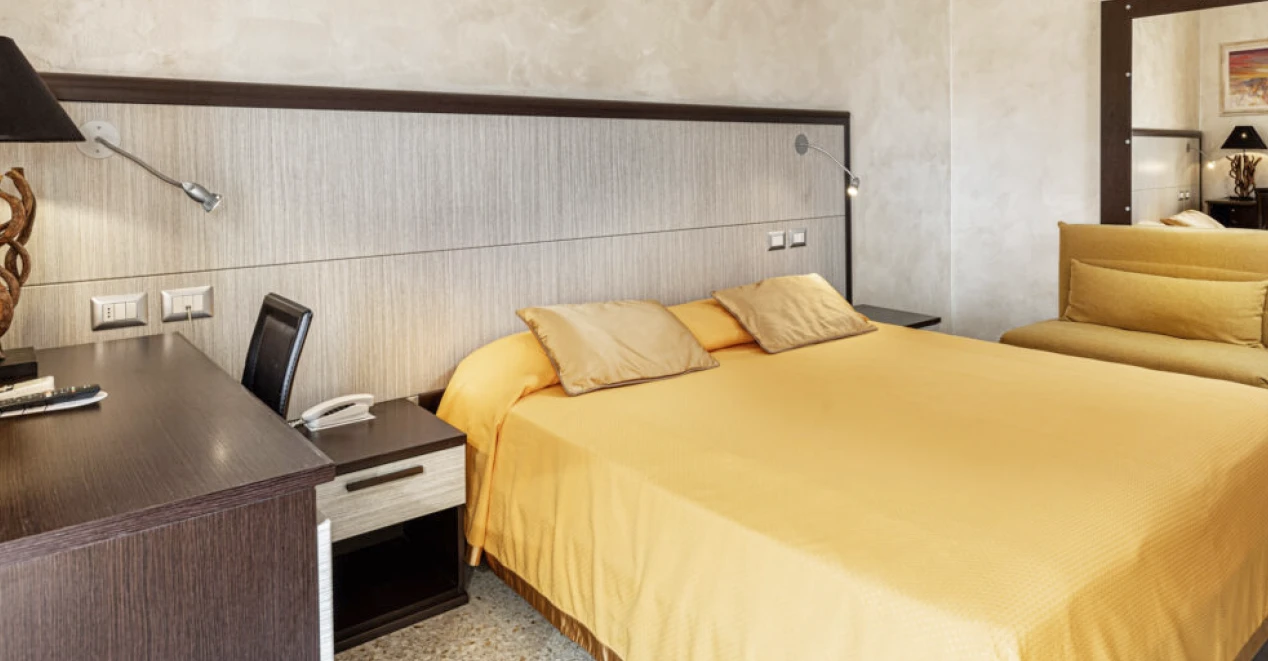
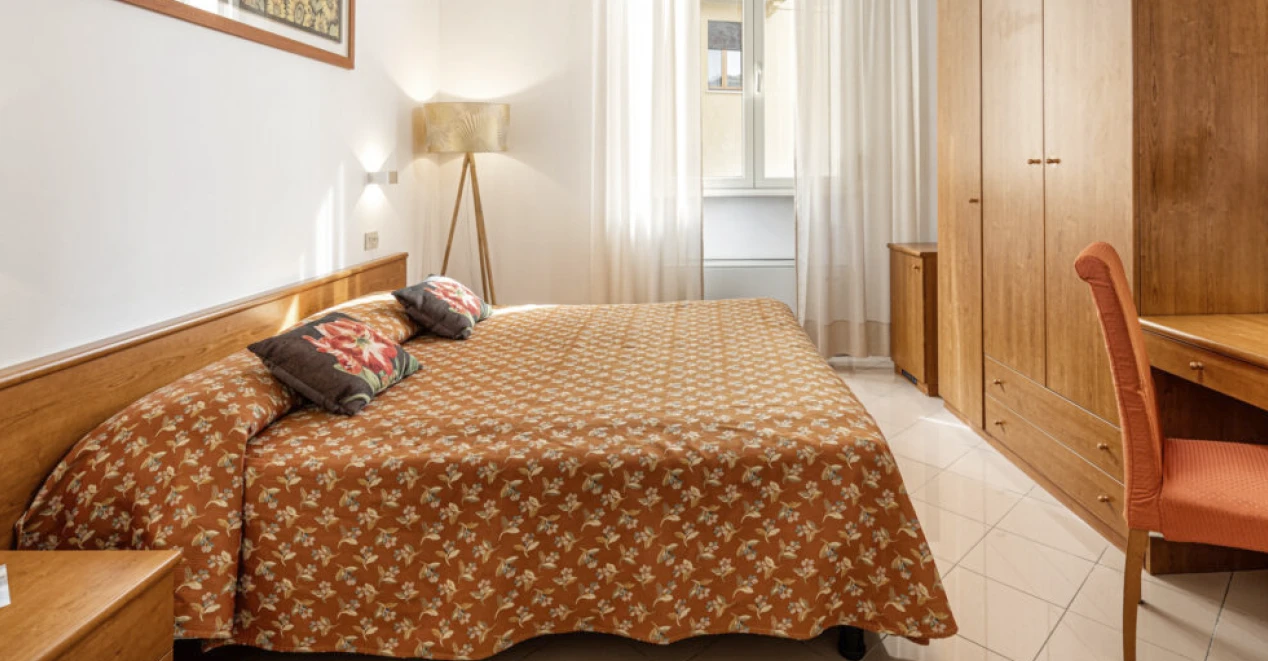
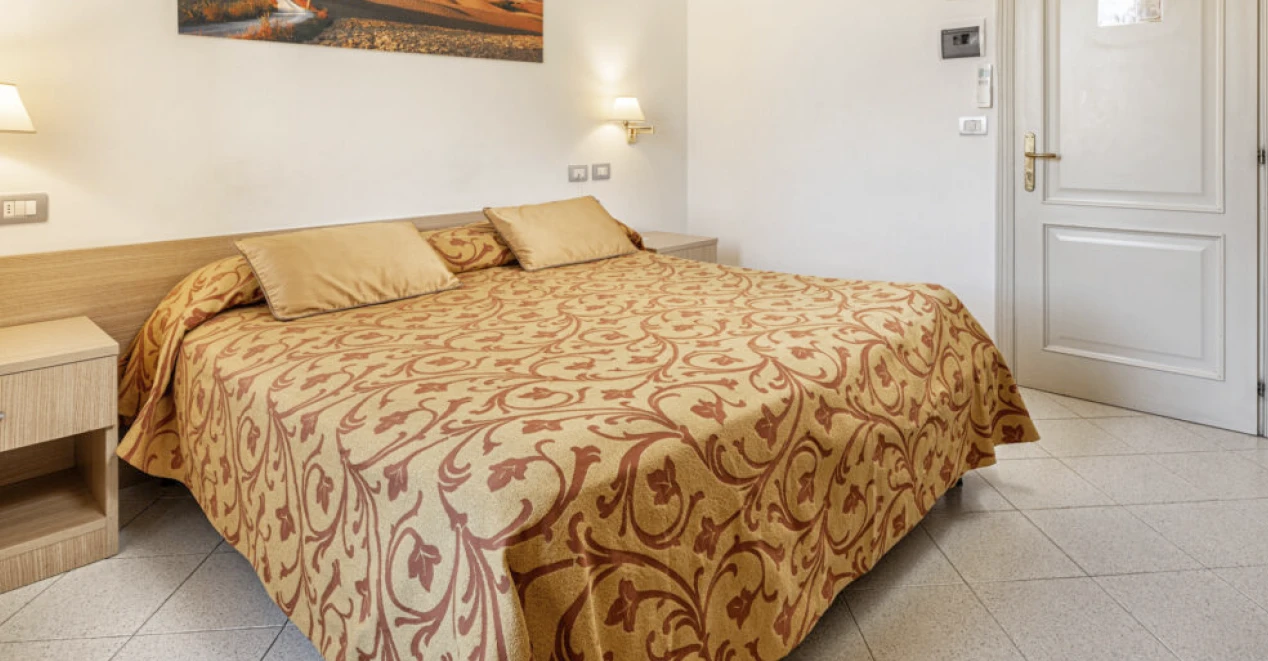
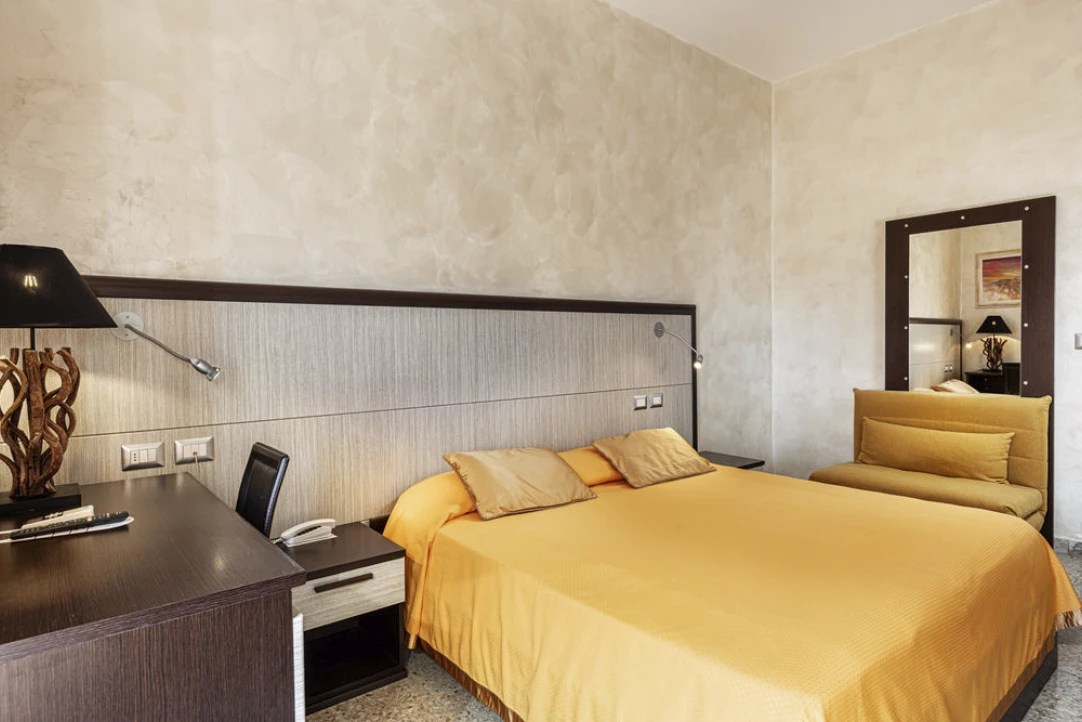
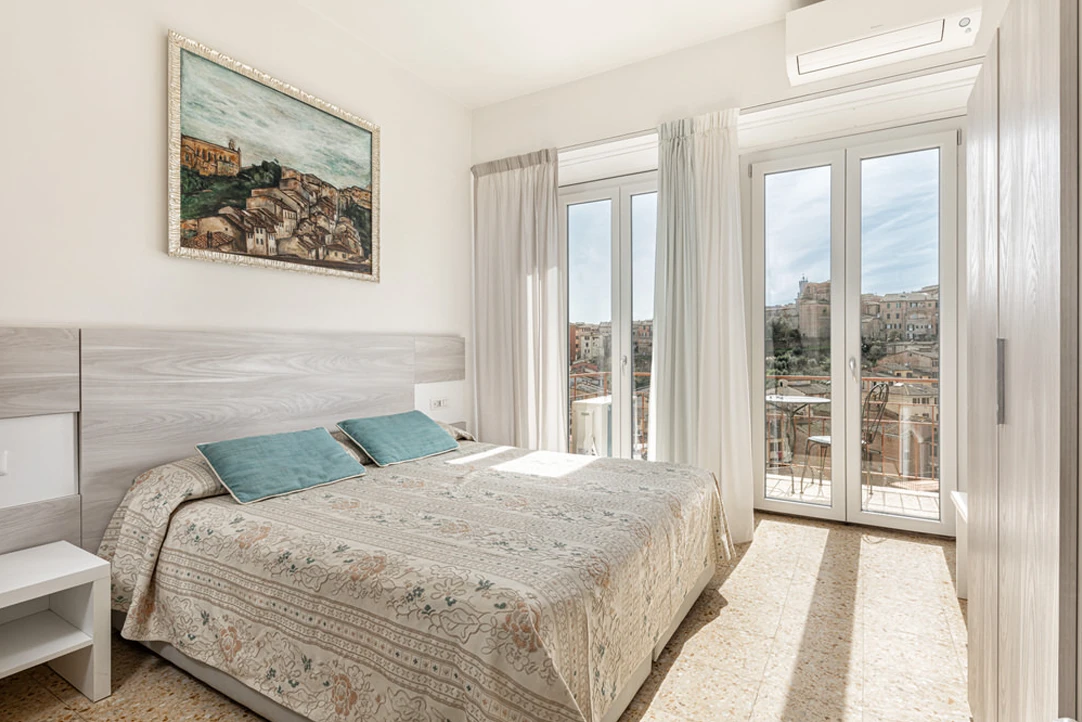
Hotel Minerva offers 56 air‑conditioned rooms in various categories: Easy Economy (budget‑friendly), Elegant Standard and Superior (spacious, many with panoramic views), and Junior Suites . Rooms mix Tuscan style—terracotta floors, wooden furniture, some with exposed beams—with modern amenities . Many have balconies or windows overlooking Siena’s rooftops .
The hotel serves a plentiful breakfast buffet of pastries, croissants, local bread with homemade jam, cold cuts, cheese and fresh fruit . In warm weather you can breakfast outdoors in the panoramic garden or request room service . There is also an internal bar and a comfortable lounge with art books , free high‑speed Wi‑Fi throughout the property , and a meeting room for up to 40 people .
For families and couples
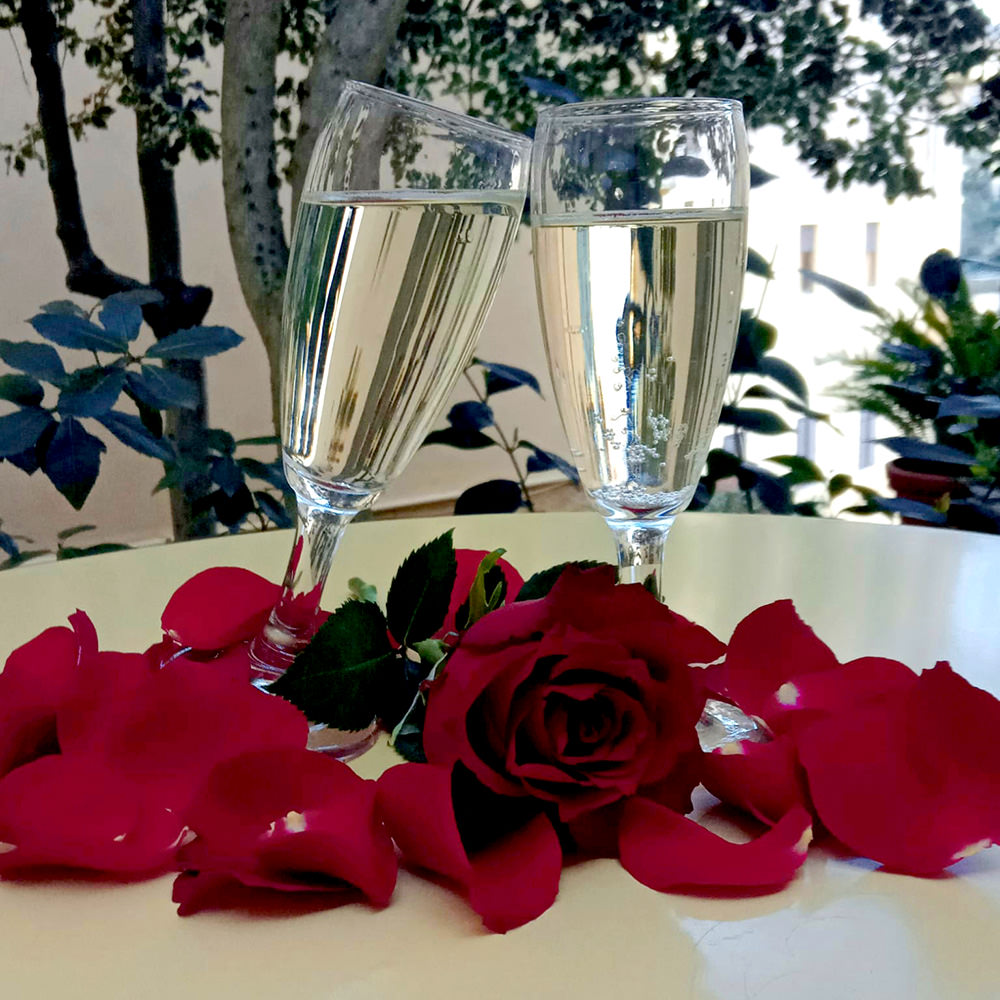
The hotel accommodates both couples and families. Couples appreciate the romantic atmosphere and the option of welcome amenities such as a complimentary bottle of prosecco . Families can request cots, bottle warmers and high chairs, and there is a play room for children . The nearby Orto de’ Pecci urban park with farm animals is a favourite with kids . The hotel is quiet at night despite its central location, ensuring restful sleep .
Ideal base for exploring
Colle di Val d’Elsa is 25 km from the hotel, San Gimignano ~30 km, Monteriggioni 15 km, Pienza and the Val d’Orcia about an hour, and Florence about an hour north . Guests can easily plan day‑trips in any direction and return to Siena for dinner . Public buses and trains depart nearby if you prefer not to drive . The article suggests booking directly on the hotel’s official site or contacting the reception for offers and packages, which may include wine tastings or guided tours .
Conclusion
Colle di Val d’Elsa combines the charm of a well‑preserved medieval hill town with a unique glassmaking heritage and a delightful natural park. Whether you explore the Duomo and the museums, wander through the atmospheric Via delle Volte, hike along the Sentierelsa to the Diborrato waterfall, or taste local dishes and wines, you will discover a hidden gem in the heart of Tuscany. The town’s central location makes it an ideal base for visiting nearby attractions such as San Gimignano, Monteriggioni, Volterra, Chianti and Siena . Staying at Hotel Minerva in Siena allows you to enjoy both urban and rural experiences, with comfort, parking and easy access . After a day of exploring, return to the hotel’s panoramic garden to relax and plan your next adventure. Take your time, savour Tuscan life and let the ancient stones, sparkling crystal and river landscapes of Colle di Val d’Elsa become part of your travel memories .