
Introduction
Siena is a unique city in the world, divided into seventeen historic contrade—small communities that have handed down traditions, rivalries and passions linked to the famous Palio for centuries. Among these, the Priora Contrada of the Civetta occupies a special place. Symbolised by a crowned owl perched on a branch, the Civetta is beloved by its contradaioli (members) and intrigues visitors of all ages.
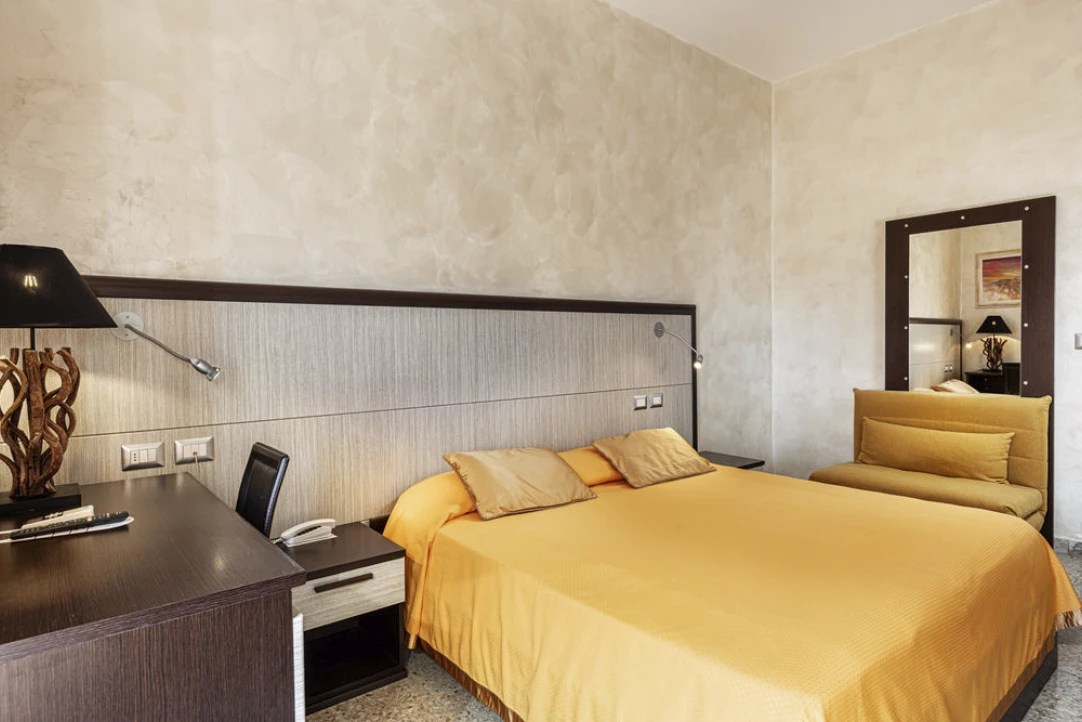
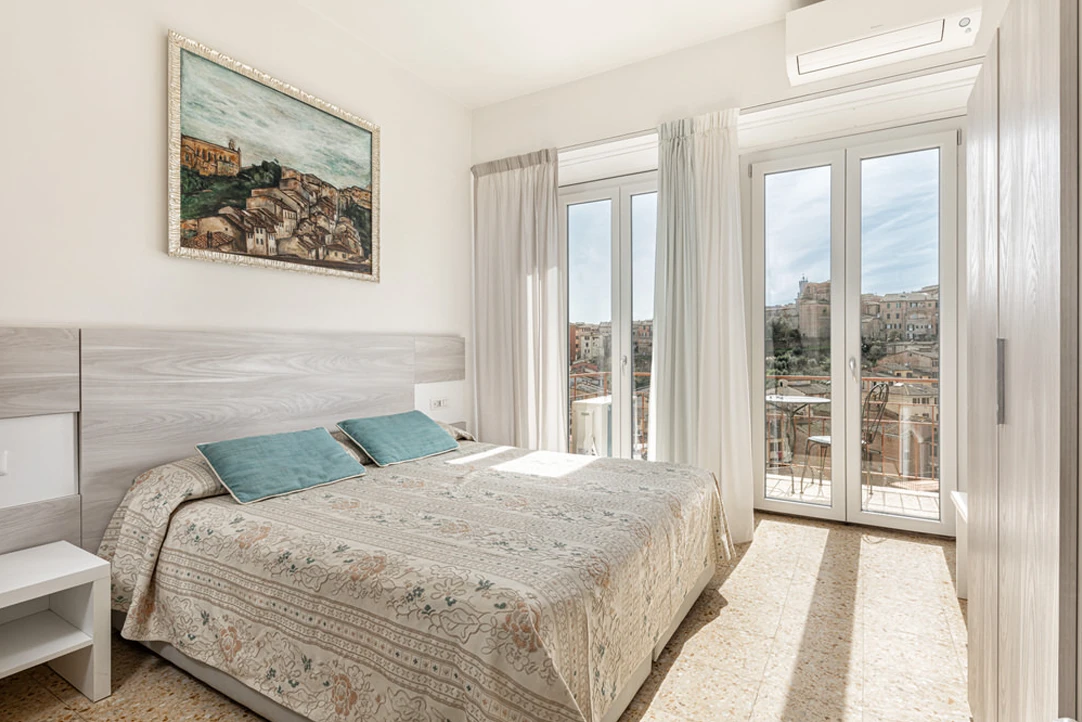
This family‑oriented travel guide will take you to discover the Contrada della Civetta: from its ancient history to its heartfelt traditions, from the treasure‑filled museum to the Palios won over the centuries. It all begins at the welcoming Hotel Minerva in Siena, a perfect starting point for exploring the medieval heart of the city and the streets of the Contrada del Castellare (another name for the Civetta). Prepare for a journey through time among narrow lanes, legends and the colours of the contrade!
Where is the Contrada della Civetta located?
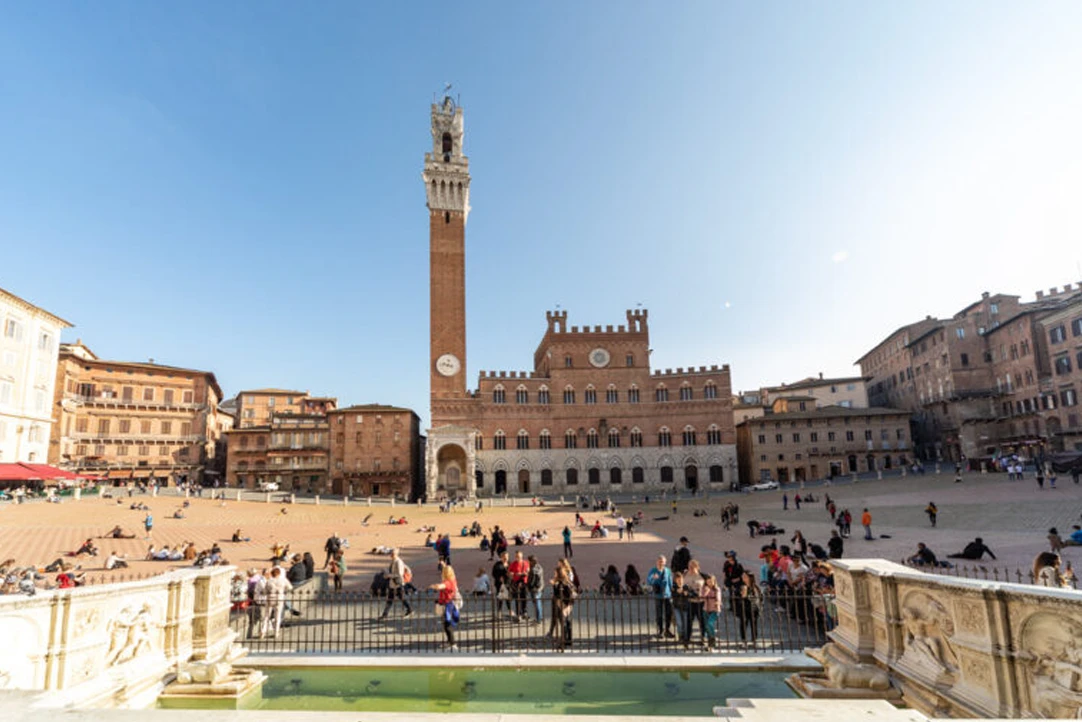
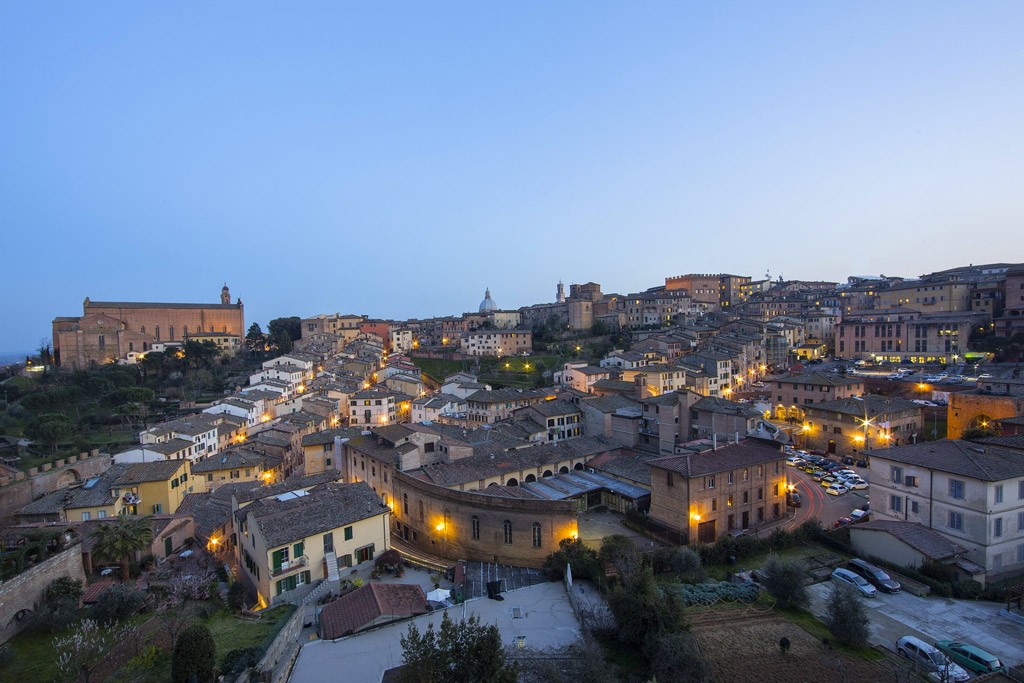
The Contrada della Civetta is situated in the heart of Siena’s historic centre, within the Terzo (historic district) of San Martino. Its territory unfolds around Piazza Tolomei and the adjoining streets—Via Cecco Angiolieri, Via delle Donzelle and Via di Calzoleria—reaching parts of Banchi di Sotto and Banchi di Sopra near the Croce del Travaglio. This central zone, rich in medieval palaces, is also known as the Castellare degli Ugurgieri, named after the ancient fortified complex that forms the core of the contrada.
For visitors: from Hotel Minerva (Via Garibaldi 72) it takes about ten minutes on foot to reach Piazza Tolomei and thus enter Civetta territory. You are immediately immersed in a medieval atmosphere: narrow cobbled alleys, contrada crests painted on the walls and, perhaps, black‑and‑red flags (the colours of the Civetta) hanging from windows and doors. It is a very central yet quiet neighbourhood, perfect to explore with children, who will enjoy looking for the owl symbol hidden here and there among the building decorations.
Why is the contrada called “Civetta”?
The name Civetta comes from the animal that represents it—the little owl. According to historical tradition the name dates back to classical antiquity: in this area there once stood a temple dedicated to Minerva, the Roman goddess of wisdom, whose sacred animal was the owl. This link to Minerva meant that the nocturnal bird of prey became the symbol of the quarter. The owl also represents cunning and the ability to see clearly in the dark—qualities in which Civetta contradaioli take pride.
Coat of arms and colours: The official coat of arms of the Priora Contrada della Civetta is split down the middle in black and red, with a crowned owl perched on a branch at the centre. On either side of the bird are two small blue shields with the letters “U” and “M” in honour of King Umberto I and Queen Margherita of Savoy, who allowed their initials to be added during a visit to Siena in 1887. The contrada’s colours are black and red edged in white, easy to recognise on the flags and scarves (bandane or foulards) worn by Civetta members. The contrast of black and red, enlivened by white, makes the Civetta’s banner one of the most elegant and noticeable during the Palio.
What is the contrada’s motto and what does it mean?
Every contrada in Siena has a traditional motto in Italian or Latin that expresses its spirit. The Civetta’s motto is “Vedo nella notte” – “I see in the night”. Associated with the image of the nocturnal owl, this short phrase emphasises the ability to see even in the dark and thus to remain clear‑sighted and cunning even in difficult situations. It is an almost mysterious and fascinating motto that children enjoy: it invites them to identify with the lively eye of the owl that silently watches everything in the night.
Thanks to this motto, the Civetta is sometimes nicknamed the contrada that sees at night. Of course, don’t expect to see real owls perched on Siena’s rooftops! It is symbolic: the Civetta is a “seer” figuratively. During contrada festivities it is common to hear contradaioli sing chants recalling the motto to psych themselves up before the races or to celebrate victories.
Why is it called Priora?
The contrada’s official name includes the title “Contrada Priora della Civetta”. The title Priora is a special honour: it was granted to this contrada because it hosted the first meeting of the Magistrato delle Contrade, the assembly that periodically brings together the priors (presidents) of all seventeen contrade to discuss common matters. Historically, the Civetta had the honour of organising the first official meeting of this body and since then has been entitled to call itself Priora.
Only three contrade in Siena carry honorary titles: besides the Civetta (Priora), there is the Onda (Capitana, for ancient military merits) and the Giraffa (Regina, for having welcomed a visiting king). These titles do not confer practical privileges in the Palio but have great symbolic and ceremonial value. During historical parades you will hear the speaker announce: “Contrada Priora della Civetta” to emphasise this special status.
Symbols and secondary emblems
Beyond the owl itself, the contrada has several heraldic symbols and historical references that are fun to discover. We have already mentioned the initials U.M. on the blue shield: those letters stand for Umberto and Margherita, the Savoy sovereigns honoured in 1887. Other noteworthy elements include:
- The Military Companies: In the past Siena divided its territory into military companies. For the Civetta the reference companies were San Cristoforo, San Pietro in Banchi and San Vigilio. Today these names carry little practical significance, but you will find them in the names of some streets and churches of the contrada. For example, San Pietro in Banchi was once a parish church in the area (later demolished in the 18th century), while San Cristoforo is the church still standing in Piazza Tolomei where the Civetta once had its own altar.
- The She‑Wolf of Siena: The symbol of the city of Siena is the she‑wolf nursing the twins, linked to the legend of Remus and Aschius. In Piazza Tolomei stands a column topped by a stone Sienese she‑wolf, erected in 1260 to celebrate the victory of the Sienese at the Battle of Montaperti. The original statue is now preserved in the Museum of the Contrada della Civetta, while a copy remains in the piazza. This connection symbolises Civetta pride in Siena’s glorious history: the Civettini feel that medieval victory is partly theirs thanks to the heroic leader Giovanni Ugurgieri, who set out from the Castellare with his troops to fight at Montaperti.
- The nickname “del Castellare”: The Civetta is also called the Contrada del Castellare because its territory includes the Castellare degli Ugurgieri, the medieval fortress around which contrada life revolves. Strolling along Vicolo del Castellare you will see a plaque recalling Giovanni Ugurgieri and the departure for Montaperti, as well as the dedication of the oratory and contrada headquarters to its members. This nickname distinguishes the Civetta from other contrade and recalls its fortified architectural roots.
Who is the patron saint of the contrada and how is he celebrated?
The patron saint of the Contrada della Civetta is Saint Anthony of Padua, one of the most popular saints in Catholic tradition (known as the saint of miracles and patron of the poor and of children). The choice of Saint Anthony is linked to history: when the Civetta decided to establish its own oratory (a contrada church) it dedicated it to Saint Anthony of Padua, making him its protector.
The contrada’s titular feast—the annual celebration of the patron saint—is held around 13 June, the feast day of Saint Anthony. Usually the Civetta’s titular feast is on the Sunday closest to 13 June. It is a very heartfelt occasion for all contradaioli, adults and children. There is a solemn mass in the oratory with contradaioli in full traditional dress, followed by a procession through the neighbourhood streets with the flag and retinue. One of the most beautiful moments is the contrada baptism, which often takes place during the titular feast: newborns in the contrada are symbolically presented to the saint and the community.
After the religious ceremonies the celebration continues convivially: open‑air dinners are organised in the Castellare or in the streets, with long tables where families dine together on typical Sienese dishes. There are lights in black‑red‑white, music and games for children. Sometimes photographic exhibitions or screenings of old Palio footage won by the Civetta recall the contrada’s glories. In short, the titular feast is an opportunity to strengthen community spirit and to let even children know their contrada roots in a joyful atmosphere.
What are the most important traditions of the Contrada della Civetta?
Life in a contrada is rich in centuries‑old traditions. Here are some that are particularly significant in the Civetta, explained simply:
- Contrada baptism: This rite officially welcomes new members into the contrada. Those born or living in the quarter, or those who wish to join, are symbolically baptised with water from the contrada’s baptismal fountain. In the Civetta this fountain is an elegant work by sculptor Adolfo Micheli, located at Via Cecco Angiolieri 45 inside the Castellare courtyard. At the top there is a little bronze owl. During the ceremony the priore or parish priest wets the candidate’s forehead with water from the fountain and recites a welcome formula. From that moment the new contradaiolo—child or adult—becomes part of the Civetta family. This rite usually takes place on the day of the June titular feast or on special occasions and often involves dozens of children, creating an emotional atmosphere for parents and the whole contrada.
- The Società (club) of the contrada: Every contrada has a Società di Mutuo Soccorso (mutual aid society) that acts as a social club for its members. The Civetta’s is called the Società “Cecco Angiolieri”, named after the celebrated medieval poet who was born in this district (see below). The Società organises dinners, parties, bingo, football match screenings and other social activities that keep the community alive all year round, not just during the Palio. It is family‑friendly, with spaces where children can play safely while adults dine or chat. If you are staying nearby during an event, it is not unusual for contradaioli to invite guests to a dinner at their Società—an authentic way to experience Sienese life from within.
- The trials and the General Trial dinner: During the Palio period (late June/early July and mid‑August) the city lives for the race. The Civetta, like other drawn contrade, participates with its horse and jockey. In the three days of trials before the race the contrada conducts various rituals: from blessing the horse (on the day of the Palio, the Civetta’s horse is led into the Oratory of Saint Anthony for a solemn blessing—there is a saying: “Vai e torna vincitore!”—“Go and come back victorious!”) to the historical procession in costume. On the evening of the General Trial—the penultimate trial run held the evening before the Palio—all contrade organise a large outdoor dinner in their streets. The Civetta’s General Trial dinner gathers hundreds of people in the Castellare or another square in the quarter, with tables set under the flags, toasts, songs and speeches from the captain. It is an incredible moment of unity: children run around with Civetta scarves around their necks, grandparents recall anecdotes of past Palios, and the air is filled with excitement before the great challenge the next day. Tourists can sometimes buy a place at these dinners by asking the contrada, offering the chance to feel part of the celebration.
- The Giro and the Paggiata: If the Civetta wins the Palio, the celebrations explode! On the very night of victory the contradaioli perform the giro—a spontaneous procession through their streets, singing victory hymns, symbolically visiting their boundaries and celebrating with allied contrade. In the following days the Paggiata ceremony takes place: the Palio banner (the drappellone) is carried in triumph through the streets and symbolically presented to friendly sister contrade, accompanied by drummers, flag‑bearers and extras in historical costume. The Civetta’s Paggiata is known for being particularly joyful; sometimes children of the contrada parade proudly with a small banner made of paper or cloth. A few weeks after the victory the Victory Dinner takes place—a banquet of epic proportions open to all Siena, with tables laid out perhaps in Piazza Tolomei or along the streets, and the winning jockey and horse present as honoured guests. This is the culmination of contrada traditions: eating, singing and being together under the benevolent gaze of the victorious Civetta.
In general, the contrada is a second family for those who live there. People are born, grow up and live “in the Civetta”, learning the sense of belonging from an early age. For tourists and visiting children, witnessing even a small fragment of these traditions—whether a blessing, a trial, a contrada baptism or a simple dinner—can be an unforgettable experience that reveals how vibrant Sienese cultural heritage is.
Does the Civetta have allies and rivals?
Yes. In the complex web of relationships between contrade the Civetta has four allied contrade: Aquila, Giraffa, Istrice and Pantera. These alliances have been consolidated over time for various historical reasons and mutual convenience during the Palio. For example, Civetta and Pantera were anciently allied because both often opposed the powerful Oca; with Aquila and Istrice the alliance is more recent (second half of the 20th century) and was born out of shared rivalries and interests. The alliance with the Giraffa, on the other hand, dates back to long ago and is strengthened by territorial proximity (Giraffa borders the Civetta to the east). Being allies means supporting each other morally during the Palio, sometimes sharing dinners or initiatives and, if one wins, participating in the celebrations by sending an official delegation to the victory procession.
On the other side, the Civetta has a historic rival: Leocorno. The Civetta–Leocorno rivalry is one of the most intense in Siena, although it became official only in 1930. Rivalries often arise from incidents during the Palio or territorial friction: in this case Civetta and Leocorno are neighbouring contrade (divided by Via San Vigilio) and frequently run the Palio together. Episodes of very competitive races and some fouls between jockeys in the 20th century exacerbated the relationship. Thus, since around 1930, the Civetta and Leocorno consider each other enemies.
What does this rivalry entail? During the Palio, Civetta and Leocorno will try not only to win but also to hinder each other if they get the chance—for example by using strategies to disturb the rival horse on the track. In everyday life there is a playful antipathy: if the Civetta wins, people jokingly say the Leocorno “puts its scarf on the lamppost” (i.e., sulks quietly), and if Leocorno wins then the Civettini suffer doubly. This competition often motivates the contradaioli even more and creates a spectacle within the spectacle, especially for visitors. However, once the Palio is over, the animosity remains confined to the race: in daily life the Civettini and Leocornini are simply Sienese from the same neighbourhood who live together civilly, perhaps with some good‑natured teasing. For contrada children the rivalry is almost a game: you might see youngsters from the Civetta and Leocorno arguing about who is stronger and then going back to playing together as if nothing had happened!
Which historical figures are associated with this contrada?
The Civetta’s ancient territory has been home to notable figures. During your visit you might tell these stories to intrigue younger visitors:
- Cecco Angiolieri (c. 1260–1312): A goliardic poet of the Middle Ages, he was born and lived in Via degli Angiolieri (now Via Cecco Angiolieri) right in the heart of the Civetta. He is famous for his irreverent, playful poems—his most celebrated verse begins “S’i’ fosse foco, arderei ’l mondo” (“If I were fire, I would burn the world”). A man of rebellious character and a lover of merriment, he embodies some of the Civetta’s sharp spirit. Today the contrada honours him by naming its Società after him and with plaques and quotations on its streets; look for the plaque on the building where his family is thought to have lived. Children will enjoy learning about Cecco because he was a “cheeky” poet who preferred to laugh and joke rather than praise nobility.
- Giovanni Caselli (1815–1891): An engineer and inventor born in Banchi di Sotto (Civetta territory). He is not a household name, but he created a remarkable invention for the time: the pantelegraph, considered a precursor to the fax. In 1861 Caselli succeeded in transmitting drawings and signatures over telegraph lines—essentially the first fax in history. He also devised an automatic rudder for ships. His birthplace is marked by a plaque. Telling children about Caselli can be inspiring: imagine that from a small medieval contrada came an idea so ahead of its time that it anticipated modern technology.
- Pia de’ Tolomei (c. 1270–1298?): Within Civetta territory stands the majestic Palazzo Tolomei overlooking the square of the same name. The Tolomei were a powerful family of Sienese bankers. One woman of the house, Pia de’ Tolomei, is shrouded in mystery and legend; she is mentioned by Dante in the Purgatorio (Canto V) with the verses “Ricorditi di me, che son la Pia; Siena mi fe’, disfecemi Maremma” (“Remember me, I am the Pia; Siena made me, Maremma unmade me”). According to tradition, she may have been put to death by her husband in a Maremma castle. Whether historically true or not, she has become a famous literary figure. Walking in Piazza Tolomei you can show your children the Gothic palace and tell this somewhat chilling story of a noble Sienese lady remembered even in Dante’s work. The Civetta likes to emphasise that it guards “Pia’s quarter”; the contrada museum occasionally displays artworks or texts commemorating her, forming part of the area’s cultural heritage.
- Blessed Pier Pettinaio (c. 1200–1289): Another figure linked to the area is Pietro da Campi, known as Pier Pettinaio because he sold combs for a living. He lived in a lane of the Civetta district (today Vicolo di Pier Pettinaio is within its boundaries) and was renowned for his honesty and generosity. He became such a beloved figure that Dante mentions him in the Purgatorio (Canto XIII) as an example of humility contrasted with noble pride. Pier Pettinaio was declared blessed by the Church and is still remembered by the Sienese today. If you pass through the lane named after him, you can explain to children that a good man lived here who helped the poor and preferred a simple life to easy profits—a positive role model from the Middle Ages.
As you can see, the Contrada della Civetta is not just about horses and flags: it is a microcosm of history and culture. Every corner tells a story and every street name is connected to someone important. A walk here becomes almost a treasure hunt of stories: challenge your children to find, for example, the bronze owl on the fountain, the plaque commemorating Cecco Angiolieri, or the column with the she‑wolf in Piazza Tolomei, and at each stop tell them the related story. In this way the visit remains lively and instructive.
What can you visit in the Contrada della Civetta?
Although a contrada is not an open‑air museum in the traditional sense, wandering its streets reveals places of great interest connected to contrada life and Siena’s history. Here are the main sights in Civetta territory:
- Piazza Tolomei and the Church of San Cristoforo: This elegant little square, midway along Banchi di Sopra, is the ideal entrance to the Civetta quarter. Overlooking it are the medieval Palazzo Tolomei (one of Siena’s oldest palaces, built around 1205) and the Church of San Cristoforo, a small Romanesque church. San Cristoforo played a special role for the Civetta: before the contrada built its own oratory, the contradaioli met here and had their own altar. In the square you can also see the Column of the She‑Wolf, the symbol of Siena, installed after the victory at Montaperti in 1260. Pause to observe the she‑wolf on top of the column; the original is housed in the contrada museum, but the copy shows how much the Sienese value their symbols. The square was once the scene of important civic assemblies: in the 13th century the Government of the Nine, which administered the Republic of Siena, made its announcements here. Standing there, it’s thrilling to imagine the scenes of centuries past. For children, counting how many owls and wolves they can spot in the square’s decorations can be fun.
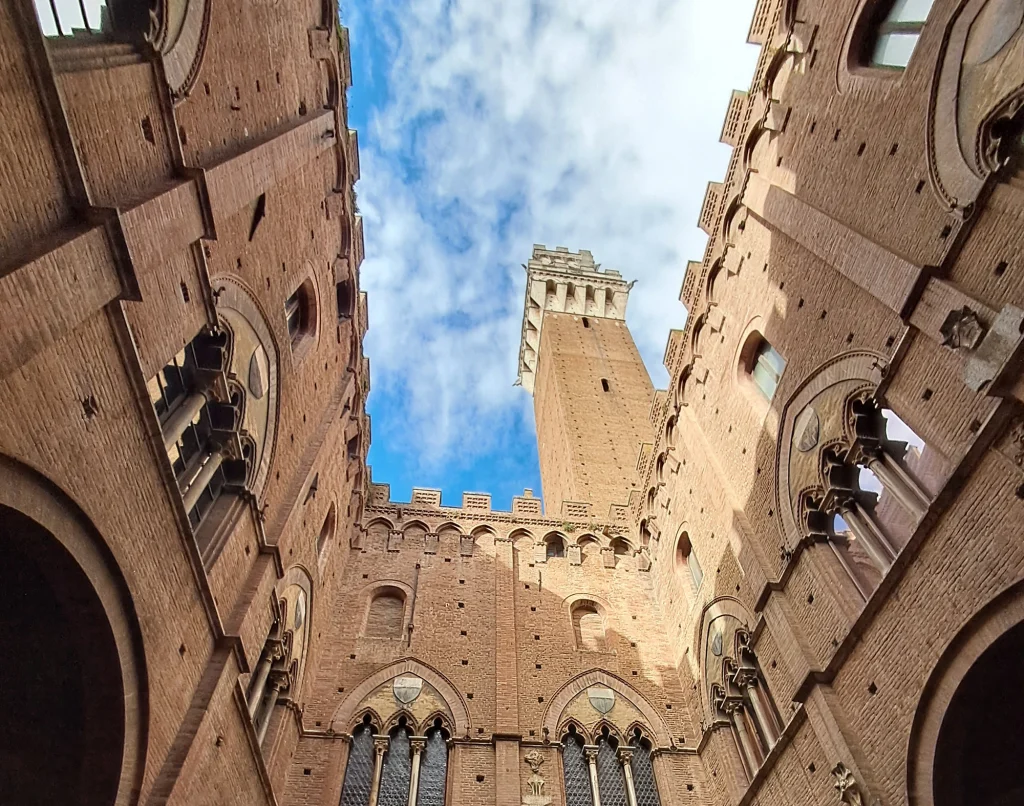
- Castellare degli Ugurgieri: Entering through Vicolo del Castellare, you reach the Castellare degli Ugurgieri, a complex of 13th‑century fortified buildings arranged around a central courtyard that once belonged to the noble Ugurgieri family. Today the entire castellare is owned by the Contrada della Civetta and is the hub of its activities. Once through the arch, you find yourself in a silent courtyard surrounded by stone walls and arched windows, with ancient wells and contrada coats of arms on the walls—it feels like stepping into the Middle Ages. On weekdays it may be quiet and almost deserted, while during contrada celebrations it fills with people, tables and flags, becoming a picturesque scene of conviviality. On the right side of the courtyard a stairway leads to a loggia giving access to the contrada headquarters and the museum rooms; on the left a doorway leads to the Oratory.
Curiosity: In the courtyard, try to spot the small baptismal fountain where contradaioli are baptised, often located under a niche or tabernacle with an image of the Virgin. On the ground or walls you may notice fossil shells and pebbles embedded in the structure; this is because the cellars and underground rooms beneath show ancient marine deposits—evidence that this area was once seabed millions of years ago! Keen eyes can see layers of shells and sand consolidated in the tuff, offering a geological journey through time.
- Oratory of Saint Anthony of Padua: Attached to the side of the Castellare is the contrada’s small church, built by the contradaioli between 1933 and 1945. The exterior is very simple—almost indistinguishable except for a small façade in the Sienese neo‑Romanesque style. Inside, however, it is welcoming and full of meaning: it preserves paintings dedicated to Saint Anthony (by painter Galgano Perpignani) and a beautiful 17th‑century canvas donated by Count Guido Chigi Saracini. On the main altar stands the statue of Saint Anthony, the contrada’s patron. All religious ceremonies of the contrada take place here: masses for deceased contradaioli, the blessing of the horse on Palio day, sometimes weddings of contradaioli, and, of course, the services of the titular feast. If you find it open, enter respectfully—contradaioli are proud to show their church and may share anecdotes. Notice the flags and votive candles: for every Palio won the contrada offers an ex‑voto to its saint. The monture (costumes) used in the historical procession may also be displayed here or in adjacent rooms. It’s worth seeing the mix of sacred and contrada elements: Saint Anthony alongside the Civetta insignia—a distinctly Sienese blend.
- Museum of the Priora Contrada of the Civetta: This is an unmissable stop. Inaugurated in the 1990s and continually enriched, the museum is housed in evocative rooms of the Castellare and tells the story and soul of the contrada. It contains many treasures. Foremost are the Palios won—the original drappelloni (banners) won by the Civetta, from the oldest to the most recent. It is thrilling to see them up close: enormous standards painted by famous artists, each marking a year of victory. There are also sacred furnishings from the old church of San Pietro in Banchi—chalices, reliquaries and vestments—preserved when that church closed. You will find ancient monture—historical costumes worn in the procession (some date back to the 19th century and are finely hand‑embroidered)—as well as paintings, sculptures and ceramics belonging to the contrada.
An entire section is dedicated to a surprising archaeological collection of majolica: plates, jugs and crockery from the 13th to 18th centuries, uncovered by excavating a refuse pit in the Castellare. These finds show what ceramics used to be like in old Siena—offering a glimpse of medieval daily life. Curious visitors will notice that some 14th‑century plates already had “modern” shapes with a central depression—anticipating nouvelle cuisine, as some joke!
There are also various memorabilia: old photographs of victories, flags frayed by time, drums, the masgalano (prize for the best procession), documents and even historic film footage. Particularly exciting is the section dedicated to the stable: an internal window in the museum looks onto the contrada’s horse stable—the small space where the horse assigned to the Civetta is kept during Palio days. This space is considered sacred and inviolable; especially on race days no one may enter except the barbaresco who cares for the horse. Seeing the stable—even empty, with straw and tack ready—helps one understand how important the horse is to the contradaioli.
Finally, the museum houses the stone she‑wolf from around 1470, mentioned earlier, which came from Piazza Tolomei. It stands on proud display and represents a tangible link between Siena’s history and the contrada. The museum also contains contemporary works, such as flags painted by modern artists and trophies from inter‑contrada competitions. Everything is presented with care: enthusiastic guides—often volunteer contradaioli like Mr Domenico, the well‑known summer custodian—explain every detail, often sharing personal anecdotes of the victories they have witnessed. Children will be captivated by the colours, the period costumes, the drums that they can sometimes try playing, and the race videos.
The museum is open mainly during the summer and on Palio occasions. Roughly, from June to August it is open 10:30–12:30 in the morning and 16:00–18:00 in the afternoon (in recent years there have been openings until 19:00). Admission is usually free, managed by the contradaioli, but a small donation is appreciated to support maintenance. Guided tours can also be booked by contacting the contrada via the official website. Typically someone will welcome you and, if it is not crowded, will accompany you room by room; some volunteers speak English and other languages and there are smartphone audio guides for foreign visitors. A visit is highly recommended: it offers an authentic experience, far from tourist crowds, where you feel the pride and passion of Siena for the Palio. Even those who know nothing about the contrade will leave enriched and—many reviews say—with shining eyes after understanding why the Palio is so important to the Sienese.
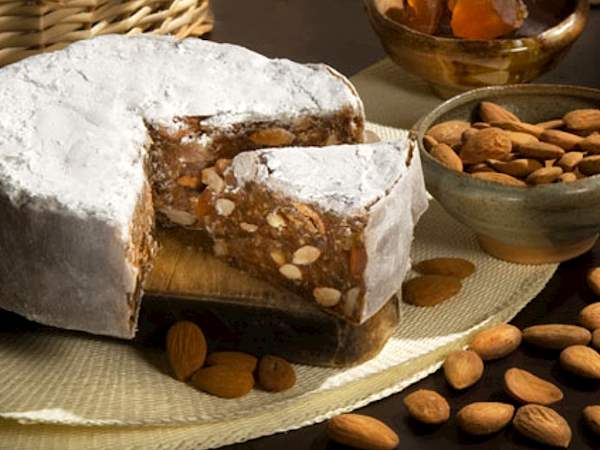
In summary, the Contrada della Civetta offers a concentrated yet rich itinerary: in just a few steps you pass from sacred art to popular tradition, from medieval history to the sporting excitement of the Palio. Everything is family‑friendly: distances are short—perfect for children who tire easily—and there is always something visual or curious to capture their attention, whether a coat of arms with an owl, a drum to try, or a wooden hobby horse to play on in the Castellare courtyard during a dinner. Nearby, being in the centre, there are plenty of bars for gelato and shops selling Sienese sweets (ricciarelli and panforte) if you want a tasty break.
Walking itinerary from Hotel Minerva to the Civetta sites
For those staying at Hotel Minerva or arriving from Via Garibaldi/the station, here is a simple walking itinerary to explore the Contrada della Civetta in a logical order. In total it is less than 2 km and can easily be done in half a day at a relaxed pace, including stops and a museum visit.
Step 1: From Hotel Minerva to Piazza Tolomei (gateway to the Civetta)
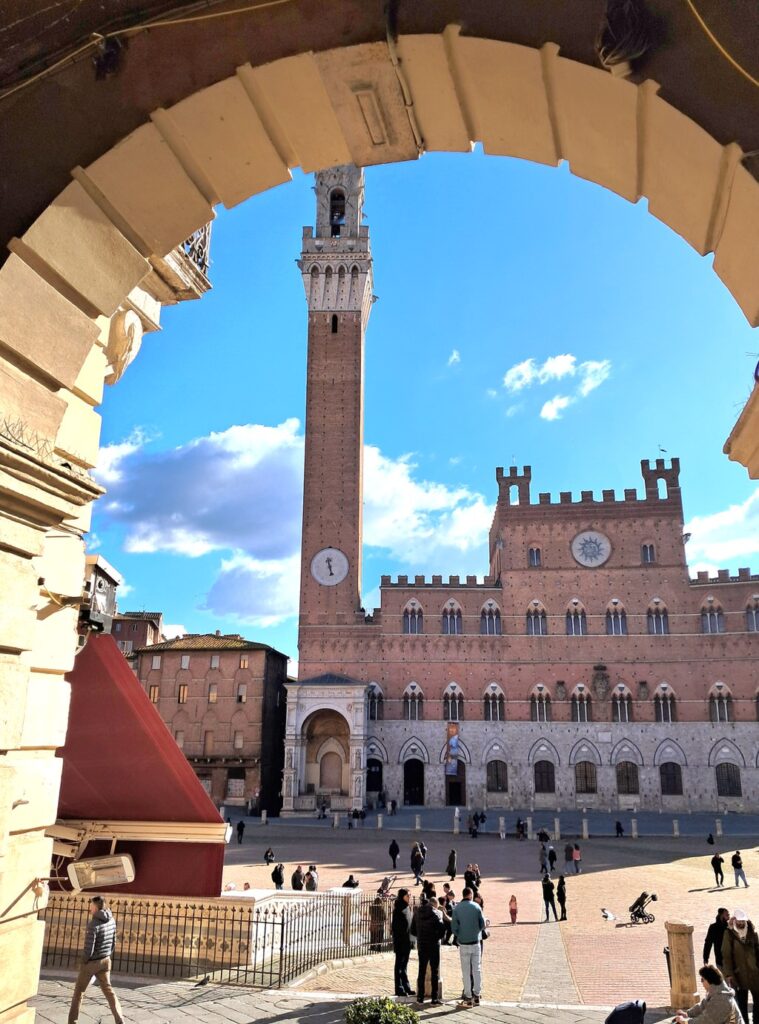
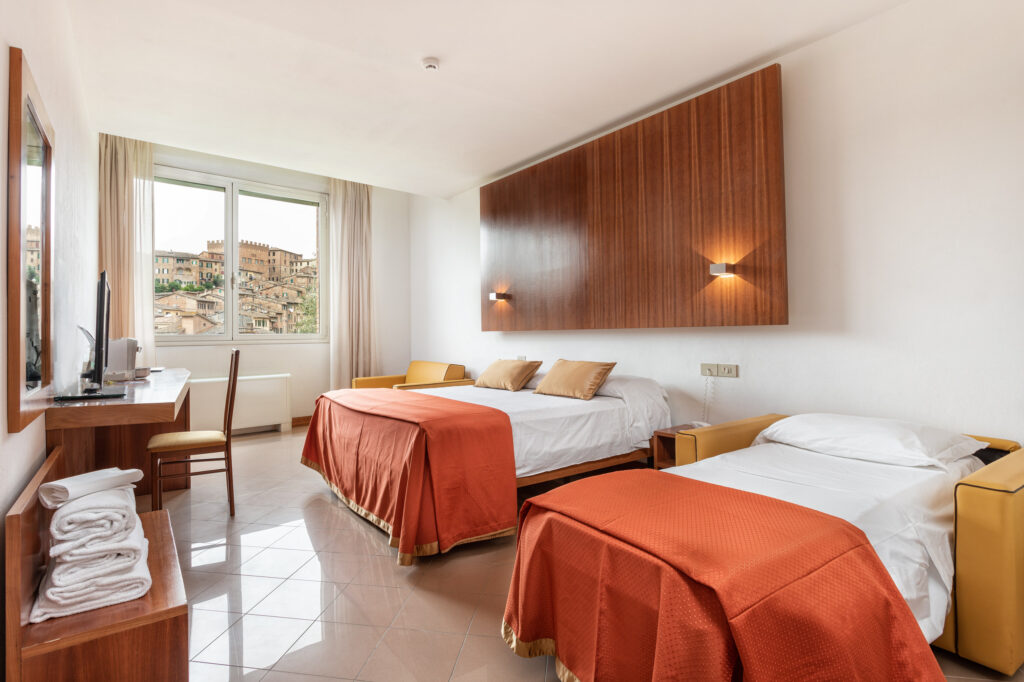
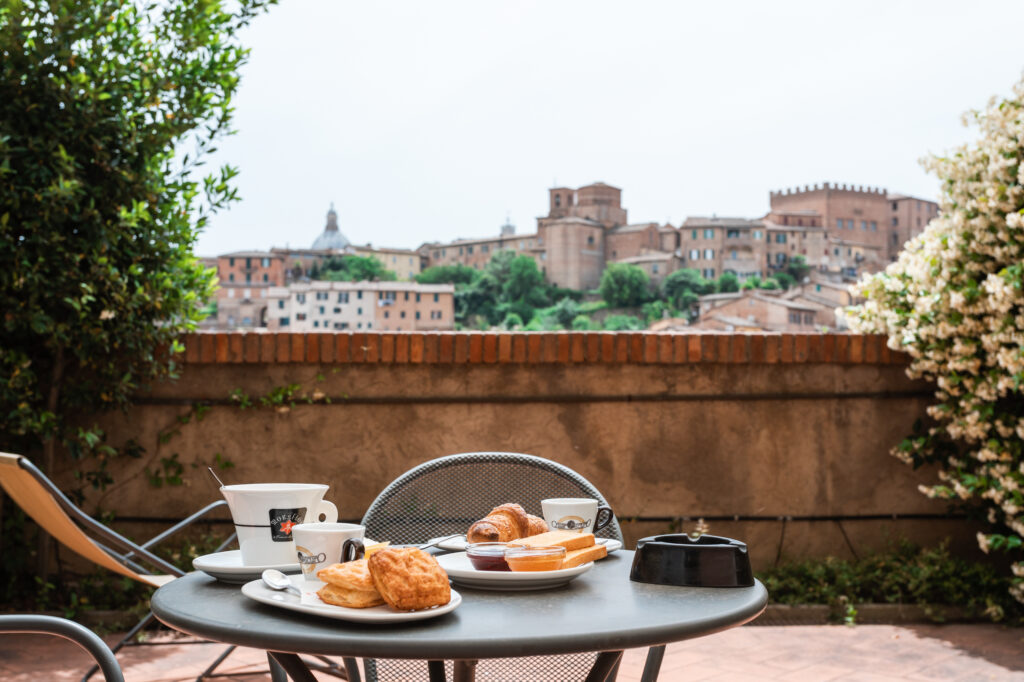
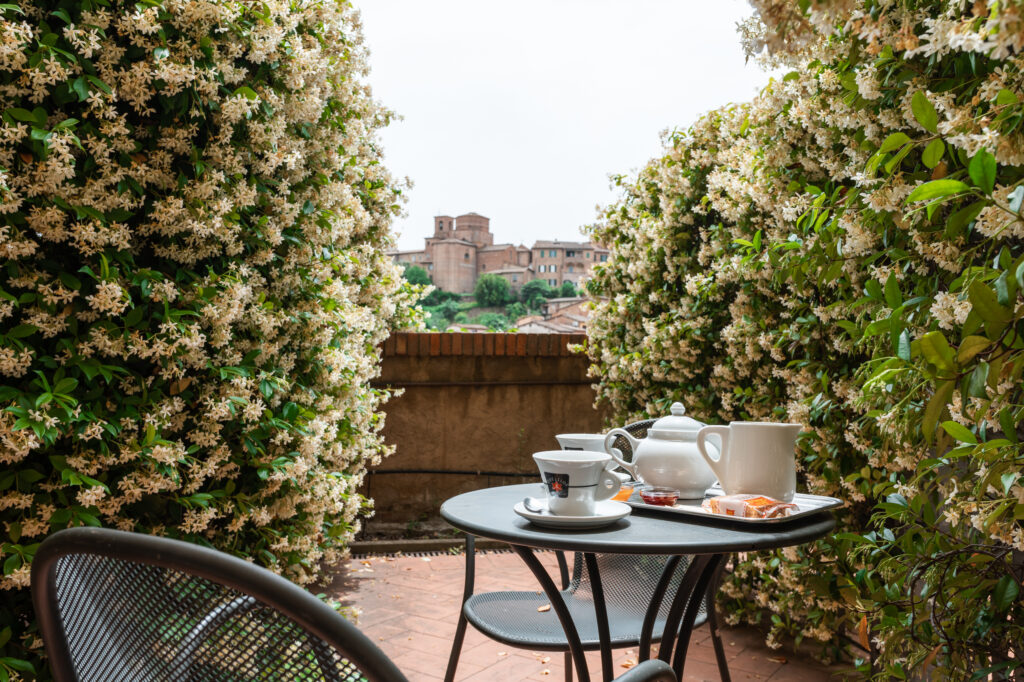
Leaving the hotel at Via Garibaldi 72, turn right and head up towards the historic centre. In about five to seven minutes you will reach Piazza Salimbeni, recognisable by its elegant palace and central statue. Continue straight along Via Banchi di Sopra, the main street. After another three minutes walking under medieval arcades, the road opens into Piazza Tolomei—you have arrived! Here you stand on the border between two contrade: the side facing Palazzo Tolomei is Civetta, while the opposite side beyond Via di Città is Pantera. Take a moment to admire Palazzo Tolomei and the Church of San Cristoforo. If the church is open, step inside—it is simple but historic. In front of the church, look for the column with the she‑wolf; tell your children the legend of Senio and Ascanio and how the she‑wolf arrived in Siena. Take a family photo with the column and Palazzo Tolomei as a backdrop.
Step 2: Vicolo della Torre and Castellare degli Ugurgieri
From Piazza Tolomei, take Vicolo di San Pietro (a small lane next to the Church of San Cristoforo) or Vicolo della Torre, which both lead into the quarter. In a minute you will find yourself on Via di Calzoleria and then Vicolo del Castellare. This lane is very narrow and atmospheric; you will see the sign “Vicolo del Castellare” and probably some black‑and‑red flags if there is a festive air. Enter the Castellare degli Ugurgieri courtyard—Step 2 achieved! Take time to explore: on the left is the entrance to the oratory (possibly closed, but notice the portal); on the right the stairs to the contrada headquarters. In the centre is a well. Try clapping your hands or making a sound: the echo resonating between the high walls makes it feel like a castle. If there is a custodian or a contradaiolo, greet them with a smile—the Sienese are reserved but proud of their contrada and will gladly share information if they see you are interested.
Step 3: Visit the Contrada Museum
If you arrive during opening hours (morning or afternoon) look for the museum entrance in the courtyard. There is usually a door bearing the contrada coat of arms and perhaps a flag. Ring or enter: you will be welcomed and can begin a guided tour. Allow about 30–45 minutes to see everything. For children this is a fascinating experience—tell them they will see “real banners won in the races, costumes like those in a carnival museum but medieval, and even underground rooms with shells in the rock!” Engage them by having them find the oldest banner (ask which is the oldest Palio on display—perhaps one from the 18th century) or the newest (the 2014 victory). Ask them to spot the owl in each banner painting—it becomes a visual treasure hunt. Don’t forget to point out the stone she‑wolf and explain that it once stood in the piazza you visited earlier. If Domenico or another guide shows you the stable, pay attention to the story of how the horse is pampered during the Palio. On leaving, consider leaving a small donation in the box to support this free museum.
Step 4: Baptismal fountain and the surroundings of the Castellare
Just outside the museum in the courtyard, look for the little baptismal fountain (often protected within a niche with a small gate). If it is visible, notice the small owl on top of the column and explain to the children the contrada baptism ritual—perhaps one took place only a few weeks earlier (for example, in June 2024, twenty‑five new contradaioli were baptised here during the feast). Imagine the scene: infants in arms, the blessing, the applause and the names inscribed in the contrada register. It is a good opportunity to reflect on how belonging to a community begins at a very young age in this city.
Leaving the Castellare, you can take a short walk through the neighbourhood’s side streets. For example, follow Via Cecco Angiolieri to the corner with Via dei Rossi. Along Via Cecco Angiolieri look for a plaque dedicated to Cecco Angiolieri at number 26 (where there is also a small hotel today) or nearby—a slab usually commemorates the poet in Latin or Italian. Opposite you will notice the entrance to the Teatro dei Rozzi, an historic Sienese academy, although that falls within the territory of the Lupa contrada (boundaries in the centre intertwine!). Retrace your steps and take a detour along Via dei Pellegrini and Vicolo dei Pollaioli; these characteristic lanes, with arches and brick houses, lead you towards Piazza del Campo, leaving Civetta territory at the border with Selva and Oca.
Step 5: Return towards Hotel Minerva via Piazza Indipendenza
From the Castellare, you can return by a different route. From Via Cecco Angiolieri descend along Via dei Rossi (in the adjacent Bruco contrada) to Piazza Indipendenza. Here you encounter another boundary: on one side of the square you are still in Civetta territory, on the other you are in Oca. Enjoy the view; before you the Costarella dei Barbieri descends toward Piazza del Campo (marking the border with Selva). From Piazza Indipendenza you can turn into Via della Sapienza and then into Via Garibaldi to return to the hotel, completing the loop.
This itinerary will have shown you all the highlights of the Priora Contrada of the Civetta in a relaxed way. Naturally, if you are in Siena on Palio days or during festivities, you can adapt the route to attend special events (for example, be in Piazza del Campo in the evening for the General Trial or follow the victory giro if the contrada wins!). At any time of year the Civetta area is enjoyable: less crowded with tourists than other streets and full of stories to discover. Who knows—your children might become so attached to their owl that they cheer for the Civetta in the next Palio!
How many Palios has the Civetta won and which ones are they?
Over its long history the Contrada della Civetta has achieved 34 official victories in the Palio di Siena. This figure covers victories from the 17th century onward (since 1650, when the city’s official statistics begin). The contrada also remembers older or extraordinary victories, counting 39 in its own roll of honour, but according to the official municipal list there are 34 banners (drappelloni) won by the Civetta to date. The last was in the Palio dell’Assunta on 16 August 2014, won with the horse Occolé ridden by jockey Andrea Mari known as Brio.
Let’s look at the history of these victories:
- First victory: The Civetta first won the Palio on 2 July 1664 (Palio di Provenzano). It was a Palio alla lunga—run outside Piazza del Campo—and is recorded as a win by a loose horse (the jockey fell but the horse finished first). A dramatic debut that became legend!
- 19th‑century golden period: The Civetta enjoyed notable success in the 1800s, especially thanks to the jockey Luigi Menghetti known as Piaccina, who won three Palios in a row in 1811–1813. In total the contrada collected 15 victories in the 19th century, making it one of the most successful contrade of the time.
- Double wins (cappotti) in 1761 and 1778: Achieving a cappotto means winning both July and August races in the same year. The Civetta managed this twice: in 1761 (winning both 2 July and 16 August) and in 1778 (winning the extraordinary Palio on 17 August after winning on 2 July). Few contrade can boast multiple cappotti; the Civetta’s double victories show how competitive it was in those years.
- The long wait of the 20th century: In the 1900s the Civetta initially amassed five victories up to 1949 (with legendary jockeys such as Primo Arzilli known as Il Biondo, winner in 1945, 1947 and 1949). A long drought followed: between 1949 and 1976 the contrada won nothing. The spell was broken by the famed jockey Andrea Degortes known as Aceto in 1976. After a victory in 1979 with Tremoto on Quebel, another dry spell began and lasted 30 years. For this reason the Civetta was jokingly called the “nonna”—the contrada that had not won for the longest time. The drought finally ended in 2009, when the Civetta triumphed again, followed by the victory of 2014. These recent successes revived Civetta pride and removed the “nonna” label.
List of victories by century
The following summary lists the Civetta’s Palio victories by century, with dates and brief notes:
| Century | Civetta victories (date and note) |
|---|---|
| 17th century (1600–1699) | 2 victories: 2 July 1664 (loose horse), 2 July 1699 (jockey Santino). |
| 18th century (1700–1799) | 7 victories: 2 July 1727; 1761 (double: 2 July and 16 August); 1778 (double: 2 July and 17 August); 2 July 1780; 2 July 1789. |
| 19th century (1800–1899) | 15 victories: 16 August 1811; 2 July 1812; 2 July 1813; 30 March 1819 (extraordinary spring Palio); 2 July 1828; 2 July 1830; 16 August 1838; 16 August 1840; 2 July 1846; 2 July 1856; 17 August 1869; 2 July 1876; 2 July 1884; 16 August 1888; 2 July 1893. |
| 20th century (1900–1999) | 8 victories: 2 July 1934; 16 August 1937; 16 August 1945 (extraordinary Palio for the liberation of Siena); 18 May 1947 (extraordinary Palio); 16 August 1949; 4 September 1960 (extraordinary Palio for the centenary of Italian unity); 18 August 1976; 4 July 1979 (Palio dell’Assunta postponed by one day due to rain). |
| 21st century (2000–present) | 2 victories: 16 August 2009 (jockey Brio on Istriceddu); 16 August 2014 (jockey Brio on Occolè). |
Note: The dates 2 July correspond to the Palio di Provenzano (in honour of the Madonna of Provenzano), which is run every 2 July. Dates 16 August (or 17/18 in certain extraordinary cases) correspond to the Palio dell’Assunta (in honour of the Assumption of the Madonna), the traditional mid‑August race. Unusual dates such as 30 March 1819, 18 May 1947 and 4 September 1960 indicate extraordinary Palios held for special celebrations. In the 20th century the Civetta benefited from several extraordinary Palios, increasing its haul. For example, the Palio of 1945 celebrated the end of the Second World War and the Liberation: the Civetta won that special race, and in the museum you can see the liberation flag that greeted the Allies entering Siena on 3 July 1944—a piece of national and contrada history.
Comparison with other contrade
With 34 victories the Civetta sits roughly in the middle of Siena’s contrade rankings. It is not among the most victorious overall—contrade like Oca, Onda and Chiocciola have more wins—but it boasts a respectable record enriched by two double wins and victories at symbolic moments (such as the liberation after World War II). The contradaioli are proud of this and guard each banner with devotion. The last victory in 2014 is still fresh in memory; if you visit the quarter you may see photos of that race in contrada bars or hear people talk about it enthusiastically, hoping to repeat the feat soon. In the Palio no victory is ever definitive: the glory of the last win lasts until the next, and the Civetta is always hungry for new successes—much like an owl that keeps its eyes open at night in search of prey (metaphorically, the banner!).
Conclusion: the experience of a family in the Civetta
Visiting the Priora Contrada della Civetta is much more than seeing monuments—it means entering the soul of Siena. In this small corner of the city, starting from the welcoming Hotel Minerva that served as your base, you will have discovered a living community with its rituals, stories and genuine hospitality. For a family the experience can be truly enriching: children learn while having fun—in unusual museums and through tales of owls, horses and riders—while parents appreciate the art, history and also good food if they take part in a contrada dinner.
Questions you might have
Can we watch a trial run of the Palio or enter the contrada during the Palio?
Yes. The Palio trials—morning and evening on 29–30 June and 1 July, or 13–15 August—are public and free in Piazza del Campo. If the Civetta is racing, you will recognise its colours and can cheer for it. To get into the atmosphere you can go to the Castellare courtyard before a trial: you will see the contradaioli gathering, the jockey putting on the jacket with the Civetta emblem, and the horse being escorted out—it is very exciting. Always respect the contradaioli’s instructions, especially at tense moments.
Is it permitted to buy souvenirs or a Civetta scarf?
Yes. Each contrada usually sells its gadgets and flags at its headquarters or during events. You can ask for the economo (person in charge of merchandise). A black‑and‑red Civetta scarf with a golden owl can be a fantastic souvenir for children—but remember that in Siena wearing a contrada scarf implies supporting that contrada, so avoid wearing it when entering a rival territory during the Palio. Alternatively, you can buy flags, pins or T‑shirts.
Can we take part in a contrada dinner?
If you are in Siena at the right time and have contacts, yes. The dinner after the General Trial sometimes sells tickets to visitors (there are information points in Piazza del Campo on Palio days). Or if you are in Siena outside Palio season but during a feast—such as the titular feast in June—you can go to the contrada and ask if the dinner is open to outsiders. The contradaioli often welcome guests, seat them and perhaps explain the traditional songs. It is a very authentic experience: imagine dining by candlelight in a medieval lane with hundreds of Sienese singing the Civetta anthem and toasting “Civetta! Civetta!”—such moments remain in the heart.
In conclusion, the Contrada della Civetta shows how a modern city still lives on ancient traditions. Leaving the places you have visited—the Castellare, Piazza Tolomei, the museum—you take with you a piece of Siena. Perhaps the next time you watch the Palio on TV, you will cheer for that small yet great owl that “sees in the night”. Have a good journey through history and emotions, and long live the Civetta!