
The Crete Senesi are among the most evocative and distinctive landscapes in Tuscany – a hilly area southeast of Siena characterized by soft, clay‑rich hills in shades of grey‑blue that look almost lunar . Their name comes from the clay (creta in Italian) in the soil – a remnant of an ancient Pliocene sea that shaped the land into forms found nowhere else . Visitors are enchanted by an essential, almost surreal panorama: calanchi, biancane and barren expanses draw a metaphysical horizon that captivates photographers and travellers seeking the quiet authenticity of Tuscany .
What are the Crete Senesi and where are they located?
The Crete Senesi occupy the hilly zone southeast of Siena in the heart of Tuscany . Administratively they do not form their own province but are a homogeneous geographic area within the province of Siena . The territory includes the municipalities of Asciano, Buonconvento, Monteroni d’Arbia, Rapolano Terme and parts of Montalcino (formerly San Giovanni d’Asso), Pienza and Trequanda . Greyish clay hills are interrupted by deep erosion furrows (calanchi) and whitish clay domes (biancane) emerging among sparse woods and solitary cypresses . In the arid Accona Desert these forms are even more pronounced, giving the landscape a timeless, lunar character .
Asciano, roughly 30 km southeast of Siena, is considered the “capital” of the Crete . Other principal centres include Buonconvento south of Siena, Monteroni d’Arbia along the Via Cassia, Rapolano Terme to the east, and San Giovanni d’Asso (today part of Montalcino) known for truffles . When people speak of the Crete Senesi they mean this agricultural district of breathtaking landscapes and small centres rich in rural history.
Why is the landscape of the Crete Senesi so famous?
The Crete Senesi offer one of the most iconic, most photographed landscapes of Tuscany. The green of woodland gives way to bare, undulating hills like dunes of a clay sea . Light plays a fundamental role: at dawn and sunset the profiles of the calanchi glow with golden and reddish hues, creating unforgettable panoramas . Painters and photographers have been inspired by this scenery for centuries.
Distinctive features of the landscape are the already‑mentioned calanchi and biancane – splits and domes of clay created by erosion – that punctuate the hills . Many hilltops are crowned by isolated farmhouses with rows of cypress trees that have become symbols of Tuscany . Small cultivated oases open among the barren hills: wheat fields colour the grey soil bright green in spring and turn golden in summer . Seasonal colour variations mean the Crete change appearance throughout the year: green with flowers in spring, yellow‑ochre in summer, brown‑red in autumn after ploughing, and cold tones under clear winter skies . Visitors are struck by the sense of space and silence, and the lack of light pollution allows exceptional stargazing at night .
Which villages should you visit in the Crete Senesi?
The Crete Senesi do not have large towns but a constellation of small medieval villages and rural sites where time seems to have stopped. Highlights include:
- Asciano – Often called the heart of the Crete Senesi, Asciano has Etruscan and Roman origins and a compact medieval centre. Visit the Museo Civico Archeologico e d’Arte Sacra in Palazzo Corboli, which displays Etruscan artefacts and paintings of the Sienese school . The Basilica of Sant’Agata and the Church of Sant’Agostino contain sacred art. Strolling through the lanes you breathe an old‑world atmosphere and can taste local products; just outside lies the Abbey of Monte Oliveto Maggiore .
- Abbey of Monte Oliveto Maggiore – Set among cypresses and calanchi, this 14th‑century Benedictine abbey exudes mystical peace. Don’t miss the Great Cloister, frescoed with scenes from the life of St Benedict by Luca Signorelli and Il Sodoma . The church has a beautiful inlaid wooden choir and artworks; there is also a historic library and an ancient monastic pharmacy . Visitors should dress modestly. From the abbey there is a wonderful view of the surrounding “crete,” especially at sunset .
- Buonconvento – Listed among “I Borghi più belli d’Italia” (“most beautiful villages of Italy”), Buonconvento greets visitors with the simple charm of a fortified farming village. Its name means “happy place” in Latin. Protected by a sturdy 14th‑century wall, the town has a main street (Via Soccini) lined with historic brick palazzi and arcades . See the Museo d’Arte Sacra della Val d’Arbia, which exhibits masterpieces from local churches including paintings by Duccio di Buoninsegna . Nearby is the unusual Museo della Mezzadria set in an old farm, illustrating sharecropping and rural life . Buonconvento is also a stop on the Via Francigena pilgrimage route; pilgrims still pass through the gates today .
- San Giovanni d’Asso – Now part of Montalcino, this small village is famous throughout Italy as the “City of White Truffles.” The medieval castle houses a truffle museum where visitors can learn about truffle hunting through scent experiences and multimedia panels . Each autumn the village hosts an important White Truffle Fair, a perfect opportunity to taste truffle specialities . The village is tranquil, with a square containing the Church of San Giovanni Battista and stone houses . Nearby woods and fields produce the renowned white and black truffles of the Crete.
- Rapolano Terme – On the eastern edge of the Crete, Rapolano is known for its therapeutic thermal waters exploited since Roman times. The town is built of local travertine; the main attractions are two thermal establishments immersed in the countryside: the Terme di San Giovanni and the Terme Antica Querciolaia . Both offer indoor and outdoor pools with warm sulfurous waters ideal for relaxation and wellness treatments . Nearby Serre di Rapolano has a medieval Grancia (fortified farm) that now hosts the Museo dell’Antica Grancia e dell’Olio . Rapolano is also famous for its travertine; many buildings in the area are built from this stone .
- Other villages and places – Worth mentioning are Monteroni d’Arbia, an important stop on the Via Francigena where you can visit the large fortified farm (Grancia di Cuna) that served as a granary for pilgrims and hospitals ; Trequanda, with an intact medieval centre and high‑quality olive oil ; Petroio, famed for its terracotta; and Chiusure, a tiny hamlet near Monte Oliveto renowned for its artichokes and an annual festival celebrating them . Exploring the Crete Senesi means encountering many small centres, each with its church, square and maybe a local museum – ideal stops on your route .
Are there unmissable panoramic spots?
Besides admiring the scenery from the car or along trails, there are some particularly spectacular viewpoints:
- Site Transitoire – On a hill near Leonina (Asciano), artist Jean‑Paul Philippe created this stone installation in 1993: a large seat, a window and a portal designed to dialogue with the landscape . It is famous because on the summer solstice, the setting sun aligns perfectly in the “window,” creating a unique effect . From here you can see the tiny village of Mucigliani on one side and the distant profile of Siena on the other . The best moment is sunset, when the colors of the hills glow and you can sit on the stone throne to watch the sun descend in silence.
- Lauretana Road (SP 438) – The provincial road connecting Asciano to Siena is itself a panoramic itinerary. Driving it immerses you in the heart of the Crete with views opening at every curve . Particularly beautiful is the section between Asciano and Taverne d’Arbia near Mucigliani and Monte Sante Marie, with the typical farmhouses on hilltops surrounded by cypresses . There are pull‑outs for photography; drive carefully as the road is narrow .
- Chiusure viewpoint – Near the village of Chiusure (across from Monte Oliveto) there is a small natural viewpoint overlooking the calanchi . From here you see the amphitheatre of biancane and bare hills of the Accona Desert, with the cypress‑ringed Monte Oliveto clearly visible . At sunset the clay turns pink and orange .
- Bosco della Ragnaia – Near San Giovanni d’Asso is this artistic garden created by American Sheppard Craige. The oak woods and green spaces are dotted with installations, contemporary sculptures and aphorisms carved in stone . It’s a contemplative, enigmatic place, open to the public for free .
In general, the entire Crete area is panoramic. Slow down, take country lanes and climb hills – every height reveals a different perspective . Bring your camera and perhaps a tripod to capture the magic of the blue hour .
What walking or cycling itineraries can you follow?
The Crete Senesi are ideal for trekking and cycling. Approximately 600 km of marked trails connect villages, train stations and points of interest . Here are some suggested routes:
- Via Francigena (Siena – Buonconvento section) – The famous pilgrimage route to Rome crosses the Crete Senesi. One of the most beautiful sections descends from Siena through the hills to Monteroni d’Arbia (where the Grancia di Cuna stands) and continues along white gravel roads to Buonconvento . The total 30 km can be split into two stages (Siena–Monteroni and Monteroni–Buonconvento) and is mostly flat, suitable for biking . Along the way you encounter solitary parish churches, cultivated fields and views of the Arbia River. Walking this stretch lets you relive medieval pilgrims’ footsteps .
- Anello delle Biancane di Leonina – A short (4–5 km) but very scenic loop from Leonina between Taverne d’Arbia and Asciano . It passes through the Biancane Site of Community Interest, where you can observe these white clay domes and erosion formations up close . The landscape is almost desert‑like, with few signs of human presence. The route also reaches the Site Transitoire . It’s suitable for everyone with little elevation; bring water and a hat as there is no shade .
- Asciano – Abbey of Monte Oliveto trail – From Asciano you can walk about 11 km (22 km round trip) to reach the abbey on white roads and CAI‑marked trails through cultivated hills and woods . You pass through Chiusure (a good stop to sample artichokes in season) and descend a small canyon between Chiusure and the abbey . The final climb between cypresses leads to the monastery. The trail has a 300 m elevation gain and requires moderate fitness but is beautiful; you can also start from Chiusure for a shorter walk .
- Cycling routes and the Eroica – The white roads of the Crete are paradise for cyclists, especially vintage road bikes or gravel bikes. This is the setting for L’Eroica, the famous non‑competitive vintage cycling event held every October; one of its historic routes passes through the Crete (Asciano, San Giovanni d’Asso and Pieve a Salti) . Outside the event you can ride these routes freely: pedalling among the bare hills feels like stepping back in time . Other suggested circuits include Asciano–Trequanda–Pienza and Buonconvento–Monte Oliveto–San Giovanni d’Asso (25–50 km, medium to high difficulty) . A mountain bike or gravel bike is recommended . Start early in summer to avoid the heat and carry water; in autumn and spring these rides are pure joy .
- Horseback rides – Several agritourism farms and riding centres (especially around Pienza and Buonconvento) organize rides among the hills, suitable even for beginners . Imagine trotting along ridges at sunset with the low sun casting long shadows – an unforgettable experience. If you prefer walking, local tourist offices and guides often organize group treks, even at night, to admire starry skies and photograph wildlife .
Overall, the area lends itself to slow, active tourism. You can combine hiking, biking and driving: take the Siena–Asciano train in the morning, go trekking around Asciano, then bike to Buonconvento – the possibilities are many . Carry a paper map (phone coverage isn’t always reliable), but getting slightly lost can lead you to discover secret corners .
Where are the thermal baths?
As mentioned, the main spa destination is Rapolano Terme, which offers two renowned establishments:
- Terme di San Giovanni – A green‑set spa with large outdoor pools overlooking the hills. Spring waters emerge at around 39 °C and are rich in sulfur and calcium bicarbonate, good for skin, respiratory and musculoskeletal systems . You can relax in the panoramic pools, enjoy mud treatments, hydro‑massage and spa therapies. It’s especially atmospheric to immerse yourself at sunset or on winter evenings with steam rising in the cold air .
- Terme Antica Querciolaia – Closer to the centre of Rapolano, these historic baths (active since the 19th century) combine modern facilities with tradition. They also offer pools at different temperatures, both indoor and outdoor, set in a garden . The sulfurous‑bicarbonate‑calcium water is used for baths, inhalations and mud therapy . The Querciolaia is popular with locals and is ideal for families; outdoor pools surrounded by lawn are a pleasant place to spend summer days . The complex occasionally stays open at night for star‑lit bathing .
Both establishments offer daily or hourly admission; check websites for opening hours, prices and seasonal closures . Rapolano is easily reached by car (about 30 minutes from Siena) or by regional train on the Siena–Chiusi line . Beyond Rapolano, nearby Bagno Vignoni in Val d’Orcia and Bagni di Petriolo west of Siena are other famous hot springs, though outside the strict Crete area .
What to eat – typical products and culinary advice
The cuisine of the Crete Senesi is rustic and genuine, deeply tied to the agricultural land . While it shares many specialties with Siena and the Val d’Orcia, the area boasts some products and dishes you shouldn’t miss:
- White Truffle of the Crete Senesi – The true gastronomic “gold” of the area. The prized white truffle (Tuber magnatum Pico) grows around San Giovanni d’Asso . Every November the village hosts a White Truffle Market Fair where you can taste tagliolini with truffle, eggs with truffle, truffle‑flavoured pecorino and more . Spring truffles (marzuolo) are also found. Visit the Truffle Museum and join a truffle hunt with trained dogs .
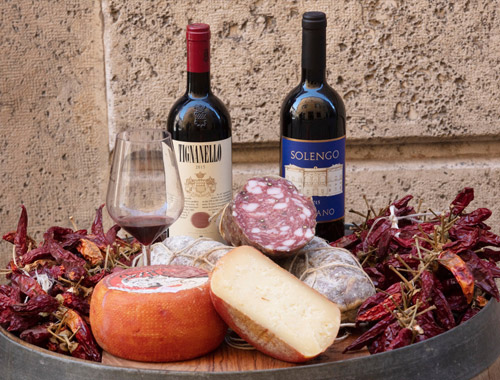
- Cinta Senese and Chianina meats – Local breeding of the ancient Cinta Senese pig (recognizable by its white band) produces excellent salumi: salami, ham, capocollo and finocchiona with intense flavour . The area is also home to Chianina cattle, known for the “bistecca fiorentina”; try Chianina stew or sliced beef with rocket and pecorino .
- Pecorino cheeses – Sheep‑milk cheese is a Tuscan pride and takes on particular aromas here thanks to wild herbs in the clay pastures . Try fresh primosale, semi‑aged pecorino and aged cheeses matured in clay pits or under ash. Pecorino delle Crete is often served with honey or onion jam .
- Traditional peasant dishes – Restaurants and trattorias serve homemade pasta: pici, hand‑rolled thick spaghetti often dressed with tomato and local garlic (aglione) or with crumbs of toasted bread . Another humble, tasty first course is ribollita or bread soup made with stale bread, cavolo nero, beans and mixed vegetables . In Buonconvento and the Val d’Arbia you’ll find Scottiglia, an ancient mixed meat stew cooked slowly in tomato and served on toasted bread ; also try pappardelle alla lepre (pasta with hare sauce) and seasonal dishes with porcini or summer black truffles .
- Sweets and baked goods – The Siena area is famous for its traditional sweets. In Buonconvento you can try copate senesi, a sort of soft nougat made of honey, nuts and candied fruit between wafer sheets ; cavallucci (spiced cookies with nuts and candied fruit) and cantucci to dip in Vin Santo are also common . Asciano has the rare panetto di Asciano, a sweet bread with raisins and nuts . Local bakeries still bake DOP Siena bread and delicious oil‑rich focaccia in wood‑fired ovens .
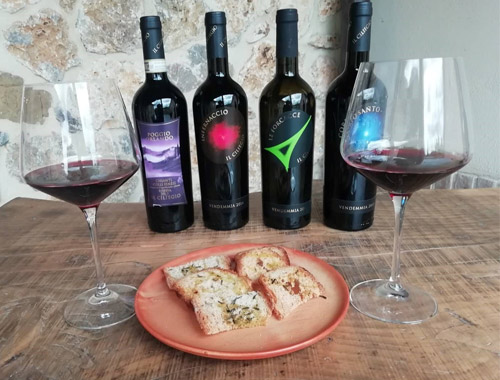
- Wine and olive oil – Buonconvento, Trequanda and San Giovanni fall under the Orcia DOC; taste a glass of Orcia Rosso DOC combining Sangiovese and local varieties . You’ll also find Chianti Colli Senesi DOCG and some whites like Bianco Val d’Arbia. Don’t miss Vin Santo with cantucci . Excellent extra‑virgin olive oil is produced here, notably Trequanda’s oil which has DOP recognition .
In general, the gastronomy of the Crete Senesi is sincere and seasonal. Every trattoria has a specialty: homemade pasta, grilled meats, fried artichokes – ask what’s good today and enjoy your meal at a leisurely pace, admiring the landscape that produced what’s on your plate . Consider dining at an agritourism; often the best dinners are in farm dining rooms where owners cook using their own products . Some offer experiences like olive harvests or truffle hunts followed by cooking a risotto together .
When is the best time to visit?
There isn’t a single “best period” – every season offers unique scenery . Broadly, spring and autumn are top choices.
- Spring (April–May) – The clay hills are covered with tender green wheat and wildflowers, creating a spectacular colour contrast . Temperatures are mild, the air is clear after rains and days lengthen . It’s ideal for trekking and photography; look for yellow mustard flowers in late April . Spring also brings festivals: in March the marzuolo truffle season, and around 25 April Chiusure hosts the Artichoke Festival . It’s also a good time for olive oil tastings .
- Summer (June–August) – Summer is the season of the “yellow moon.” Wheat ripens and is harvested in early July, leaving hay bales and golden stubble . The landscape becomes a palette of ochre and beige and, as summer advances, cracks accentuate the desert‑like look . Long sunny days are perfect for early‑morning photography (often there is mist in the valleys) . July and August are very hot (over 30 °C); plan hikes in the early morning or at sunset and spend afternoons relaxing or at the Rapolano baths . Summer is lively with evening events: patronal festivals in late June, “Threshing under the Walls” at Buonconvento in July and wine festivals in August . August is also time for meteor showers – the Crete are perfect for stargazing .
- Autumn (September–November) – Rain in September refreshes the hills after the summer; autumn ploughing paints waves of brown earth and returns the characteristic grey‑brown colour . Temperatures are pleasant and tourist numbers decrease . October is ideal for trekking, photography and participating in grape and olive harvests . The highlight is the White Truffle Fair in San Giovanni d’Asso on the second and third weekends of November . Buonconvento and neighbouring towns also host the “Crete d’Autunno” festival with excursions and gastronomic evenings . November can be chilly and some attractions have reduced hours .
- Winter (December–February) – The least touristic season but with special charm. Hills may be dusted with snow, creating postcard views . On clear days the cold air offers exceptional visibility – you might even see snow‑capped Mount Amiata . Days are short and some agritourisms close in January, but Siena and larger towns offer services and warm museums and wine cellars . December sees villages decorated for Christmas; Buonconvento has Christmas events all month . New Year’s Eve at the Rapolano baths is a special experience . If you seek peace and lower prices, winter may be right for you – just be prepared for uncertain weather and reduced activities .
In conclusion, you can visit the Crete Senesi year‑round. Spring and autumn offer pleasant weather and events; summer is great if you enjoy heat and long evenings (avoid midday sun); winter suits those seeking quiet and atmospheric scenes . Each month has its charm – what matters is to have realistic expectations (for example, some agritourisms are closed in winter, or you should avoid midday hikes in July) and plan accordingly . A table summarising the main seasonal events helps plan your visit .
How to get to the Crete Senesi
Despite being rural and partly remote, the area is easily reached via Siena, which acts as the main gateway .
By car
Driving is the most convenient and flexible way to explore the Crete. From Siena it takes about 30–40 minutes to reach Asciano, Buonconvento and Rapolano . The main roads are the SS2 Cassia toward Buonconvento and the SP438 Lauretana toward Asciano . If coming from the north (Florence), you can take the Siena–Florence motorway link; from the A1 motorway exit at Valdichiana‑Bettolle and follow the Bettolle–Siena connection to Serre di Rapolano . From the south (Rome) take the A1 to Chiusi‑Chianciano Terme or Valdichiana, or follow the more scenic SS2 Cassia through the Val d’Orcia . Once in the villages, parking is generally easy – small towns have free car parks just outside the historic centres . Driving lets you cover large distances and stop for photos whenever you like, but the roads are narrow and winding, so drive cautiously .
By train
Two secondary railway lines cross the area: Siena–Grosseto (with stops at Monteroni d’Arbia and Buonconvento) and Siena–Chiusi (with stops at Asciano and Rapolano Terme) . Regional trains are infrequent but can work if you don’t have a car: Siena–Buonconvento takes about 25 minutes and Siena–Asciano about 30 minutes . From the stations you must walk or take a taxi to the centres. The train suits day trips (for example, morning from Siena to Buonconvento and back in the afternoon) . Occasionally the historic Treno Natura steam train makes tourist circuits between Siena, Asciano and the Val d’Orcia . Note that not all locations are served by rail and schedules are limited .
By bus
Tiemme operates several extra‑urban bus lines linking Siena to the Crete Senesi . Key routes are 112 (Siena–Taverne d’Arbia–Asciano–San Giovanni d’Asso–Torrenieri), 113 (Siena–Asciano–Rapolano Terme–Serre di Rapolano) and 114 (Siena–Monteroni d’Arbia–Buonconvento–Montalcino) . Buses are aimed at commuters and students, so schedules are concentrated in the morning and afternoon . They can be useful for linear hikes: arrive by bus and return by train, or vice versa . Bus travel lets you enjoy the scenery without driving and gives the chance to chat with locals, but an auto remains the most practical way to explore deeply .
Organised tours and other transport
Guided tours from Siena in minivans or buses combine visits to villages like San Gimignano, Montalcino and Pienza with the Crete Senesi . Wine tours to Montalcino often pass through Asciano or Buonconvento with photo stops . Such tours are convenient if you don’t want to drive on unfamiliar roads; ask your hotel to recommend local operators . Visitors arriving from abroad without a car usually fly into Florence or Pisa and then travel to Siena by bus or train; once in Siena you can rent a car or rely on public transport .
A table summarising distances and travel times from Siena is helpful for planning :
| Route | Distance (from Siena) | By car | Public transport |
|---|---|---|---|
| Siena – Asciano | ~30 km | ~40 min via SP438 | Regional train 26‑30 min (Siena–Chiusi line); Bus 113 ~50 min |
| Siena – Buonconvento | 30 km | ~30 min via SS2 Cassia | Regional train 25 min (Siena–Grosseto line); Bus 114 ~1 h 15 min |
| Siena – San Giovanni d’Asso | ~44 km | ~1 h via SP34 | Bus 112 ~1 h 20 min (limited) or combination of bus 112 and train via Buonconvento |
| Siena – Rapolano Terme | ~30 km | ~30 min via SS73/E78 | Regional train 45‑50 min (Siena–Chiusi line); Bus 113 ~1 h |
| Siena – Monteroni d’Arbia | 15 km | ~20 min via SS2 Cassia | Bus 114 ~30 min; Train 15 min (Siena–Grosseto line) |
| Asciano – Monte Oliveto Abbey | 10 km | ~15 min via SP451 | Requires private transport, taxi or ~2 h on foot |
Where to stay when exploring Siena and the Crete Senesi
After full days spent among villages and landscapes, it’s important to have a convenient base. Staying in Siena itself is a smart choice because the city is immediately north of the Crete Senesi and centrally located for visiting both the city and countryside . The article recommends the Hotel Minerva as a perfect base.
Why choose Hotel Minerva?
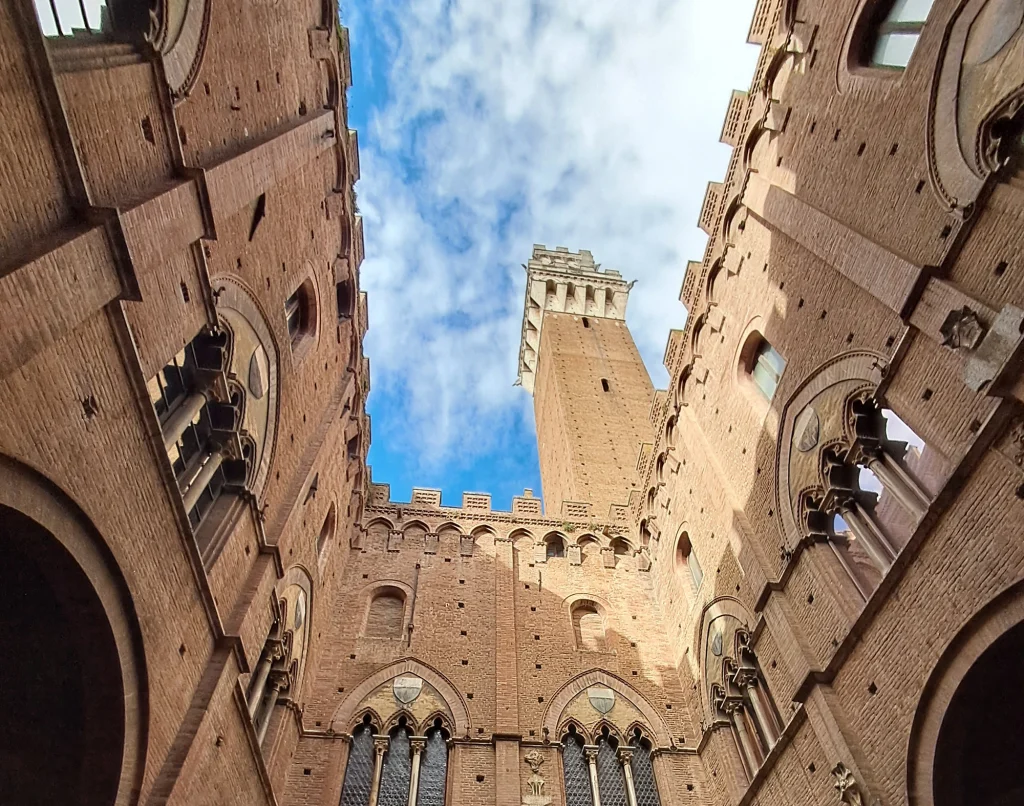
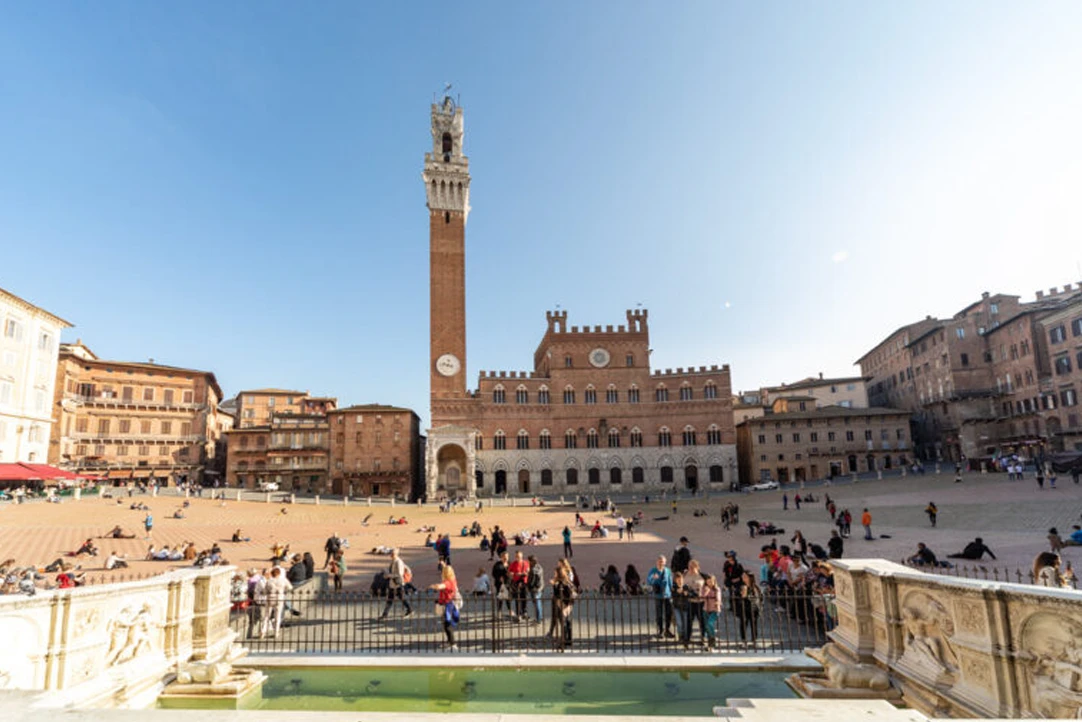
Located inside Siena’s medieval walls but just outside the ZTL (limited traffic zone), the three‑star Hotel Minerva is easily reachable by car without special permits . It has a private, video‑supervised car park, so you can park and explore Siena on foot . From the hotel it’s 10–15 minutes’ walk to Piazza del Campo, the Cathedral and other attractions . Being so close allows you to experience Siena’s magic at all hours: admire the Torre del Mangia illuminated at night or enjoy the Duomo early in the morning . The hotel’s position also makes it easy to drive out toward the Crete or Chianti without crossing the city centre .
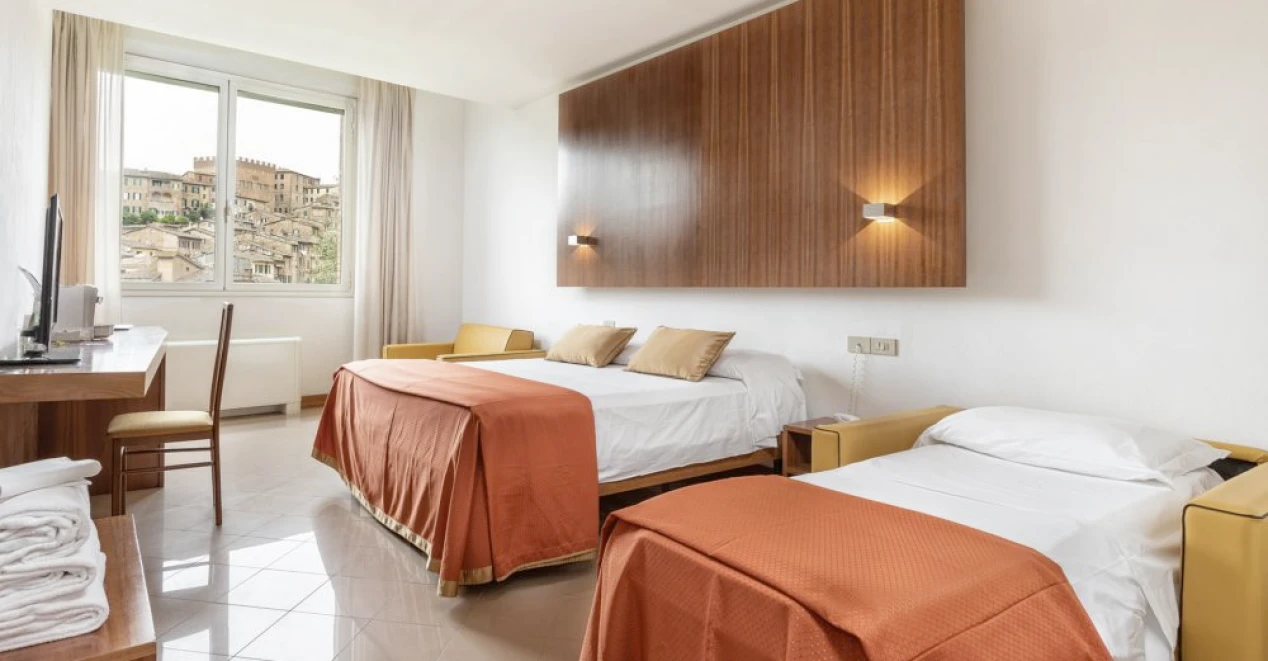
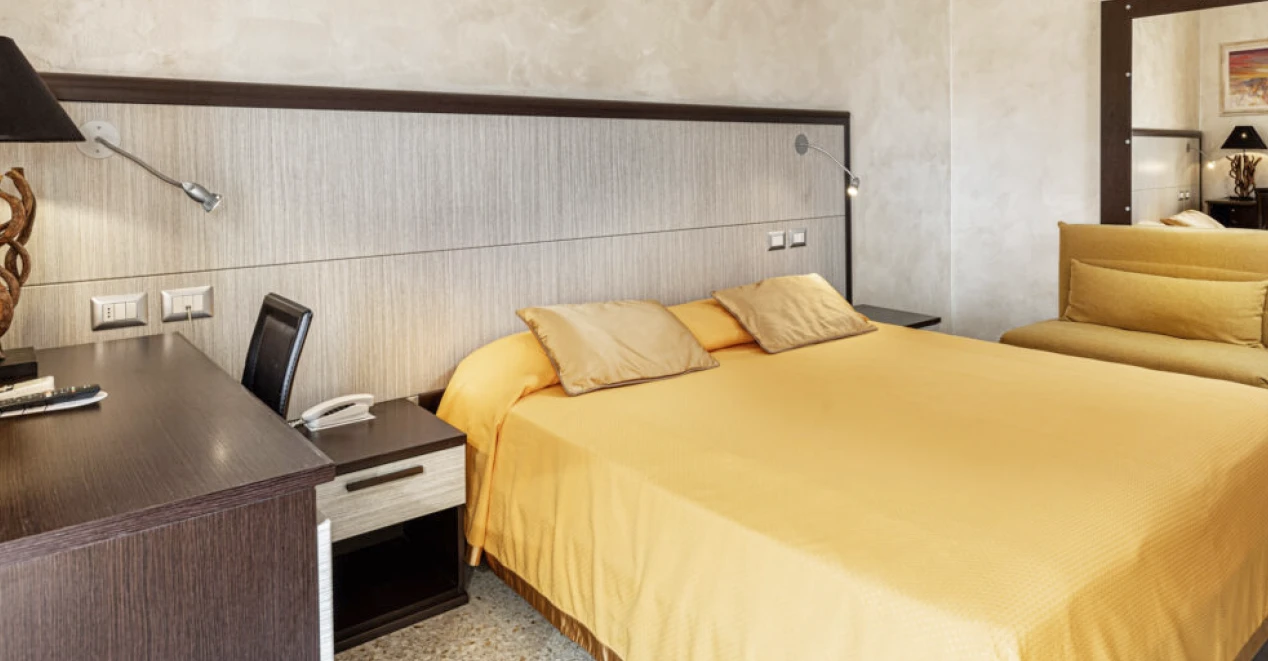
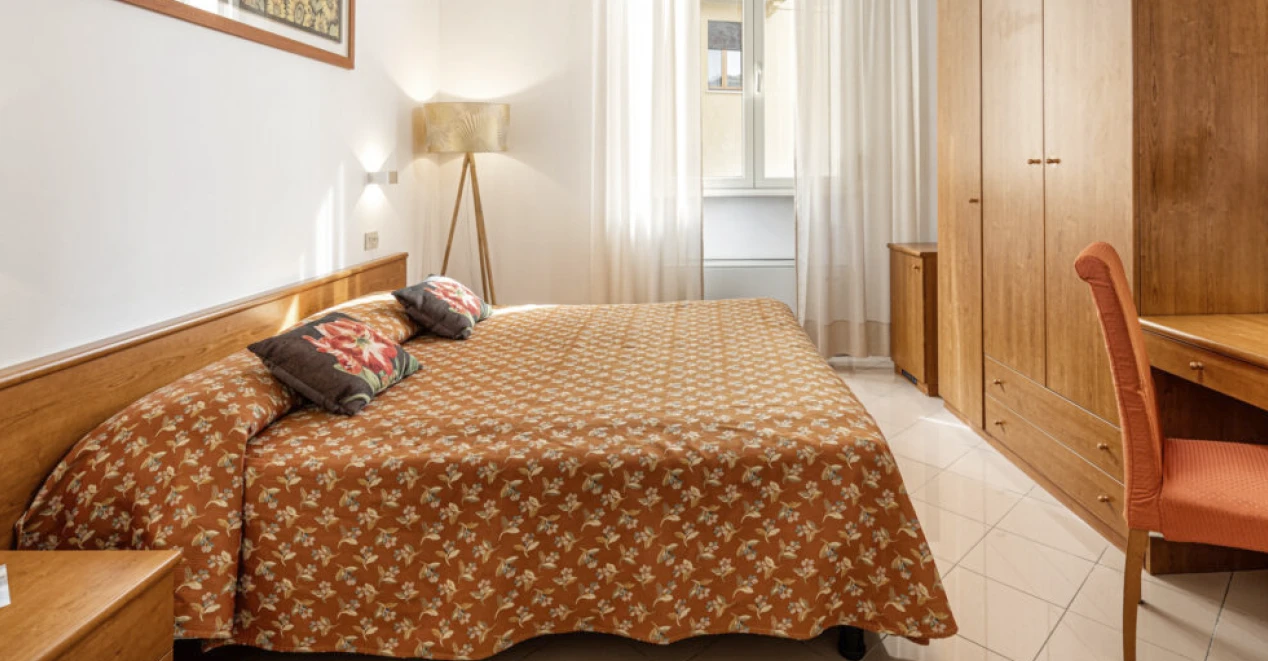
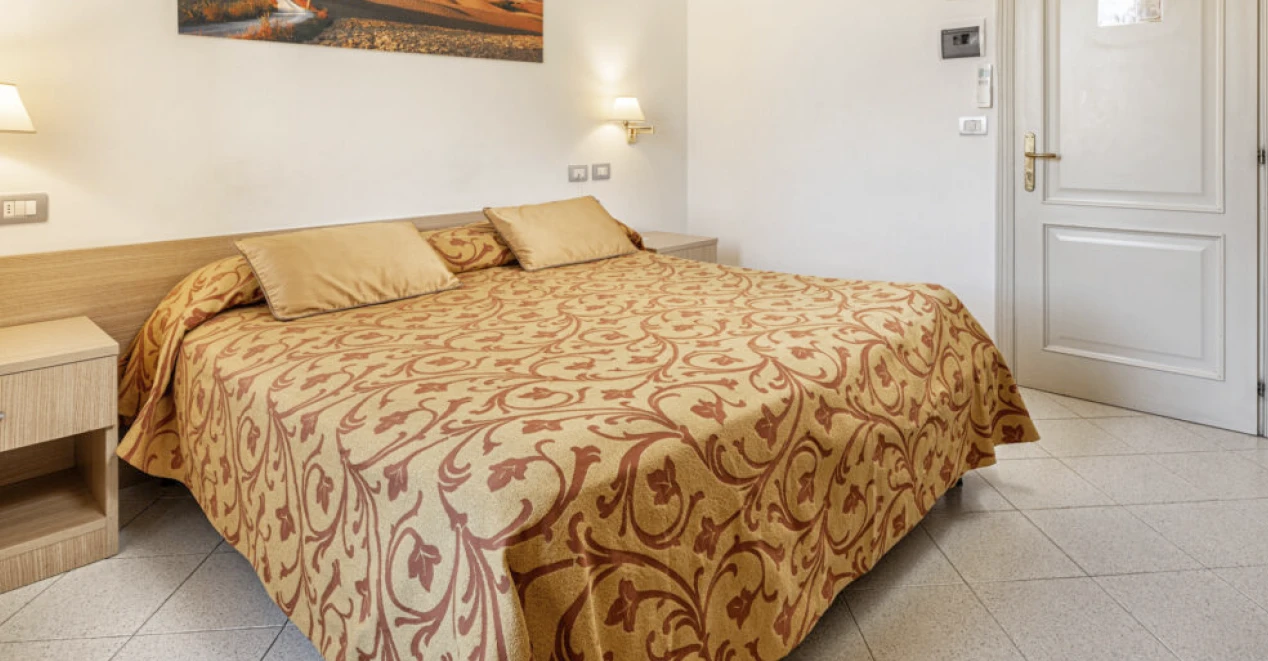
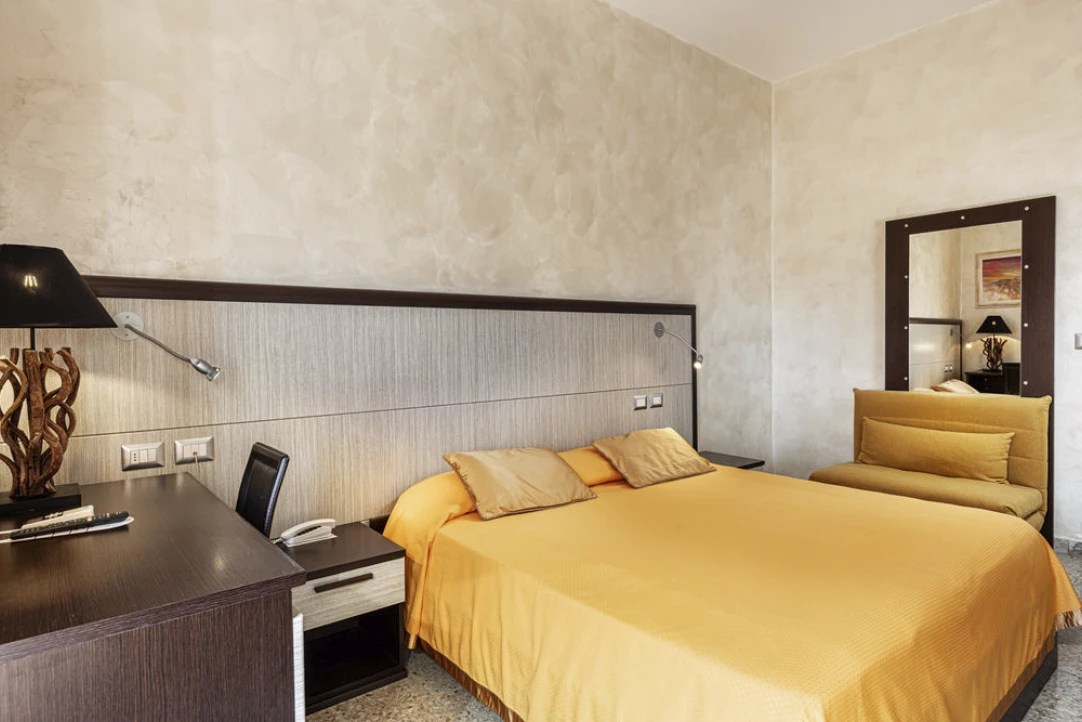
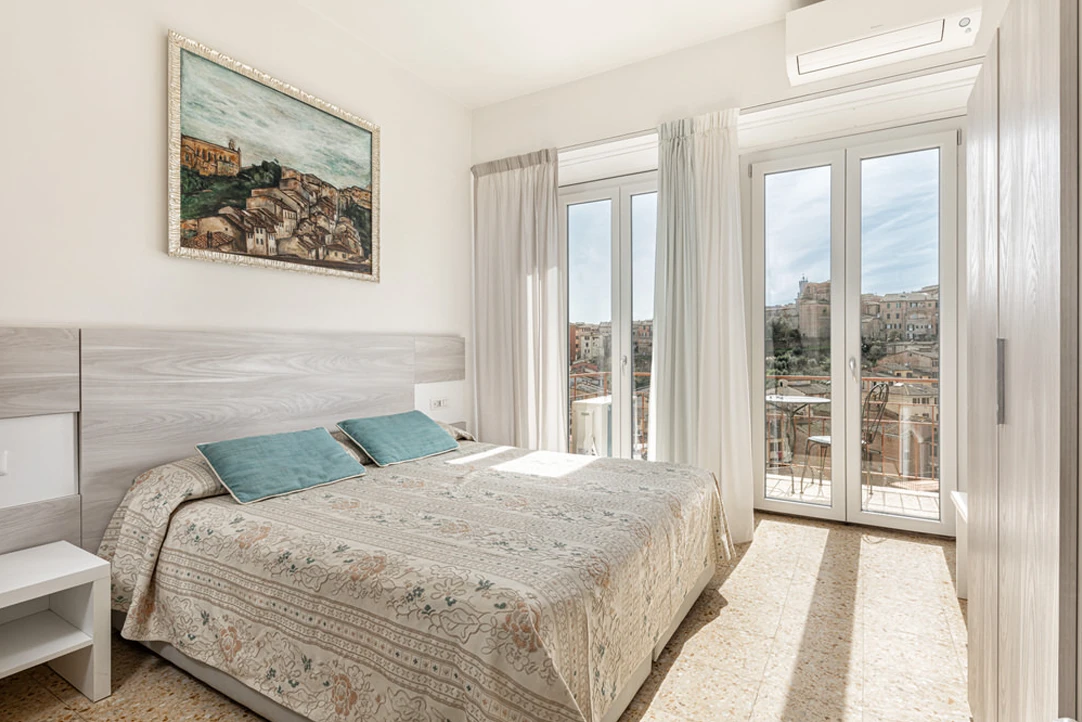
Hotel Minerva combines authentic charm (terracotta floors, exposed beams and local art) with modern services. It has 56 air‑conditioned rooms of various types – from functional Easy Economy rooms to Superior and Elegant rooms with views over Siena’s rooftops, and spacious Junior Suites with panoramic terraces . Many rooms enjoy a splendid view of the city . The hotel provides a 24‑hour multilingual reception ready to give insider tips on secret itineraries, romantic restaurants or events . Staff can help organize wine tastings, horse riding or cycling trips in the surrounding hills . For cyclists the hotel offers secure bike storage and a small workshop area .
Breakfast is a highlight: a rich continental sweet and savoury buffet with homemade cakes, croissants, Tuscan bread with jam, local cold cuts and cheeses . In good weather you can breakfast outdoors in the panoramic garden, watching the sun light up Siena’s towers . Room service breakfast is also available for a small supplement . The hotel offers a bar, relaxing lounges, a panoramic garden and fast fibre Wi‑Fi throughout . Families appreciate spacious rooms, cribs, highchairs, bottle warmers and a small play area; the nearby Orto de’ Pecci park with farm animals is ideal for children .
In short, Hotel Minerva combines strategic location, comfort and authentic hospitality. After exploring the Crete or Siena’s museums you can stroll to a local osteria, return to the quiet hotel and be ready the next morning for another adventure . Booking is easy: contact the hotel by phone (+39 0577 284474) or email (info@albergominerva.it) or check availability on their website, where there are often special offers and packages .
Conclusion
A trip to the Crete Senesi nourishes the eyes, spirit and palate. From the clay soil that speaks of ancient seas to villages that recall rural life, to authentic flavours born of these hills – everything contributes to making your visit unforgettable . Use this guide as a starting point, but also let curiosity guide you: stop at that isolated little church not marked on maps, chat with shopkeepers and sit on a farmhouse wall to watch the sunset . The Crete Senesi must be experienced slowly, savouring every detail . In the evening, back in Siena at Hotel Minerva, look through your photos and appreciate how much beauty and serenity you accumulated in just a few days . Enjoy your journey through this secret and marvellous corner of Tuscany!