
Introduction: Piazza del Campo and its joyful fountain
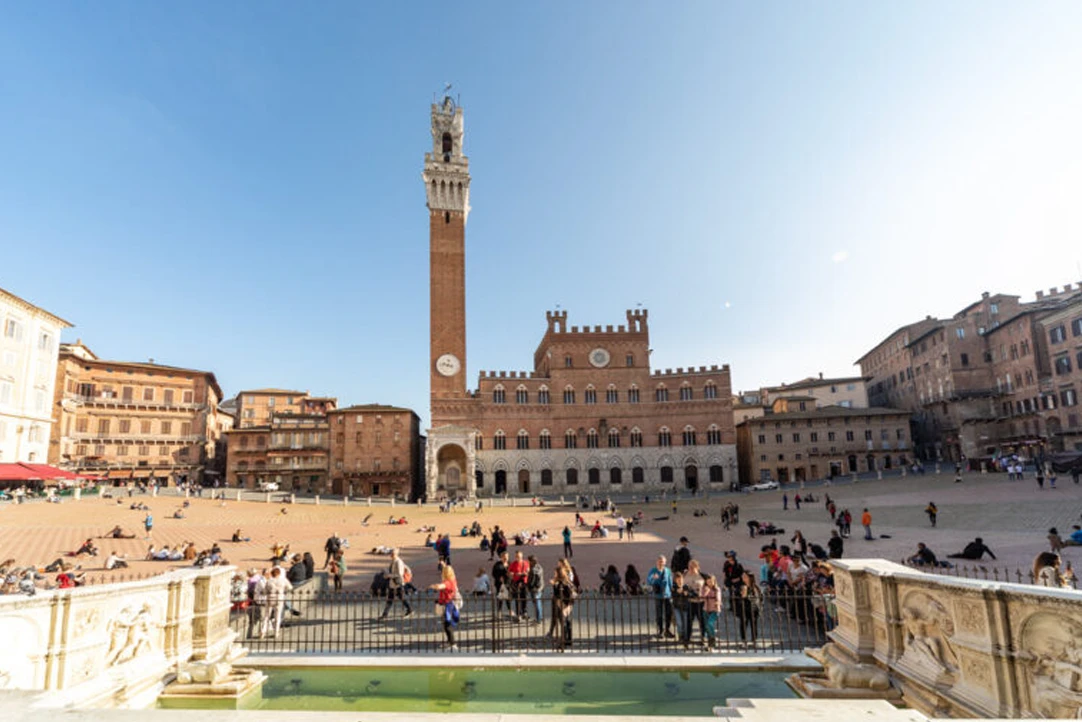
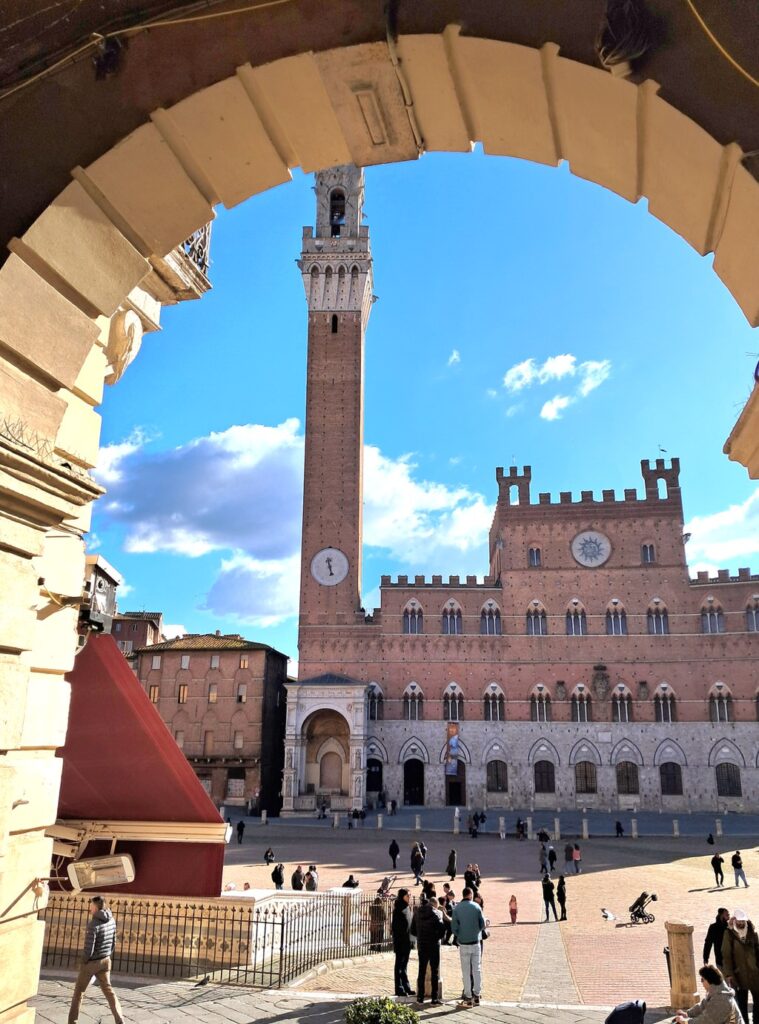
Piazza del Campo, the gently sloping shell‑shaped square at the heart of Siena, is famous as the setting of the Palio, the horse race between the contrade. At the top side of the square, in front of the Palazzo Pubblico, stands the Fonte Gaia. The name, which can be translated as “Joyous Fountain,” recalls the exuberant joy that erupted in 1346 when water first flowed into the square through a medieval aqueduct . Since then the fountain has served as a civic symbol of Siena and a meeting place for citizens and visitors. This guide retraces the fountain’s history, describes its artistic features, collects anecdotes and curiosities, answers frequently asked questions and suggests an itinerary for exploring Siena starting from Piazza del Campo. The nearby Hotel Minerva, situated inside the city walls, is proposed as a convenient base for visiting the fountain and other sights .
History of the fountain
Origins (14th century)
Siena’s hilly position meant the city had no surface water; during the Middle Ages the Sienese built an ingenious system of underground tunnels known as Bottini to channel spring water into the city. In 1346, after years of work, water finally flowed into Piazza del Campo and the first public fountain was installed. The elated townspeople named it “Fonte Gaia” (“joyful fountain”), a reference to their happiness at having fresh water in the centre . The first fountain was likely a simple basin supplied by the spring water, but it immediately became a civic symbol .
Jacopo della Quercia’s monument (1409–1419)
By the end of the 14th century the municipality decided that the city’s main fountain should be worthy of its setting. In 1409 the sculptor Jacopo della Quercia received the commission to create a new monument . He spent roughly a decade on the project, and in 1419 the marble fountain decorated with reliefs and statues was inaugurated . Chroniclers described it as one of Siena’s most beautiful monuments and a secular “altar” at the heart of civic life .
Decay and Palio accidents
The fountain was carved from local stone from the Montagnola Senese. Although aesthetically pleasing, this marble is porous and deteriorates easily . Weathering, constant use and occasional damage took their toll; by the 18th century the reliefs had eroded . During the 1743 Palio an onlooker climbed onto the statue of Rea Silvia to see the race better, causing it to collapse; both the sculpture and the spectator fell, and the man died . This tragic accident further convinced the Sienese that the fragile monument needed protection.
Nineteenth‑century replacement (1859–1869)
In the mid‑19th century the municipal authorities opted to replace the crumbling Renaissance fountain with a faithful copy carved in more resilient Carrara marble. The commission went to the Sienese sculptor Tito Sarrocchi in 1859 , and after a decade of work the new fountain was inaugurated in 1869 . A decorative iron railing designed by architect Giuseppe Partini was installed around the basin to protect the monument . The new fountain was positioned slightly more centrally in the square for aesthetic and functional reasons .
What happened to Jacopo’s original?
The original 15th‑century sculptures were removed and stored. In 1904, during an exhibition of Sienese art, the surviving pieces were displayed in the Loggia dei Nove in the Palazzo Pubblico’s courtyard . Exposure to the elements continued to damage them, and it was only in 1989 that a thorough conservation project began. Over twenty years the Opificio delle Pietre Dure of Florence cleaned, consolidated and studied the marble fragments . Around 2010 the restored reliefs and statues were finally placed in a protected, climate‑controlled gallery inside the Museo di Santa Maria della Scala opposite the Duomo . Visitors can now admire the original works alongside plaster casts and preparatory models .
The fountain today
The fountain in Piazza del Campo is therefore Tito Sarrocchi’s 19th‑century copy, maintained by the city. Regular cleaning and minor repairs keep it in good condition . During the Palio (2 July and 16 August) the water is drained and the monument is covered with wooden panels to protect it from horses and crowds . The fountain remains a beloved symbol of Siena and is particularly atmospheric at night when illuminated .
A quick chronology
| Year | Event |
|---|---|
| 1346 | First fountain installed; water reaches Piazza del Campo via the Bottini and the source is named “Fonte Gaia” . |
| 1409 | Municipality commissions Jacopo della Quercia to sculpt a monumental fountain . |
| 1419 | Jacopo completes the sculptural fountain and it is inaugurated . |
| 1743 | Accident during the Palio: a spectator climbs on the statue of Rea Silvia, causing it to break; he falls and dies . |
| 1859 | Decision to replace the deteriorated original with a Carrara marble copy, commission to Tito Sarrocchi . |
| 1869 | New fountain by Sarrocchi inaugurated and protective railing installed . |
| 1904 | Original sculptures moved to the Loggia dei Nove for exhibition . |
| 1989 | Start of comprehensive restoration of Jacopo’s originals . |
| c. 2009 | Restoration completed; originals transferred to Museo di Santa Maria della Scala . |
| Present | Sarrocchi’s copy stands in the piazza; original works are displayed in the museum . |
Artistic and architectural description
Structure and layout
The Fonte Gaia consists of a large rectangular marble basin open on the side facing the Palazzo Pubblico. The other three sides are enclosed by sculpted walls topped by the 19th‑century iron railing . The basin is slightly slanted following the slope of the piazza; the left side is slightly higher than the right . Originally people drew water from this basin for domestic use . Today water spurts from carved mouths and circulates in a recirculated system.
Reliefs and statues
- Biblical scenes on the side walls: The short lateral panels depict scenes from the book of Genesis: one shows the Creation of Adam, and the other the Expulsion of Adam and Eve from Eden . These scenes symbolise the beginnings of human history and the theme of original sin. Jacopo della Quercia carved them with remarkable naturalism and emotional impact .
- Statues on the front pillars: At each front corner, Jacopo placed statues of Rea Silvia and Acca Larenzia (the nurturing wolf figure). These figures recall the legendary founding of Siena by Senio and Ascanio (sons of Remus), linking the city to Roman myth . The original statues were destroyed or lost over time; Sarrocchi left their pedestals empty to avoid obstruction during the Palio .
- Central panel of virtues: The long rear wall is dominated by the Madonna and Child enthroned, Siena’s protectress. Surrounding her are allegorical female figures representing theological and cardinal virtues such as Faith, Hope, Charity, Prudence, Justice, Fortitude and Temperance . The ensemble reminded citizens of the moral values needed for good government . Jacopo’s treatment of the figures shows early Renaissance dynamism and naturalism . Traces of original polychromy suggest that the reliefs were once painted or gilded .
- Water‑spouting wolf heads: The water flows from the mouths of sculpted lupette (little she‑wolf heads) set at the base of the basin . They refer to the she‑wolf who nurtured Romulus and Remus and symbolise Siena’s origins. The combination of hydraulic function and mythological symbolism is typical of the fountain’s design .
Style and technique
Jacopo della Quercia’s sculptures mark a high point of Gothic art and anticipate the Renaissance. He arranged the subjects in triptych‑like panels but enlivened them with twisting poses and volumetric drapery . Later artists such as Donatello are thought to have studied these reliefs. When Tito Sarrocchi created the copy, he reproduced the shapes faithfully but subtly adjusted some details to 19th‑century taste .
The Bottini – the subterranean aqueduct
The Fonte Gaia is fed by the Bottini, a network of tunnels carved through the tufa under Siena. The branch serving the fountain, called the Bottino di Fonte Gaia, brings spring water from sources north‑west of the city . These tunnels extend for over 25 km and rely on gravity, a remarkable medieval engineering feat . Guided tours of the Bottini allow visitors to walk through sections of the aqueduct, including the section that feeds the fountain . Tours must be booked in advance and require protective gear .
Curiosities and lesser‑known facts
- The meaning of “Gaia” – The name derives from the joyous celebrations when water first flowed into the square in 1346 . “Gaia” means cheerful or festive in ancient Italian.
- An altar‑like design – The fountain’s monumental rectangular form resembles an altar; Jacopo deliberately created a “secular altar” where the Madonna and Virtues replace saints .
- Sienese heraldry – Reliefs include Siena’s coat of arms (the black‑and‑white balzana) and emblems of the city, linking the work explicitly to the civic community .
- Fontanini of the contrade – In addition to the Fonte Gaia, each of Siena’s 17 contrade has its own small fountain decorated with its animal symbol . These fontanini are used for contrada baptisms and are lovingly maintained.
- Protection during the Palio – During the Palio the fountain is drained and covered with padded panels to prevent horses or crowds from damaging the marble . After the race it is uncovered and the water flows again.
- Droughts and turmoil – In dry summers of the 18th century the fountain sometimes stopped flowing, causing panic; prayers and processions were organised to plead for rain . During the 1555 siege of Siena, the fountains were guarded because the enemy tried to poison or dry up the water .
- Literary and artistic inspiration – Travellers and artists have praised the fountain’s beauty. In 1739 Charles de Brosses called it “a reliquary in the middle of a vast square” . Nineteenth‑century paintings of the piazza often include the white silhouette of the fountain among the market crowds .
Frequently asked questions (FAQ)
Where is the Fonte Gaia? It stands at the centre of Piazza del Campo, on the upper side opposite the Torre del Mangia. As the only fountain in the square, it is easy to spot . The piazza is a pedestrian zone accessible on foot from any point in the historic centre.
Why is it called “Fonte Gaia”? The name commemorates the joy of the Sienese when the first fountain began to supply water in 1346 .
Who built the fountain? The monumental fountain was designed and sculpted by Jacopo della Quercia between 1409 and 1419 . The simpler predecessor dates from 1346. The fountain seen today is the 19th‑century copy by Tito Sarrocchi .
Are the sculptures original? No. The sculptures visible in the piazza are Sarrocchi’s 19th‑century replicas . The surviving 15th‑century originals by Jacopo are preserved in the Museo di Santa Maria della Scala .
Where can I see the original sculptures? The restored originals are displayed in a dedicated section of the Museo di Santa Maria della Scala in Piazza Duomo. Visitors can also see Sarrocchi’s plaster models and 19th‑century casts . Admission to the museum costs around €9 and the opening hours are generally 10:00–19:00 in high season; closed on Tuesdays in winter .
How much does it cost to visit the Fonte Gaia? Nothing – it is an outdoor monument accessible at all times . Only during the days around the Palio might access to the centre of the piazza be restricted .
Can you drink the water? Historically people drew drinking water from the fountain, but today it recirculates in a closed circuit and is not considered potable . Do not fill your bottle or immerse your hands and feet; use modern drinking fountains nearby .
Where does the water come from? It originates from springs in the Montagnola Senese hills and flows through the Bottini to the fountain . A modern supply supplements the flow to maintain consistency .
Can you visit the Bottini? Yes. Guided tours of sections of the Bottini, including the main branch feeding the fountain, are organised by the municipality and must be booked in advance . Visitors wear helmets and boots and explore the humid tunnels while learning about medieval hydraulic engineering .
What figures are represented? The fountain features the Madonna and Child flanked by Virtues, biblical scenes of Creation and Expulsion, the she‑wolf heads and, originally, statues of Rea Silvia and Acca Larenzia . Each conveys moral or mythological messages: virtues remind of good government, Genesis scenes recall humility and redemption, and the wolf figures symbolise Siena’s founding .
When is the best time to see the fountain? Early morning (before 9:00) and late evening are the most atmospheric moments: the piazza is quieter, the low sunlight highlights the reliefs and the fountain is beautifully illuminated at night . Midday and afternoon can be crowded and hot .
What else can I see nearby? The fountain stands in the UNESCO‑listed historic centre. Within minutes you can visit the Palazzo Pubblico and its Museo Civico with masterpieces by Simone Martini and Ambrogio Lorenzetti , climb the Torre del Mangia for panoramic views , admire the Cappella di Piazza (a votive chapel built in 1352) , walk to the Duomo to see its striped façade and marble floor , explore the Museo di Santa Maria della Scala where the original fountain sculptures are housed , and visit other sites like the Pinacoteca Nazionale, Basilica di San Domenico, and Orto de’ Pecci . The central location makes it easy to plan a full day of sightseeing.
Is the area pedestrianised? How do I reach Piazza del Campo? The entire historic centre, including Piazza del Campo, is a pedestrian zone . Visitors arriving by car must park in one of the nearby car parks (e.g., Santa Caterina or San Francesco) and walk into the centre . From the Hotel Minerva, it takes about 15 minutes on foot to reach the piazza . Comfortable footwear is recommended on the hilly, cobbled streets .
Are there other fountains like Fonte Gaia? Siena has many medieval fountains, such as Fontebranda (north‑west in the Oca contrada), Fonte Nuova d’Ovile, Fonte di Follonica and Fonte di San Maurizio . However, none match Fonte Gaia’s ornate decoration or central location. The city is sometimes called the “city of 100 fountains”; there is also a Museo dell’Acqua outside Porta Bobolina dedicated to Siena’s water history .
Suggested walking itinerary: exploring Siena from the Fonte Gaia
The article proposes a full‑day walking itinerary starting from the Hotel Minerva that covers Siena’s highlights and suggests places to eat and relax. The schedule below is flexible and can be adapted to individual interests.
- 9:00 – Breakfast at Hotel Minerva and walk to Piazza del Campo: After a hearty breakfast at the hotel, stroll through Via Garibaldi and the picturesque lanes towards Piazza del Campo. The walk takes about 15 minutes and offers glimpses of artisan shops and medieval towers .
- 9:15 – Piazza del Campo and Fonte Gaia: Upon entering the square, head straight to the fountain to admire the morning light on the marble and take photos . Sit on the bricks and soak in the atmosphere while noticing the palazzi and the towering Palazzo Pubblico .
- 9:45 – Palazzo Pubblico and Museo Civico: Visit the civic museum to see the Sala del Mappamondo with Simone Martini’s Maestà and the Sala dei Nove with Lorenzetti’s Allegory of Good and Bad Government . Allow at least an hour for the museum.
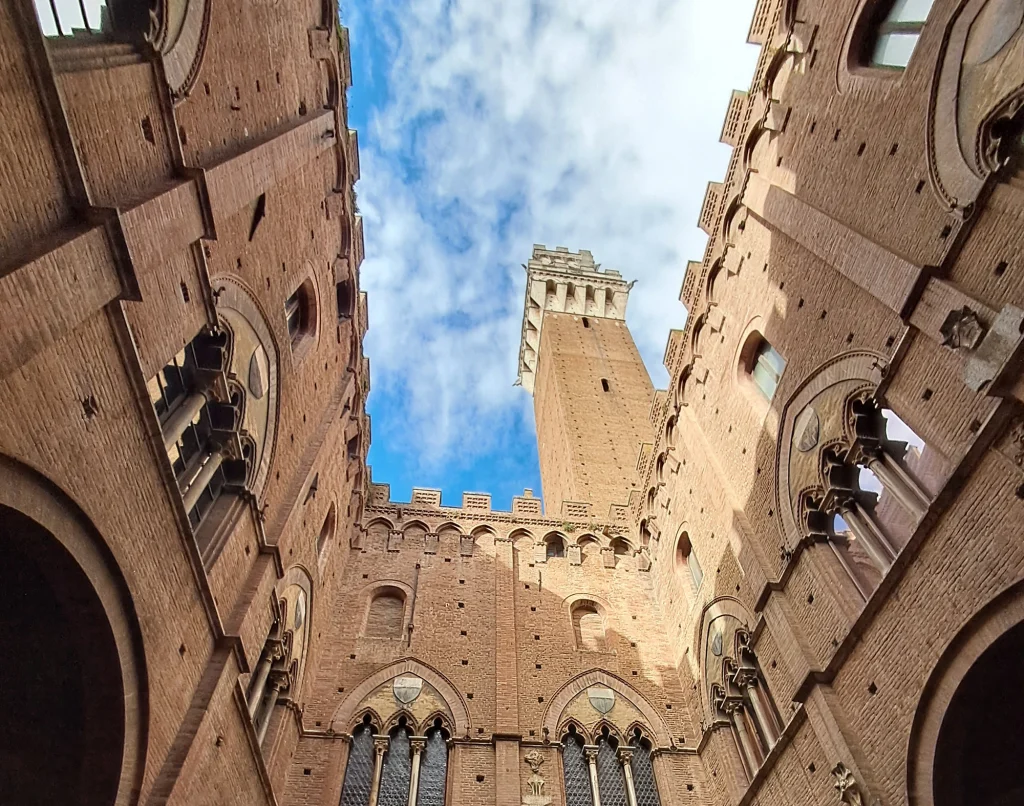
- 11:00 – Climb the Torre del Mangia (optional): For those comfortable with heights and stairs (~400 steps), the 88‑metre tower offers a 360° view of the city and surrounding hills . Plan about 45 minutes for the climb and descent.
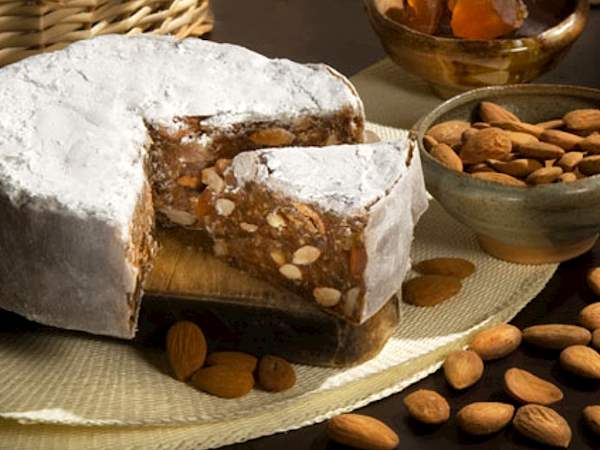
- 11:45 – Walk to the Duomo via Via di Città: This street is lined with noble palaces and shops; detour into local pastry shops to buy ricciarelli or panforte . Follow the signs to the cathedral, arriving around noon .
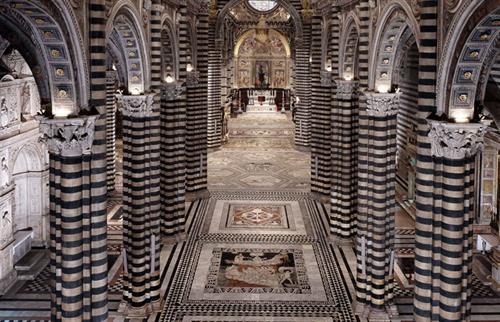
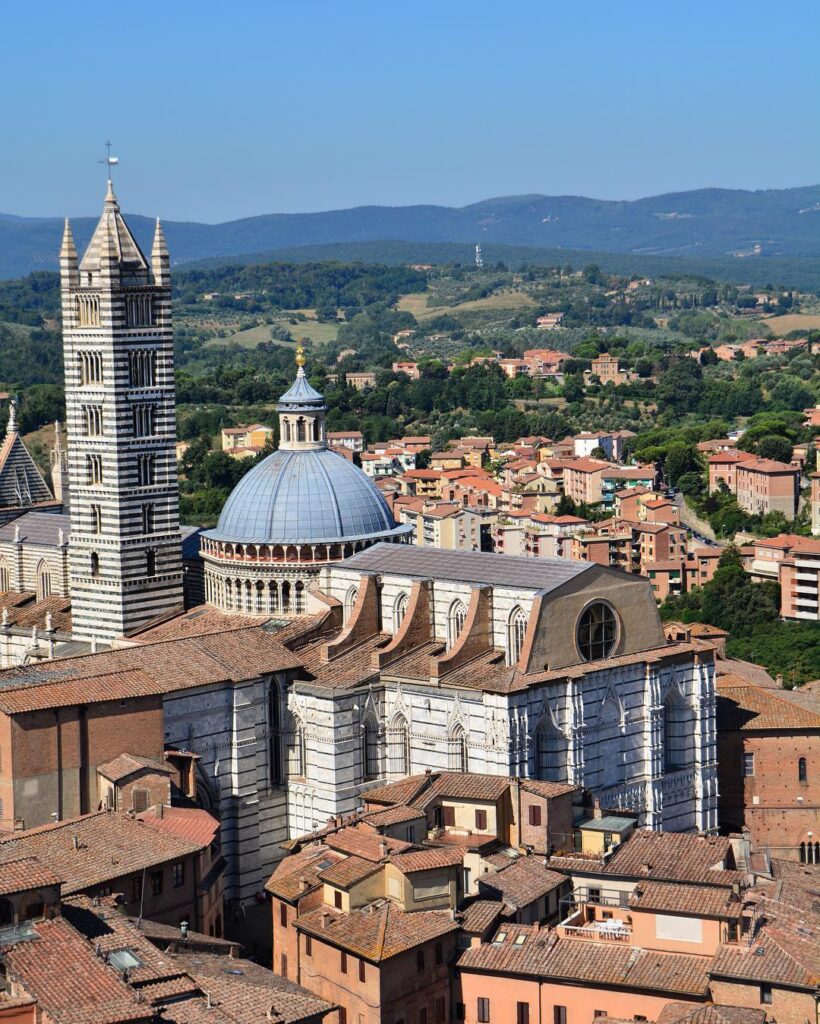
- 12:15 – Visit the Duomo: Spend an hour admiring the striped interior, the Piccolomini Library frescoed by Pinturicchio, Nicola Pisano’s pulpit, statues by Michelangelo, and (when exposed) the mosaic floor . The OPA SI Pass covers entry and may include the “Porta del Cielo” rooftop tour .
- 13:30 – Lunch near the Campo: Options range from restaurants with piazza views (more touristy) to excellent osterias hidden in nearby streets. The article recommends establishments such as PorriOne (creative cuisine), Osteria Boccon del Prete (rustic dishes), Trattoria da Dino (traditional Tuscan fare) and paninotecas for a quick bite .
- 15:00 – Afternoon activities: Spend the afternoon visiting sites you missed in the morning. Suggestions include returning to the Museo Civico or climbing the tower if not yet done, exploring the Museo di Santa Maria della Scala to see the original Fonte Gaia sculptures , relaxing in the Orto de’ Pecci for greenery and farm animals , shopping on Banchi di Sopra, or visiting the Pinacoteca Nazionale . Avoid over‑scheduling; allow time for gelato and a coffee break .
- 17:30 – Sunset viewpoints: Watch the sunset from the Fortezza Medicea (bastions with views and a wine bar) or from the belvedere near San Domenico . Both locations offer romantic vistas over Siena’s rooftops and the Duomo. The Orto de’ Pecci also provides a unique perspective .
- 19:30 – Dinner: Enjoy Tuscan cuisine at places like Antica Osteria da Divo (near the Duomo, carved into the tufa), Osteria Le Logge or Osteria La Chiacchera (both near the Campo), Trattoria La Torre or Ristorante Da Guido . Pair your meal with Chianti or Vernaccia and finish with cantucci and Vin Santo .
- 21:30 – Evening stroll and return: After dinner, wander through Siena’s illuminated streets, returning to Piazza del Campo to see the Fonte Gaia shining under the lights . Stroll back to your hotel via quiet lanes and enjoy the night view from your room .
Hotel Minerva: an ideal base
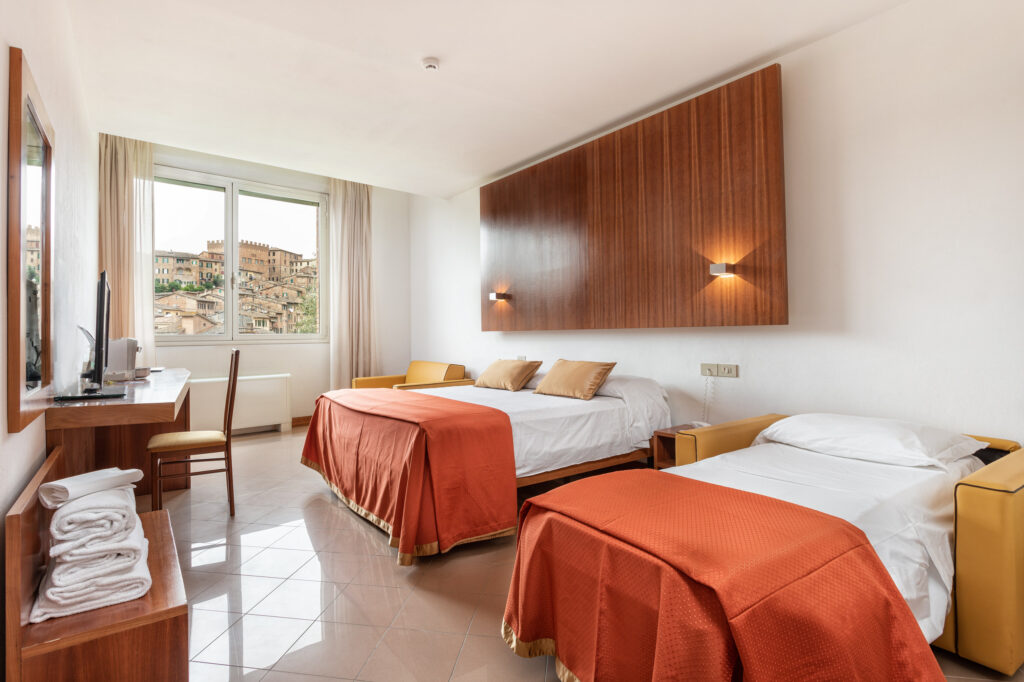
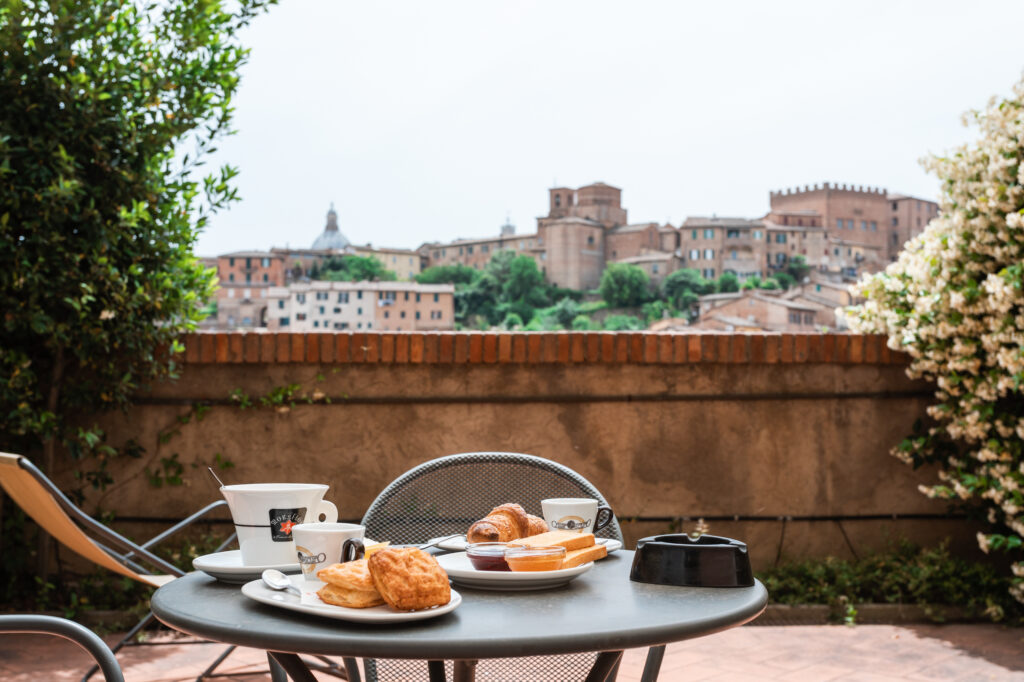
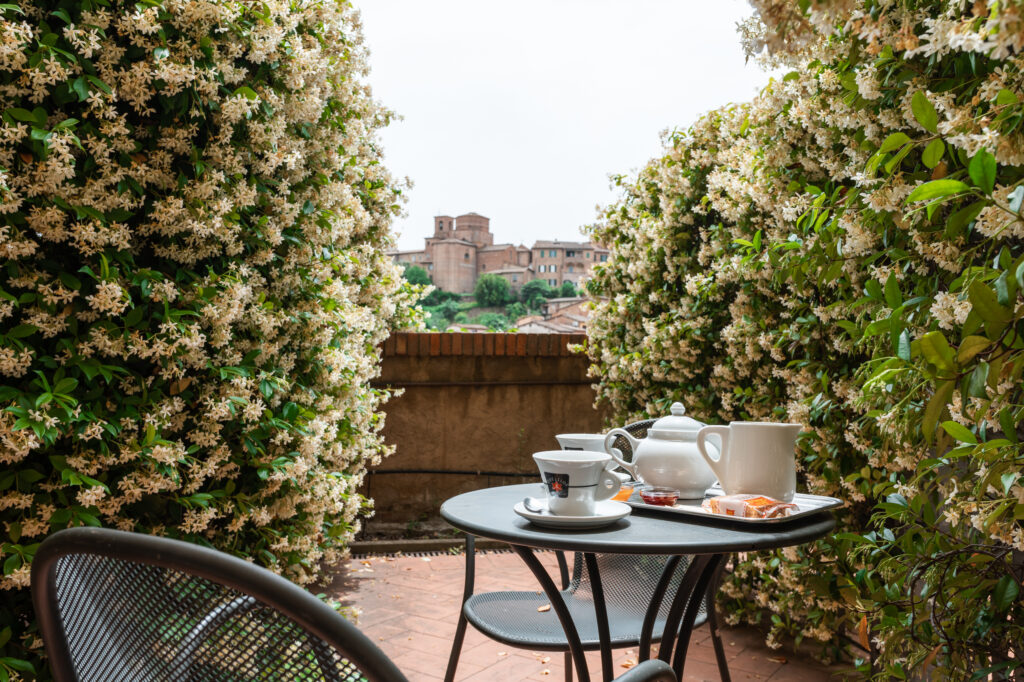
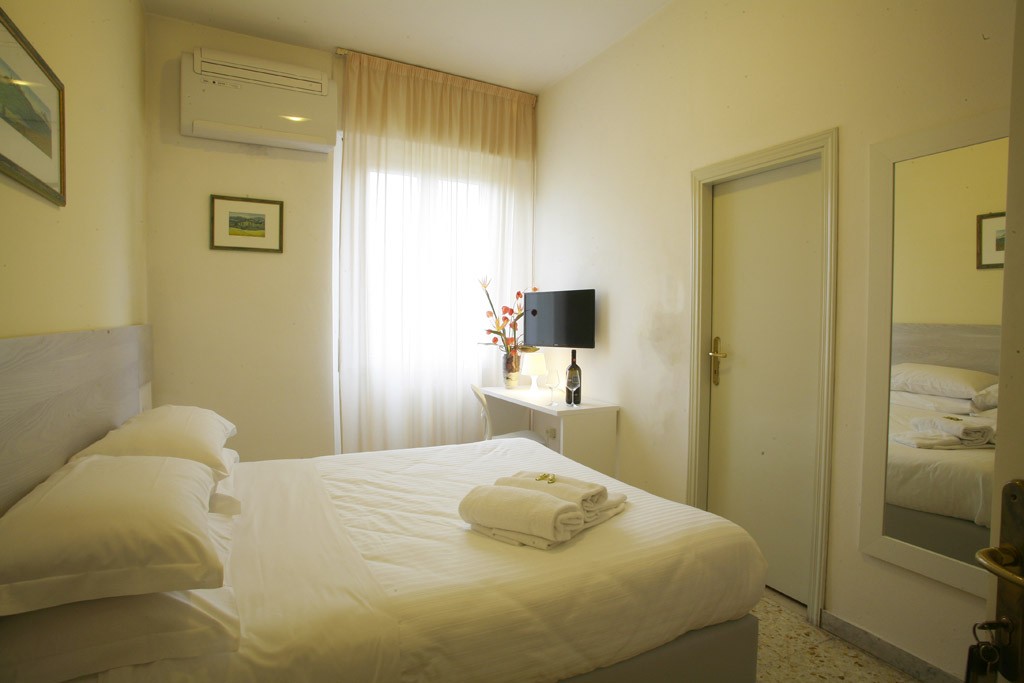
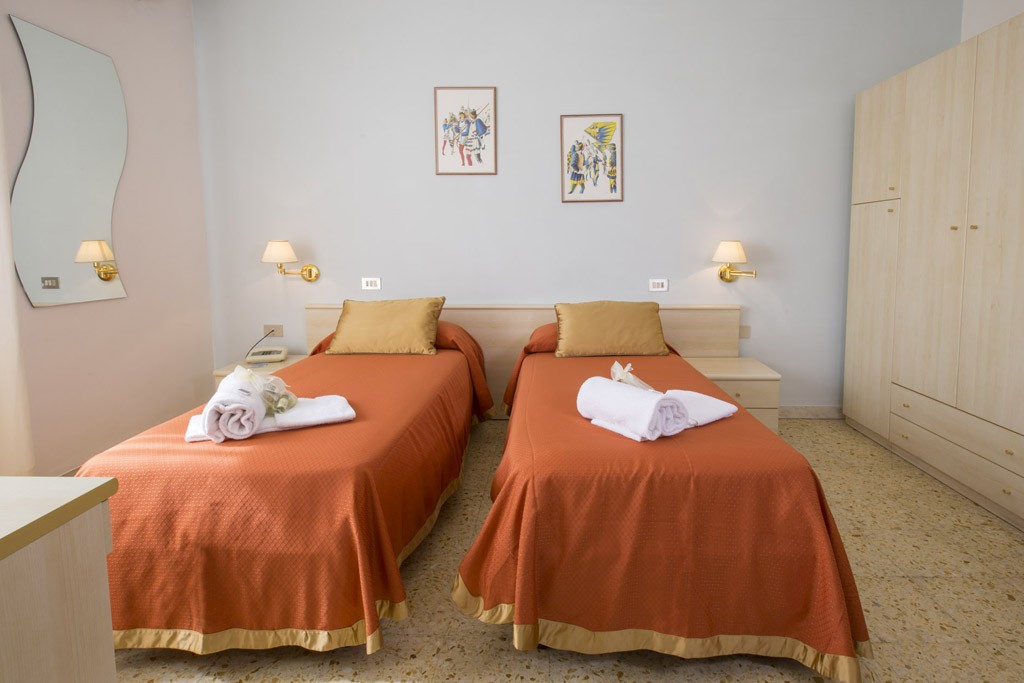
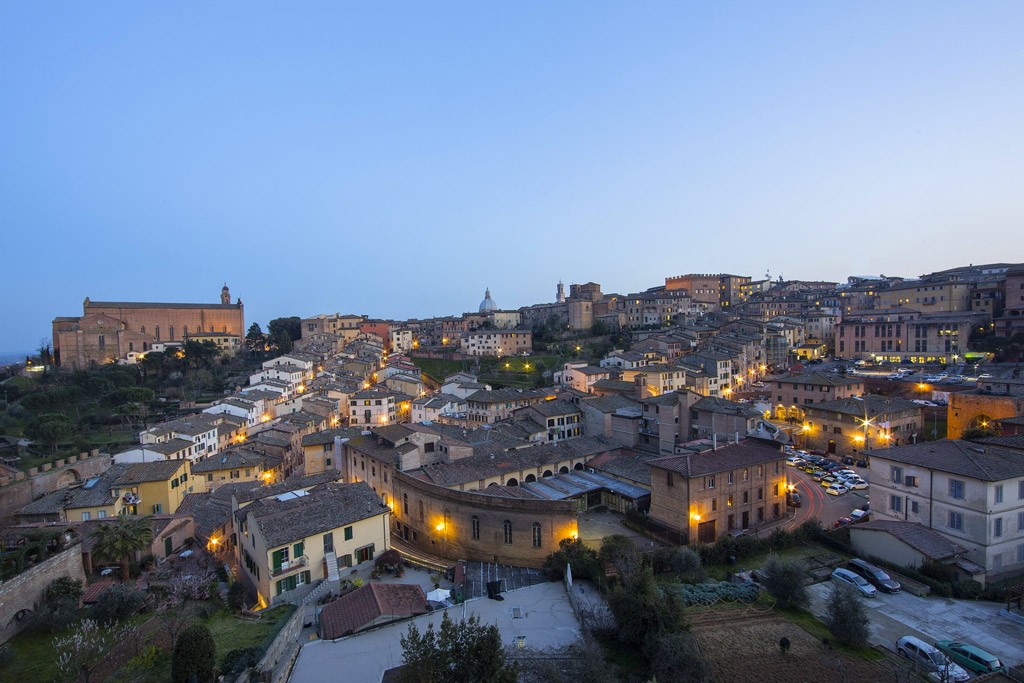
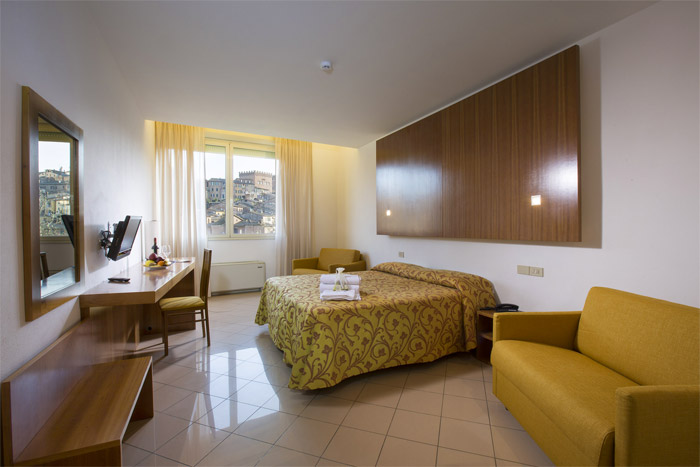
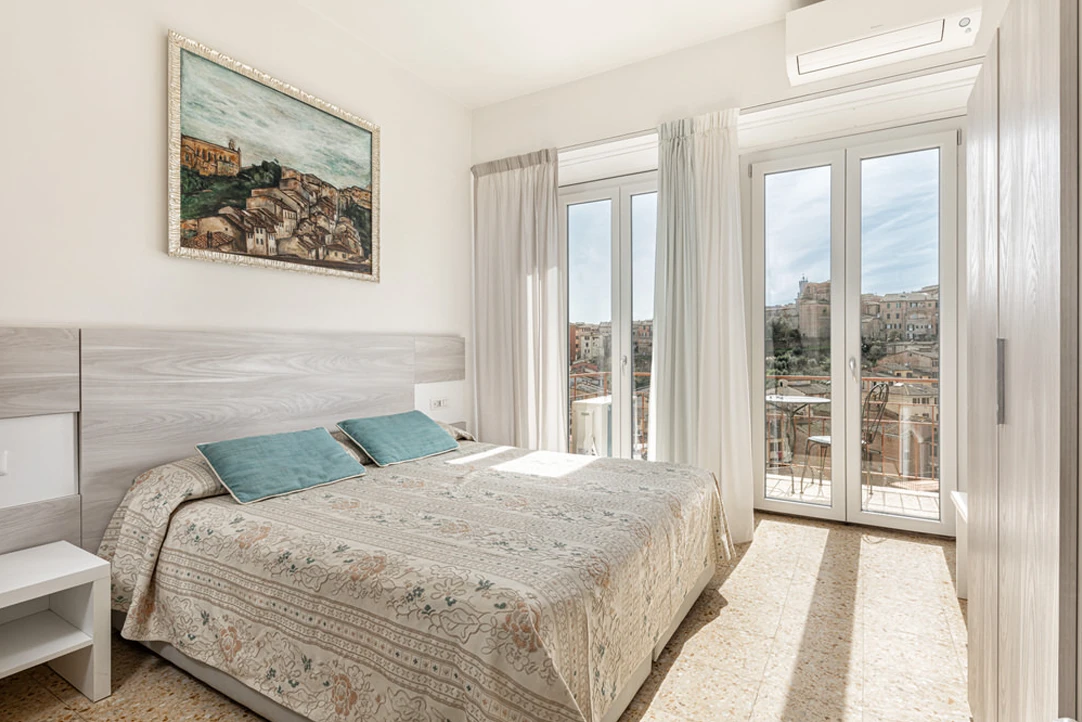
The guide highlights the Hotel Minerva as a strategic base for visiting Siena and the Fonte Gaia. Located at Via Garibaldi 72 inside the medieval walls but just outside the restricted traffic zone, the hotel is accessible by car. It offers a covered, video‑monitored garage with 20 parking spaces directly connected to the lobby . Once parked, guests can explore the city on foot: the Piazza del Campo is about 15 minutes away, the Duomo 17 minutes, and the Basilica of San Francesco or San Domenico around 10 minutes . This convenience allows visitors to return to their room during the hottest hours and venture out again later .
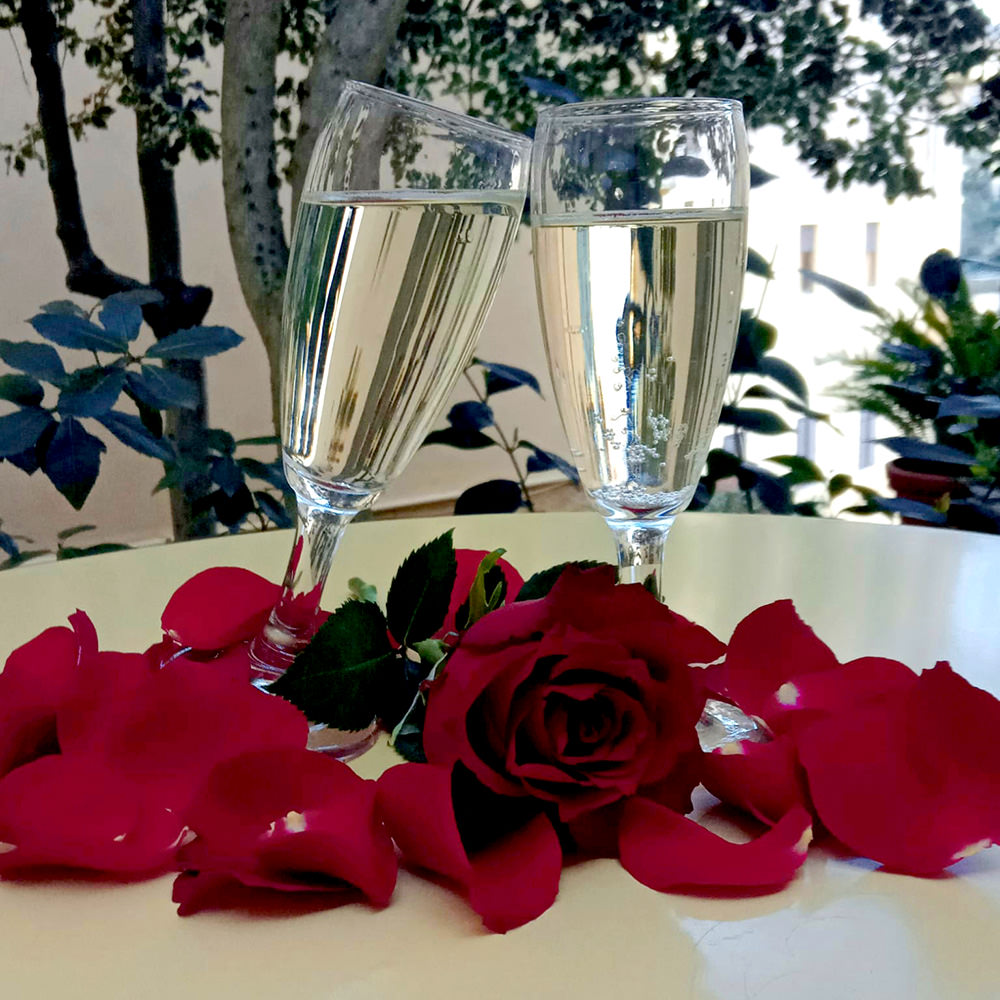
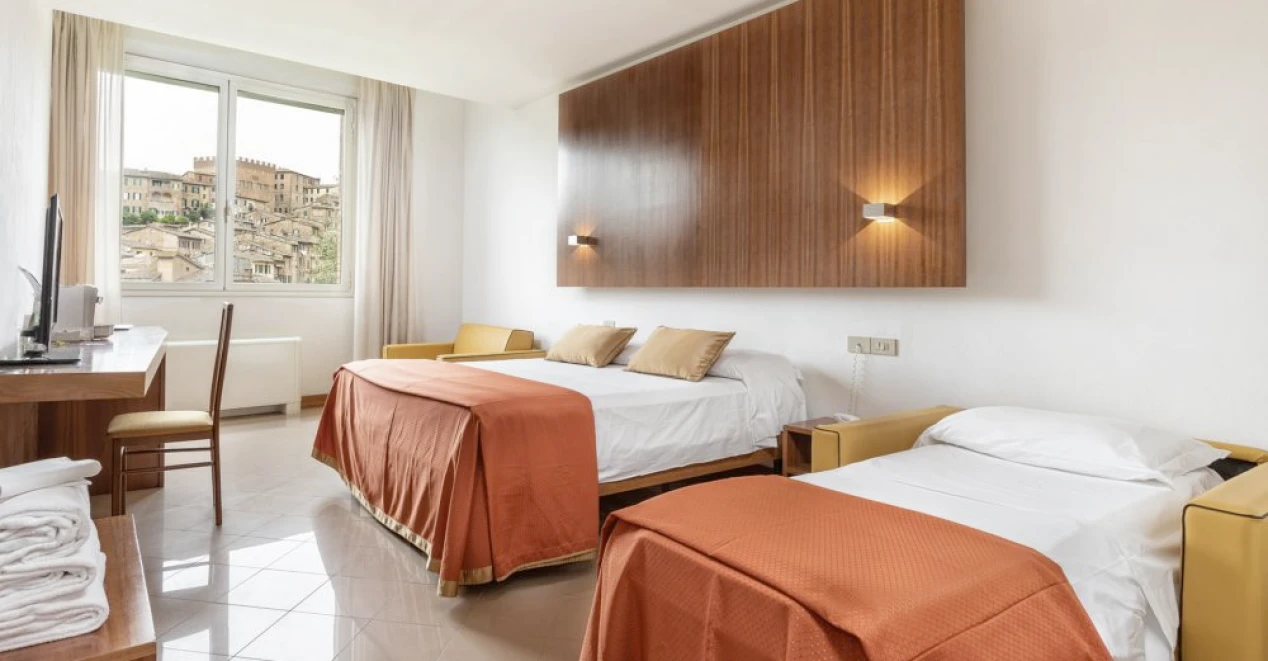
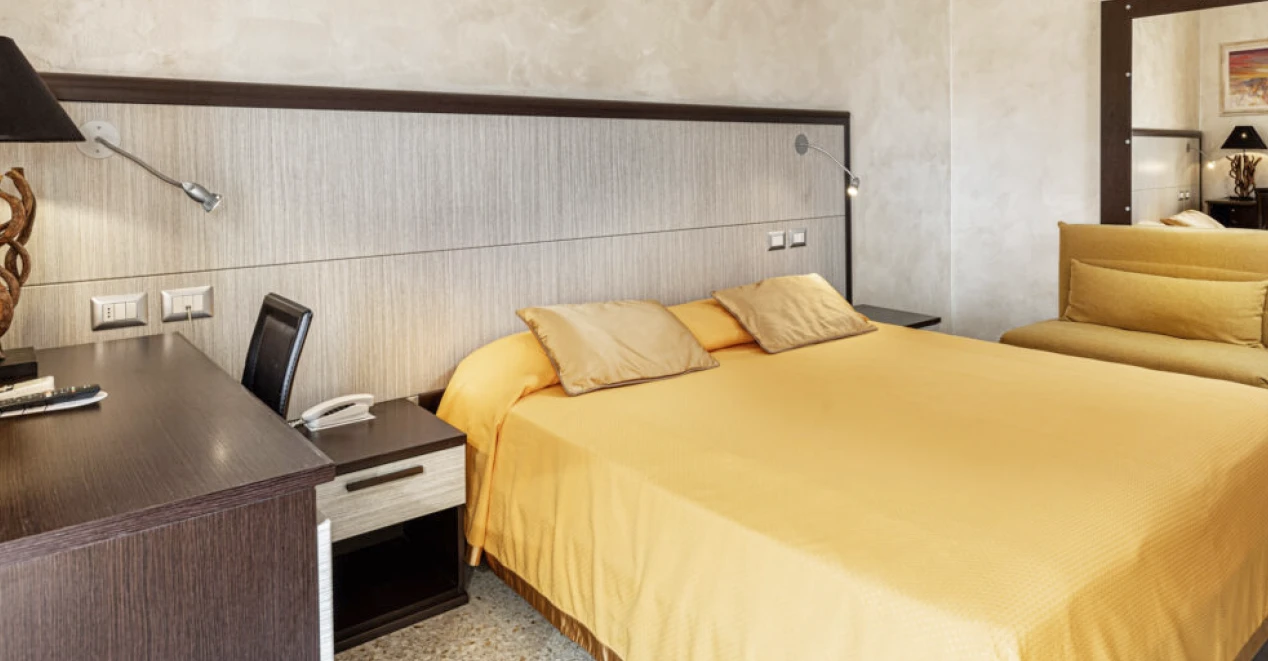
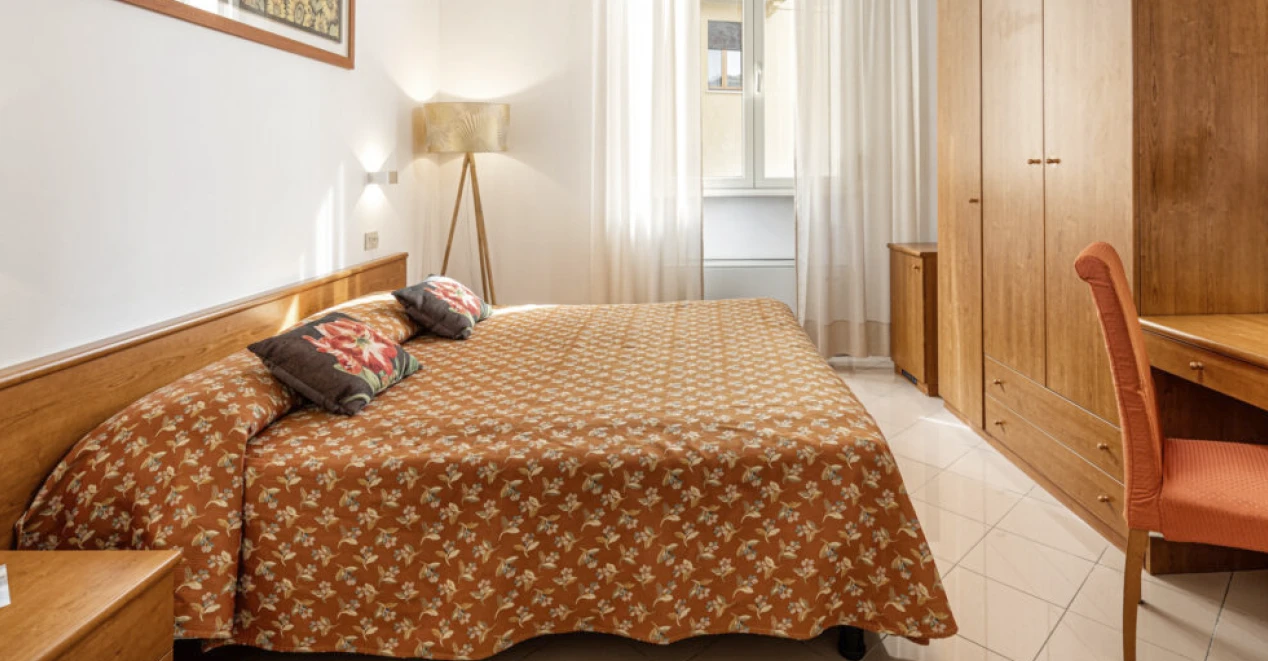
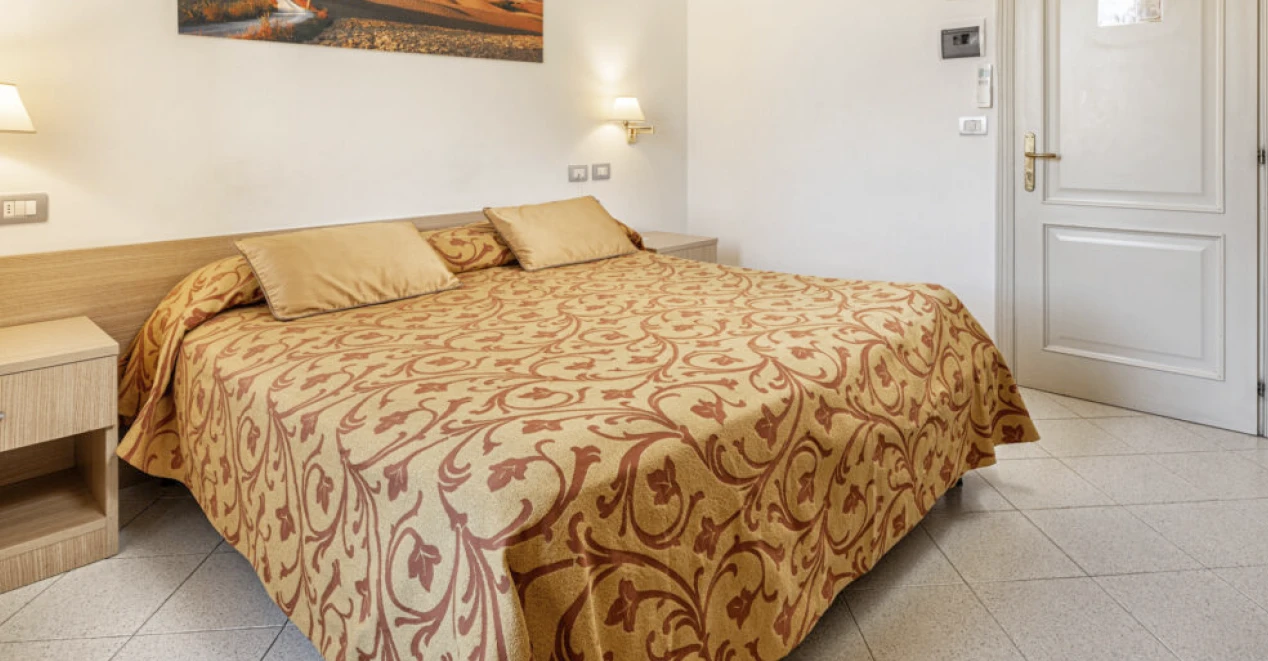
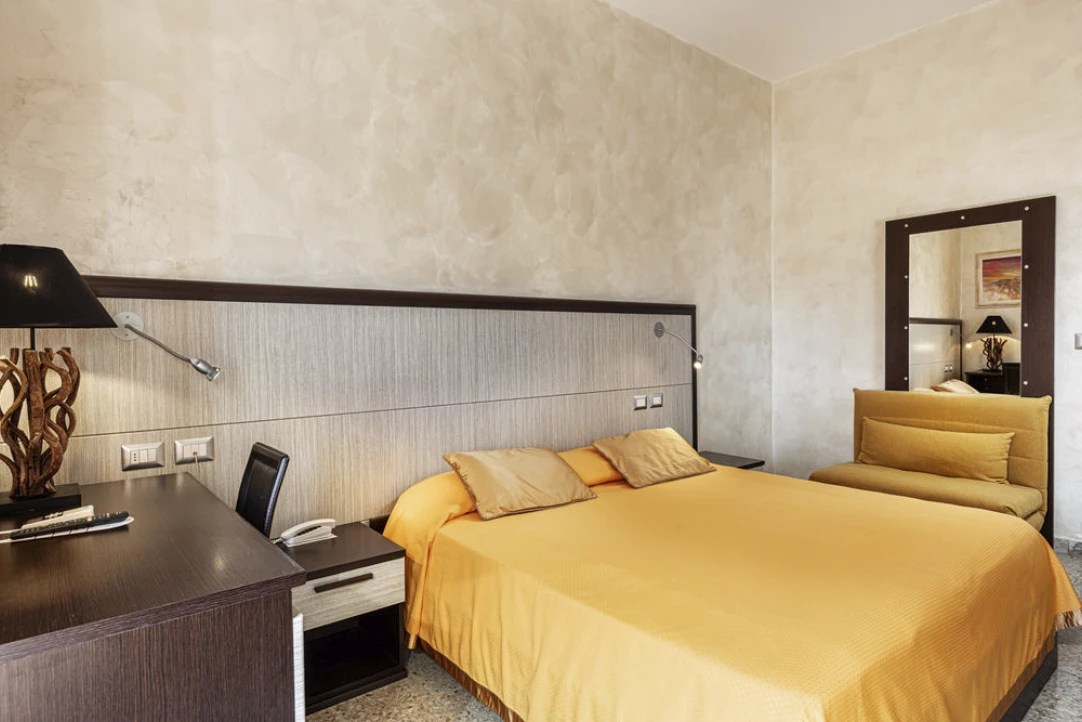
The hotel is a renovated three‑star property with 56 air‑conditioned rooms in categories from Easy Economy to Elegant Standard, Superior and Junior Suite . Many rooms offer panoramic views of Siena’s rooftops and towers . Amenities include free Wi‑Fi, television, minibar, 24‑hour multilingual reception and assistance with bookings . Guests enjoy a generous buffet breakfast, which can be taken in the inner garden in good weather . The hotel also has a small garden, comfortable common areas, meeting room for up to 40 people, and services for families (cots on request) . Couples can book romantic packages with wine and enjoy sunset views from their balcony .
A summary of the hotel’s features:
| Feature | Details and benefits |
|---|---|
| Location | Central, within the historic walls and ~15 min on foot from the Campo; just outside the ZTL so accessible by car . |
| Parking | Covered garage with 20 spaces, directly connected to the hotel . |
| Rooms | 56 air‑conditioned rooms across different categories (Economy, Standard, Superior, Junior Suite); many with panoramic views . |
| Services | 24‑hour reception, multilingual staff, abundant buffet breakfast, inner garden, bar, meeting room, laundry service, Wi‑Fi . |
| Family and couples | Family rooms and cots available; romantic packages for couples; peaceful garden and panoramic balconies . |
| Neighbourhood | Authentic quarter with nearby restaurants, playgrounds and the Orto de’ Pecci; close to major sights . |
| Booking advantages | Direct booking on the hotel’s website offers the best rates and seasonal offers (e.g., Palio packages, museum discounts) . |
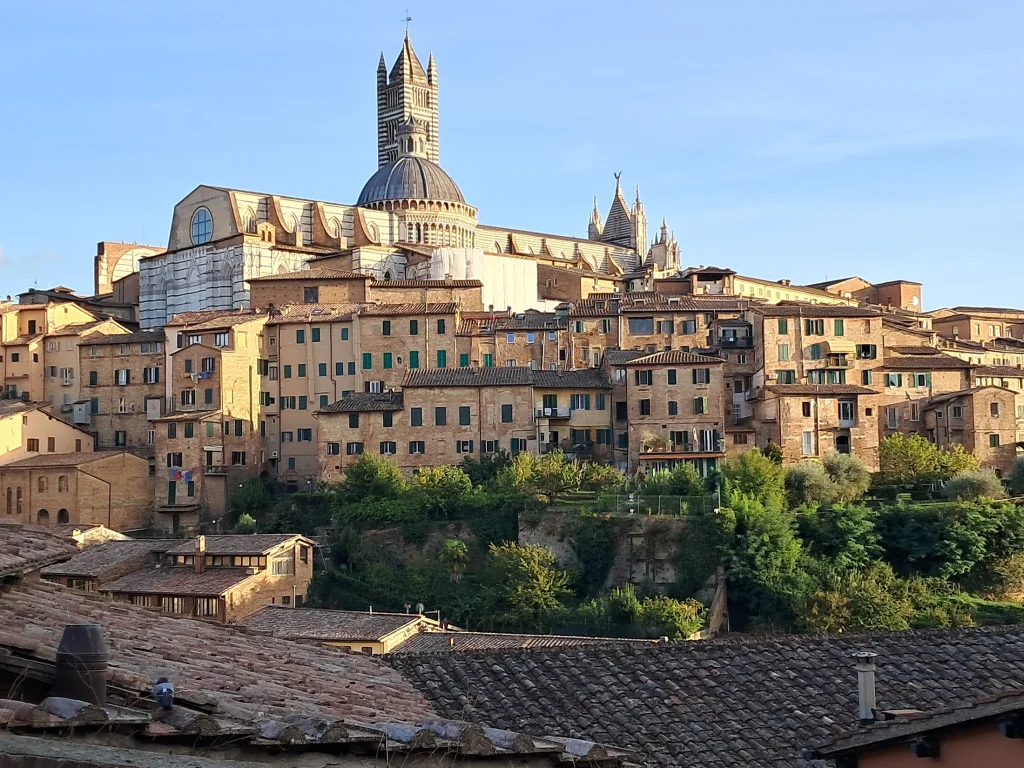
Hotel Minerva serves as an excellent base not just for Siena but also for day trips to the Chianti, Montalcino, Montepulciano, San Gimignano and other Tuscan destinations . The staff can provide maps and arrange excursions . Guests appreciate the warm, attentive hospitality and the view of Siena’s skyline from their rooms .
Conclusion
The Fonte Gaia is more than a fountain: it encapsulates Siena’s ingenuity, faith and civic pride. From its origins as a solution to water shortages to its transformation into a sculptural masterpiece, every relief and spout tells part of the city’s story. The fountain’s name, reliefs and legend connect daily life with myth, religion and governance. Though the marble you see today dates from the 19th century, the spirit of Jacopo della Quercia’s work endures, with the original pieces safeguarded in the museum. Sitting on the bricks of Piazza del Campo at dawn or dusk, listening to the water and watching the city’s life swirl around the basin, you can feel the timeless heartbeat of Siena . Choosing a comfortable and centrally located base such as Hotel Minerva allows travellers to explore this heritage with ease, returning to rest with views of towers and rooftops . Whether you follow the itinerary provided or craft your own, a visit to the Fonte Gaia and its surroundings promises memories of art, history, flavours and conviviality.