
Introduction
San Quirico d’Orcia is a jewel in the heart of Tuscany, nestled amid the enchanted landscapes of the Val d’Orcia. This small medieval village offers a journey back in time through stone lanes, Romanesque churches and Renaissance gardens, all framed by rolling hills dotted with iconic cypresses and vineyards . The surrounding panorama – declared a UNESCO World Heritage Site in 2004 – provides breathtaking vistas in every season , while the village itself, perched on a hilltop, retains its timeless atmosphere with ancient walls, stone gates and historic palaces that whisper centuries of history . In short, San Quirico d’Orcia embodies the Tuscan dream: art, landscape and traditions combine to create an unforgettable experience .
San Quirico lies in the Val d’Orcia in the southern province of Siena. It is about 35 km southeast of Siena and a few kilometres from other celebrated towns such as Pienza, Montalcino and Montepulciano . The village sits along the historic Via Cassia (State Road 2), the route that connected Rome to northern Italy since antiquity . Those travelling by car can exit the A1 motorway at Chiusi/Chianciano Terme (coming from the south) or Valdichiana/Bettolle (from the north) and follow signs for Pienza/San Quirico. From Siena, the journey takes less than an hour (45‑50 minutes) along the Cassia heading south . The drive itself is a prelude to the local beauty: you’ll cross hills and fields lined with cypresses and will want to stop to take photos every few kilometres . Having a car allows freedom to explore the area, as public transport in the Val d’Orcia is limited; however, regional buses from Siena also stop in San Quirico, making the village reachable for those without a private vehicle . Once you arrive, the historic centre is compact and entirely walkable .
A Little Local History
Despite its small size, San Quirico boasts ancient origins and a fascinating past. Archaeological traces date back to Etruscan times; the village is even mentioned in the Liber Linteus Zagrabiensis – the oldest known Etruscan manuscript, from the third century BC – under the name Ena . The name San Quirico appears only in the early Middle Ages, when a local church was dedicated to Saints Quiricus and Julietta. By the tenth century the settlement was known as San Quirico in Osenna and gained importance thanks to its strategic position along the Via Francigena. During the Middle Ages, San Quirico flourished as a mandatory stop for pilgrims heading to Rome and for travellers and merchants from Umbria heading north . The Via Francigena – the great pilgrimage route linking Canterbury to Rome – passed right through the village, and its course can still be traced by following pilgrim symbols on the streets .
In the twelfth century San Quirico entered the historical record in connection with Emperor Frederick I “Barbarossa”: in 1155 the emperor met papal envoys here to negotiate his imperial coronation . This event is commemorated every year by the vivid Festa del Barbarossa (Barbarossa Festival), which we’ll discuss later. After the Middle Ages, San Quirico came under Siena’s political orbit and later became part of the Grand Duchy of Tuscany under the Medici . Much of the current urban structure – the walls and gates – dates from medieval and Renaissance interventions . Although two of the ancient gates (Porta Camattoli to the north and Porta Romana to the south) were destroyed during the Second World War, the evocative Porta dei Cappuccini on the eastern side remains intact; it dates to the thirteenth century and is characterised by its hexagonal structure and rows of stone corbels .
Today San Quirico d’Orcia is a tranquil town of fewer than 3,000 inhabitants, yet it holds a remarkable historical and artistic heritage. Walking through the village, you perceive its ancient aura: every paving stone and brick speaks of pilgrims, abbots, noble Sienese and peasants who have lived here over the centuries . Agricultural traditions (especially olive oil and wine production) and hospitality have deep roots, making San Quirico a place where history and daily life intertwine harmoniously .
What to See in San Quirico d’Orcia
Although San Quirico is tiny – you can comfortably walk around it in under an hour – it offers many points of interest, rich in art and charm. Below are the main attractions and sights not to miss:
- Collegiate Church of Saints Quiricus and Julietta – The principal church and the village’s most representative monument dates from the twelfth and thirteenth centuries and features a beautiful Romanesque structure with distinctive details: it has three entrance portals, each different in period and style . The main portal on the south side is pure Romanesque; the west portal is richly decorated with Gothic motifs; and the north portal is a mix of Romanesque and Gothic. Inside, a sober single nave houses a splendid fifteenth‑century polyptych by Sano di Pietro depicting the Madonna and Child with saints, including San Quirico . Observe how the soft light filtering through the windows creates a mystical atmosphere, especially in the morning .
- Church of Santa Maria Assunta – Located at the southern entrance near the now‑lost Porta Romana, this small Romanesque parish church is simple yet full of spirituality . Locals also call it the Church of the Madonna. Inside, sunlight filters through a small rose window to illuminate the altar; adjacent to the church is the Rose Garden, a tranquil green corner for a brief rest .
- Church of San Francesco (Madonna Church) – Facing Piazza Chigi, this church was built between 1867 and 1870 on the remains of an ancient Franciscan convent and is affectionately called the Church of the Madonna because it houses a cherished statue: the Madonna of Vitaleta, attributed to Andrea della Robbia . The statue originally stood in the Vitaleta country chapel (see below) and is now protected inside the church; it is a symbol of local devotion and a draw for visitors .
- Palazzo Chigi Zondadari – Opposite the Church of San Francesco stands this imposing baroque palace built in the seventeenth century for the noble Chigi family . Its austere mass contrasts with the village’s smaller houses, demonstrating San Quirico’s administrative importance. Today the palace houses the town hall and museum spaces. Exhibitions include a permanent display on the Festa del Barbarossa with costumes and historical artefacts . Visitors can often see the council chamber and frescoed rooms during opening hours .
- Horti Leonini – A historic public garden and the pride of San Quirico, the Horti Leonini were created from 1581 by Diomede Leoni . They are a superb example of an Italian Renaissance garden: entering, you encounter a geometric design of meticulously trimmed box hedges forming a symmetrical parterre . At the centre stands a statue dedicated to Cosimo III de’ Medici, while gravel paths and flowerbeds surround it. Unusually, these gardens were conceived without an attached villa; they were open to travellers and pilgrims passing through, offering a place for rest and contemplation . In the upper part of the garden, the formal layout gives way to a wooded area with holm oaks and oaks; climb up to the walls and enjoy views of the village roofs and the surrounding hills . The Horti Leonini are ideal for a romantic pause or evocative photos, especially in spring when the flowers are in full bloom .
- Santa Maria della Scala Hospital Annex – At the entrance to the Horti Leonini on Via Dante Alighieri stands a brick building with a simple façade: this is the ancient pilgrims’ hospital, founded in the thirteenth century as an outpost of Siena’s great Santa Maria della Scala hospital . Here travellers on the Via Francigena were welcomed and refreshed. Today the building still stands as evidence of the village’s hospitality vocation; it sometimes houses apartments, but you can recognise it by the plaque describing its history .
- Medieval Walls and Gates – San Quirico retains significant sections of its fourteenth‑century walls. Walking around the exterior you’ll see bastions and towers incorporated into houses . Of the four original gates, two remain visible: the monumental Porta dei Cappuccini in the east with its unusual protruding polygonal body , and Porta Nuova in the north, created in the 1920s to make access easier . Despite the loss of two gates, the medieval urban layout survives: the main street (now Via Dante Alighieri and Via Matteotti) crosses from south to north, linking the old gates and offering picturesque glimpses of arches, travertine wells, stone coats of arms and typical stone benches .
- Madonna di Vitaleta Chapel – Just outside the village, on the road to Pienza, you will find one of the most iconic symbols of the Val d’Orcia: the Vitaleta Chapel. This small sacred building stands isolated among the fields and is reached by a detour along the SP146 road . Rebuilt in the late nineteenth century in a late‑Renaissance style, it once housed the Madonna statue now kept in San Francesco . The chapel’s appeal lies in its setting: perched on a gentle hill, flanked by two rows of slender cypresses, its simple pietra serena façade with pediment and bell gable forms one of the most photographed images in the world . To reach it, you must walk a short track from the parking area; at the top you’ll enjoy a 360° panorama of the Val d’Orcia and spectacular light at sunrise or sunset . A legend recounts that the Virgin appeared here to a shepherdess, indicating where the miraculous statue would later be found . Each year on the first Sunday of September, a mass and small celebration commemorate this event .
- Iconic Cypresses of the Val d’Orcia – Cypresses are a distinctive feature of the Tuscan landscape, and around San Quirico you’ll find some of the most famous and photogenic clusters. Along the Via Cassia just outside the village toward Siena, two isolated groups of cypresses sit on small hills (locality I Triboli) . Though modest in size, these “cipressini” stand out as protagonists of the landscape and are marked on tourist maps; many travellers stop to photograph them, especially in summer when surrounded by golden wheat or in spring amid bright green fields . Another iconic spot is the cypress-lined driveway leading to Podere Belvedere west of San Quirico, appearing on countless postcards and even inspiring film scenes – notably, the dream sequence in Gladiator where the protagonist walks through wheat fields toward his home .
- Bagno Vignoni – Although formally a frazione (hamlet) of San Quirico, Bagno Vignoni deserves special mention. About 4 km south of the main village, this thermal town is unique: in the centre of Bagno Vignoni’s main square lies a large pool of steaming thermal water fed by natural hot springs . Since Roman times and through the Middle Ages these baths have been frequented for their healing properties – even St Catherine of Siena and Lorenzo de’ Medici are said to have bathed here . Today the historic pool, surrounded by stone buildings and arcades, cannot be bathed in but creates an evocative atmosphere, especially on cold winter mornings when steam envelops everything . Nearby you’ll find cafés, inns and a small church of St Catherine. To bathe in thermal waters, visit the nearby spa facilities or descend to the Parco dei Mulini: a path just outside Bagno Vignoni leads to the remains of mediaeval mills carved into the rock, powered by thermal water . There, along the Orcia River, the hot water forms natural pools where bathing is free . Bagno Vignoni exudes a timeless charm, especially in the evening when lights illuminate the pool and diners enjoy meals overlooking the water .
Exploring the Surroundings
San Quirico’s location at the centre of the Val d’Orcia makes it a perfect base for excursions. Nearby destinations include:
- Pienza (10 km) – Known as the “ideal city” of the Renaissance, Pienza was redesigned in the mid‑fifteenth century by Enea Silvio Piccolomini (Pope Pius II) . Its harmonious central square, Piazza Pio II, is flanked by the Duomo and Palazzo Piccolomini . Pienza offers enchanting views of the surrounding landscape (from the belvedere behind the Duomo) and is famous for its Pecorino cheese; visit a shop to sample pecorino matured in barrels or wrapped in walnut leaves . Walk through romantic streets like Via dell’Amore and Via del Bacio. Pienza has been a UNESCO World Heritage Site since 1996 and will captivate you instantly .
- Montalcino (15 km west) – This hilltown is globally renowned for Brunello di Montalcino wine. The village is surrounded by walls and dominated by a formidable fourteenth‑century fortress that offers panoramic views over the Val d’Orcia . Explore the historic centre, including Piazza del Popolo with its Gothic loggia, the neoclassical cathedral and the churches of Sant’Agostino and San Francesco . Then stop at a wine bar to taste Brunello di Montalcino, a 100 % Sangiovese red wine that has made the village prosperous since the nineteenth century . Nearby, visit the Romanesque Abbey of Sant’Antimo, where Gregorian chants still resonate .
- Montepulciano (≈30 km east) – Another town famed for wine (Vino Nobile di Montepulciano), Montepulciano boasts a Renaissance hilltop centre. Its main square, Piazza Grande, features the unfinished Duomo and noble palaces . Do not miss the scenic Church of San Biagio outside the walls – a masterpiece by Antonio da Sangallo the Elder . Stroll through alleys filled with wine shops and craft boutiques .
- Castiglione d’Orcia (8 km south) – This lesser‑known medieval village is perched on a rocky hill and topped by the evocative Rocca di Tentennano, a semi‑ruined castle offering exceptional views of the Val d’Orcia . Castiglione has a pretty square with a hexagonal cistern, stone lanes and the parish church of Saints Stephen and Degna with fourteenth‑century frescoes . Nearby, you can relax at the free thermal baths of Bagni San Filippo, where hot sulfurous waterfalls and white limestone formations known as the “Balena Bianca” allow bathing year‑round .
Using Hotel Minerva in Siena as a base, you can easily reach San Quirico and these neighbouring towns within an hour, combining the urban charm of Siena with the rural tranquillity of the Val d’Orcia .
Hotel Minerva Siena: An Ideal Base
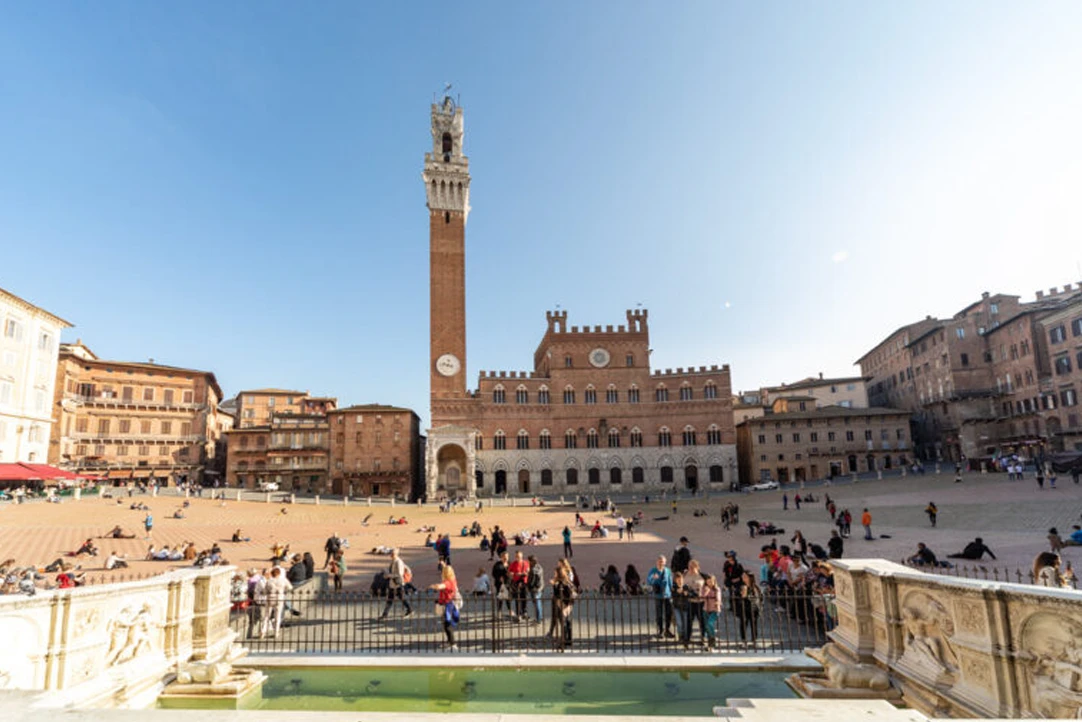
The article suggests using Siena – specifically Hotel Minerva – as a base for exploring San Quirico and the Val d’Orcia. Situated within Siena’s medieval walls but just outside the limited traffic zone, Hotel Minerva allows guests to drive directly to the hotel and park in its private, video‑supervised car park . Once parked, you can explore Siena on foot; the hotel is within walking distance of Piazza del Campo (~15 minutes), the Duomo (17 minutes) and the Basilica of San Domenico (10 minutes) . Its location at the northern access to the walls makes day trips by car to San Quirico, Pienza, Montalcino, San Gimignano, Monteriggioni and Florence very convenient .
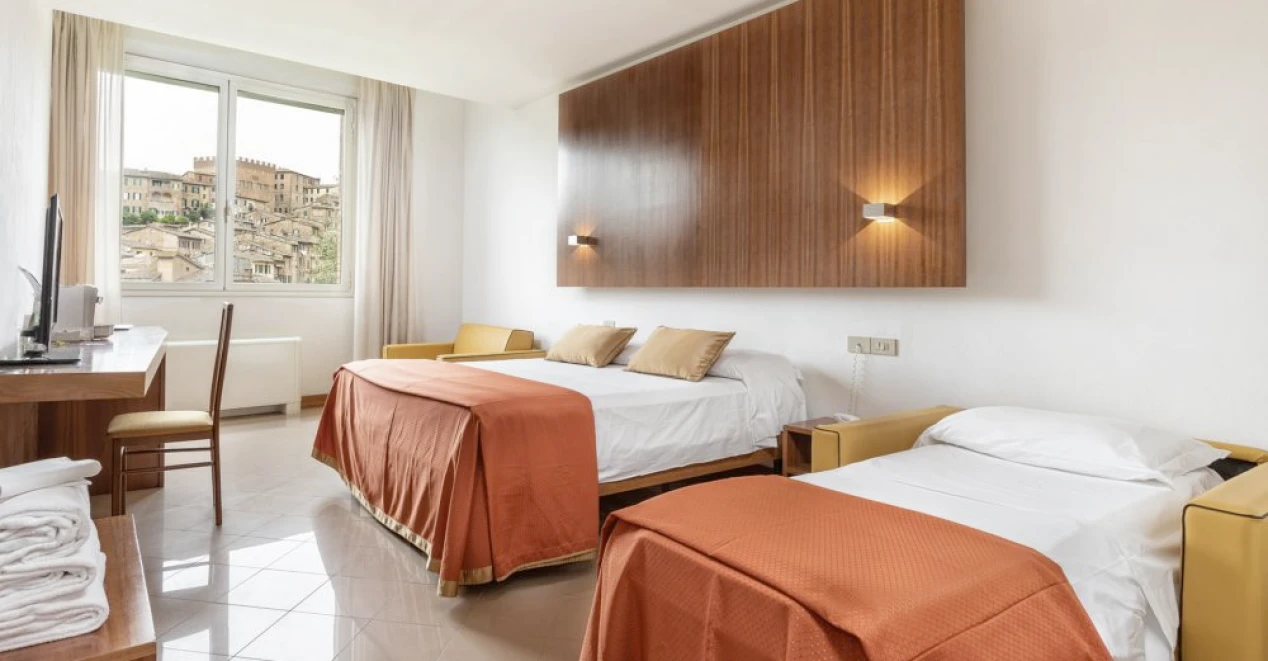
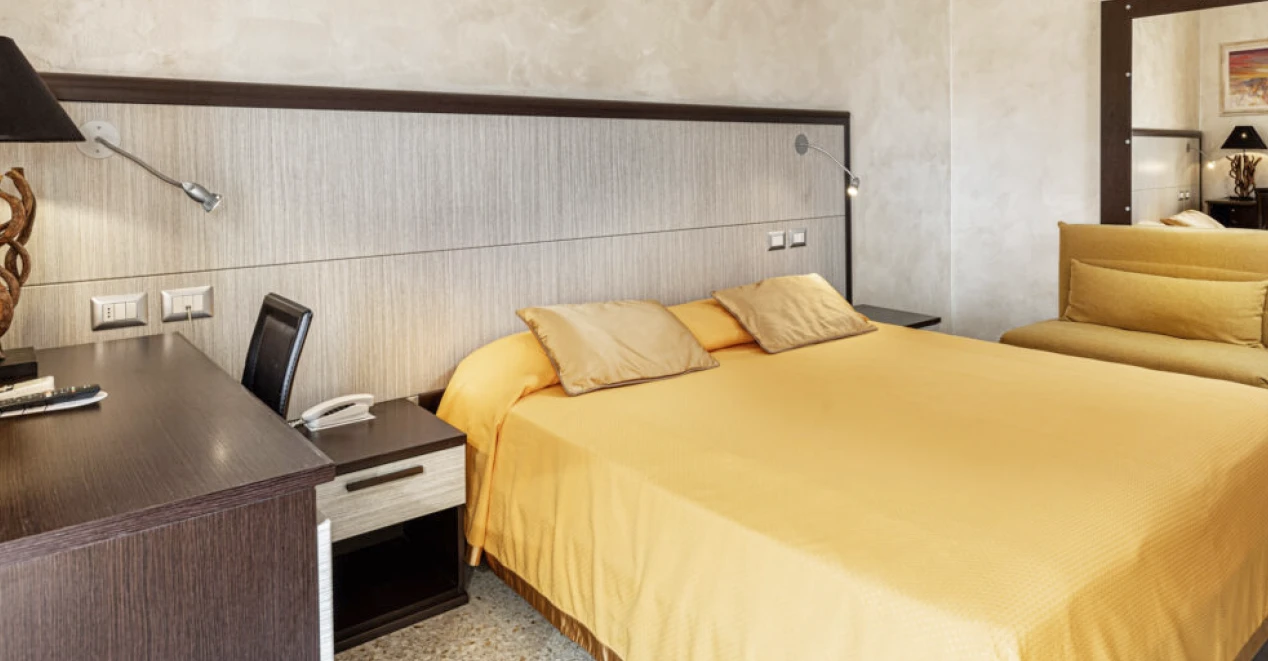
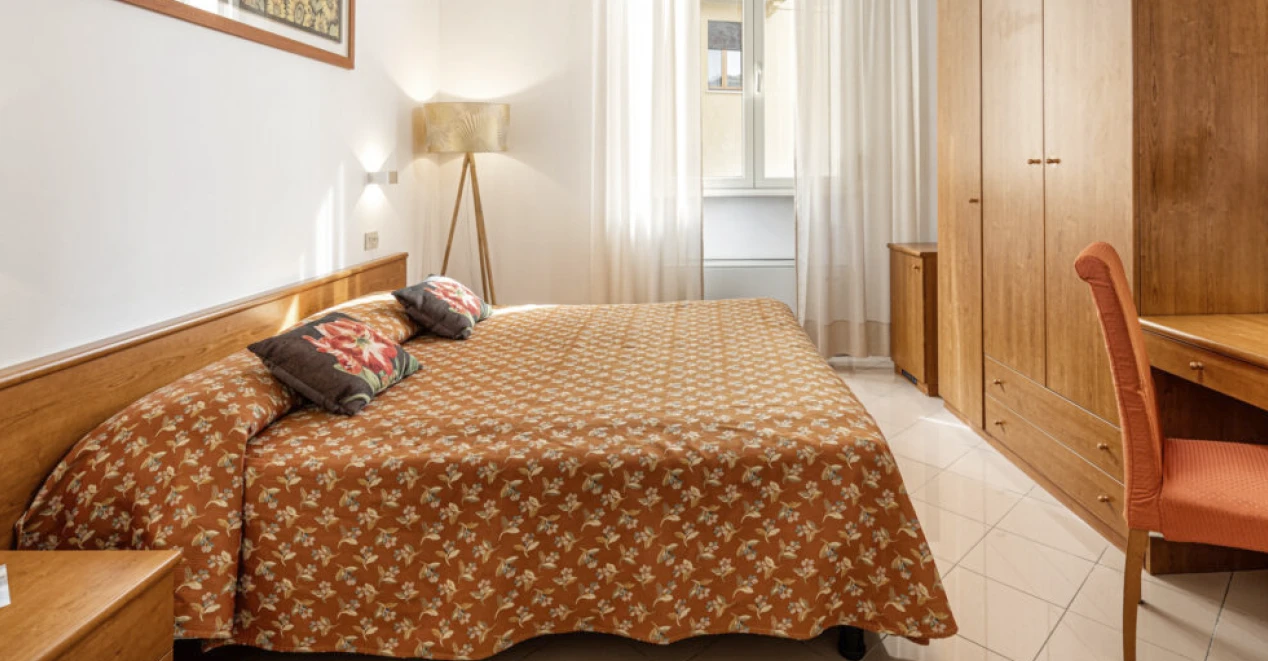
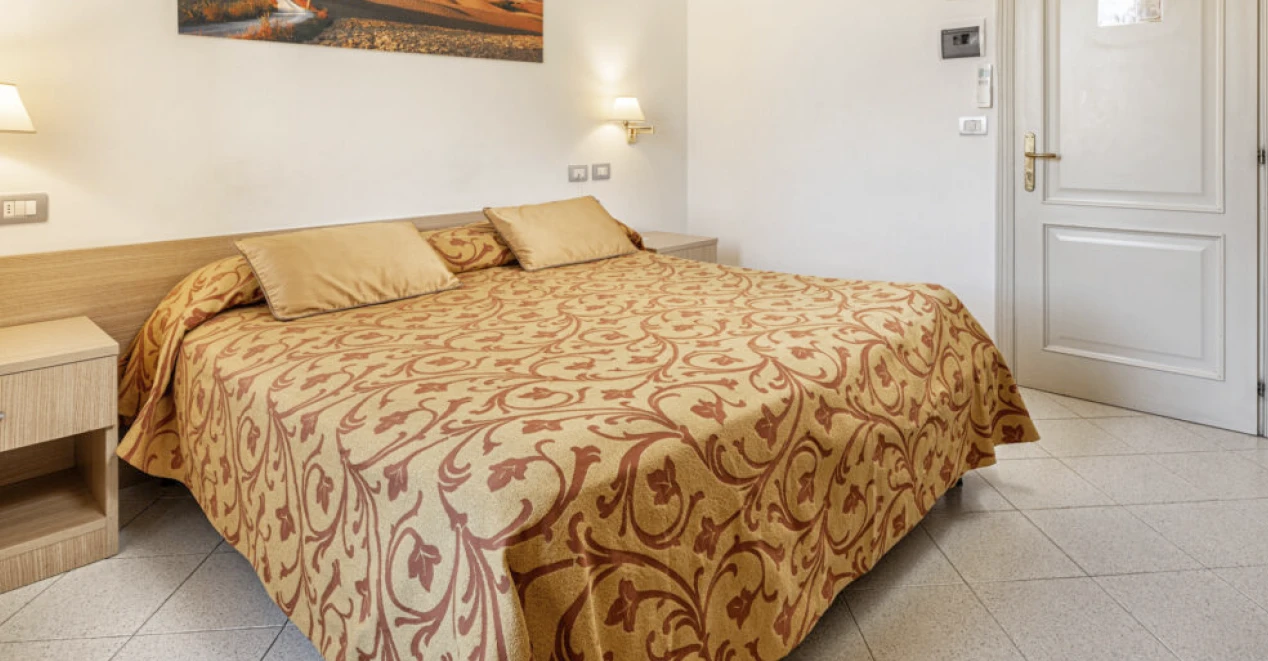
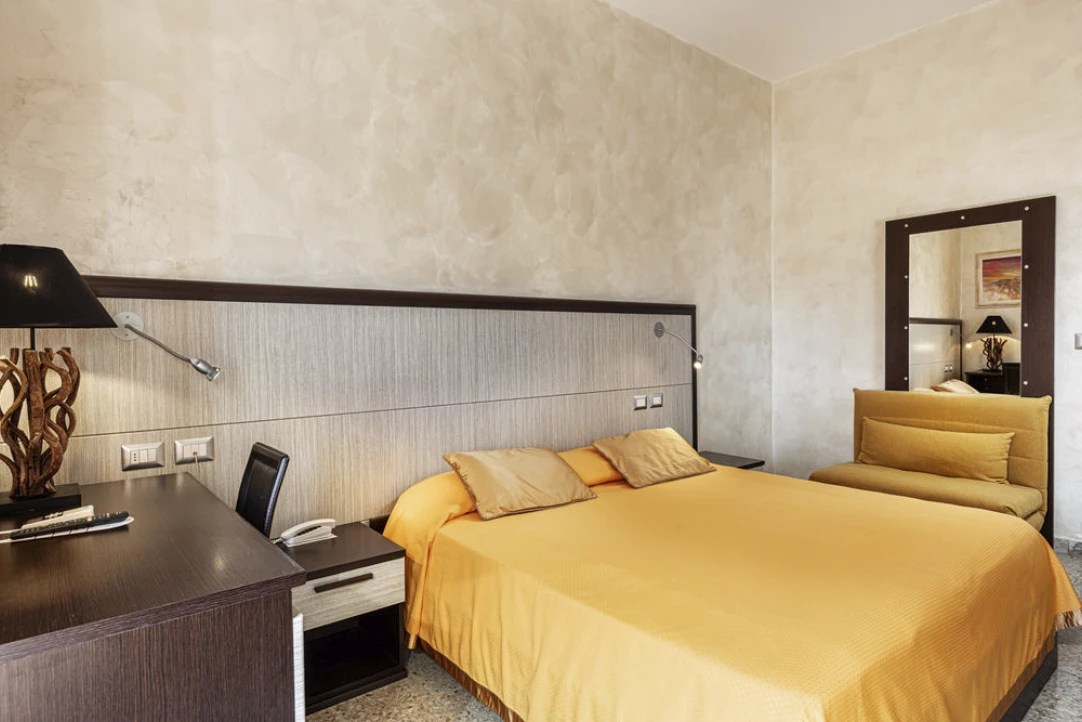
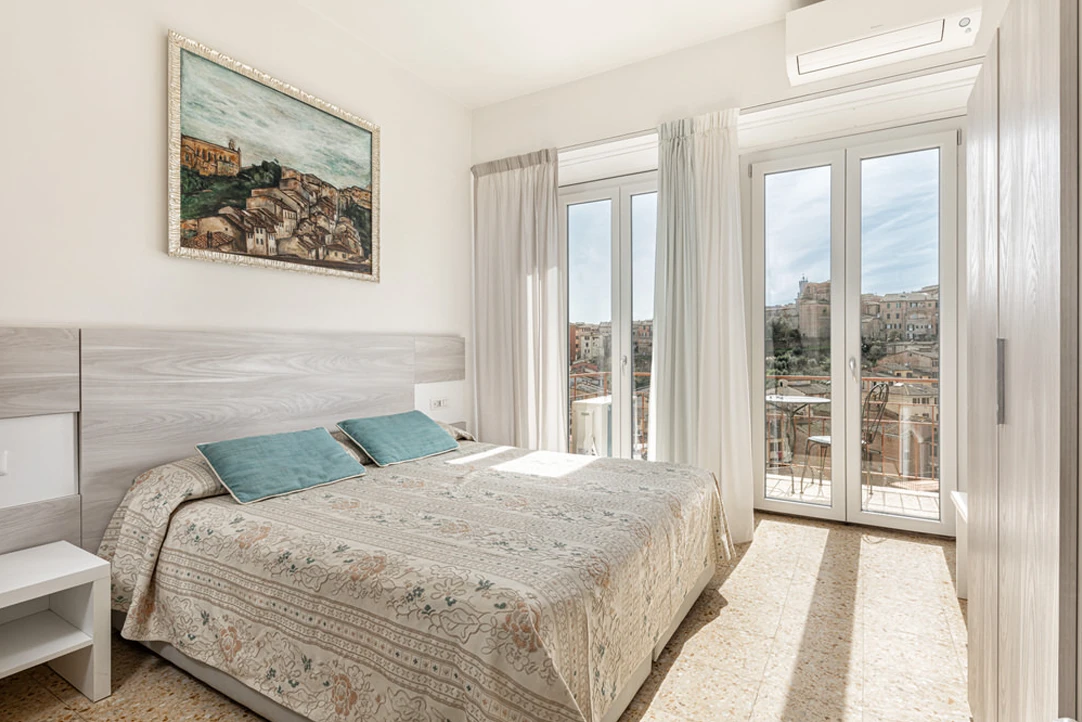
Hotel Minerva is one of Siena’s historic three‑star hotels, combining Tuscan tradition with modern comforts . The 56 rooms range from Smart and Standard to spacious Superior and elegant Junior Suites, recently renovated . Many rooms offer beautiful views of Siena’s rooftops and hills . A generous continental breakfast is served in a bright room or in the internal panoramic garden: homemade cakes, fragrant croissants, Tuscan bread, jams, cold cuts and local cheeses . The friendly 24‑hour staff provide personalised advice on restaurants, itineraries and hidden corners of Siena . The hotel also features a lounge and bar for relaxation , free Wi‑Fi and a welcoming atmosphere that encourages repeat visits . Choosing Hotel Minerva gives you the best of two worlds: Siena’s urban life in the evening and the rural harmony of the Val d’Orcia during the day .
Where to Eat: Typical Flavours and Recommended Restaurants
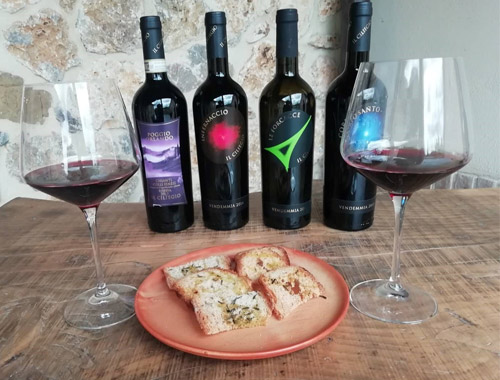
Tasting the local cuisine is one of the joys of visiting San Quirico d’Orcia. Being part of the Siena province, the village offers all the great flavours of Tuscan tradition . Local products include extra‑virgin olive oil (DOP “Terre di Siena”) celebrated each December at the new oil festival ; saffron, once known as “San Quirico gold” and recently revived ; and Orcia DOC wine, a lesser‑known designation made by about forty small wineries and producing intense red wines often based on Sangiovese .
Typical dishes to try include pici al ragù d’oca – thick handmade pasta similar to fat spaghetti topped with white goose ragù – and zuppa di pane, a local variant of ribollita or pappa al pomodoro . Local meats include prized Chianina beef (used for steaks and stews), game, and specialties like snails in sauce . Finish your meal with Tuscan sweets such as panforte, ricciarelli, cavallucci and copate, accompanied by a glass of Vin Santo .
Notable restaurants and venues in San Quirico d’Orcia include :
- Trattoria Osenna – An institution on Via Dante Alighieri with decades of history; it has brick arches, walls lined with wine bottles and a pergola garden for outdoor dining. The menu features classic, generous Tuscan dishes: homemade pici with sauce, ribollita, grilled meats and stewed wild boar at honest prices. Reservations are recommended, especially in summer .
- Trattoria Toscana al Vecchio Forno – Part of the Albergo Palazzo del Capitano, this romantic trattoria on Via della Piazzola boasts a charming inner garden where tables are set among olive trees and vines. The kitchen revisits Tuscan recipes with a gourmet touch, such as pici all’aglione (garlic and tomato sauce) or roast duck with wild herbs, at excellent value for money .
- Ristorante Da Ciacco – A small, intimate restaurant on Via della Libertà offering creative Tuscan cuisine with seasonal local ingredients. Specialties include tagliolini with truffles, Chianina beef tagliata and Pecorino cheeses from Pienza with homemade chutneys. Due to limited seating, reservations are advisable .
- Vald’O Art Book & Wine – A unique venue on Via Dante Alighieri combining wine bar and art bookshop. You can browse art and photography books while tasting a glass of Orcia or Brunello. The relaxed atmosphere is perfect for an aperitif or afternoon break with a platter of local cheeses and cured meats .
- Intralci Wine Bar – An informal wine bar on Via Dante Alighieri offering gourmet bruschetta, filled sandwiches, salads and good wines. Its outdoor tables and friendly vibe make it ideal for a quick but tasty lunch or aperitif .
- Osteria del Leone (Bagno Vignoni) – A historic osteria facing the square behind the thermal pool. Located in a fifteenth‑century building, it offers refined Tuscan cuisine: pici cacio e pepe with Pecorino di Pienza, beef cheek braised in Brunello, and homemade desserts .
Wherever you dine, you will find genuine flavours and friendly hospitality. In high season and at weekends, book at least a day in advance at the most popular places . Off‑season and on weekdays you can usually find a table, but reservations guarantee the best experience .
Events, Festivals and Local Experiences
Despite its sleepy appearance, San Quirico comes alive with traditional events throughout the year. Key dates include:
- Festa del Barbarossa – The village’s highlight event is a historical reenactment held on the third Sunday of June. San Quirico travels back to the Middle Ages as its four contrade (Borgo, Canneti, Castello and Prato) compete in flag‑waving and archery competitions . A grand historical procession of over a hundred costumed participants reenacts the arrival of Emperor Frederick Barbarossa and his meeting with the papal envoys in 1155 . The festival features street taverns serving medieval dinners, drumming and trumpets resounding through the streets and the culmination of the competitions on Sunday afternoon . This festival attracts many visitors for its unique scenes and photographic opportunities .
- New Oil Festival (Festa dell’Olio) – Held around the Feast of the Immaculate Conception (8 December), this event celebrates freshly pressed extra‑virgin olive oil . The village hosts tasting itineraries with toasted bread and salt (the best way to appreciate the new oil’s spicy, fruity flavour), along with food stands, Christmas craft markets, folk and musical performances . There are also cooking demonstrations and workshops for children .
- Patron Saints’ Feast (Santi Quirico e Giulitta) – Celebrated on 15 July with solemn religious functions in the Collegiate Church and community festivities. Concerts of classical or choral music and dinners in the piazza often accompany the celebration .
- Forme nel Verde – For many years, the Horti Leonini hosted this open‑air contemporary art exhibition during the summer, where sculptors displayed works in the garden’s historical context . Although less regular in recent years, temporary exhibitions sometimes return; check with the tourist office for current programs .
- Via Francigena Marathon – A non‑competitive walking event for trek lovers: the Francigena Ultra Marathon starts from Siena and finishes beyond San Quirico in Acquapendente, following the Via Francigena route . It usually takes place in autumn and covers about 60 km over two days; shorter sections around San Quirico offer a taste of this historic trail .
In addition to these major events, the Val d’Orcia hosts many village festivals (sagre) celebrating pici, wild boar and Pecorino cheese, as well as open‑air concerts and theatre performances . Keep an eye on the summer calendar: you might enjoy a jazz concert in the Montalcino Fortress or a stargazing night in Castiglione d’Orcia .
Walking and Cycling Itineraries
One of the pleasures of visiting San Quirico is strolling through it slowly, savouring every detail. The article proposes a two‑hour walking itinerary that covers the main sights:
- Starting point – Piazza della Libertà (Porta San Giovanni) – Begin at the southern entrance where Porta Romana once stood. Park outside the walls, enter through Piazza della Libertà and visit the Church of Santa Maria Assunta and its adjacent Rose Garden .
- Via Dante Alighieri – Follow the main street flanked by stone and brick buildings, shops and flowered balconies. Note the ancient Ospedale della Scala on your left . Further ahead is the Church of San Francesco (Madonna Church) and opposite stands Palazzo Chigi Zondadari .
- Piazza Chigi and the Collegiate Church – Turn right into Piazza Chigi and admire the façade of the Collegiate Church. Circle the building to view the different portals; inside, observe the single nave and Sano di Pietro’s polyptych .
- Horti Leonini and surroundings – Take the lane left of the Collegiate Church to the Horti Leonini. Wander through the parterre and climb to the upper wooded terrace to enjoy views over the village roofs and countryside . Exit through the western gate onto Via delle Mura and follow it back to Via Dante Alighieri near Porta Cappuccini .
- Porta dei Cappuccini and conclusion – Pass through this unique hexagonal gate and enjoy the panorama of the eastern fields and, on clear days, Pienza . Re‑enter the village and follow Via Matteotti back toward Piazza della Libertà, passing the Palazzo Pretorio (Val d’Orcia Park visitor centre) .
The article encourages wandering off the main route into side streets like Via del Campanile or Via dei Canneti to discover quiet scenes, old fountains decorated with Contrada symbols and stone arches .
Nature Walks
For nature lovers, several hikes depart from the village :
- San Quirico to Vitaleta Chapel on foot – A 4–5 km walk north through white gravel roads among fields and cypresses leads to the Vitaleta Chapel. The route offers silence, cicada songs and panoramic views; bring water and a hat in summer .
- Bagno Vignoni loop and Parco dei Mulini – A 3 km trail from Bagno Vignoni descends to the Parco dei Mulini, following thermal water channels to medieval mills carved into the rock . Continue to the Orcia valley where hot water forms streams and pools, then return to the village via a different path .
- Via Francigena section: San Quirico to Gallina – Follow the red and white markers south through fields and hills; even a short portion gives a taste of the historic pilgrimage. You could aim for Vignoni Alto, a ghost village with a ruined castle, and return. Bring proper shoes, a hat and water .
Cycling
Cyclists will love the undulating roads of the Val d’Orcia. Road and mountain bikers can plan routes linking Pienza, San Quirico, Bagno Vignoni and Montalcino, sometimes following sections of the Eroica vintage bike route . A classic 25 km road loop connects Pienza – San Quirico – Bagno Vignoni – Pienza, with moderate climbs and spectacular views . Many farm stays rent bikes and provide maps; cycling through this landscape, stopping to photograph cypresses or Monte Amiata views, is rejuvenating .
Practical Information and FAQs
The guide concludes with frequently asked questions :
- Best time to visit? Every season has charm. Spring (April–May) offers green hills, yellow rape fields, mild temperatures and fewer crowds; gardens like the Horti Leonini are in bloom and the light is clear . Summer provides postcard landscapes of golden wheat and sunflowers, festivals and outdoor evenings, but it can be very hot; bring a hat and water . Autumn (September–October) dazzles with warm colours, grape harvests and new oil, crisp mornings and pleasant days . Winter is quiet: villages are serene, the air is crisp and clear, and you might see snow on the Val d’Orcia . Late spring and early autumn are ideal compromises .
- Can the Val d’Orcia be visited without a car? It’s possible but not very practical. You can reach San Quirico, Pienza or Montalcino by bus, but connections between villages are infrequent, especially on weekends . Consider renting an e‑bike or joining organised minivan tours from Siena, but for maximum freedom a car is best .
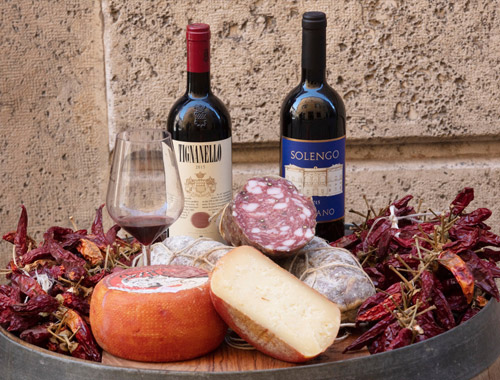
- Where can I buy local products? San Quirico has well‑stocked food shops and wine cellars selling Pecorino cheeses, Tuscan salumi, Orcia and Brunello wines, jams, honey and extra‑virgin olive oil . There are also artisan workshops and a weekly market on Thursday mornings . Nearby wineries welcome visitors for tours and sales .
- Is reservation necessary for restaurants? In high season and at weekends, yes; book at least a day in advance at popular restaurants like Trattoria Osenna, Da Ciacco and Vecchio Forno . Off‑season you can usually walk in, but reservations ensure a table and sometimes special attention .
- Is San Quirico family‑friendly? Absolutely. The pedestrian, safe village allows children to run freely in piazzas; Horti Leonini’s pathways are fun to explore; and events like the Festa del Barbarossa include activities for children, such as archery trials and flag workshops . Restaurants are accommodating and can prepare simple dishes for kids; the streets are cobbled but manageable for strollers . Nearby attractions like climbing the fortress of Montalcino or bathing in the thermal pools at Bagni San Filippo offer family adventures .
Conclusion
This guide underlines how San Quirico d’Orcia delights visitors with timeless beauty, authentic flavours and the sincere hospitality of its inhabitants . Whether as a day trip from Siena using Hotel Minerva as a comfortable base or as a stop on a tour through the Val d’Orcia, San Quirico offers legends, art, landscapes and cuisine to explore . Enjoy medieval stories at the Festa del Barbarossa, savour local dishes and wines, wander along white roads between cypresses and, in the evening, return to Siena to reminisce over a glass of Brunello . Have a wonderful journey in the Val d’Orcia – a land of ageless wonders .