
Introduction and context
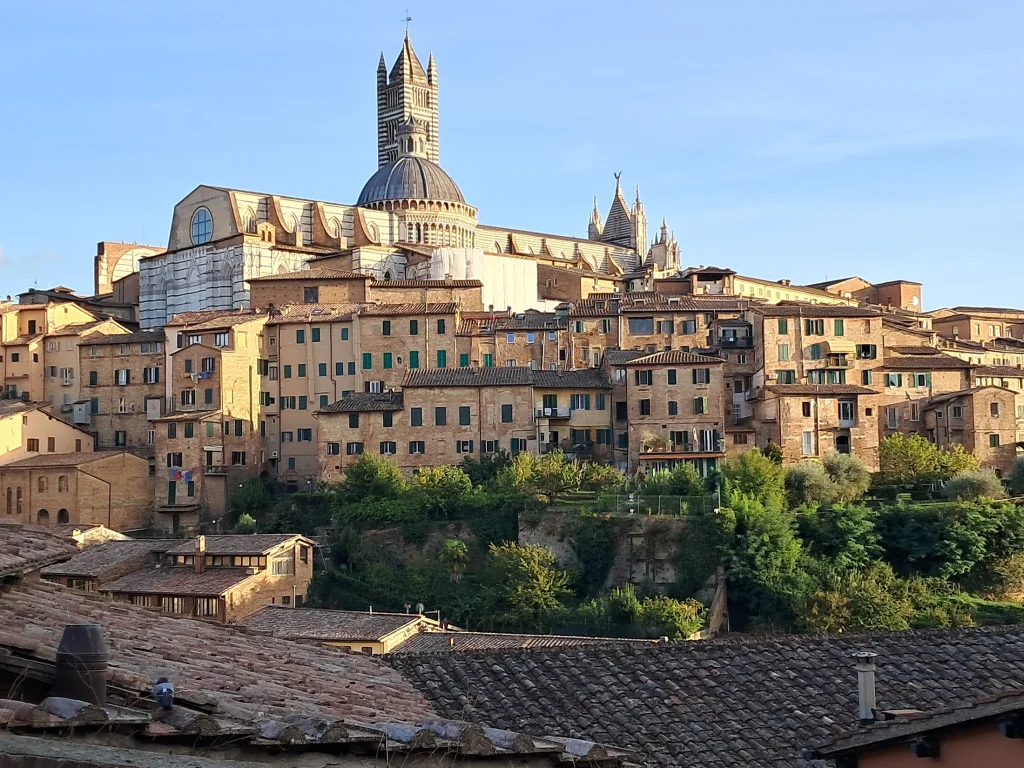
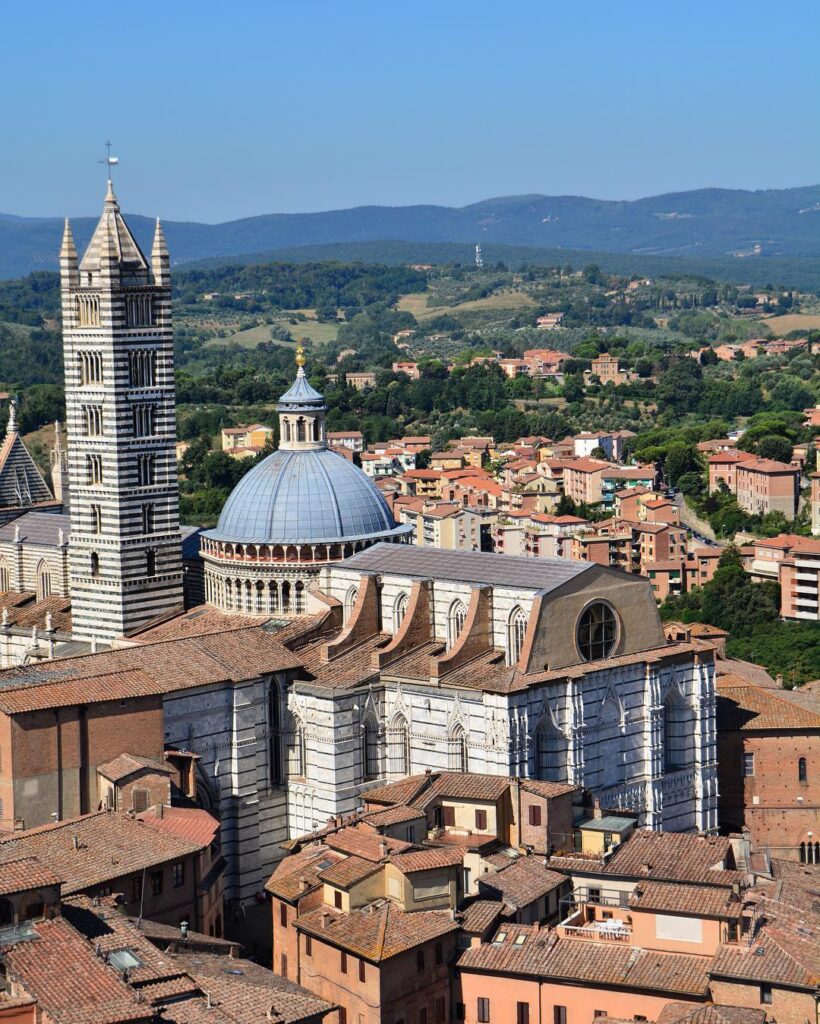
The Siena Cathedral, with its alternating bands of white and green‑black marble, is one of the masterpieces of Italian Gothic architecture and stands at the heart of the UNESCO‑listed historic centre. Built in the 13th–14th centuries, the church contains a treasury of sculptures and paintings by masters such as Nicola and Giovanni Pisano, Donatello, Michelangelo, Bernini, Duccio and Beccafumi. This article answers frequently asked questions about visiting the Duomo – opening times, ticket options and highlight works such as the inlaid marble floor, the Piccolomini Library, Nicola Pisano’s pulpit and sculptures by Michelangelo and Bernini – and suggests the nearby Hotel Minerva as an ideal base for exploring Siena .
Staying at Hotel Minerva
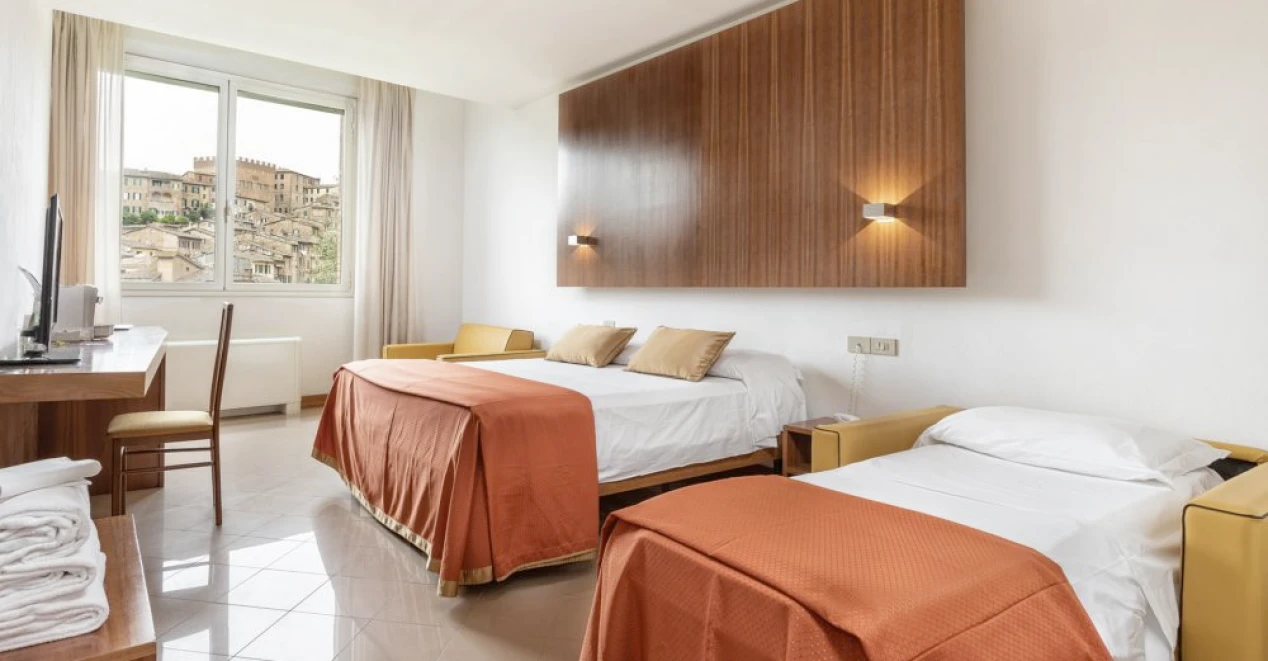
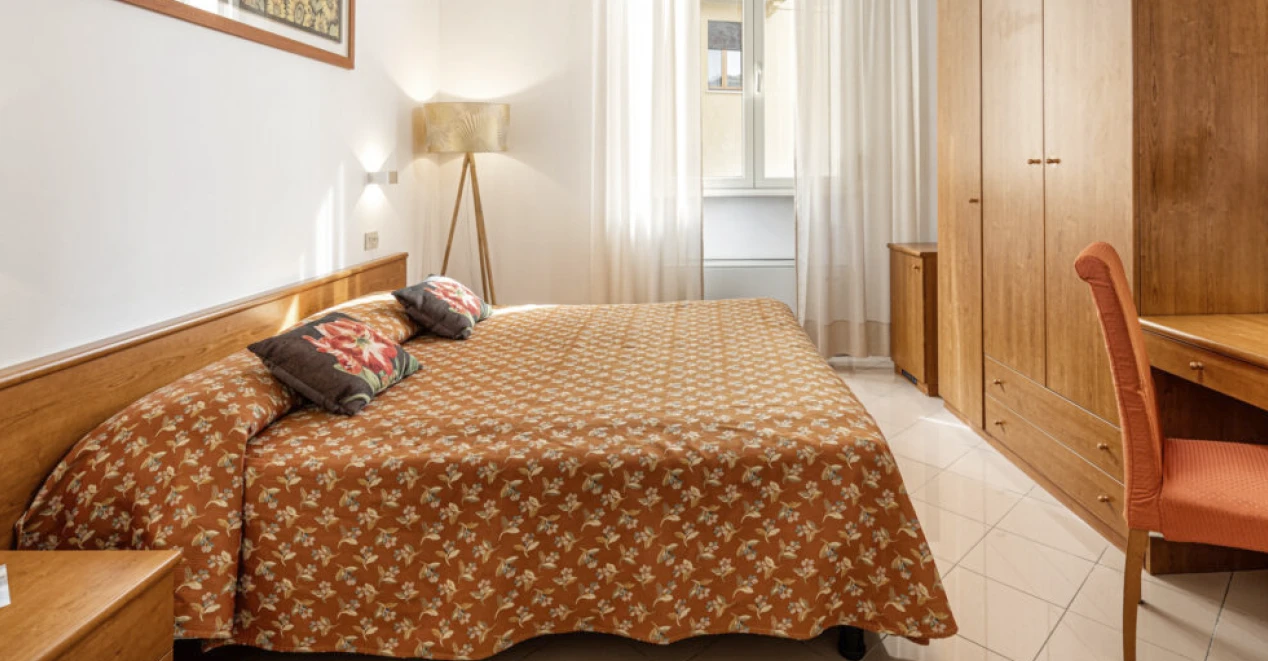
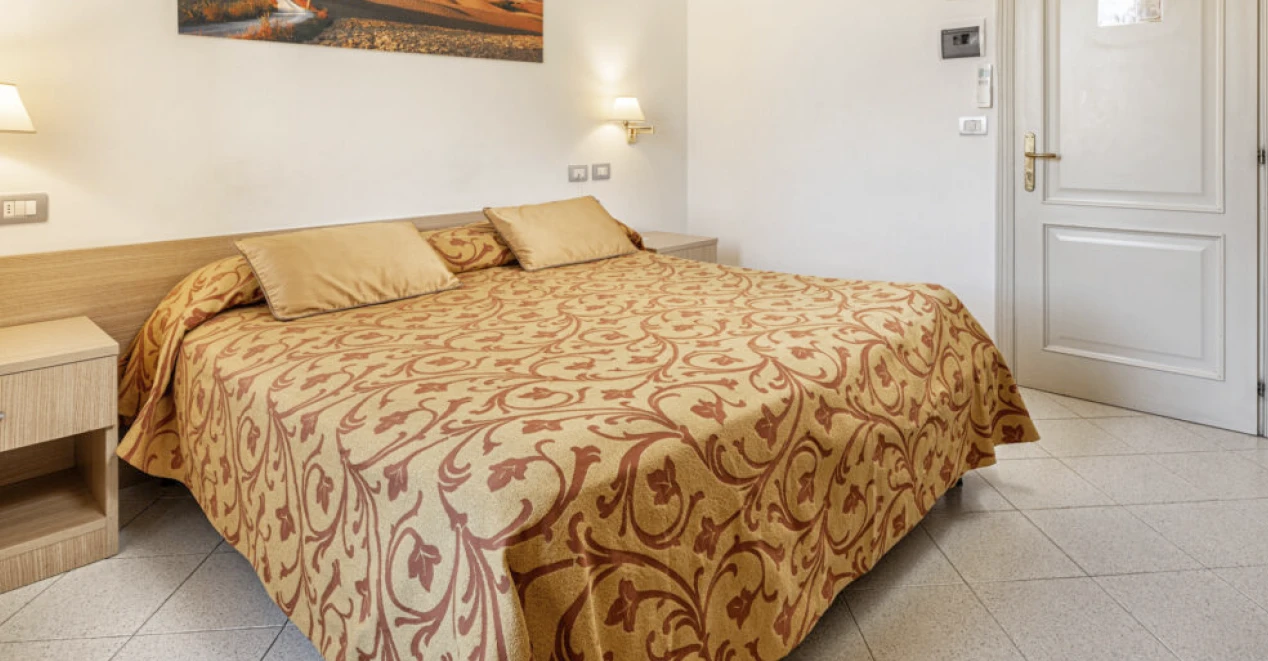
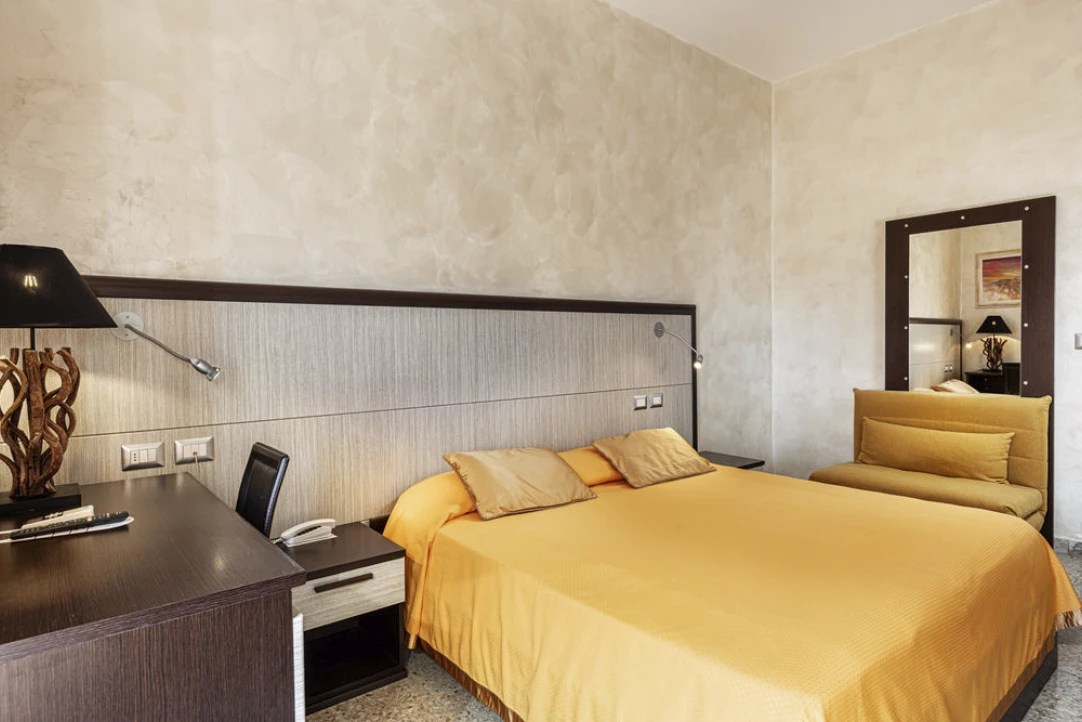
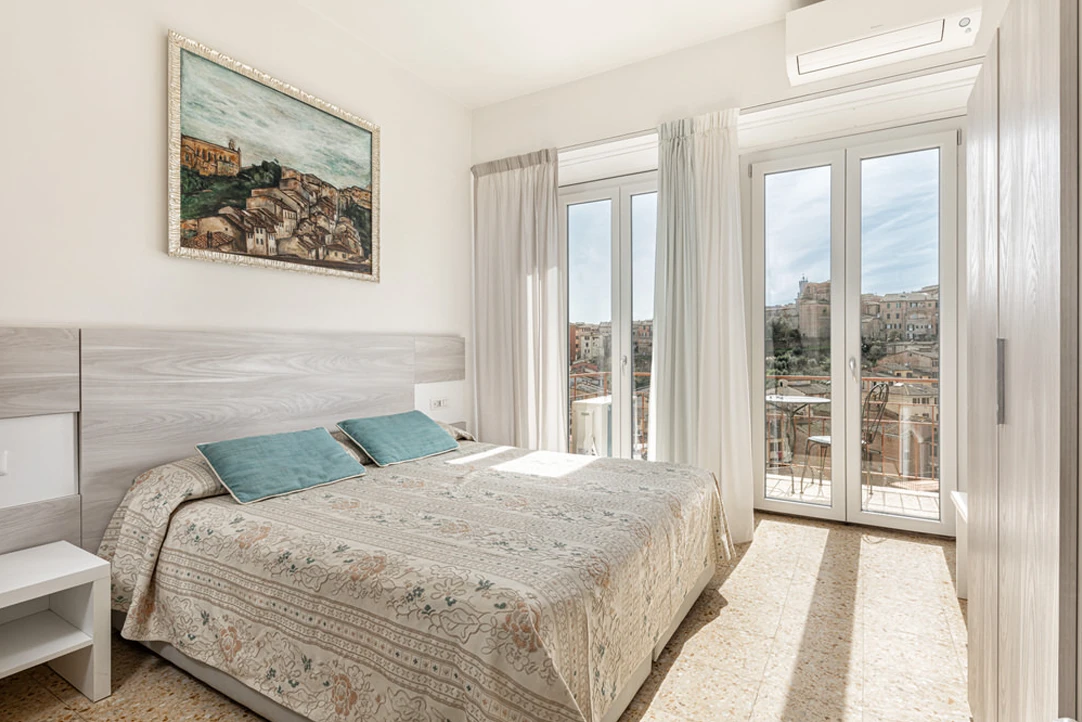
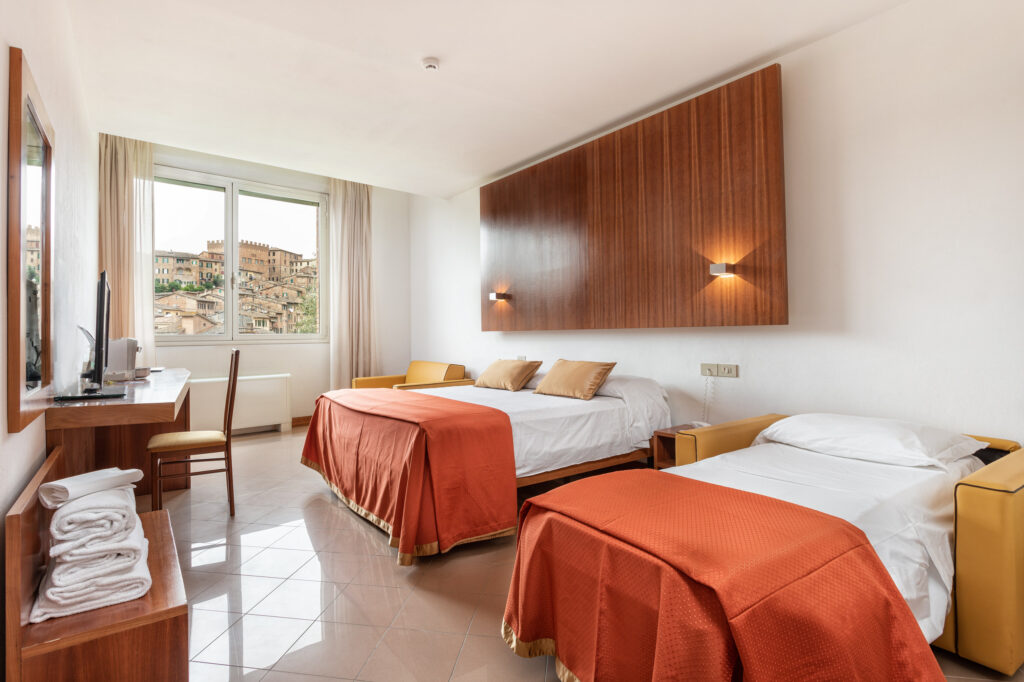
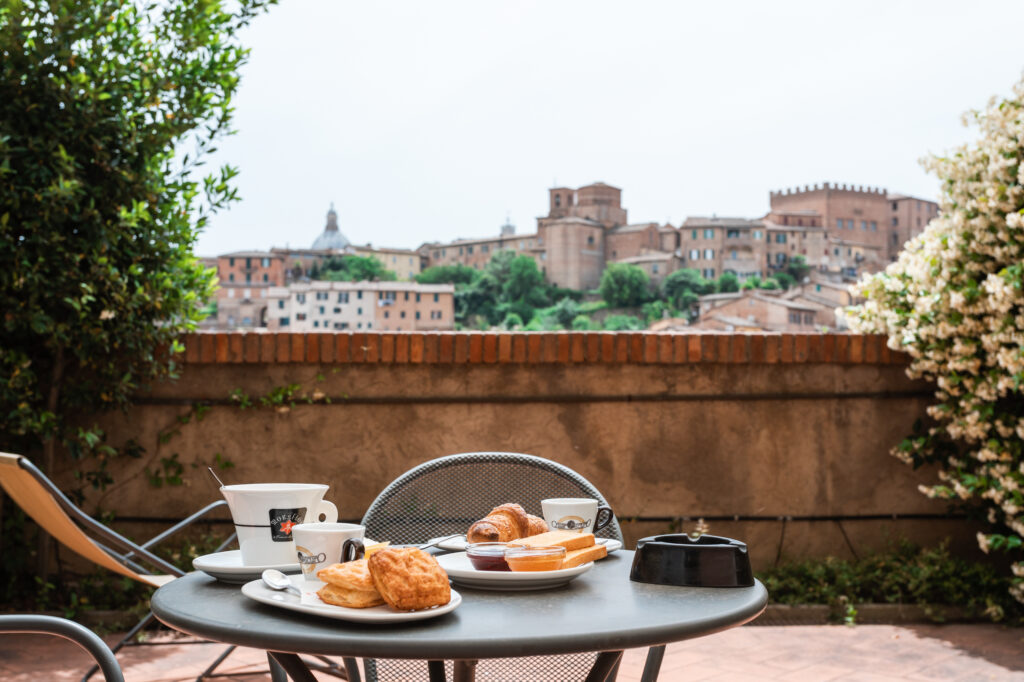
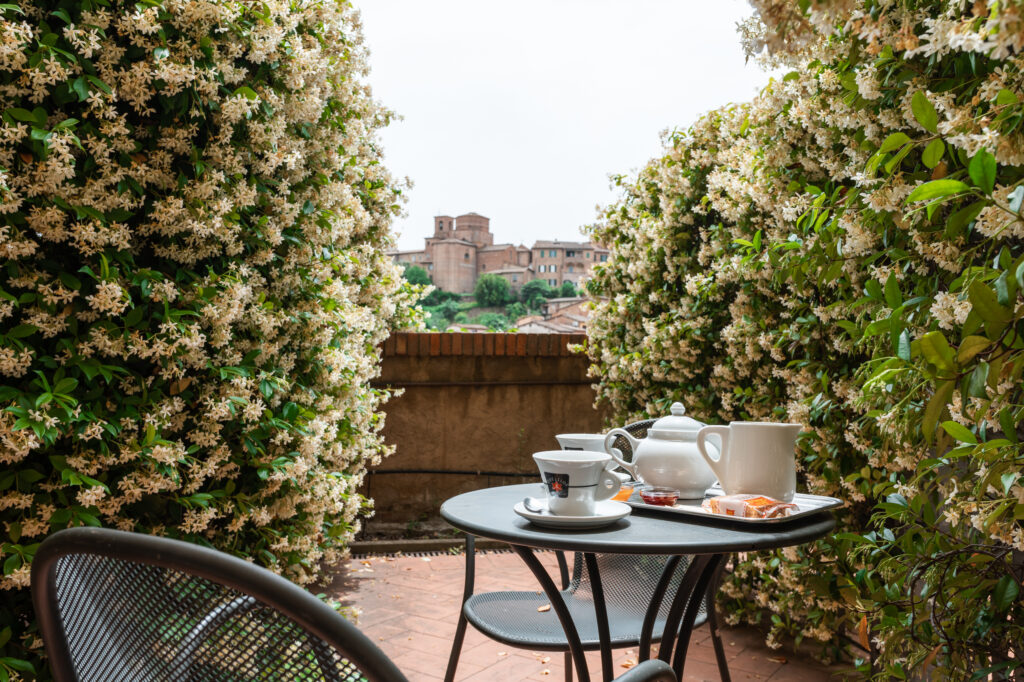
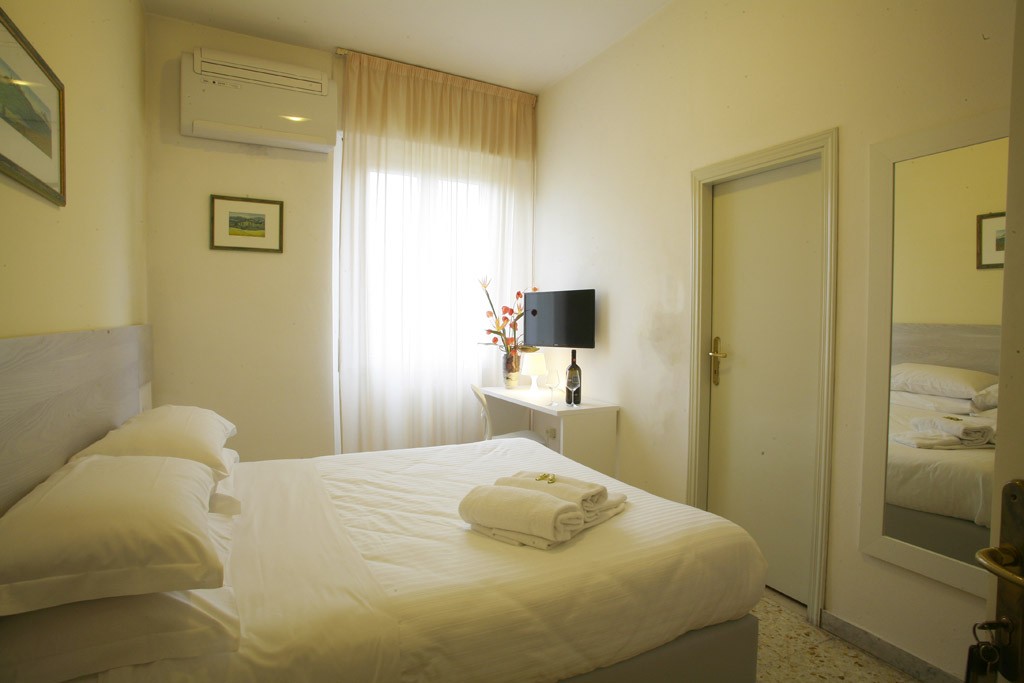
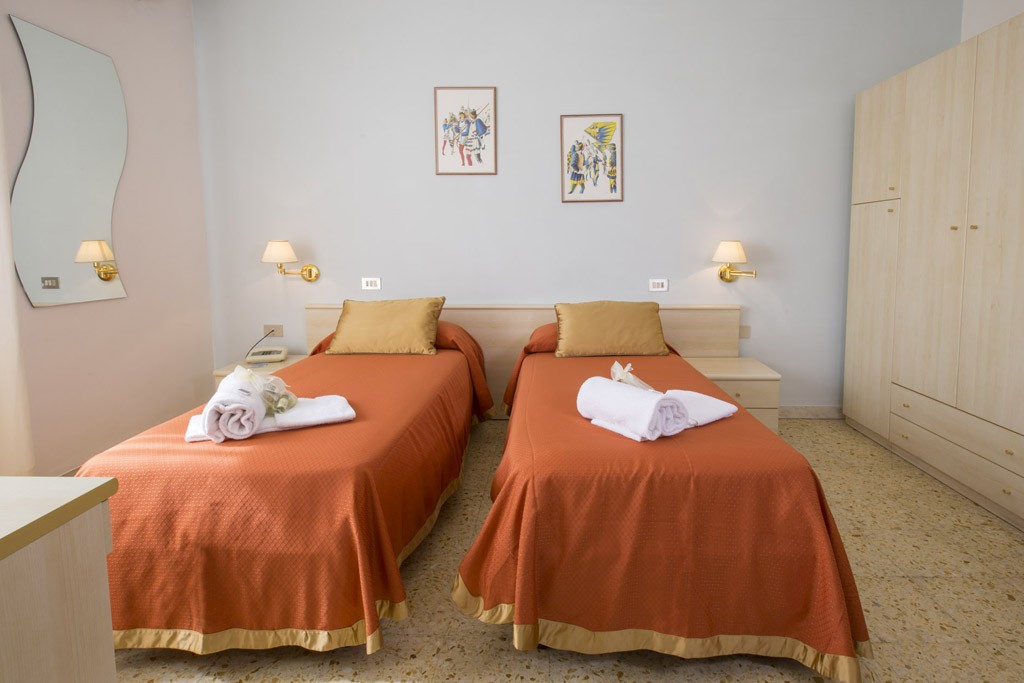
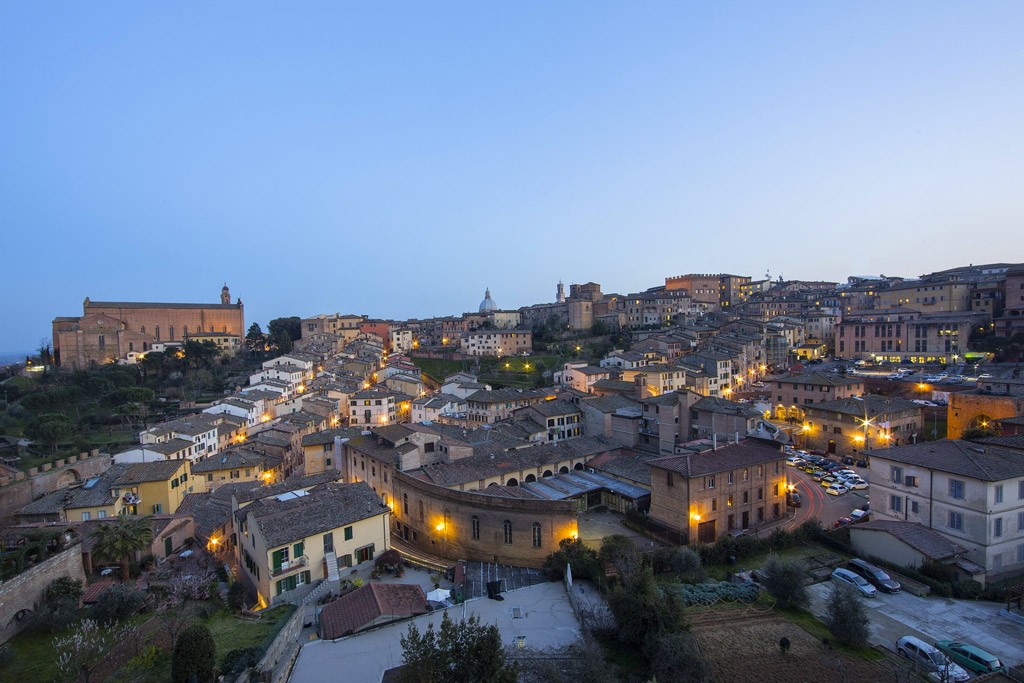
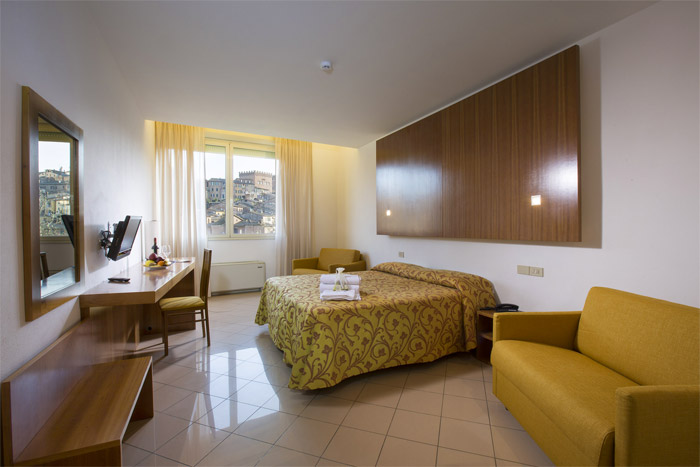
The article describes Hotel Minerva as a welcoming 3‑star hotel located within Siena’s medieval walls but just outside the restricted traffic zone. It offers private covered parking, a garden where breakfast is served, free Wi‑Fi and a 24‑hour reception. Rooms range from budget to panoramic suites with balconies; the hotel lies about 15 minutes on foot from Piazza del Campo and 17 minutes from the Duomo, making it easy to explore the city without a car .
Nearby attractions
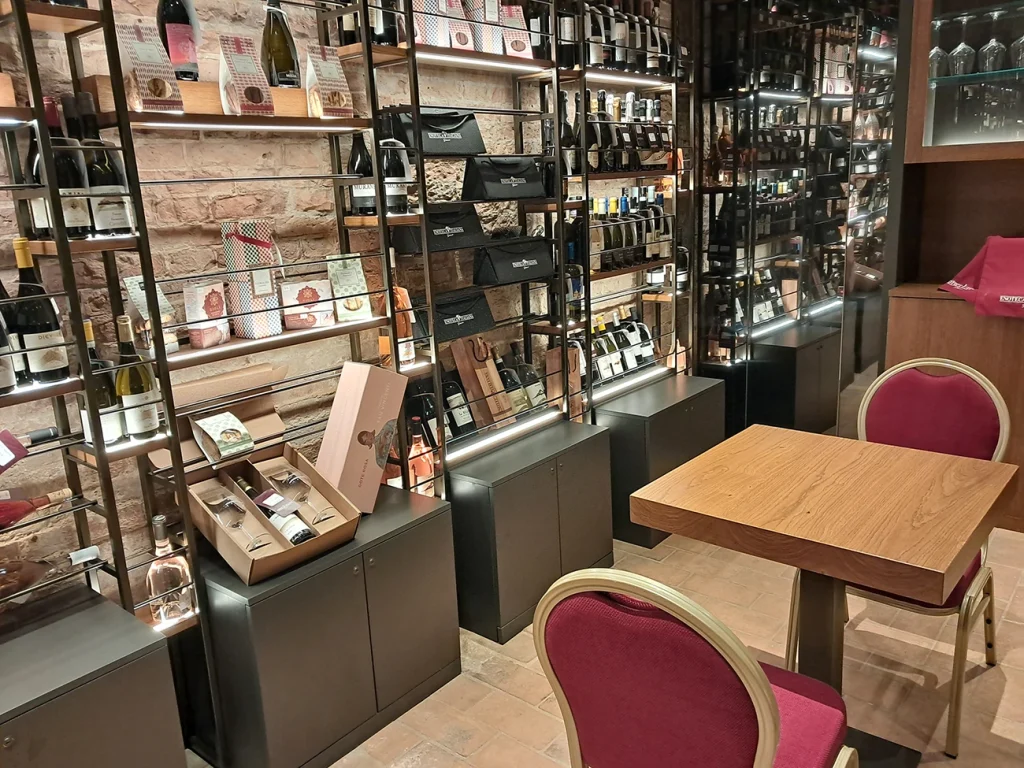
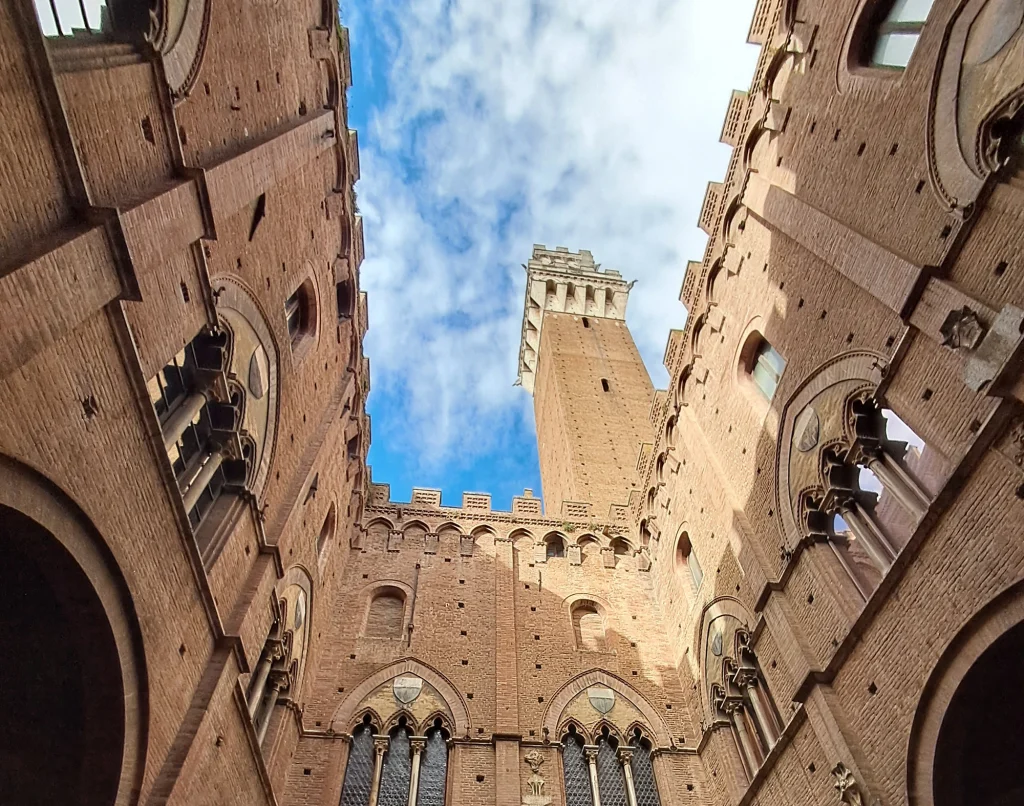
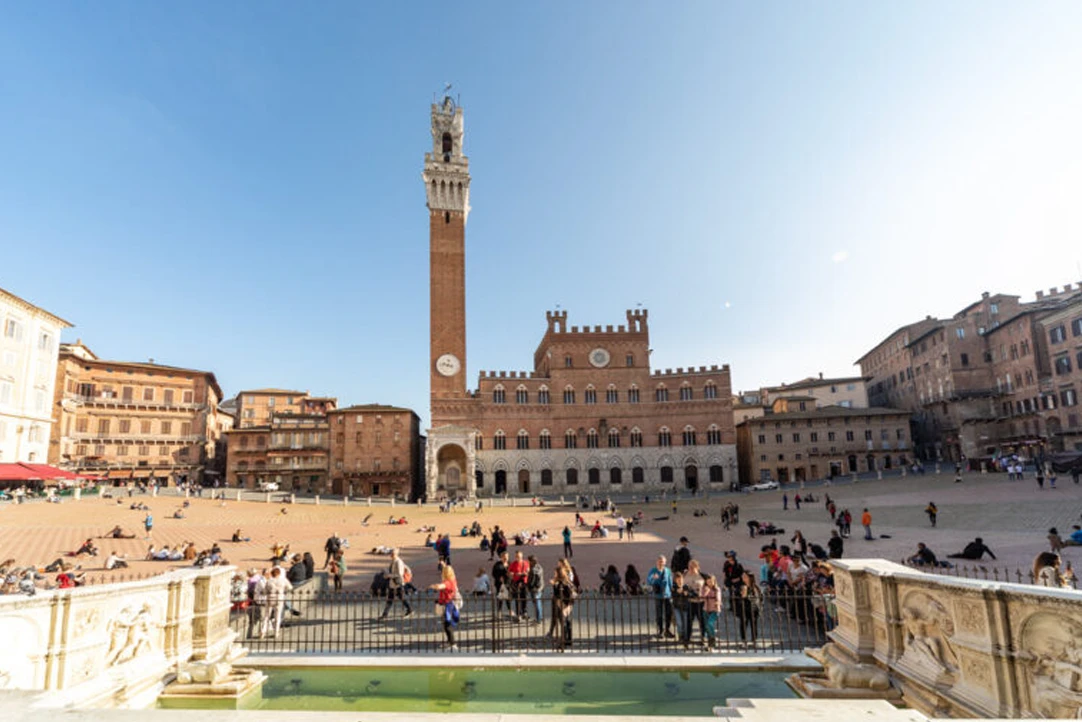
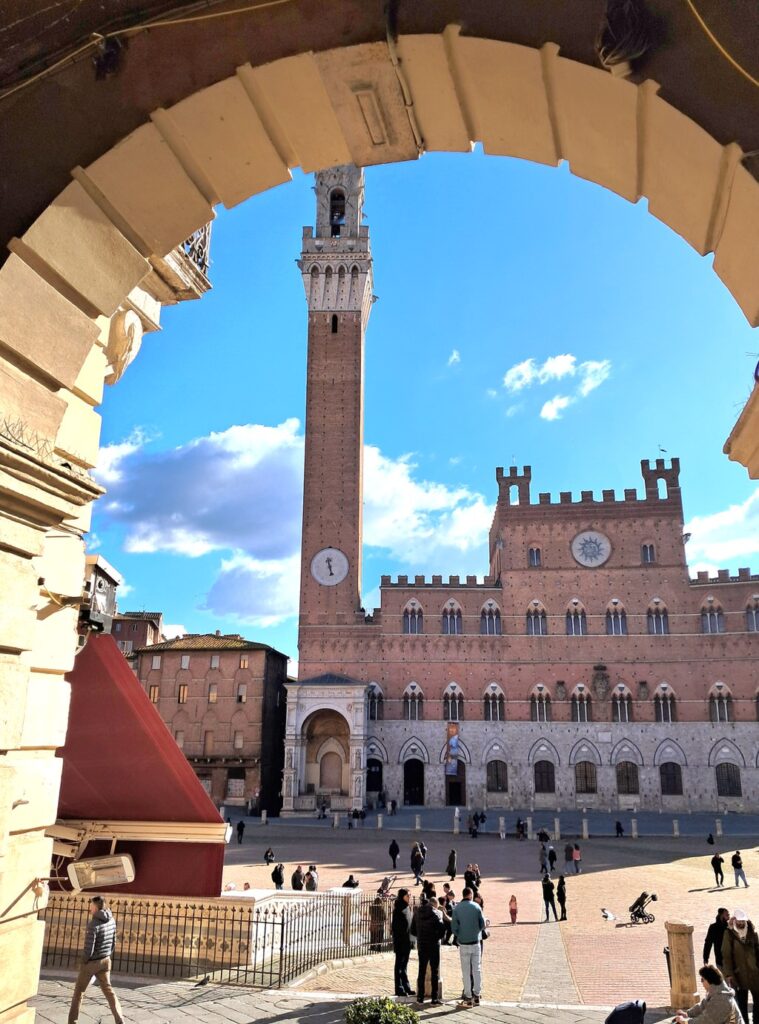
From the hotel you can easily reach Piazza del Campo (shell‑shaped square with Palazzo Pubblico, Torre del Mangia and Fonte Gaia), the Duomo, the Medici Fortress with its Enoteca Italiana wine cellar, the Museo Civico with Lorenzetti’s Allegory of Good Government, the Basilica of San Domenico and the Sanctuary of Saint Catherine, the green Orto de’ Pecci, and the Pinacoteca Nazionale.
History of the cathedral
The Gothic cathedral stands on the site of an earlier Romanesque church. Work on the present building began in the mid‑13th century; the lower part of the façade was carved by Giovanni Pisano between 1284 and 1297 , while the upper part was completed around 1370 under the direction of Camaino di Crescentino or his pupil Giovanni di Cecco . Plans to enlarge the church into a vast “Duomo Nuovo” in the 14th century were abandoned after the Black Death, leaving the unfinished façade known as the Facciatone .
The façade
Giovanni Pisano’s lower façade is a riot of carved details: twisted columns covered with foliage, gables and openwork tympana, and a host of statues of prophets, ancient philosophers and sibyls . Many originals are now kept in the Museo dell’Opera, while copies remain on the façade. Three deeply recessed Gothic portals are topped by mosaics inserted in the 19th century depicting scenes of the Virgin. The upper portion, completed later, features three triangular gables with geometric inlays of white, dark green and red marble and a large central rose window. Statues of the Virgin and archangel Michael crown the spires .
The inlaid marble floor
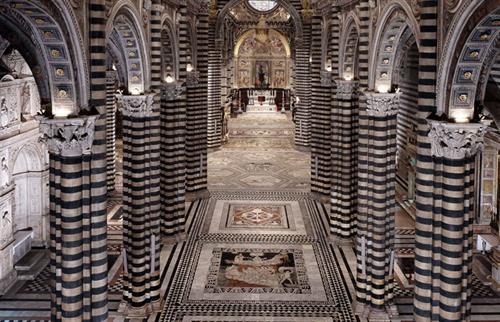
The marble floor of Siena Cathedral is one of its greatest treasures. Made of 56 panels (tarsie) covering the nave and transepts, it was created between the 14th and 19th centuries. Artists carved preparatory drawings into marble slabs, then assembled coloured marble pieces like a stone mosaic; in the oldest sections they also incised lines filled with black stucco . The panels illustrate a programme that moves from pagan wisdom to Christian salvation: the entrance floor warns “Remember to enter chastely into the pure temple of the Virgin,” followed by Hermes Trismegistus surrounded by the ten Sibyls, the she‑wolf nursing Romulus and Remus (symbol of Siena) , and scenes such as Pinturicchio’s Monte della Sapienza (1505). In the transept Beccafumi’s masterpieces (1520‑1547) depict stories of Elijah and Ahab, Moses and the Tablets of the Law, Isaac’s sacrifice and other Old Testament scenes, using chiaroscuro effects carved in marble ; nearby is The Massacre of the Innocents by Matteo di Giovanni (1481) . Because of conservation needs, most panels are usually covered; the entire floor is uncovered for about 6–10 weeks each year – generally from the end of June to end of July and again from late August to mid‑October . Seeing the whole floor during those periods is a memorable experience, albeit more crowded .
The Piccolomini Library
Along the left aisle is the Piccolomini Library, commissioned in 1492 by Cardinal Francesco Todeschini Piccolomini (later Pope Pius III) to house the manuscript collection of his uncle Pope Pius II. Pinturicchio and his assistants frescoed the walls between 1502 and 1508 with ten colourful scenes from Pius II’s life: diplomatic missions, coronation, crusade plans and death. The frescos teem with richly dressed figures, imaginary architecture and classical mythological scenes, while the ceiling is decorated with grotesques and allegories . Pinturicchio painted himself and his young assistant Raphael in the Canonisation of St Catherine . In the centre stands the marble group of The Three Graces (a Roman copy of a Hellenistic original) . Manuscripts with exquisite illuminations by Liberale da Verona, Girolamo da Cremona and others are displayed in cases . Access to the library is included in the cathedral ticket; you may have to queue briefly due to limited space .
Nicola Pisano’s pulpit
In the choir stands Nicola Pisano’s pulpit (1265‑1268), one of the masterpieces of Gothic sculpture. Shaped as an octagonal platform resting on nine columns (some supported by lions), its seven relief panels narrate scenes from Christ’s life: the Nativity, Adoration of the Magi, Presentation in the Temple, Massacre of the Innocents, Crucifixion, Last Judgment and more . Nicola drew inspiration from Roman sarcophagi for the robust figures and drapery, yet infused them with Gothic expressiveness . Statues of virtues, prophets and evangelists adorn the angles and capitals; the central supporting column features sculpted personifications of the seven liberal arts sustaining the preaching of God’s word . This pulpit, finished a few years after Siena’s victory over Florence at Montaperti (1260), is a sculpted sermon in stone and marks a transition from Gothic to Renaissance style .
Michelangelo’s statues
The young Michelangelo carved four statues (1501‑1504) for the lower niches of the Piccolomini Altar along the left aisle: St Peter, St Paul, St Gregory the Great and St Pius . Though early works, they already show Michelangelo’s anatomical skill – the contrapposto of St Paul, the intense gaze of St Peter and the papal vestments of St Gregory . Michelangelo left the project to carve the David in Florence, so other planned statues were never completed . These figures remain in their niches today; another statue near the library entrance is an ancient sculpture restored by Michelangelo .
Bernini’s contributions
Pope Alexander VII Chigi commissioned Gian Lorenzo Bernini to design the Cappella della Madonna del Voto (1661‑1664) on the south transept. Bernini created an oval baroque chapel encrusted with coloured marbles, gilded stucco and a dome adorned with a golden glory of angels . The chapel enshrines a revered 13th‑century icon of the Madonna and Child. Bernini sculpted two expressive statues in the niches: St Mary Magdalene and St Jerome, portraying the saints emaciated, in ecstatic penitence and austere blessing . Two additional statues (St Catherine of Siena and St Bernardino) were executed by his pupils following his designs . Bernini also added a gilded dove of the Holy Spirit in the lantern of the cathedral’s main dome .
Donatello at Siena
Donatello’s art appears in several parts of the complex. In the cathedral proper stands his bronze St John the Baptist (1457) in the chapel of the same name, depicting the saint gaunt and intense . The Museo dell’Opera houses the bronze tondo Madonna del Perdono (c. 1455) and a relief by Jacopo della Quercia showing the Madonna with the donor Cardinal Casini . Donatello’s most celebrated contributions are in the Baptistery: he and other masters (Jacopo della Quercia, Lorenzo Ghiberti, Giovanni di Turino) created the Fonte Battesimale (1417‑1431), an hexagonal font with bronze panels depicting scenes from the life of John the Baptist. Donatello’s panel Banquet of Herod employs the stiacciato technique to create dramatic perspective and expression ; he also sculpted figures of Faith and Hope among the Virtues on the font .
Panoramic experiences: Facciatone and Porta del Cielo
Two panoramic visits allow you to admire Siena from above. The Facciatone is the unfinished façade of the abandoned Duomo Nuovo; from the museum one climbs 131 narrow steps to its top for a 360° view of the cathedral dome, bell tower, Piazza del Campo and surrounding hills . Access is included in the OPA Si Pass and visits are self‑guided. The Porta del Cielo (“Gate of Heaven”) is a guided tour inaugurated recently that takes visitors through the roof spaces of the cathedral. After ascending spiral staircases, you walk above the vaults and emerge onto small balconies near the dome to view the nave, mosaics and roof up close . The tour (available roughly March to January) lasts about 30 minutes, is limited to small groups, and requires a special ticket or the All Inclusive pass .
The Museo dell’Opera
Located inside the unfinished nave of the Duomo Nuovo, the Museo dell’Opera (founded in 1869) displays masterpieces moved from the cathedral for conservation. Highlights include: Duccio’s monumental Maestà (1308‑1311), with panels of the Madonna enthroned and scenes from Christ’s Passion ; Duccio’s original rose window (1288–1290) ; marble statues by Giovanni Pisano that once adorned the façade ; Renaissance reliefs by Jacopo della Quercia and Donatello ; collections of goldsmiths’ work and liturgical textiles ; illuminated choir books and painted wooden statues such as Domenico di Niccolò’s Dolenti . Visiting the museum completes your understanding of the cathedral by revealing original sculptures and providing access to the Facciatone .
The Baptistery of San Giovanni
The separate Baptistery of San Giovanni, under the east end of the cathedral, is reached from Piazza San Giovanni. Its interior is a treasure of early Renaissance art: three aisles with rib‑vaults covered by frescoes by Lorenzo di Pietro (Vecchietta) illustrating the Apostles’ Creed and scenes of the Assumption and Passion (1447‑1450) . Other frescoes by Benvenuto di Giovanni and Pietro degli Orioli decorate the walls . At the centre, the hexagonal font (1417‑1431) is adorned with gilded bronze panels by Jacopo della Quercia, Ghiberti, Donatello and others, portraying episodes such as the Annunciation to Zacharias, Nativity, Baptist in the Desert, Preaching of the Baptist, Baptism of Christ and the Banquet of Herod . Statues of the Virtues (Faith and Hope by Donatello, others by Giovanni di Turino and Goro di Ser Neroccio) stand on the angles . The baptistery may be less crowded than the Duomo itself, giving visitors time to appreciate details .
The Cripta
Discovered in 1999 beneath the choir, the Crypt preserves mid‑13th‑century frescoes that were walled up and hidden for seven centuries. These vivid paintings depict scenes from the Old and New Testaments – the Annunciation, Nativity, Flight into Egypt, Crucifixion, Deposition and Entombment – painted by artists such as Guido di Graziano, Dietisalvi di Speme and Rinaldo da Siena . Because they were sealed off soon after completion, their colours remain exceptionally bright. The space also reveals structural remains of the earlier Romanesque choir . Visiting the crypt, which is included in the OPA Si Pass, offers a rare glimpse into the beginnings of Sienese painting .
Santa Maria della Scala
Directly opposite the cathedral stands the former pilgrim hospital Santa Maria della Scala, founded as early as the 9th century and expanded over centuries. The huge complex contains the frescoed Sala del Pellegrinaio (1440) showing scenes of charity, underground chapels such as the Oratory of Saint Catherine of the Night, the Archaeological Museum with Etruscan and Roman finds, and collections of sacred art . Exploring this labyrinthine site – corridors cut into tufa, Renaissance cloisters, cisterns and kilns – complements a visit to the Duomo, revealing the social side of medieval Siena . Entry requires a separate ticket and can take 1.5–2 hours .
Visiting information
Opening hours
The opening hours of the Siena cathedral complex vary by season. In 2025, standard opening times are approximately: – January 8 – March 30: Monday–Saturday 10:30 – 17:30; Sundays and solemnities 13:30 – 17:30 (cathedral only).
– March 31 – November 2: Monday–Saturday 10:00 – 19:00 (museum opens at 9:30); Sundays/holidays 13:30 – 18:00.
– Period of the uncovered floor (27 June – 31 July and 18 August – 15 October): daily 10:00 – 19:00 (museum 9:30 – 19:30); on Sundays the cathedral opens from 9:30 .
– November 3 – December 24: 10:30 – 17:30 on weekdays; Sundays 13:30 – 17:30.
– Christmas period (Dec 26 – Jan 6): 10:00 – 19:00 on weekdays; Sundays 13:30 – 17:30 .
Last admission is always 30 minutes before closing. The Duomo is closed on Christmas Day and on the morning of New Year’s Day. On Sunday mornings outside the floor‑unveiling periods the cathedral is reserved for Mass .
Tickets and passes
Ticket options include: – OPA Si Pass: a combined ticket valid for three consecutive days giving entry to the cathedral, Piccolomini Library, Museo dell’Opera and Facciatone, Cripta, Baptistery and the Diocesan Museum (Oratory of San Bernardino). The pass costs €14 (€16 during the floor‑unveiling period), €3 for children 7–11, and is free for under‑6s and other categories . It includes a free audio guide to download . – OPA Si Pass + Porta del Cielo: adds the roof‑top tour; it costs around €21 (€6 for children) and includes an appointment for the guided tour. – Cathedral ticket: entry only to the cathedral and library when the floor is covered; about €7 (price may be aligned with the pass during floor‑unveiling periods) .
Tickets can be purchased at the onsite ticket offices in Piazza Duomo or at the Visitor Center on Via di Città, or online via the Opera Laboratori / Vivaticket websites . Buying online is recommended in high season and for securing a slot on the Porta del Cielo tour .
Best times to visit
- End of September – October: ideal for seeing the uncovered floor with pleasant weather and fewer crowds .
- April – May and October – November: a good compromise between moderate climate and manageable visitor numbers (though the floor is covered during these months) .
- Winter (January – February): very quiet and atmospheric, but the Porta del Cielo tour closes and the cathedral is cold .
Avoid the peak days around the Palio (2 July and 16 August) and major holidays like Easter and All Saints when Siena is crowded .
For photography, the façade is best lit in the morning; the evening is ideal for climbing the Facciatone. Arrive at opening time to avoid queues in the library. Respect dress codes (no bare shoulders or short shorts) and silence during religious services . Photographs without flash are allowed; bring water and note that toilets are outside the cathedral. The cathedral is accessible via a side ramp, but the museum, crypt and baptistery have steps and limited accessibility .
Visit duration and tips
Allow at least two hours to tour the whole complex. It is possible to split visits over two or three days with the pass . Use the free audio guide or hire a licensed guide to appreciate the art and history . Avoid visiting during Masses and be mindful of sacred spaces . Consider visiting Santa Maria della Scala for a broader view of Siena’s social history .
Hotel Minerva’s services
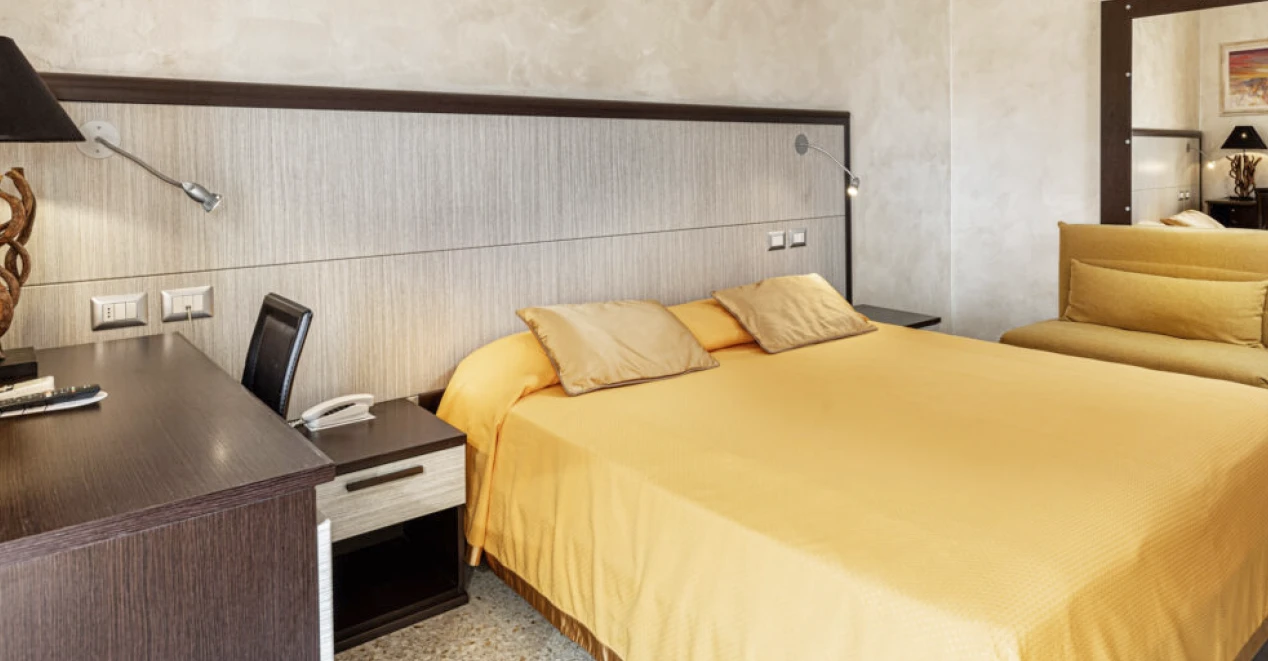
The article ends by recommending Hotel Minerva as a base for visiting Siena’s treasures. The hotel offers various room categories – Junior Suite, Superior, Elegant Standard and Easy Economy – some with balconies overlooking the historic centre. Amenities include a guarded garage, breakfast included, a panoramic garden, bar, 24‑hour reception, meeting room, relaxation areas and even horse‑riding excursions . Special offers and packages (romantic getaways, tasting experiences, floor visits) are available throughout the year .