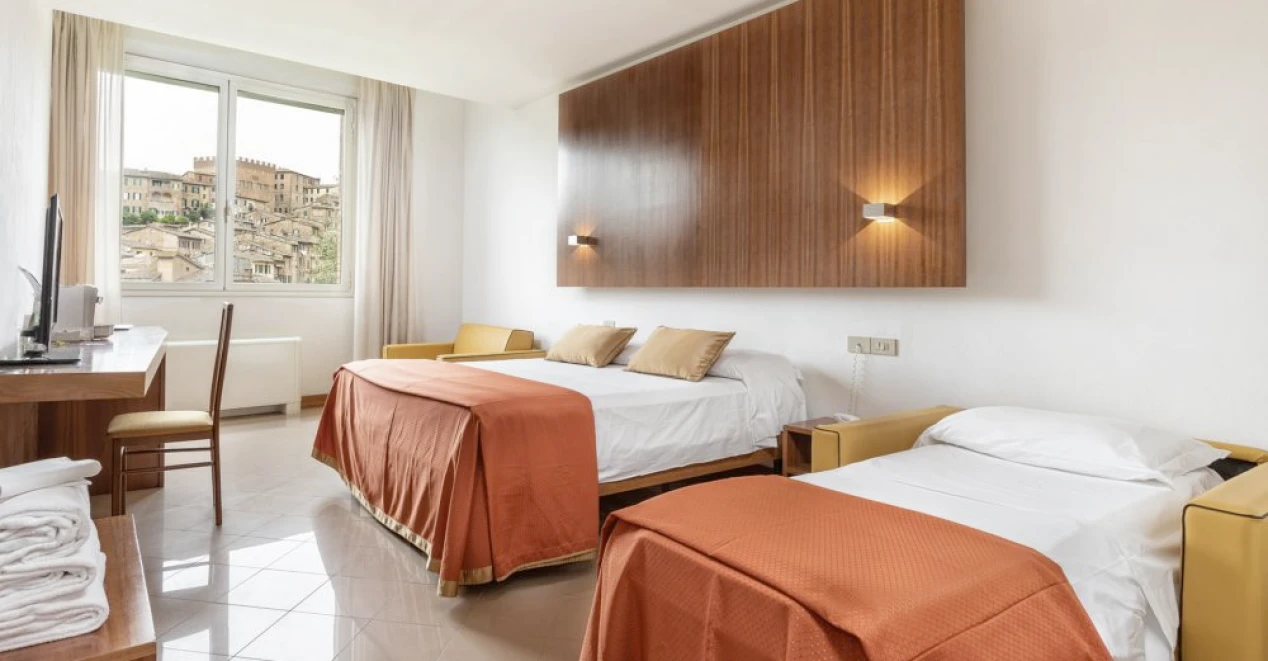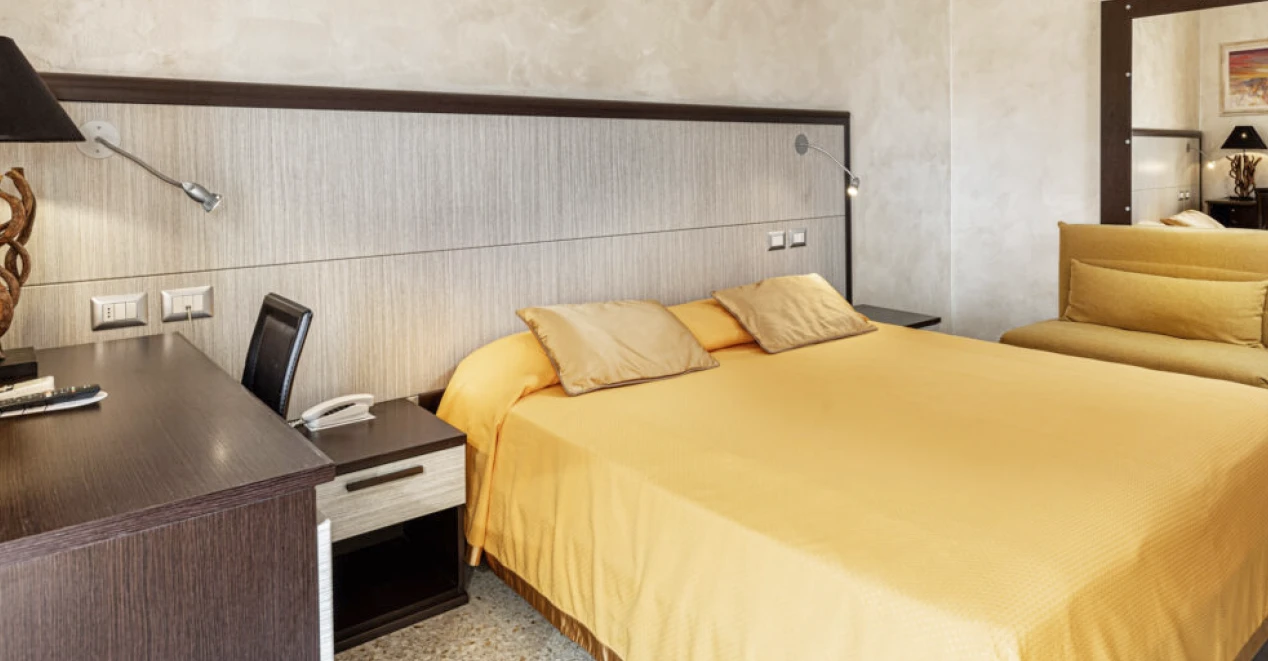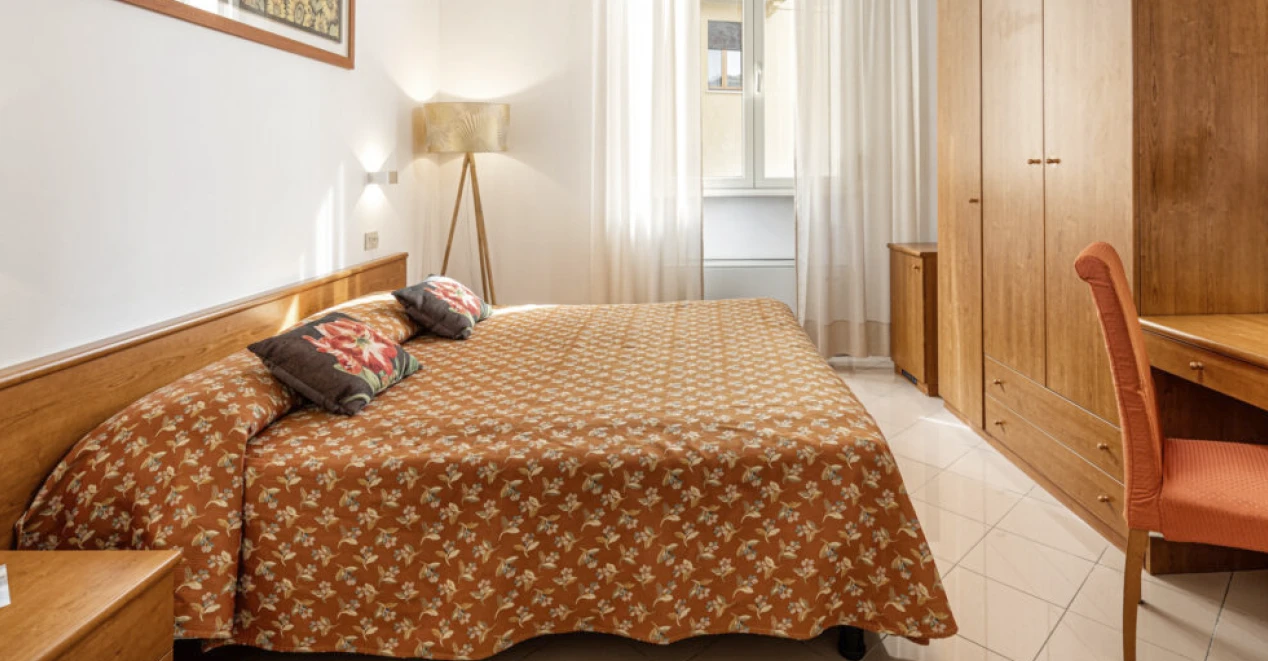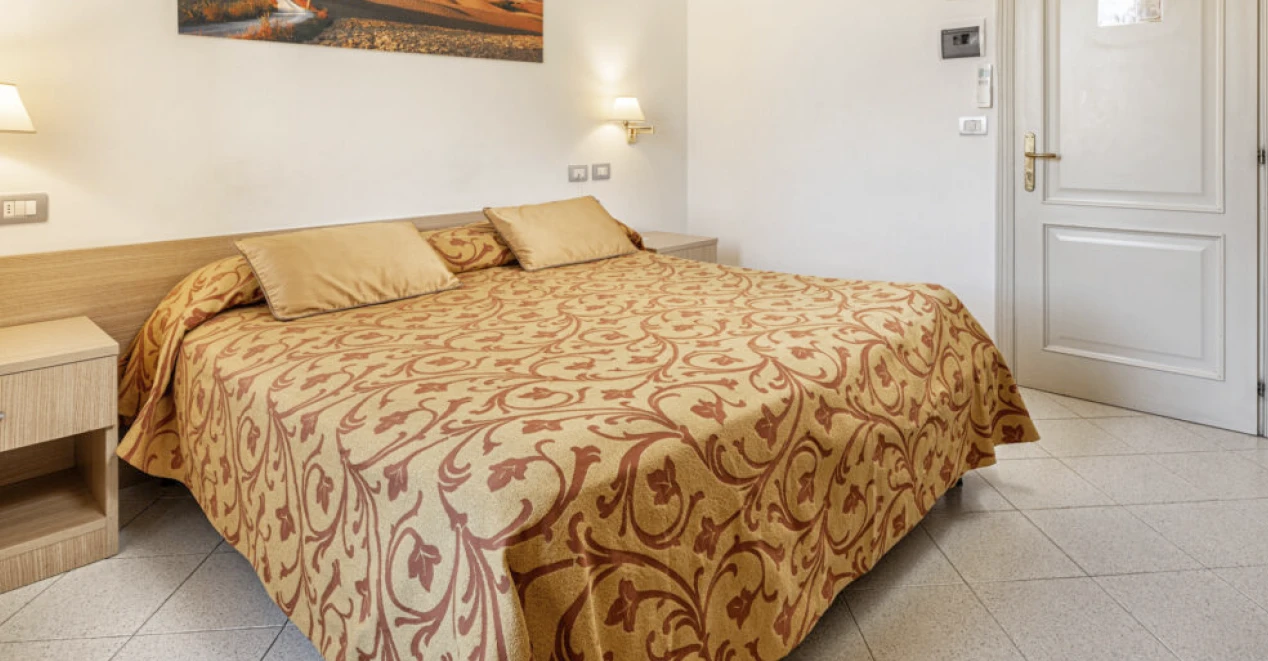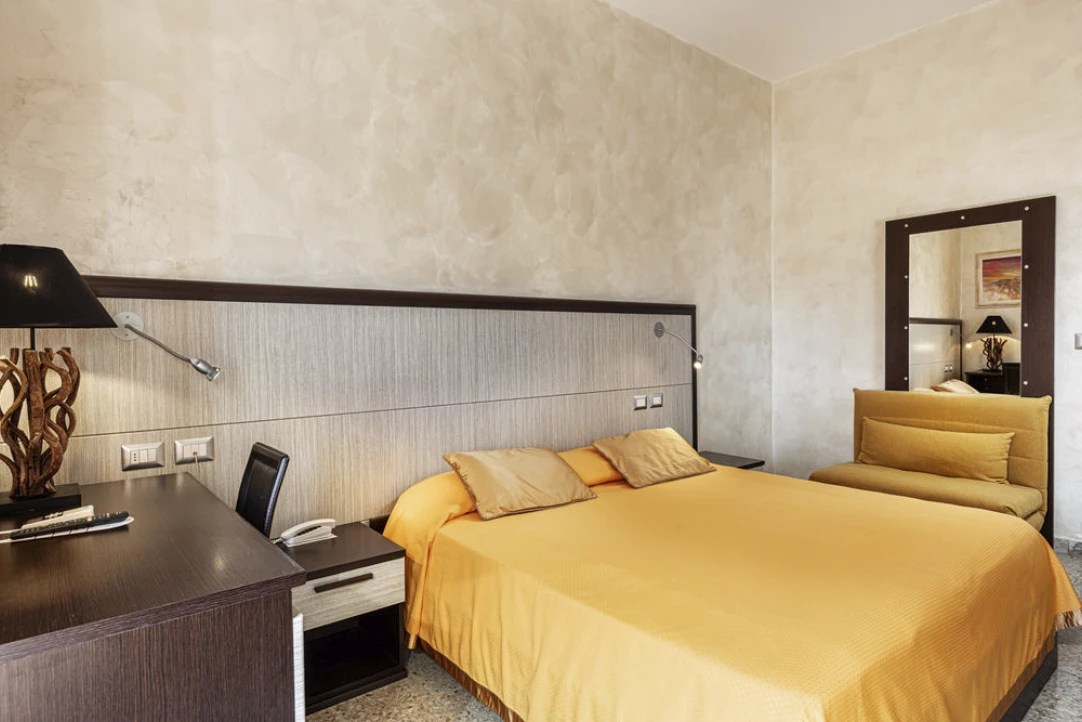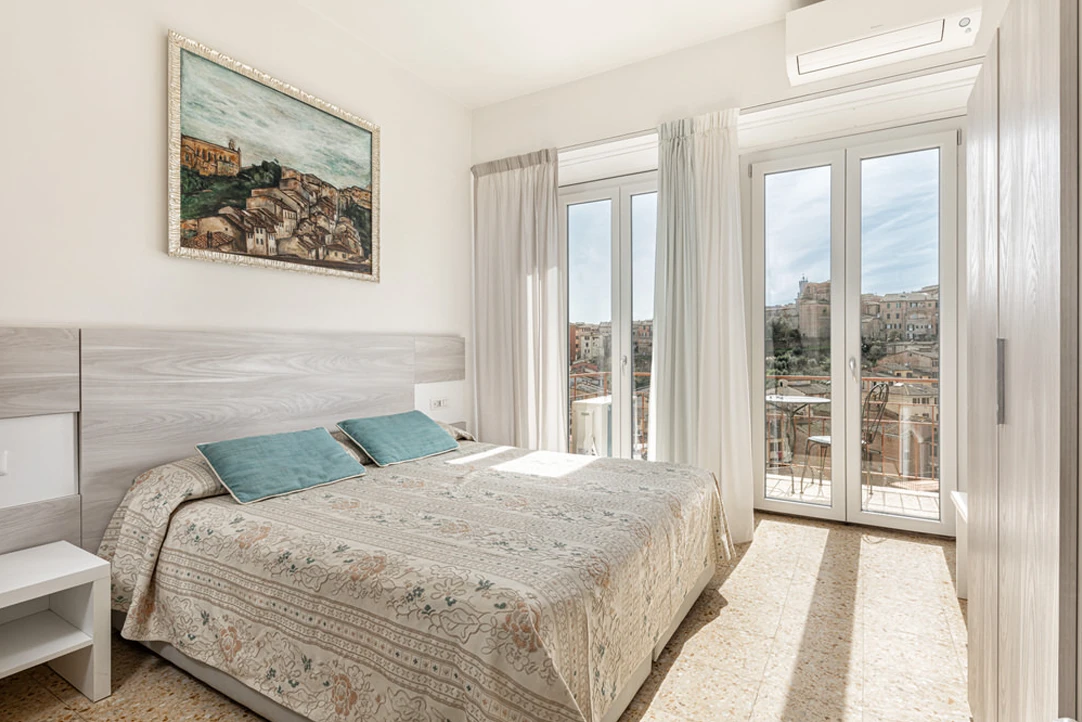

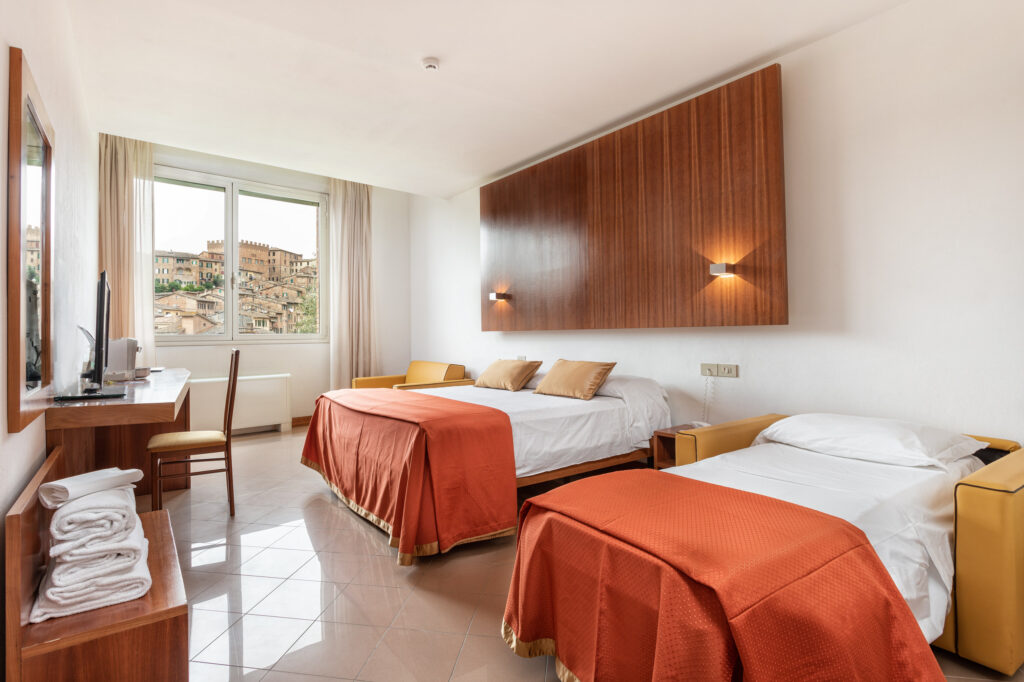
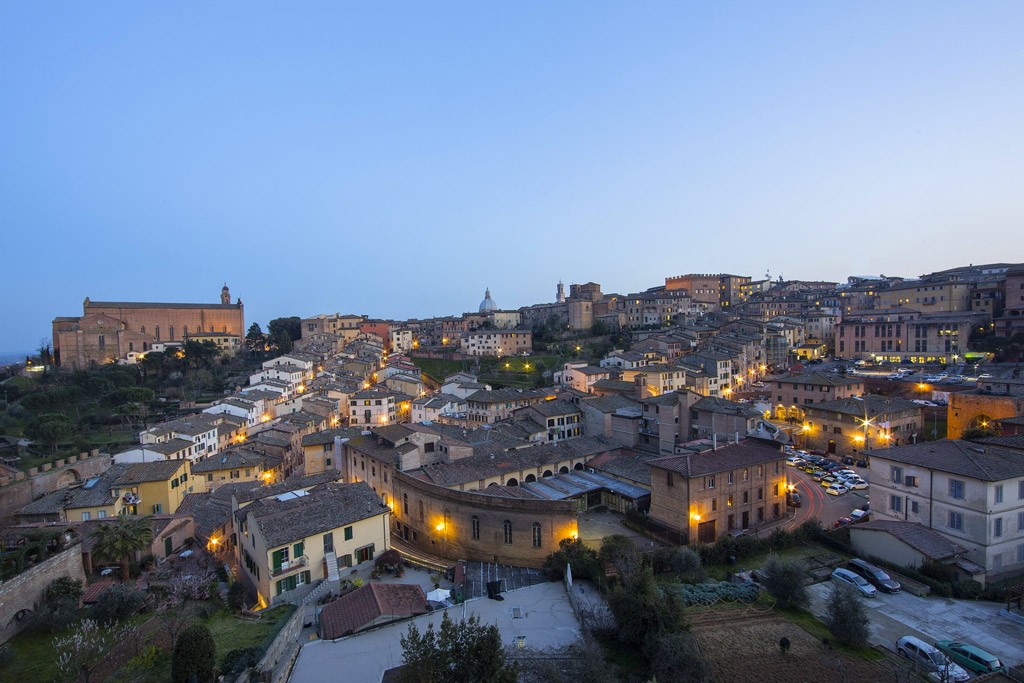
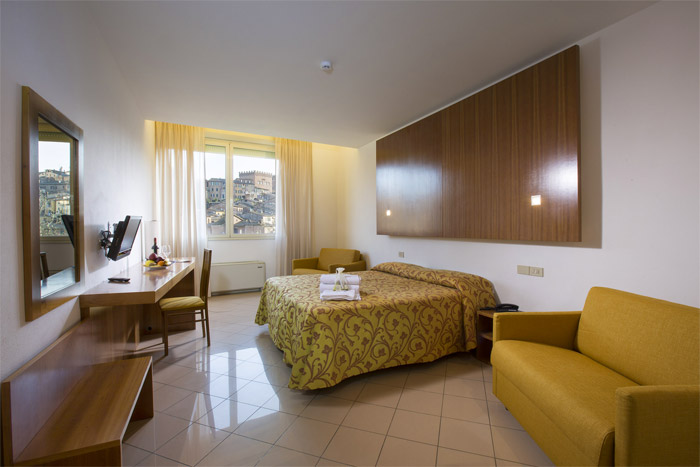
Welcome to Siena! 🙂 This informal guide will walk you step by step through a one-day walking itinerary to discover Siena, ideal for families, couples, solo travellers, students and business travellers. We will start from Hotel Minerva in Siena, a perfect base given its central location: it’s only 10 minutes on foot (0.9 km) from Piazza del Campo and 11 minutes (1 km) from the Duomo. Get ready to explore famous landmarks – such as Piazza del Campo, the Duomo and Torre del Mangia – but also some lesser-known corners loved by locals. The itinerary includes indicative times, distances to walk, tasty stops for lunch, ice cream and aperitifs, tips for souvenirs, and an FAQ section with many useful suggestions. Backpack on and comfortable shoes: Siena is waiting for you! 🗺️
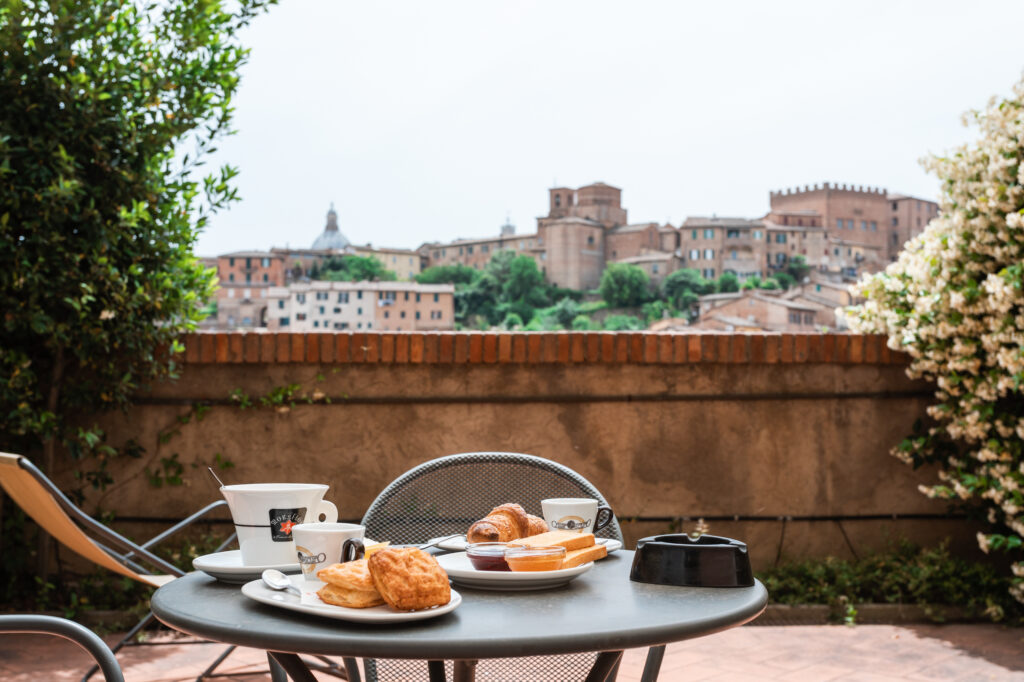
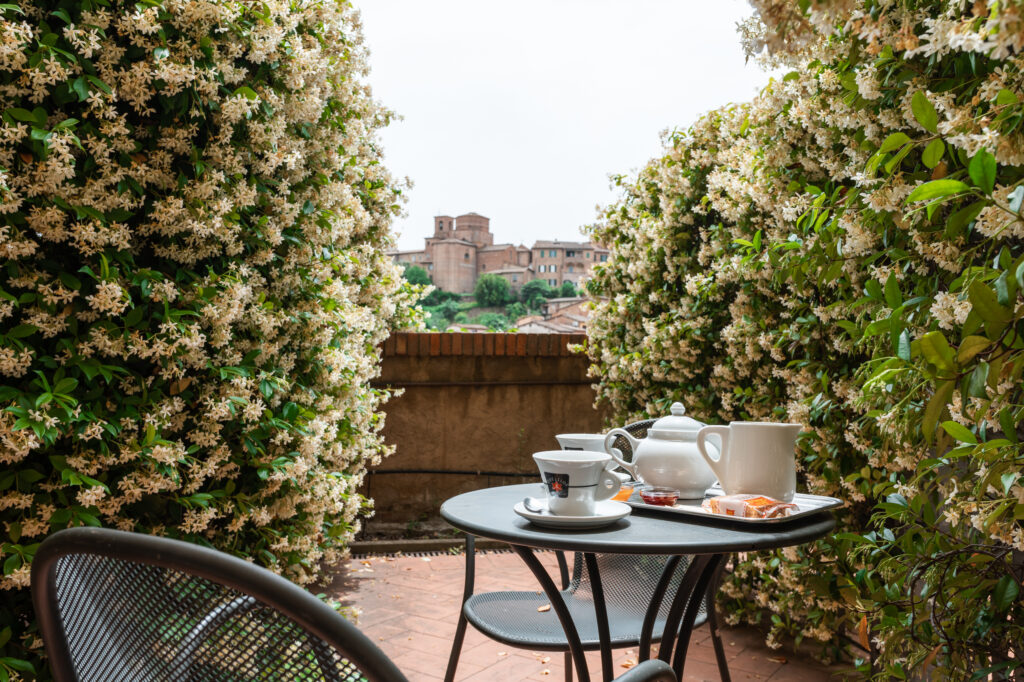
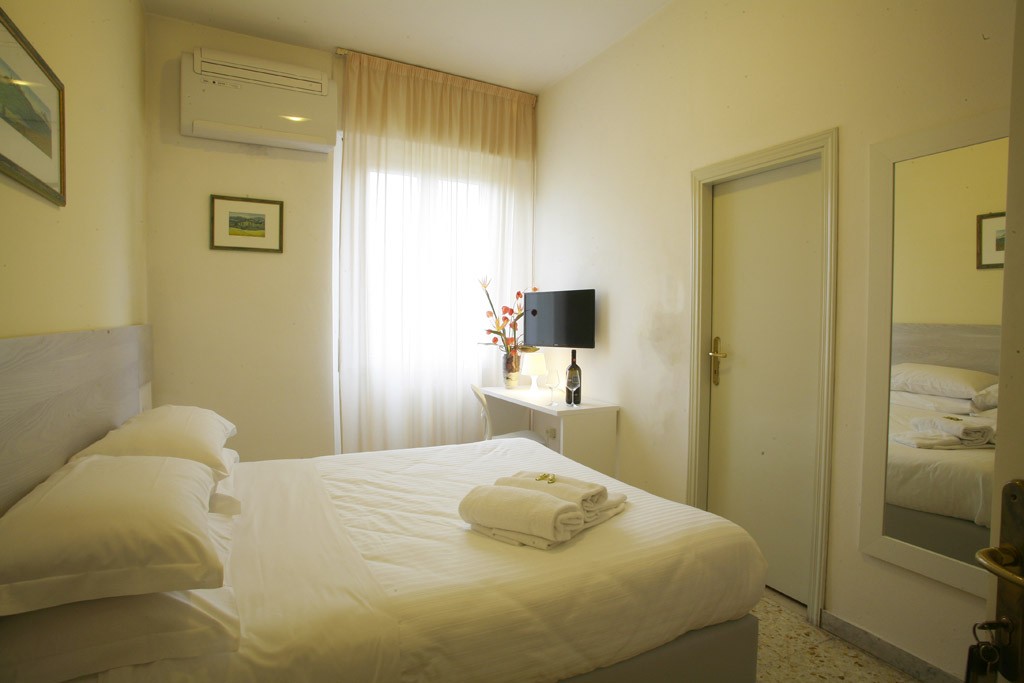
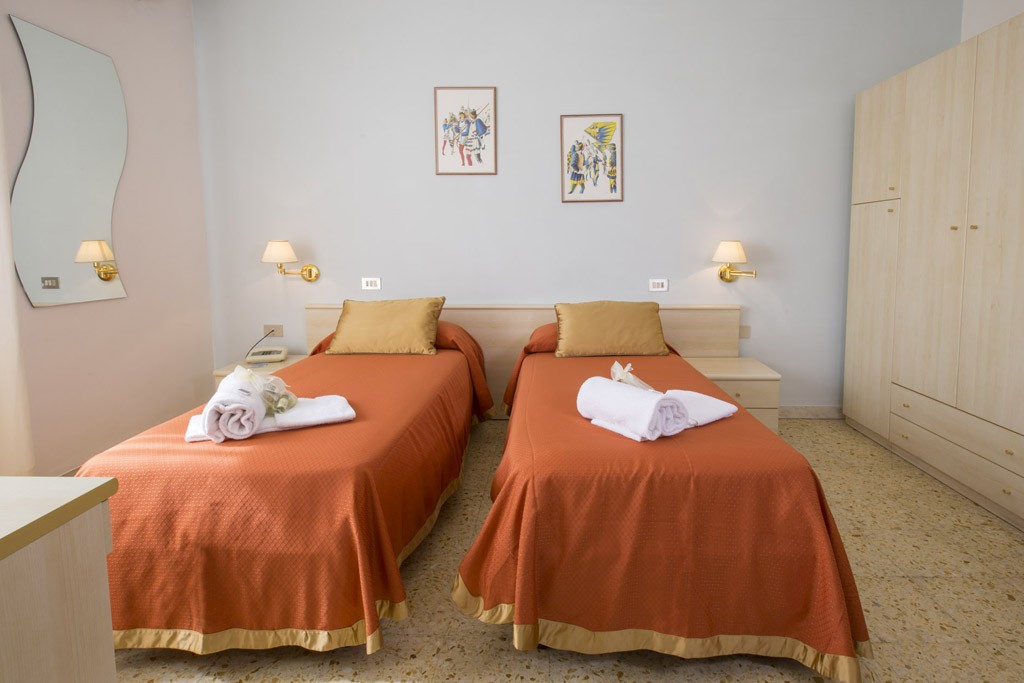
Complete One-Day Itinerary in Siena
Below you’ll find a detailed itinerary from morning to evening, entirely walkable starting from Hotel Minerva. Each stop includes the suggested time, the average duration of the visit, the walking distance from the previous stop (and from the Minerva) and what to see. Feel free to adapt the schedule to your pace – the important thing is to enjoy the city!
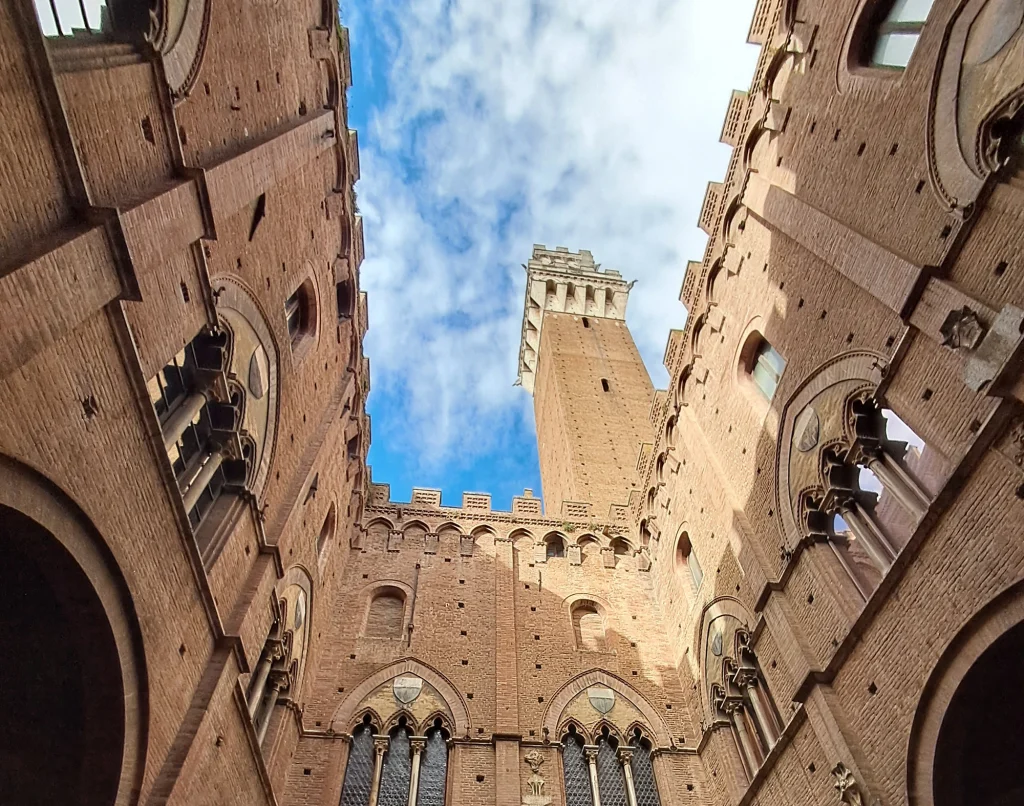
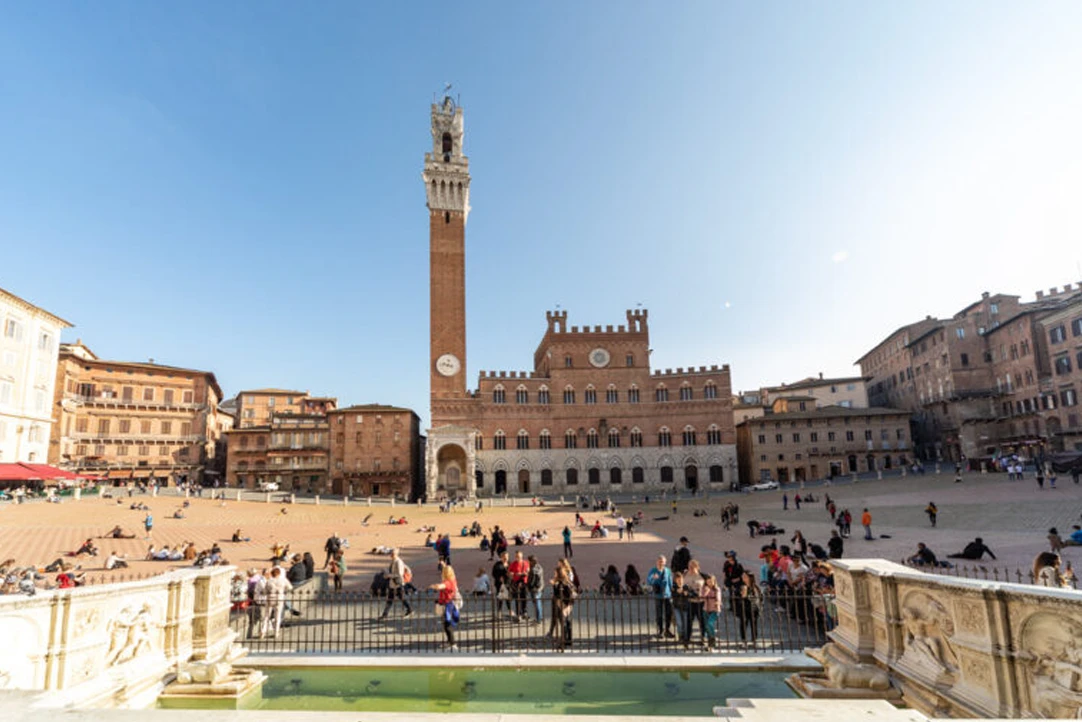
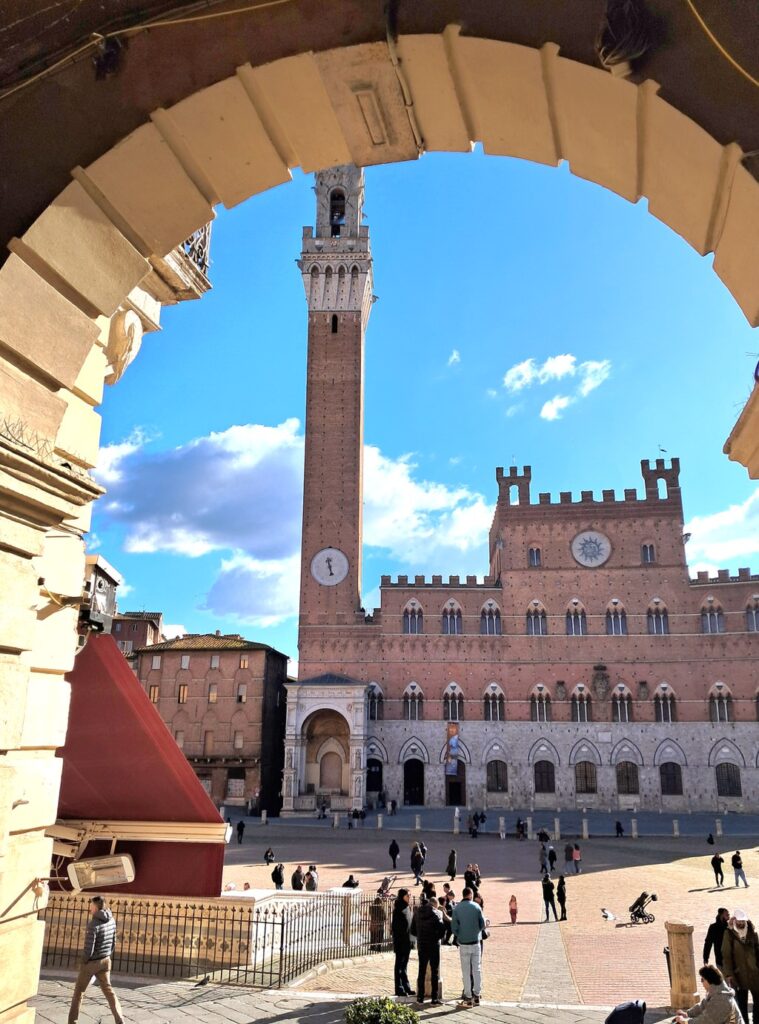
9:00 AM – Piazza del Campo: From the Minerva, in about 10 minutes of pleasant walking, you arrive at the heart of Siena, the incomparable Piazza del Campo. This medieval shell-shaped square is famous for its architectural beauty and because the Palio di Siena is raced here twice a year. Spend about 30 minutes exploring the square and admiring its details: at the centre stands the Fonte Gaia, a beautiful monumental fountain decorated with marble reliefs. Noble palaces surround the square, and above all the 14th-century Palazzo Pubblico, seat of the Municipality and Civic Museum, with its towering Torre del Mangia. You’ll already notice the gothic elegance of the Palazzo Pubblico and the dizzying height of the medieval tower. Piazza del Campo is the perfect place to start your day: take photos, sit for a moment on the red paving stones and breathe in the unique atmosphere of Siena waking up. (Distance Hotel Minerva → Piazza del Campo: ~0.9 km, 10 minutes on foot)
10:00 AM – Climb Torre del Mangia: If you feel like it, tackle the Torre del Mangia early in the morning, when there’s less queue. The ticket office in the Courtyard of the Podestà opens at 10:00 AM and climbs take place in groups of 25 people every ~45 minutes. The ticket costs about €10 and cannot be booked online (you need to buy it on-site on the same day). Prepare to climb about 400 narrow, steep steps – it’s strenuous (not recommended for those with heart conditions, vertigo or with strollers), but the panoramic view rewards every effort. From the top of the 87 metres high Torre del Mangia you’ll have a spectacular 360° view of Siena and the Tuscan hills. On a clear day, your gaze will stretch from the Sienese countryside to the towers of San Gimignano in the distance. Allow about 30 minutes for the climb, photos at the top and the descent. (If you prefer not to climb, you can alternatively visit the Civic Museum inside the Palazzo Pubblico, where you can admire, in about 30-45 minutes, the famous Good Government frescoes by Ambrogio Lorenzetti). After the tower, treat yourself to a quick coffee under the porticos of Piazza del Campo – you’ve earned it! ☕️ (Distance Piazza del Campo → Torre del Mangia: <0.1 km, just a few steps)
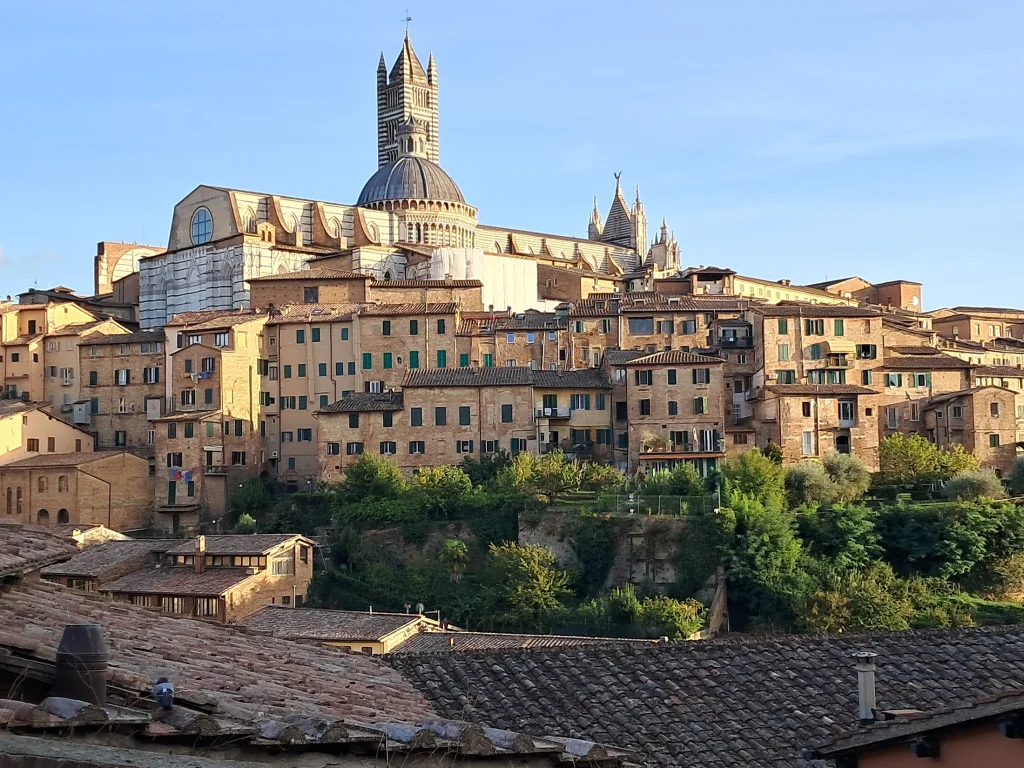
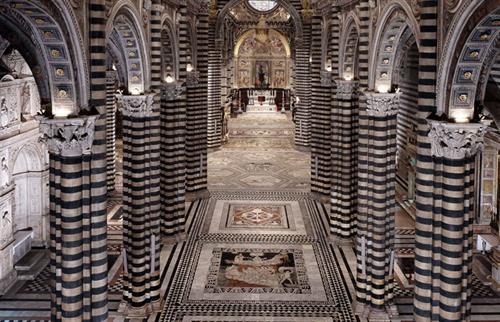
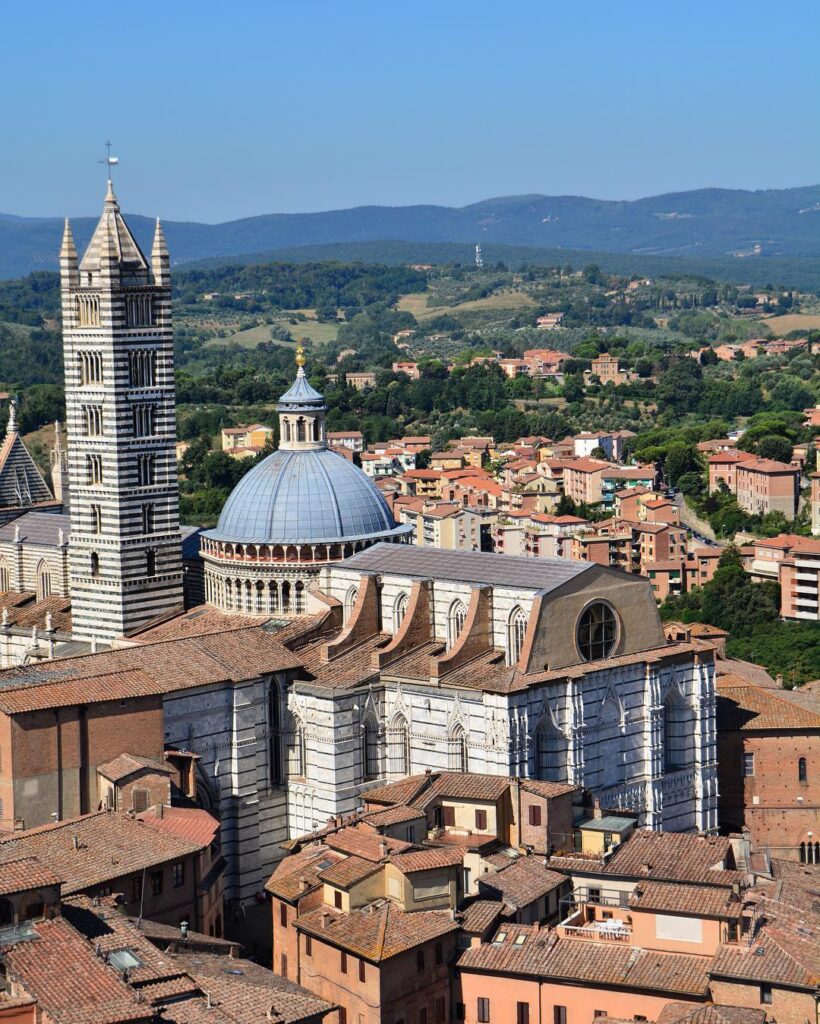
11:30 AM – Siena Cathedral and Piazza del Duomo: From Piazza del Campo, with a 5-7 minute uphill walk (about 400 m) through picturesque medieval lanes, reach Piazza del Duomo. Here you will be facing the magnificent Cattedrale di Santa Maria Assunta, one of the Gothic masterpieces of Italy. The cathedral façade immediately strikes with its white and dark green marble (the “green of Prato”) and the richness of sculptures and decorations. Enter the Duomo (it often opens at 10:30, continuous hours until ~18:00 in high season) – a single ticket costs about €8-€10, but we recommend the OPA Si Pass, a cumulative pass of about €15 valid for 3 days that includes the Cathedral, Piccolomini Library, Crypt, Baptistery and the Opera Museum with the Facciatone, saving you on single admissions. Inside the Duomo you will be amazed: the floor is a spectacular carpet of inlaid mosaics (note, it’s fully visible only at certain times of the year), the black and white naves are imposing, and you’ll find works by Michelangelo, Donatello and Bernini. A must-see stop is the Piccolomini Library: a side chapel frescoed by Pinturicchio (with help from a young Raphael) that houses ancient illuminated choir books – it feels like a secret jewel within the cathedral. It is worth spending about 30 minutes inside the Duomo to see everything at leisure. If you have the pass, also descend into the medieval Crypt beneath the cathedral (discovered only in 1999!), where the vivid colours of the 13th-century frescoes will take you back in time. Opposite the Duomo, in the Baptistery of San Giovanni, you can admire the baptismal font by Jacopo della Quercia and frescoes from the Sienese school – also included in the pass. Before leaving, if you don’t suffer from vertigo, use the pass to climb the Facciatone: it’s the panoramic wall of the never-finished “New Cathedral” – climbing a spiral staircase will bring you to a panoramic terrace from which to enjoy yet another wonderful view of Siena, particularly of Piazza del Campo from above. (Total time at Piazza del Duomo, with all visits: ~1.5 hours. Distance Torre del Mangia → Duomo: ~400 m, 5-7 minutes uphill.)
1:00 PM – Typical lunch break (Via Camollia area or centre): After the morning’s artistic deep dive, it’s time to recharge your energy. For lunch you have a couple of options: if you want a quiet lunch with local cuisine, you can move a few minutes away from the centre and head towards Via Camollia (about a 10-minute walk from the Duomo) where you’ll find excellent trattorias frequented by the locals. For example, Trattoria Fonte Giusta (Via Camollia 102) is highly rated for its authentic Sienese dishes and honest prices. Try the pici with wild boar ragù or the ribollita, accompanied by a glass of Chianti – they’ll give you the energy boost for the afternoon. Budget around 1 hour for a seated lunch. Alternatively, if you prefer to save time, you can stay in the Duomo/Piazza del Campo area and grab a quick lunch: for example a finocchiona sandwich or a slice of pizza from a local bakery, maybe to be enjoyed sitting in the shade in Piazza del Campo or down a side street. (If you’re with restless children, consider a lunch picnic at the Orto de’ Pecci – more on this later). Whatever option you choose, don’t forget to treat yourself to a little sweet: we’re in the land of panforte and ricciarelli! Perhaps later you can stop at a pastry shop for these tasty souvenirs. 😉
2:30 PM – Santa Maria della Scala (museum) and surroundings: After lunch, if you feel like more culture (optional), go back to Piazza del Duomo to visit Santa Maria della Scala, right opposite the cathedral. This is an enormous museum complex that was originally a medieval hospital (one of the oldest in Europe) and today houses museums and exhibitions from archaeology to contemporary art. Admission costs €9 full (free with some combined tickets) and the opening hours in high season are continuous 10:00-19:00. Spend at least 45-60 minutes exploring its labyrinthine corridors and frescoed chapels: unmissable is the Sala del Pellegrinaio with 15th-century frescoes depicting hospital life, and the evocative undergrounds with Etruscan collections. Santa Maria della Scala is a cool, semi-hidden treasure away from the mass tourism, ideal if it’s very hot or rainy, or simply if you want to discover a different aspect of Siena. (If you prefer something lighter after lunch, you can skip this visit and continue with the itinerary; in one day only, visiting both the Duomo and Santa Maria can be tiring.)
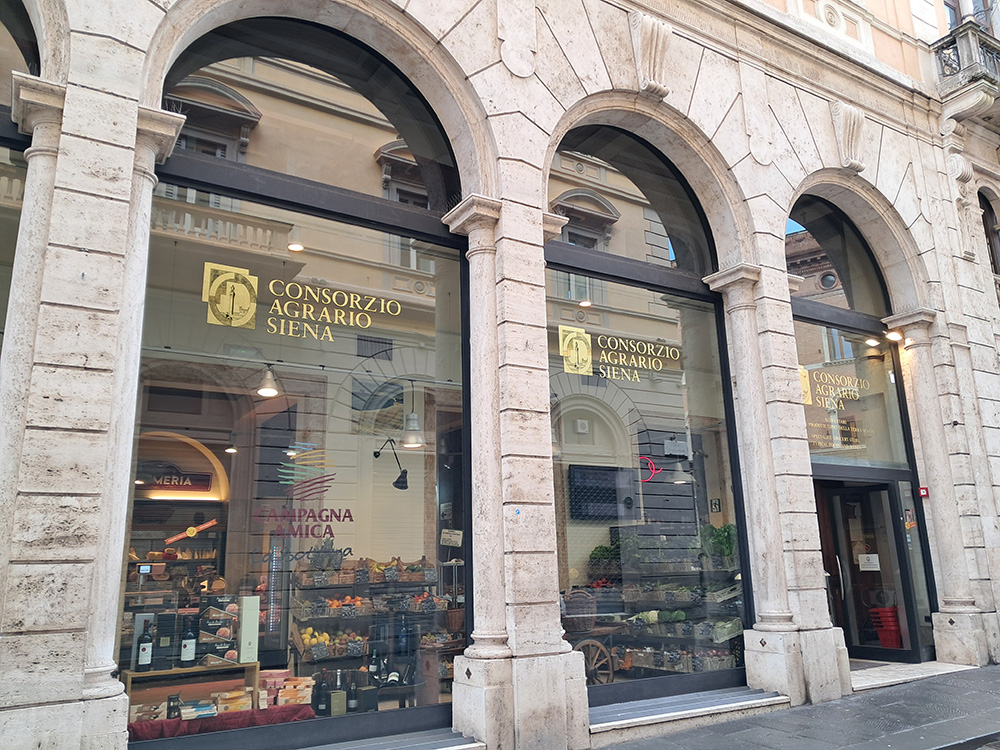
4:00 PM – Via Banchi di Sopra, Palazzo Salimbeni and snack: In the afternoon, head towards Via Banchi di Sopra, one of Siena’s main pedestrian streets, full of shops, cafes and pastry shops. From Piazza del Campo it’s a few minutes away via via Banchi di Sotto/Via di Città; from Santa Maria della Scala/Duomo walk down via dei Fusari and join via di Città southwards. Along Via Banchi di Sopra you’ll encounter Palazzo Salimbeni and its little square: stop to admire the gothic façade of this 14th-century palace, the historic headquarters of Banca Monte dei Paschi di Siena, the oldest bank in the world still operating. The square, with the statue of Sallustio Bandini and the bank buildings, is a characteristic less frequented corner by tourists, perfect for a photo. Nearby a tasty stop is mandatory: look for Pasticceria Nannini, a historic café famous for its Sienese specialities like ricciarelli and panforte. You can sit down for a coffee and taste these typical sweets (maybe buying some to take away as edible souvenirs). Alternatively, if you’re more of a gelato person, a little further on via di Città you’ll find “La Vecchia Latteria” (via San Pietro, 10) renowned for Siena’s best artisanal ice cream – try the panpepato or Sienese cream flavours! 🍨 After the snack, browse the craft and souvenir shops along Banchi di Sopra: you can find Tuscan ceramics, contrade banners and scarves from the Palio, or bottles of Chianti and Vin Santo and Pecorino di Pienza at the Agrarian Consortium (a typical food shop in the area). There’s no better gift than a taste of Tuscany to bring back home.
5:30 PM – Siena again: panoramic corners and last monuments: In the late afternoon, with the golden light warming Siena’s bricks, it’s the perfect time to discover some hidden corners or take a last relaxing walk. If you have kids who want to run around, you can head to Orto de’ Pecci, a delightful orchard-garden just off Piazza del Mercato (behind the Palazzo Pubblico). In 5 minutes on foot from the Campo, you descend into this green valley where you’ll find this rural corner in the city: you’ll find gardens, fruit trees, a small farm with donkeys, goats and peacocks, and wide lawns where children can run freely. Entry is free and there’s also a kiosk/bar – perfect for a green break with a view of the city’s towers. Adults will appreciate the unusual view of Siena’s profile from below and the bucolic atmosphere (after all, this is where a medieval garden once grew cultivated by monks, so it’s also a historical place). If instead you’re looking for one last panoramic viewpoint from above (free), one idea is to head to the nearby Basilica of San Domenico. This imposing brick church (also known as the Basilica Cateriniana) stands on a hill a few minutes from Piazza Salimbeni – follow Via dei Montanini and then Via della Sapienza northwards. San Domenico closes around 18:00-18:30 and is free entry, so you can peek inside: it houses the holy relic of Saint Catherine of Siena’s head and beautiful frescoes by Sodoma. But the highlight is outside: from the square in front of the Basilica or from the car park behind, you get a wonderful view of the Duomo and the entire historic centre, especially at sunset. Many photographers position themselves here to capture Siena in the evening light. It’s a great place to say goodbye to the city with your eyes: you’ll see the profile of the Torre del Mangia towering over the red roofs and understand why Siena stays in your heart.
7:00 PM – Aperitif at sunset: After an intense day, let’s end beautifully with a well-deserved Tuscan aperitif. You can head back to Piazza del Campo and choose one of the bars with outdoor tables on the square: sipping an Aperol Spritz or a glass of Vernaccia while watching people pass by on the Campo at sunset is priceless. A much-loved place is Liberamente Osteria, right on the Campo, which offers platters of pecorino and cold cuts and excellent cocktails with a view of the Tower. Alternatively, if you prefer a panoramic, less touristy spot, climb onto the Walls of the Fortezza Medicea (area of the Fortino/Stadio, 15 minutes on foot from Piazza del Campo northwards): here there’s a free walkway on the ramparts where you can admire the sun setting over the hills, perhaps with an artisanal beer bought at the Fortresso’s kiosk. Whatever the choice, toast to your day in Siena! 🥂
8:00 PM – End of the tour (and Sienese dinner): Our one-day itinerary ends here. If you’re staying overnight in Siena (perhaps again at the Minerva 😄), you can head out for dinner in one of the typical osterias to taste more specialities (wild boar stew, pinci all’aglione, pappa al pomodoro…) and take an evening stroll around the centre for digestion, when the crowds thin and Siena reveals its most romantic and tranquil side. Congratulations, in one day on foot you have visited the best of Siena! You will have noticed that the historic centre is quite compact and easily walkable without transport: from Hotel Minerva to the main attractions everything is within walking distance.
Below you’ll find a practical summary of the attractions with opening hours, prices, distances and recommended visit durations, and further down an FAQ section with additional tips (what to do if it rains, whether the itinerary is doable in one day, etc.). Enjoy the rest of your time and come back soon to Siena! 🌻
Summary of the Main Attractions
| Attraction | Opening Hours (indicative) | Entrance / Tickets | Recommended visit duration | Walking Distance from Minerva |
|---|---|---|---|---|
| Piazza del Campo | Always accessible, 24/7. Palio: July 2 and August 16 (event) | Free. (Free access to the square) | 20-30 minutes (square only) | ~700 m – 10 minutes |
| Torre del Mangia (Palazzo Pubblico) | Mar–Oct: 10:00-19:00;Nov–Feb: 10:00-16:00 (last admission ~45 minutes before closing) | €10 full Combo Civic Museum+Tower: €15. No online booking. | 30 minutes (climb + view) | ~700 m – 10 minutes (to Piazza del Campo) |
| Palazzo Pubblico – Civic Museum | Every day.Nov–Feb: 10:00-18:00;Mar–Oct: 10:00-19:00 | €6 Civic Museum.Combo Civic+Santa Maria: €13. | 30-45 minutes | (In Piazza del Campo) |
| Duomo di Siena (Cathedral) | Apr–Oct: ~10:30-19:00;Nov–Mar: ~10:30-17:30 (varies with season/holidays) | OPA Si Pass (Duomo+Museums) €14-16.Cathedral only: ~€8; Duomo+Library: ~€12. | 30 minutes (cathedral only)1-1.5 hours (complete complex) | ~1.0 km – 11 minutes |
| Piccolomini Library (in the Duomo) | Same hours as the Duomo | Included in the Duomo/OPA Pass ticket | 10-15 minutes | (Inside the Duomo) |
| Baptistery of San Giovanni | 10:30-19:00 (Apr-Oct); shorter in winter (afternoon) | Included in OPA Si Pass; or ~€6 single | 15-20 minutes | ~1.1 km – 15 minutes (from Minerva, behind the Duomo) |
| Crypt (under the Duomo) | 10:30-19:00 (Apr-Oct) | Included in OPA Si Pass | 15-20 minutes | (Under the Cathedral) |
| Opera Museum + Facciatone | 10:30-19:00 (Apr-Oct) | Included in OPA Si Pass;Museum only ~€8 | 30-40 minutes (museum + Facciatone climb) | (Piazza Duomo, right-hand side) |
| Santa Maria della Scala Complex | Mar–Oct: 10:00-19:00 (Tue–Sun);Nov–Mar: 10:00-17:00 (Mon/Wed/Fri); closed on Tuesdays | €9 full.Combo Civic+SMS: €13. Audio guide €5. | 45-90 minutes (up to your preference) | ~1.0 km – 12 minutes (in front of the Duomo) |
| Palazzo Salimbeni (outside) | Exterior always visible (square open 24h) | Free (interior not open, bank headquarters) | 5-10 minutes (just for photo stop) | ~600 m – 8 minutes |
| Basilica of San Domenico | Every day ~7:30-18:30 | Free. Donation welcome. | 15-20 minutes (inside) | ~800 m – 10 minutes (from Minerva); ~500 m from Salimbeni |
| Orto de’ Pecci | Always open (public outdoor area); restaurant open for lunch and dinner | Free park access. | 20-30 minutes (relaxing walk) | ~1.2 km – 18 minutes (from Minerva, going down from Porta Ovile) |
Note: Hours may vary by season/holidays; check official websites. The walking distances are calculated from Hotel Minerva and are approximate. The duration of visits are average estimates: adjust according to your interests (e.g. art lovers might spend more time in the Civic Museum or Santa Maria della Scala).
Frequently Asked Questions (FAQ)
Q: Can I really see everything in one day?
A: In just one day in Siena you can see the main attractions, but be prepared to walk and make some choices. The proposed itinerary takes you to the must-see places (Campo, Torre, Duomo…) in about 8-10 hours. It’s doable, but a bit intense. Tip: start early in the morning and buy any combined tickets in advance to save time at the ticket offices. Keep in mind that visiting all the interiors (museums, churches, towers) in a single day is demanding; you might need to leave something out. For example, if you’re short on time, you could admire the Duomo only from the outside and not climb the Tower, or visit the Duomo but not the Civic Museum. The priority depends on your interests: sacred art? panoramas? medieval history? – Choose accordingly. In summary, in a day you’ll see the best, but Siena offers a lot and is worth coming back to with more time in the future (perhaps exploring the surroundings and the districts).
Q: Is the itinerary suitable for families with children?
A: Yes! Siena on foot in the centre is pleasant even with children, you just need a few adjustments. The distances aren’t excessive and many areas are pedestrianised. With a pushchair you might encounter some uphill sections (towards the Duomo) and stretches of cobblestones, but nothing impossible. Get the children involved by telling them stories about horses and contrade of the Palio – Piazza del Campo will become a magical place for them to imagine horse races. Maybe avoid the climb up Torre del Mangia with very small children (400 narrow steps with no possibility of exiting halfway: it can be stressful). Instead, focus on fun activities: for example the hunt for the sculpted animals on the Duomo façade (there are many curious characters on the capitals that kids will enjoy finding). Ice cream break: a must with the little ones, and Siena has excellent artisanal gelaterias. An afternoon stop at the Orto de’ Pecci is perfect to let them run around: there’s space to run and see some animals (donkey, goats, geese) without leaving the centre. Also the Natural History Museum (if it rains) or simply looking at the fountains (like Fontebranda near San Domenico) can intrigue them. Many restaurants in the centre are family-friendly and offer high chairs and simple dishes. Finally, keep in mind that entry to the Basilica of San Domenico is free and inside there’s the relic-head of Saint Catherine: it can impress older kids and make little ones feel like they’re on a sacred treasure hunt! In general, with flexible rhythms and play breaks, even children will fondly remember their Sienese day.
Q: What happens if it rains? Does the itinerary fall apart?
A: Don’t worry, Siena offers plenty even indoors. If it rains, you can adapt the itinerary, favouring indoor attractions. For example: spend more time in the Duomo (sheltered under its vaults – perhaps skipping the outdoor Tower), explore the Civic Museum inside the Palazzo Pubblico with its famous frescoes, or treat yourself to more time at Santa Maria della Scala (a great refuge in case of rain, with museum rooms and also an internal cafe for a hot chocolate). Another indoor place is the National Picture Gallery of Siena (if you have time and love medieval art: it holds 13th-14th century Sienese paintings, and is in a historic residence). To shelter between stops, use the porticos: for example under the Logge della Mercanzia (at the corner between Banchi di Sopra and Piazza del Campo) or take a break under the vaults of the Palazzo Pubblico. Many osterias and shops in the centre are small and characteristic: take advantage to go inside and explore, taste some Pecorino cheese in a typical food shop or have a glass of wine in a wine bar. Weather tip: carry a folding umbrella or a rain poncho, because Tuscan showers come and go. If the rain is heavy, you can reverse the order: for example, do indoor museums in the morning and hope that in the afternoon the sky opens so you can climb the Tower or walk outside. And know that Siena in the rain has a special charm: the wet bricks of Piazza del Campo become shiny and reflect the lights, and the smell of earth and stone will envelop you – a poetic memory of your visit! 🌧️
Q: Is there a free panoramic point in Siena for photos from above?
A: Absolutely yes. If you don’t want (or can’t) climb Torre del Mangia or Facciatone, you can still enjoy splendid views without paying for tickets. The most famous free panoramic point is at the Fortezza Medicea (Fortress of Santa Barbara): on its mighty walls, which are freely accessible, you can do the complete circuit with breathtaking views of the city and countryside. In particular, from the southern bastion you can clearly see the Duomo and Torre del Mangia emerging from the roofs – great at sunset! Another beautiful free panorama is, as mentioned, from the churchyard/terrace of the Basilica of San Domenico: from there, Siena Cathedral appears to you frontally in all its elegance, a great spot for photographs (especially in the late afternoon with the best light). Also, walking around the Duomo itself, behind the apse, there is a small panoramic space over Piazza del Campo and the lower city. Furthermore, if you venture as far as the Costone di San Francesco (near the University of Siena): from the car park and public garden on Via di San Francesco the view extends to the south side of the city and the Basilica dei Servi. Finally, here’s a secret: climbing the Antiporto di Fontanella escalator (linking a car park outside the walls near Porta Ovile), during the climb an unexpected view opens up over the rooftops – few tourists know it! In short, Siena is full of free panoramic views, just wander the alleys and look up. Bring your camera! 📸
Q: Is it worth buying combined passes or booking in advance?
A: Yes, it’s worth it both in terms of saving money and time. In particular, if you plan to visit the entire Duomo complex (cathedral, Library, museum, baptistery, crypt, Facciatone), the OPA Si Pass is highly recommended: for about €15 you get access to 5-6 sites and skip any lines at the individual ticket offices. Also, the combined ticket Civic Museum + Santa Maria della Scala (+ Tower) is convenient: for example €20 for Tower + Civic + SMS, compared to ~€10+€6+€9 separately. From the reservation point of view, Siena is less crowded than other cities but in high season (July, August) and on weekends it is still busy. What to book online: entry to the Duomo and complex can be booked (specific time) on the official website – useful especially during the “floor uncovering” when there’s a lot of crowd. Even the Porta del Cielo (tour to the Duomo’s roof area) requires booking due to limited numbers. Torre del Mangia does not accept reservations – you must go to the ticket office in the morning (Tower tickets tend to sell out in the first hours for the entire day, so it’s best to go early). To save time, you can buy online tickets for the Civic Museum and Santa Maria della Scala (common website SienaMusei) with a small surcharge of €1 – useful if you want to avoid the queue in Piazza del Campo. In general, I recommend booking online all the tickets you can if visiting in high season: arrive with vouchers on your phone and you’re good to go. If you’re out of the peak periods, you can also buy on-site without much waiting. Besides passes, to save money consider that many attractions are free: churches such as San Domenico, minor museums during the #DomenicalMuseo initiative (on the first Sunday of the month many state museums are free), or simply walking through the Contrade costs nothing but gives authentic thrills. In summary: cumulative passes yes (they’re handy), and online reservations assess according to your travel period.
Q: Where can I stop to buy authentic souvenirs along the way?
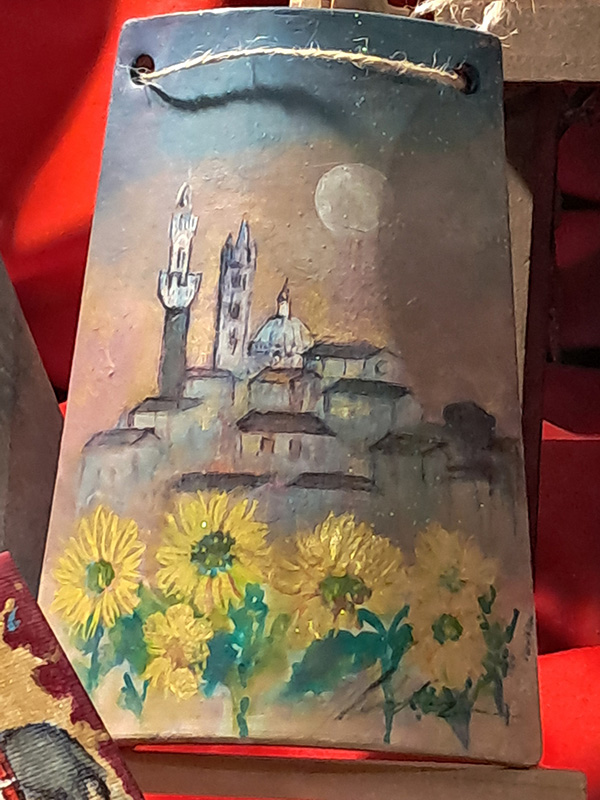
A: Siena is rich with traditional shops where you can find quality souvenirs. Here are a few suggestions along our itinerary: 1) Typical gastronomic products: as already mentioned, Pasticceria Nannini (in Banchi di Sopra) is the best place to buy ricciarelli, panforte, cantucci and cavallucci (spiced biscuits) – well packaged, perfect to take home. Another excellent place is the Consorzio Agrario di Siena (Via Pianigiani 9, a side street off Banchi di Sopra): you’ll find artisanal pasta, local wines, extra virgin olive oil, cured meats (like Tuscan salami and Cinta Senese ham) and Pecorino cheeses – all from the Sienese region. It’s a historic food emporium, entering is an experience! 2) Handicrafts and Palio: in the Duomo area and along Via di Città there are shops selling hand-painted ceramics, plates and tiles with Siena or Tuscan landscapes. For Palio enthusiasts, look for the flags or handkerchiefs of the 17 Contrade (you’ll find these on Via di Città and around Piazza del Campo): each district has its colours and symbols (wolf, porcupine, owl, etc.) – a colourful and folkloric memory of Siena. 3) Fashion and accessories: Siena has several leather shops where you can buy a Tuscan leather belt or handmade bag; also along Banchi di Sopra/Banchi di Sotto you’ll find good quality Italian-made clothing shops. 4) Books and prints: if you love history, look in a local bookstore for an illustrated copy about the Palio or the Contrade, or an old print of Piazza del Campo (some stationers in the centre sell them). 5) Religious souvenirs: at the Duomo shop (Piazza Duomo 8) you could buy small reproductions of the façade statues, rosaries, or books about the cathedral – for those who appreciate them. Finally, don’t forget the simplest souvenir: a postcard to send! Siena has views so beautiful they deserve to travel to your loved ones. A tip to save money: shop off the most touristy streets (maybe in slightly side shops you’ll find better prices) and always ask if they offer tax free if you spend a lot and live outside the EU. Happy shopping! 🛍️
Q: Any extra tips to save time or money during the visit?
A: Certainly, here’s a brief list of tips & tricks:
- Visit early or late: To avoid crowds and queues, aim to be in Piazza del Campo early (before 9:30) and to climb Torre del Mangia right at opening (10:00 AM) – you’ll often be among the first and can enjoy the view in peace. Conversely, the Duomo tends to be less crowded towards the end of the day (after 5:00 PM) – if you can, visit it later in the afternoon when the tour groups have left, keeping an eye on closing times.
- Plan the panoramic climbs: Climbing both the Tower and the Facciatone in one day can take time and energy. If you have the OPA pass, consider doing the Facciatone instead of the Tower to save the €10 for the Tower and some queue – the panorama is similar and just as suggestive. If you want to do both, that’s fine, but expect tired legs by the end of the day!
- Reduce unnecessary walks: The itinerary we’ve given is optimised as a loop. A tip: group visits by area. For example, quick bathroom breaks and coffee can be taken during visits (there are restrooms at Santa Maria della Scala and the Civic Museum). If your hotel (Minerva) has parking and you arrive by car, take advantage – parking in central Siena is difficult and expensive, so the Minerva’s private parking is a major plus.
- Water and drinking fountains: Bring a water bottle – Siena tap water is good and there are some public fountains in the centre (for example one below the Fonte Gaia, and one at Fontebranda) to fill it up for free, saving on expensive bar-bought bottles.
- Economical lunches: To avoid spending too much at lunchtime, look for local rotisseries or bakery shops selling pizza by the slice and filled focaccia. With €5-8 you eat something really tasty. Some names: “Il Magnifico” on via Banchi di Sopra for gourmet sandwiches, or Pizzicheria De Miccoli for filled focaccia.
- City tourist passes: Apart from the mentioned OPA Si Pass and museum combos, find out if the Tuscany Pass or similar is active, but usually for one day in Siena the local passes suffice.
- Free events: Check if there are events during your visit: often in Piazza del Campo or the Fortress there are markets, concerts or historical reenactments free of charge. For example in September there’s the book fair on the Campo, in December the Christmas markets, etc. Taking part enriches the visit at no extra cost.
- Weather and crowds: In summer, wear a hat and apply sunscreen – the Tuscan sun is strong and you’ll spend most of the time outdoors in the square. Avoid climbing (Tower/Facciatone) during 1 PM-3 PM in July-August, because besides the effort you’ll find high temperatures. Better to do the museums during the hottest hours and leave outdoors for morning and late afternoon.
- Contactless payments: Many ticket offices (Duomo, Civic museums) accept cards and contactless payments – take advantage for speed. Some sites (e.g. the Tower) might accept cash only, so carry a few euros in cash for safety.
- Ask the locals: Lastly, the best tip: have a chat with the Sienese! Hotel staff, shopkeepers, waiters… they’ll be happy to suggest corners or curiosities off the beaten track – like a particular district to visit or a hidden view. Siena is a hospitable city proud of its city: take advantage to discover gems beyond the tourist guides.
We hope these tips help you make the most of your day in Siena, saving time and money without missing the joy of discovery. Enjoy your trip in the city of the Palio and medieval wonders! 🏰🧡