
Introduction
The Palio di Siena is not a simple tourist attraction but a centuries‑old ritual that enflames an entire city. Twice a year the red‑brick shell of Piazza del Campo is transformed into an open‑air theatre where ten of Siena’s seventeen contrade (historic districts) compete in a frantic horse race. For the Sienese the Palio is far more than a race; it is part of their identity, lived with devotion and pride since the Middle Ages. Each edition attracts tens of thousands of visitors, but to experience it properly you need to understand the context and respect its traditions . This guide, organised as a series of questions and answers, explains what the Palio is, when it takes place, how the race works and how to watch it safely. It also provides practical advice on accommodation (focusing on Hotel Minerva as an ideal base) and suggests what to see in Siena during your stay.
What is the Palio of Siena?
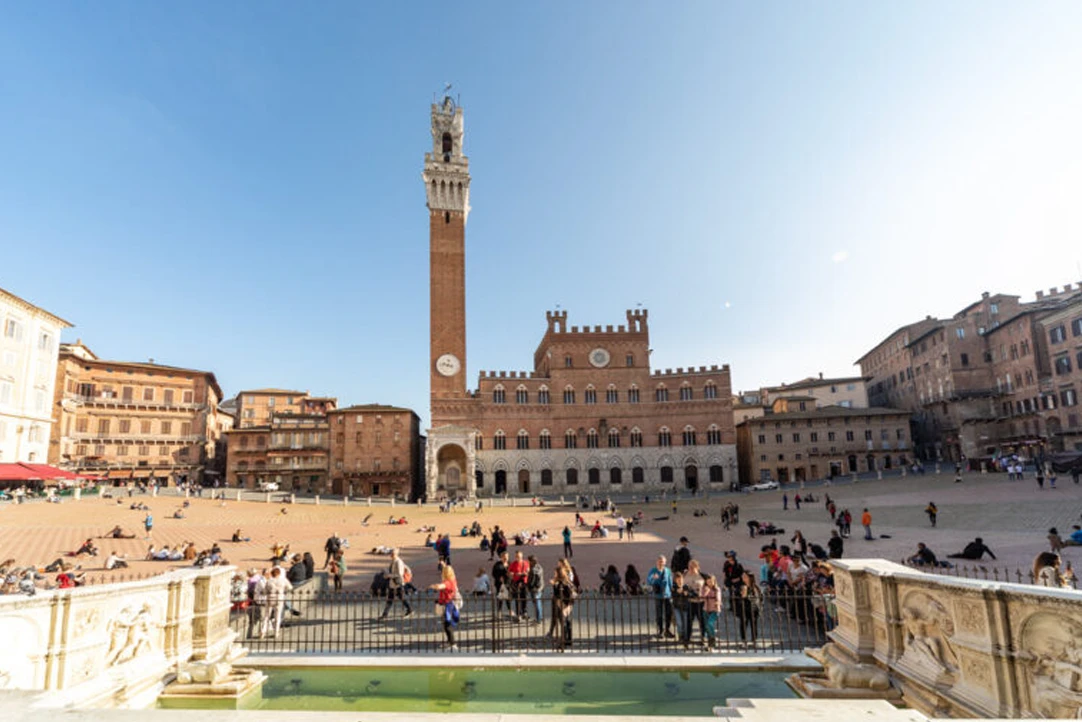
The Palio di Siena is a historic bareback horse race between the seventeen contrade of Siena . It is run in the spectacular setting of Piazza del Campo, a shell‑shaped square whose surface is covered with a thick layer of tufa to form the track. Despite the Renaissance costumes and festive atmosphere, the Palio is not a folkloristic re‑enactment for tourists; it is a real competition. In just over 90 seconds of pure adrenaline, the honour of an entire district is at stake, the culmination of a year of preparation and rivalries . The horses complete three laps (about 1 kilometre), and the jockeys ride bareback. They are allowed to push and obstruct one another, using a small leather whip (the nerbo) to encourage their own horse or disturb rivals . The winner is the horse that crosses the finish line first—even without its jockey. There is no official second or third place; only victory matters .
The prize for the winning contrada is the Drappellone—a large silk banner painted by a different artist each year—cherished as a sacred trophy . Beyond the material reward, the real prize is the glory and pride of having triumphed; the victory becomes part of the district’s history and is celebrated for years with songs, dinners and a thanksgiving procession to the Madonna .
When is the Palio run?
The Palio is held twice a year, each summer, on 2 July and 16 August . These dates correspond to the Marian feasts to which the races are dedicated: the 2 July race honours the Madonna di Provenzano and is called the Palio of Provenzano, while the 16 August race honours the Assumption of Mary and is known as the Palio of the Assunta . The July Palio, established after the 1555 battle of Montaperti, is felt as the most “Sienese”; the August Palio is more spectacular and attracts an international audience .
The contrade and the draw
Siena is divided into seventeen historic districts called contrade. Each has its own territory, emblem, motto, headquarters and museum, and membership is usually determined by birth within its territory . Some contrade have alliances or rivalries that add tension to the race. Only ten contrade run in each Palio because the square cannot accommodate more horses: seven are automatically entitled to run (those that did not race in the corresponding edition the previous year), while the remaining three spots are drawn by lot . About a month before the races, each contrada presents a shortlist of horses; on the first day of the Palio the best thirty horses are selected and the ten running horses are assigned by another draw during the tratta. This random assignment ensures unpredictability .
A brief history of the Palio
Horse races in Siena have existed since at least 1238. Originally races were held along long routes (palii alla lunga). In the Renaissance the Palio replaced more brutal games. The first race in Piazza del Campo is documented in 1605; by around 1633 the modern Palio was established, and from 1656 onward two races per year became the norm. In 1729 Governor Violante of Bavaria fixed the boundaries of each contrada. The Palio survived the fall of the Republic of Siena, Tuscan annexation, wars and modernisation; it remains an unbroken tradition.
The programme of the Palio
The Palio unfolds over four days:
- Day 1 (29 June/13 August) – Tratta and first trial. After a public vetting of the horses, the jury selects ten horses, draws lots to assign them to the contrade and registers the jockeys. In the evening the first trial takes place.
- Day 2 – Two trial runs are held (morning and afternoon). On 15 August there is also the processione dei censi (offering of candles) with flag‑throwers.
- Day 3 – Two trials are held, the second of which is the Prova Generale (General Trial), followed by festive dinners in each contrada.
- Day 4 (2 July/16 August) – Race day. At dawn there is the Messa del Fantino (jockeys’ mass) in the chapel of Palazzo Pubblico, then the Provaccia (final trial). In the afternoon each contrada formally confirms its jockey. The horses are blessed in their respective contrada churches—a deeply felt ceremony. A historic pageant (Corteo Storico) crosses the city and enters the piazza, culminating in the sounding of the mortaretto cannon that signals the start procedure. Ten horses line up between the ropes (canapi) according to an order drawn by lot; the eleventh horse, called the rincorsa, triggers the start when it enters .
The race (Carriera)
The Carriera lasts about 90 seconds. After the tension of the start (mossa), the horses race three laps around the square. There are no saddles, and collisions or falls are frequent; a riderless horse (cavallo scosso) can still win. The first horse to complete three laps wins the Drappellone for its contrada. Safety mats line the dangerous curves; if accidents occur, medics are present. The Palio is intense, and outsiders should remember that it is not a modern sporting event but a ritual steeped in passion.
Where to watch the Palio: places and tickets
There are three main ways to watch the race :
- Standing in the centre of Piazza del Campo. This is the most authentic and free option. Access is open until the square is full, but once inside you cannot leave until the race is over. You will stand on the tufa track with no seating, packed tightly for three to four hours under the sun. There are no toilets in the centre, and you should arrive early (by about 16:00 for the July Palio or 15:45 for the August Palio) to secure a spot . The view is surprisingly good thanks to the slope of the square, and the atmosphere is incomparable, surrounded by locals .
- Tribunes (palchi) around the track. Wooden stands are erected around the perimeter and offer seats at various points. Tickets are expensive and must be booked well in advance through private owners, contrade or agencies—there is no central ticket office . From a tribune you enjoy an elevated view and greater comfort, but you are still exposed to the sun and slightly detached from the intensity of the crowd .
- Private balconies or windows. Some palazzi rent access to balconies and terraces overlooking the square. These exclusive spots offer panoramic views, often with catering, but the cost is very high (often thousands of euros per person) and availability is extremely limited . This option is best for those who can afford it and want a “VIP” experience .
There are no official tickets sold by the city except for a small sector reserved for authorities. Beware of last‑minute “miracle tickets” from unofficial vendors . Ultimately the best place depends on whether you value raw emotion (centre), comfort (tribune) or panoramic views (balcony) .
Preparing to watch the Palio from the piazza
Watching the Palio from the centre of Piazza del Campo is extraordinary but requires preparation :
- Arrive early. Entrances are closed about an hour before the race (the last entrance from Via Duprè closes around 18:15 in July and 17:45 in August). To get a good spot and avoid crowds, plan to enter by 16:00 (15:45 in August). Expect to wait three hours or more .
- Bring essentials. You will be under the Tuscan sun with no shade. Take water in plastic bottles without caps, sunscreen, a hat and sunglasses; dress lightly but respectfully . Wear comfortable shoes and avoid large backpacks; bring only a small bag with essentials. Do not bring glass bottles, cans, chairs, stools or strollers. Children under 10 are not allowed in the piazza on race day for safety reasons . Pets are also forbidden .
- Follow the safety rules. Obey police instructions, remain within the permitted areas and do not climb onto barriers or monuments . Bags are searched at the entrances, and alcohol in glass is prohibited . There are no toilets inside, so plan accordingly .
- Respect local etiquette. Do not push or try to advance once the square is full; stay in place . Avoid sitting on the ground during the historic procession or the race . Do not smoke in the crowd; watch out for children or fragile people nearby and assist if needed . Agree on a meeting point with companions in case you get separated .
These precautions help you enjoy the event while minimising discomfort and respecting the Sienese community. If you opt for seats or balconies, you can arrive later and have more amenities, but still dress for the heat .
What happens if it rains?
Rain is taken very seriously because a wet tufa track is dangerous for horses and jockeys. If rain falls during the trial runs, the scheduled trial is cancelled and is not rescheduled . If it rains on race day and the track becomes slippery, the Palio is postponed. A green flag is hoisted on Palazzo Pubblico to signal the postponement . The race is run the next day (and retains its name even if delayed) . In rare cases, further postponements may occur until conditions are safe . When the Palio is postponed, some rituals (such as the historic pageant) may be reduced or cancelled . Tourists should plan accordingly and be flexible ; short summer storms may cause only a few hours’ delay .
What happens after the race?
Immediately after the race, the atmosphere is electric. As soon as the winning horse crosses the finish line, the victorious contrada celebrates: its members jump over the barriers to embrace the jockey and horse, while disappointed contrade may leave the square in tears or anger . Tensions or minor scuffles sometimes erupt between rival contrade .
The winning district immediately starts a procession with the Drappellone. First, depending on the edition, the banner is brought either to the Church of Santa Maria di Provenzano (July Palio) or to the Cathedral (August Palio) for a thanksgiving hymn . Afterwards, the contrada returns to its neighbourhood carrying the banner, accompanied by drums, songs and flags . The celebrations continue through the night and the following weeks with dinners and processions . Tourists can watch these festivities but should not intrude into the contrada’s space; remain on the sidelines, enjoy the spectacle and congratulate locals discretely .
Things tourists should not do during the Palio
Respecting local customs is essential. Here are some behaviours to avoid:
- Do not approach horses or jockeys near the stables or en route to the square. Only authorised contradaioli may handle them .
- Do not disturb contradaioli during critical moments (escorting the horse, just before the race, right after the race). Avoid intrusive questions .
- Do not wear a contrada’s colours carelessly. If you buy a district scarf as a souvenir, learn about rivalries before wearing it. Never flaunt the winner’s colours in a losing contrada immediately after the race . Hide your scarf during the race and pull it out only when celebrating with the winners .
- Do not attempt to attend the horse blessing unless invited—it is a sacred moment .
- Do not block views or pathways. Do not lift children onto your shoulders (under‑10s cannot enter the piazza anyway); do not use tablets or selfie sticks during the race; do not cross the street during the historic pageant .
- Do not treat the Palio as a tourist show. Avoid negative comments about animal welfare or traditions; support politely and respect locals. Celebrate discreetly and sympathise with losers . By showing genuine interest and respect, you will be warmly welcomed .
Where to stay in Siena for the Palio: Hotel Minerva
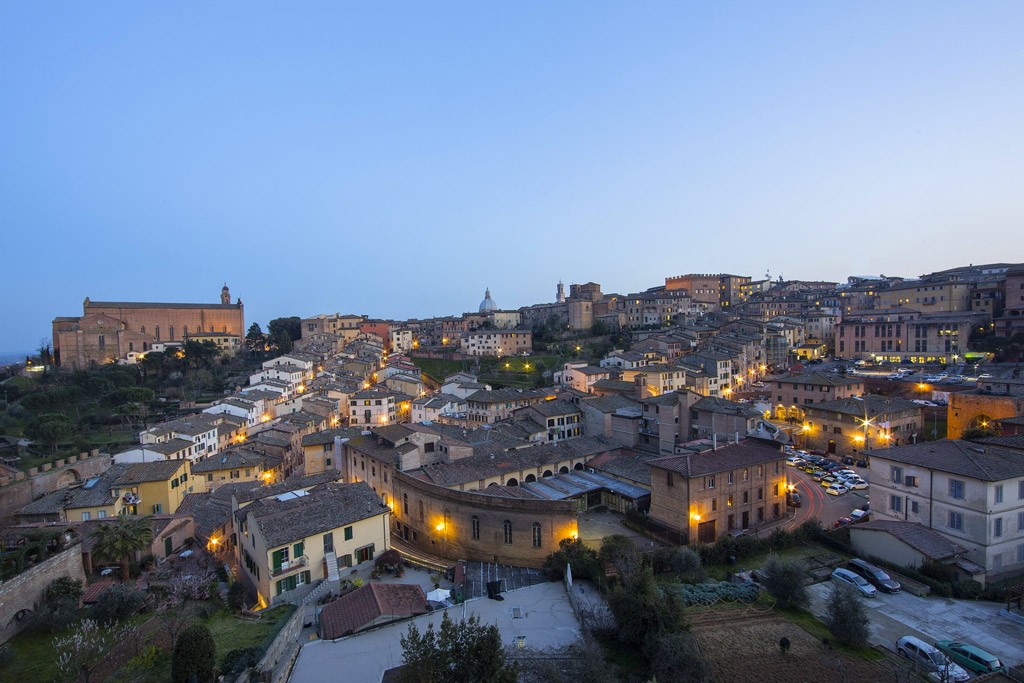
During the Palio, Siena fills up with visitors from around the world. Staying in the historic centre is ideal because you can walk to Piazza del Campo and other event venues, avoiding traffic and road closures . A highly recommended base is Hotel Minerva, a charming 3‑star hotel inside the medieval walls but just outside the restricted traffic zone . You can reach the hotel easily by car and use its private, video‑monitored parking—an invaluable convenience when parking is nearly impossible during the Palio . Once there, you can leave your car and explore the city on foot; Piazza del Campo is about 15 minutes away, the Duomo about 17 minutes and the Fortezza Medicea about 13 minutes .
Atmosphere and rooms
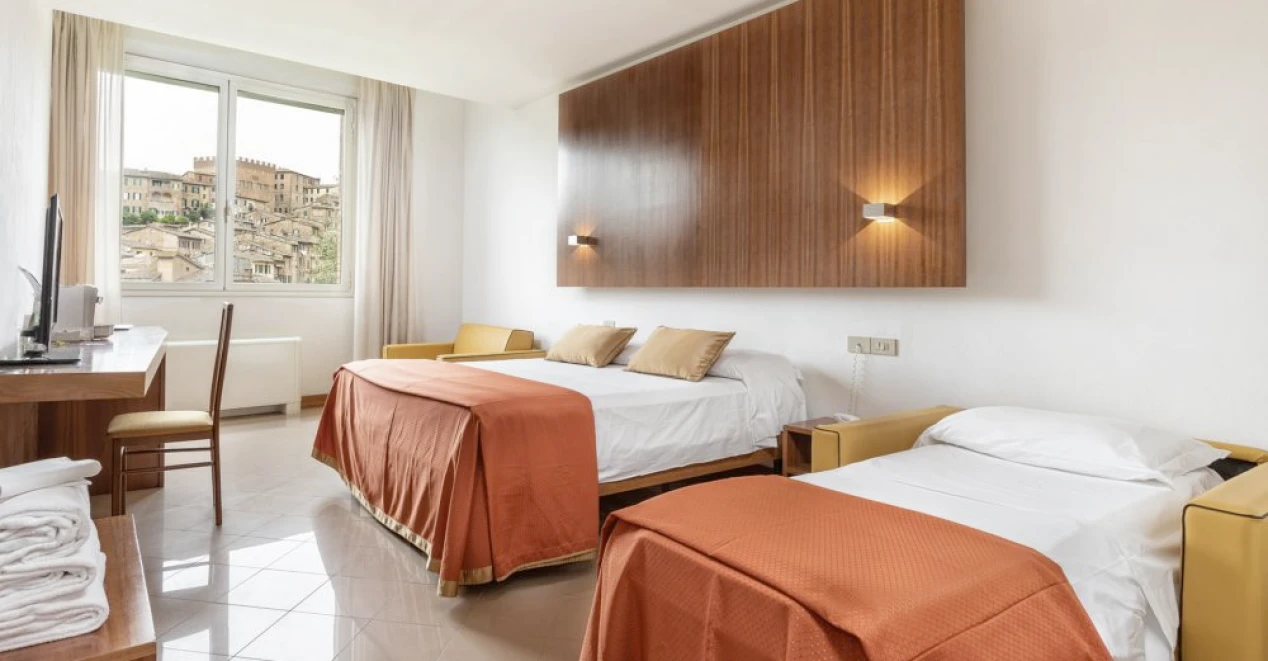
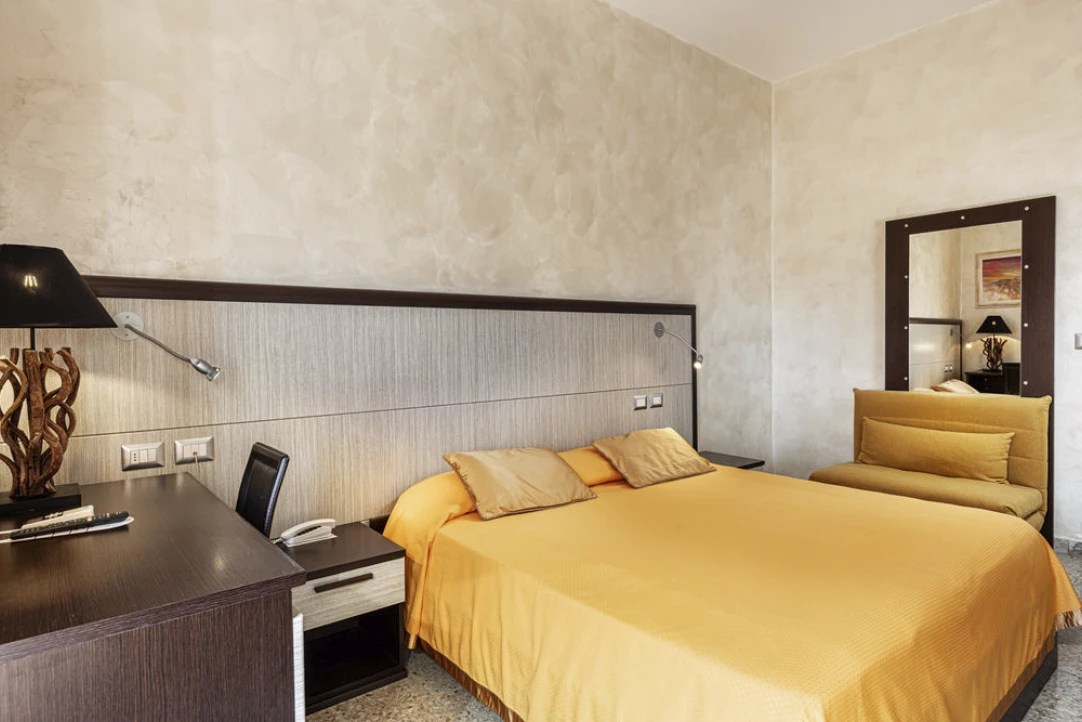
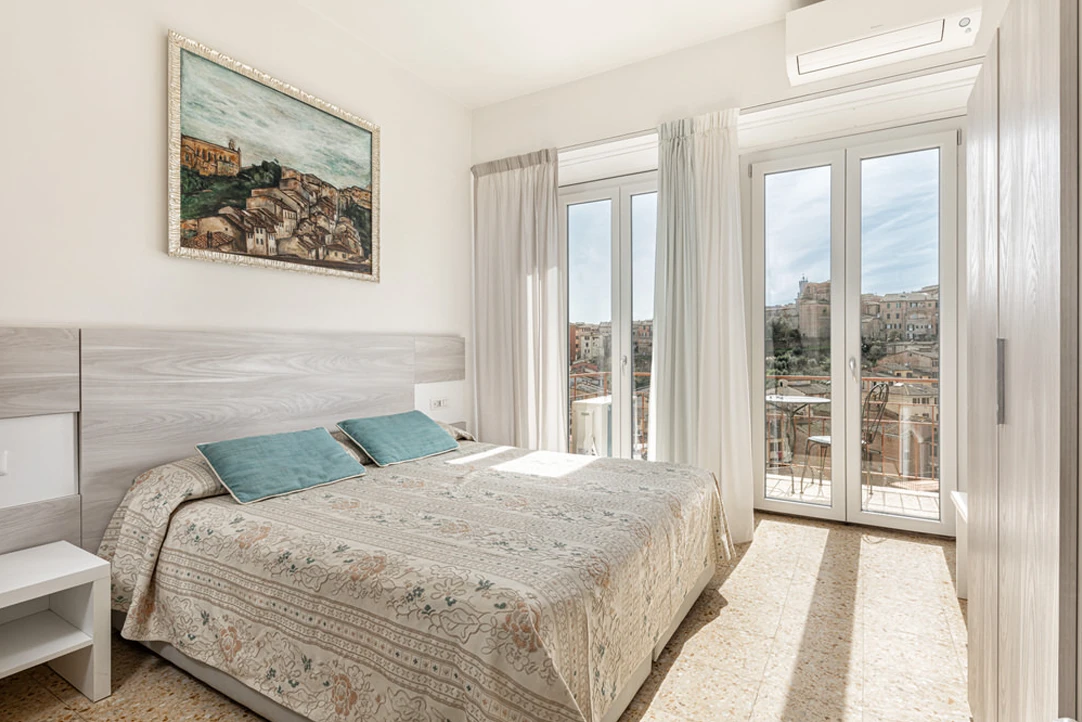
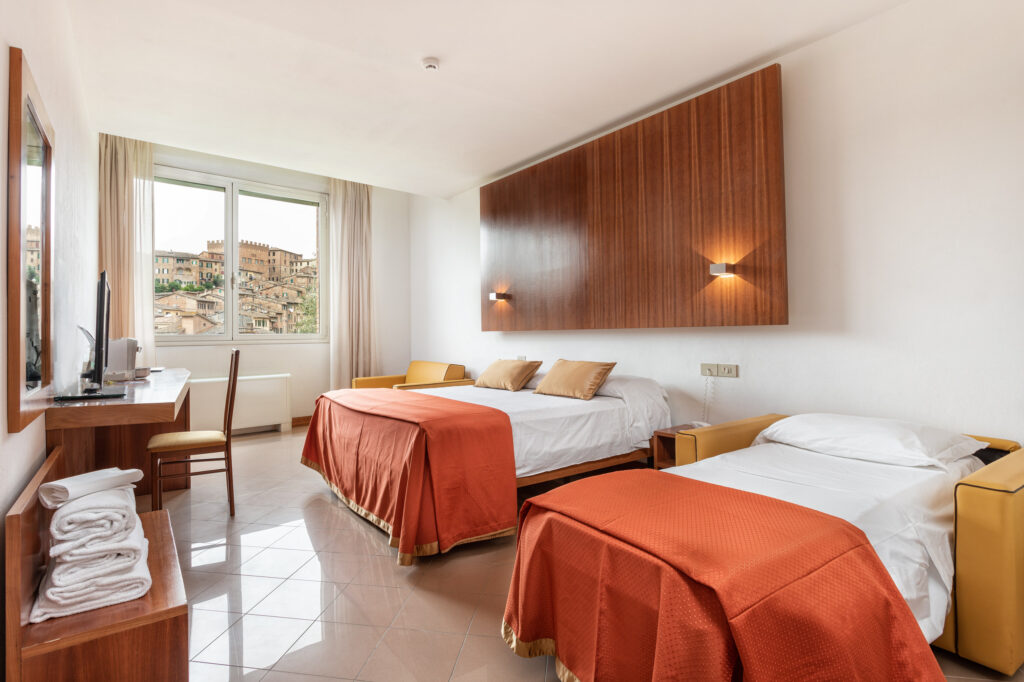
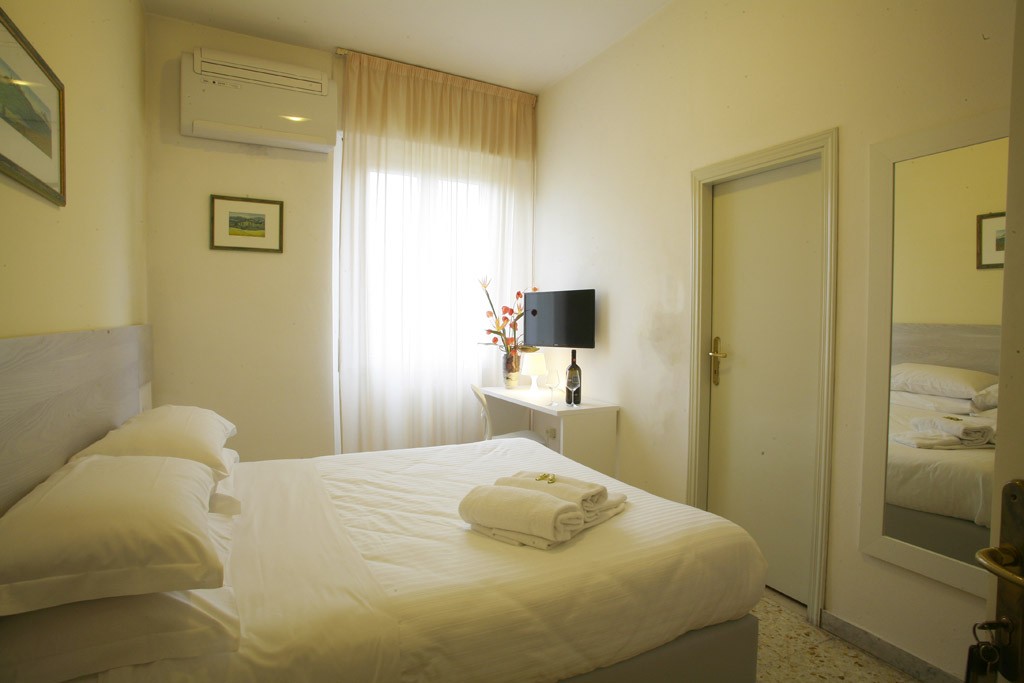
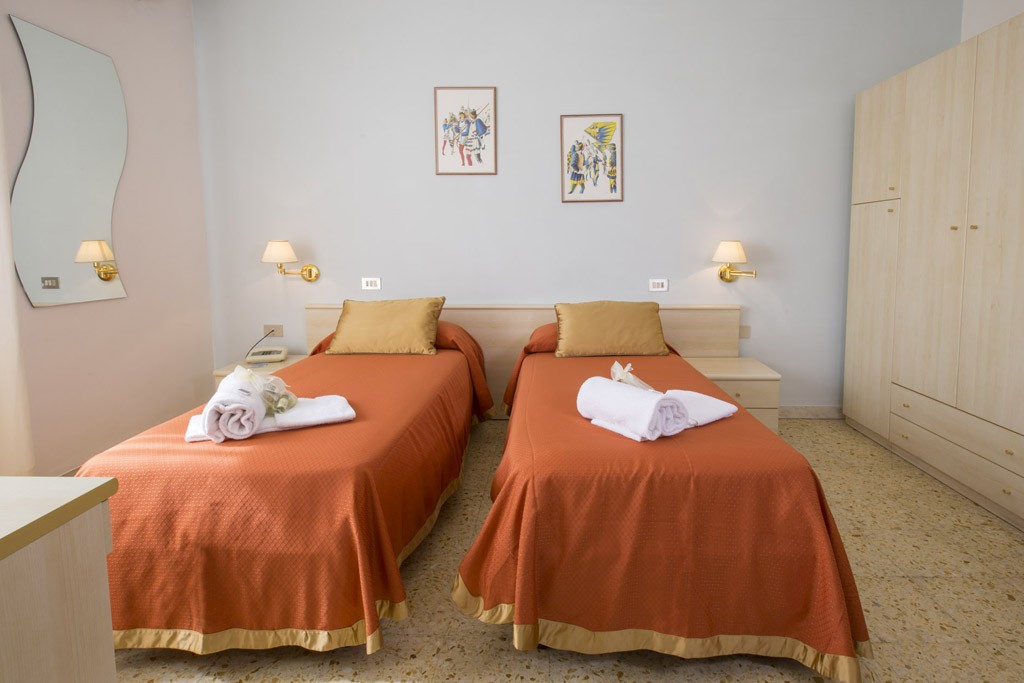
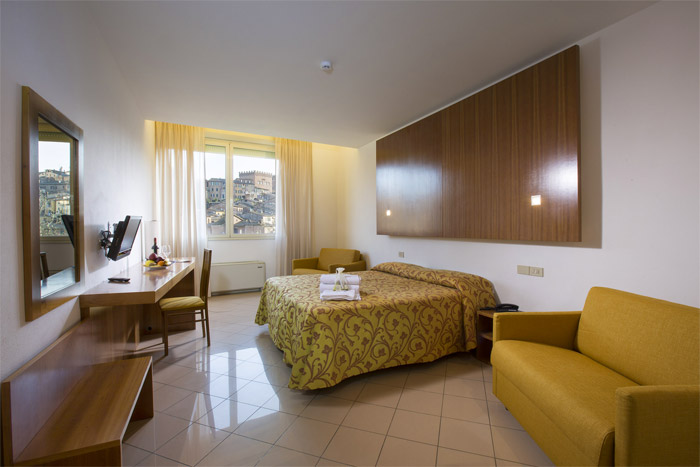
Hotel Minerva occupies a historic building and combines local charm with modern comfort . Many rooms have panoramic views over Siena’s rooftops; opening your window at sunset to see the city turn pink is an unforgettable experience . The reception is open 24/7 and staffed by friendly, multilingual locals who know Siena intimately and can suggest hidden itineraries, authentic restaurants and stories about the contrade . The hotel offers free high‑speed Wi‑Fi throughout the property .
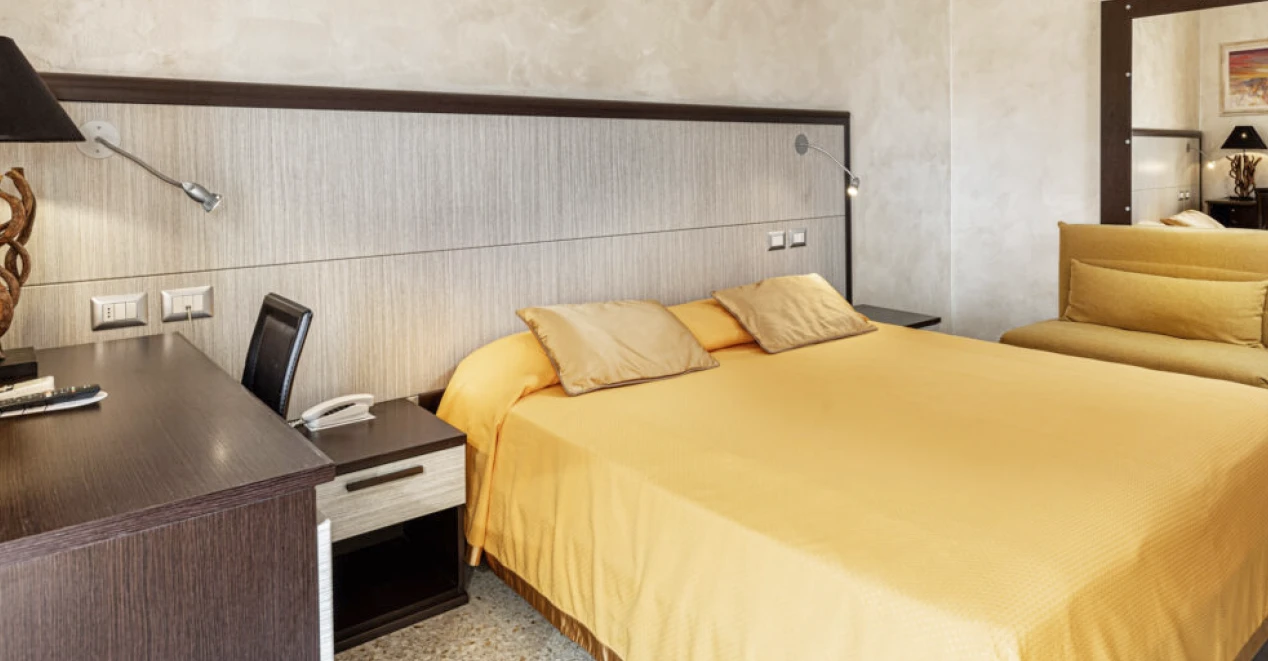
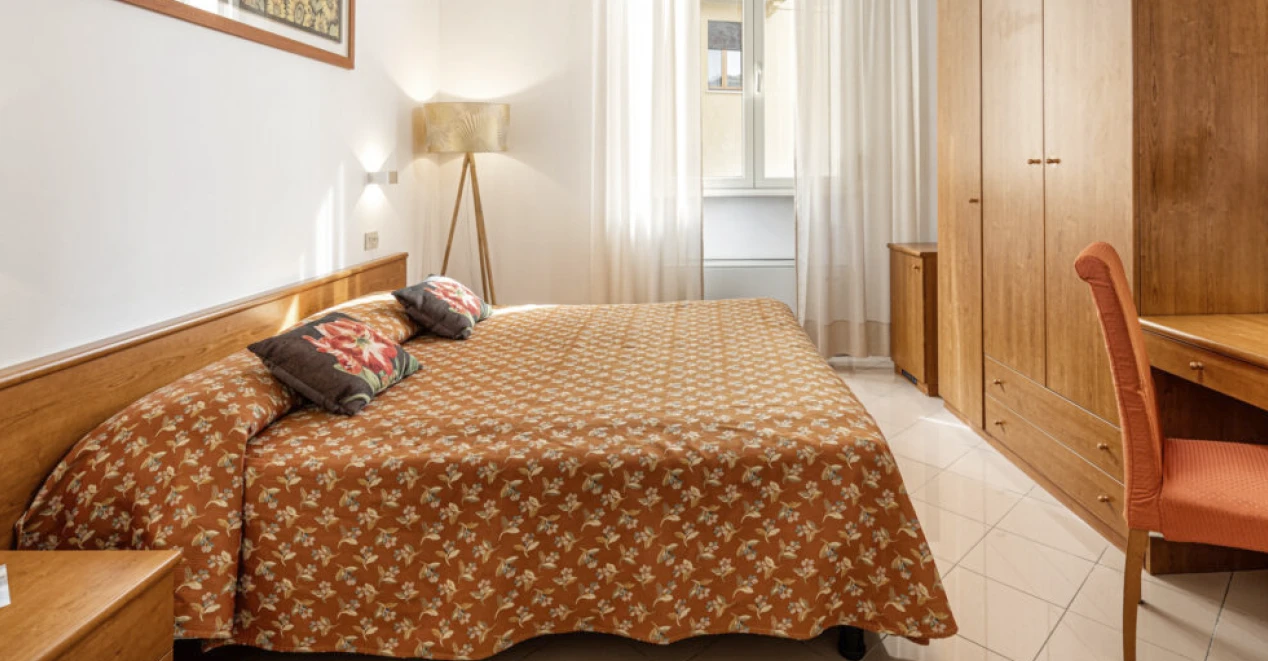
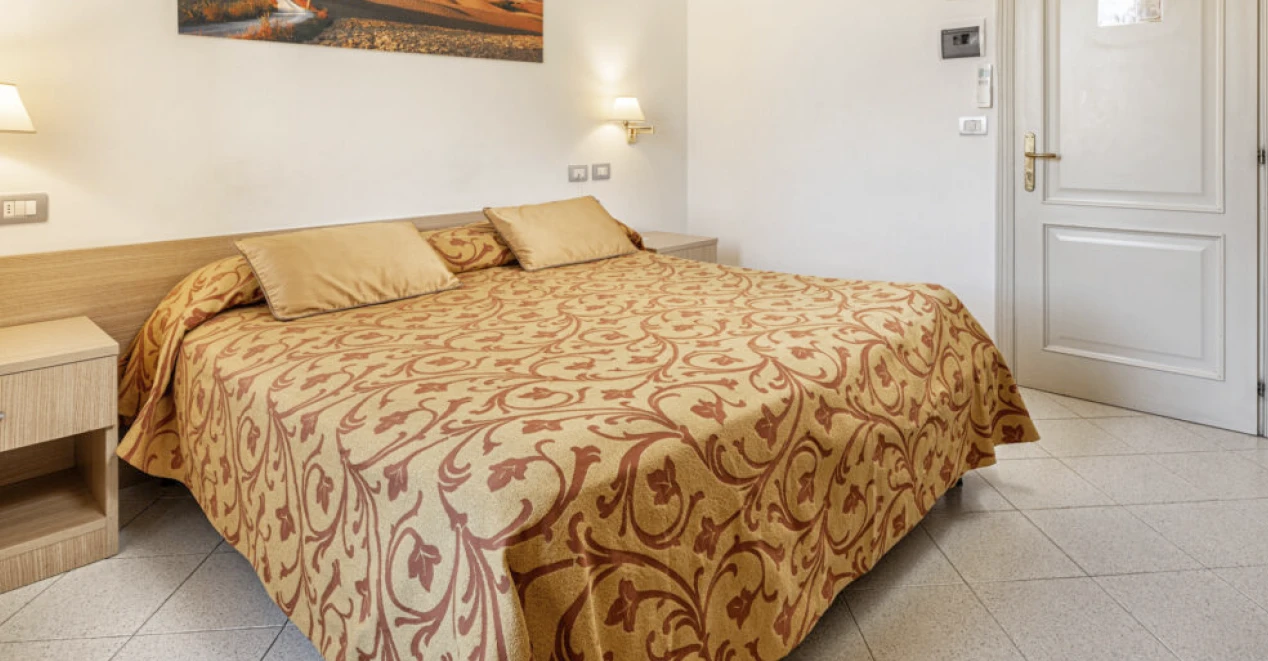
Guests can choose among several room categories: Junior Suites, Superior rooms with views of the historic centre, Elegant Standard rooms and Easy Economy rooms for budget travellers. The property also provides:
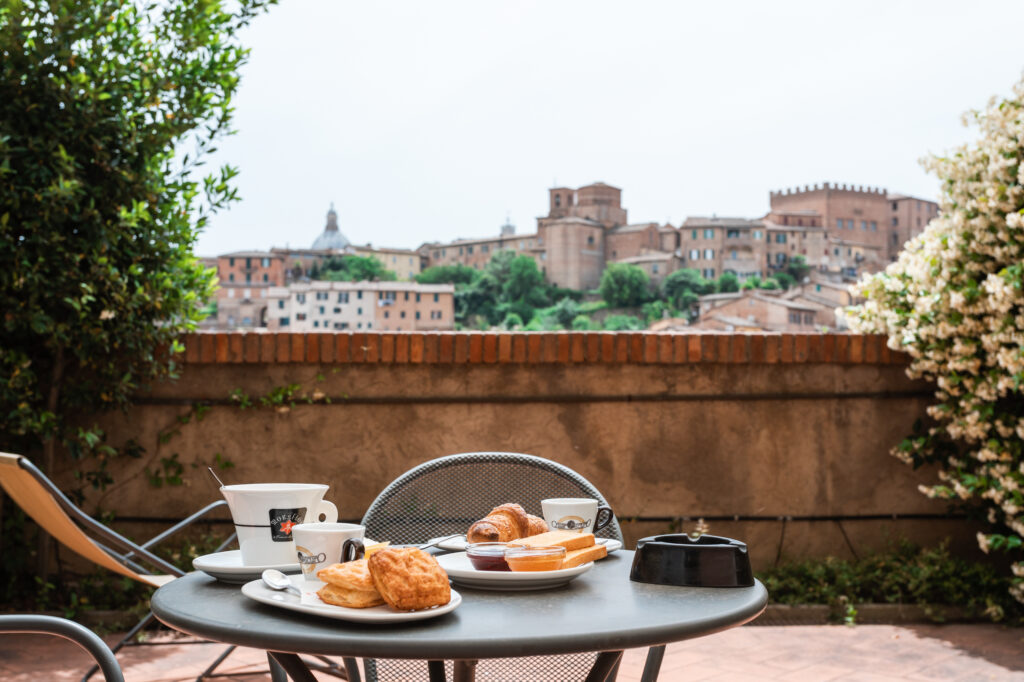
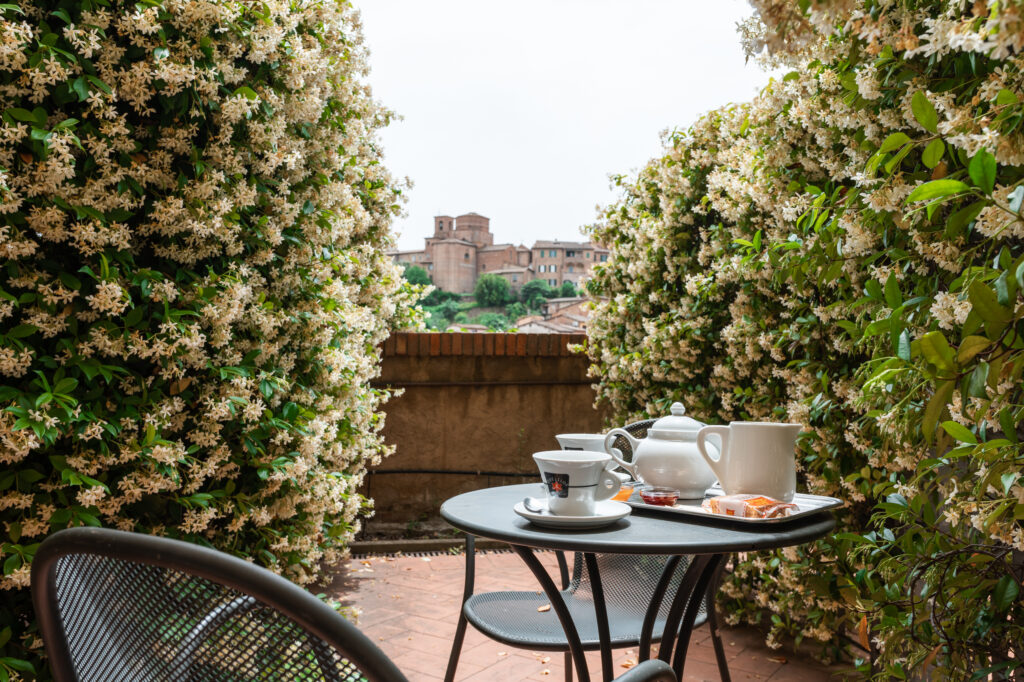
- a buffet breakfast with fresh croissants, homemade cakes, Tuscan bread, fruit, cold cuts and cheese, served indoors or in the panoramic garden ;
- an internal bar for coffee or a glass of Chianti ;
- a relaxation lounge with sofas and art books ;
- a meeting room for up to 40 people ;
- a panoramic garden overlooking the city .
During the Palio, returning to the quiet comfort of the hotel after hours in the square is a real benefit . The hotel’s central yet tranquil location allows you to rest and recharge before returning to the festivities . Because the Palio is high season, booking early is essential .
What to see in Siena near Hotel Minerva
Staying at Hotel Minerva means Siena’s treasures are within walking distance :
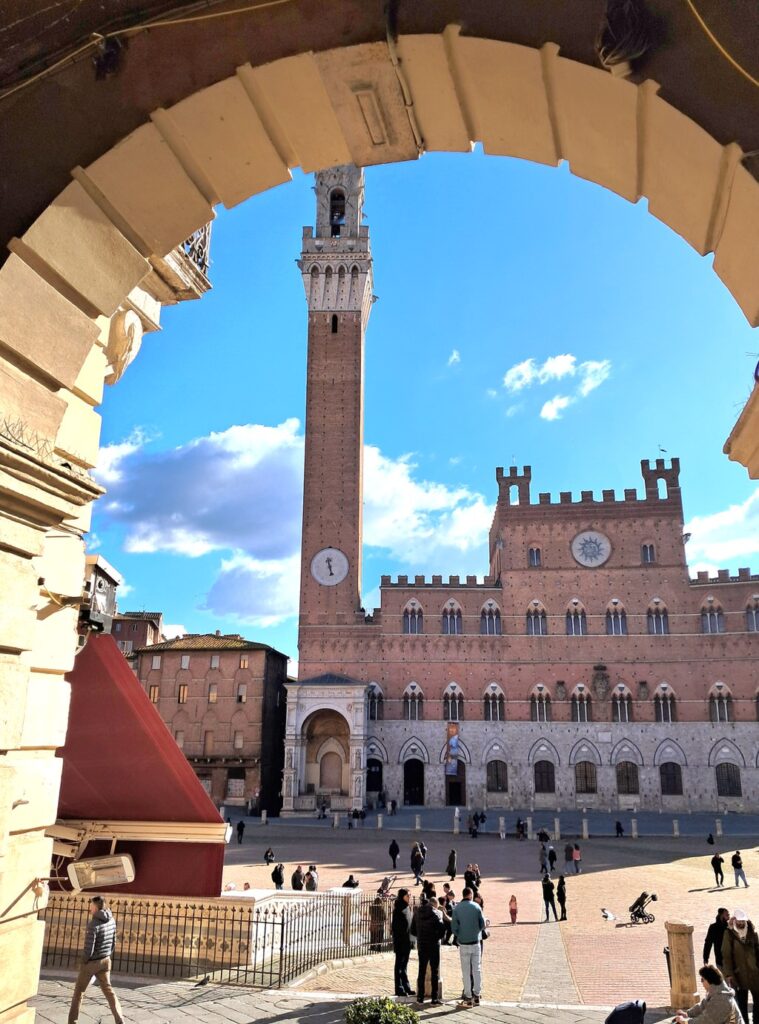
- Piazza del Campo – the city’s heart and site of the Palio, with its shell shape and harmonious palaces. Visit by day to appreciate its size and the marble Fonte Gaia; by night it glows with restaurants and lights .
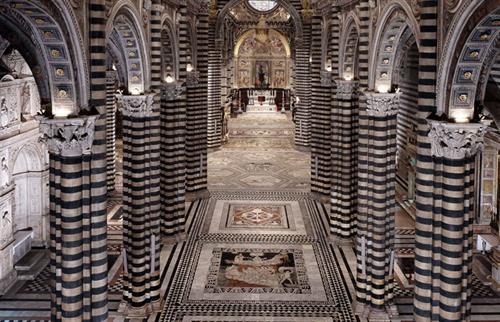
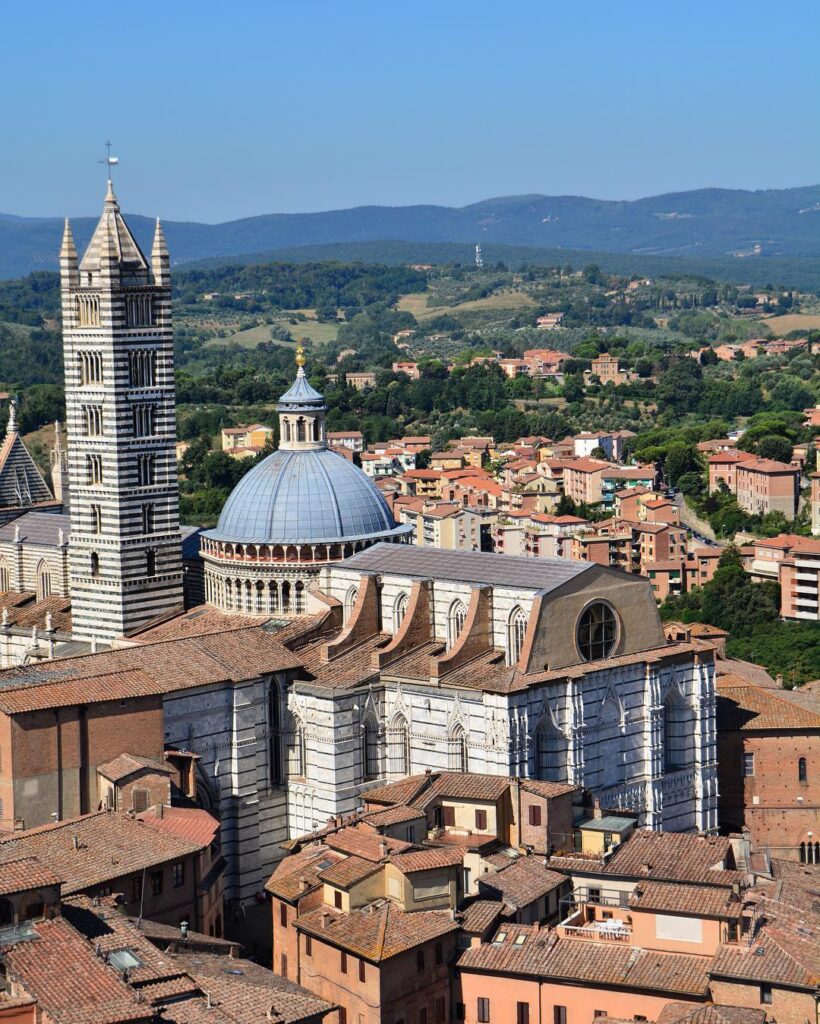
- Duomo of Siena – an Italian Gothic masterpiece with a polychrome marble façade and an interior rich in art: the inlaid marble floor, the Piccolomini Library, sculptures by Michelangelo, the pulpit by Nicola Pisano and the “Porta del Cielo” rooftop tour . The cathedral is about 17 minutes’ walk from the hotel .
- Museo Civico (Palazzo Pubblico) – inside the Palazzo Pubblico on Piazza del Campo, with frescoed halls including Ambrogio Lorenzetti’s Allegory of Good and Bad Government and Simone Martini’s Maestà . Climb the Torre del Mangia (around 400 steps) for panoramic views .
- Basilica of San Domenico and Sanctuary of Saint Catherine – a 10‑minute walk. The basilica houses relics of Saint Catherine (head and finger) and offers a view over the Duomo; the sanctuary preserves the saint’s childhood home and oratories .
- Fortezza Medicea – a 16th‑century pentagonal fort now used as a park and event venue. Walk along its walls for beautiful city and countryside views; inside is the Enoteca Italiana wine exposition .
- Orto de’ Pecci – a medieval garden turned urban park with vegetables, fruit trees, donkeys and geese, offering a peaceful break and unusual views of Siena’s towers .
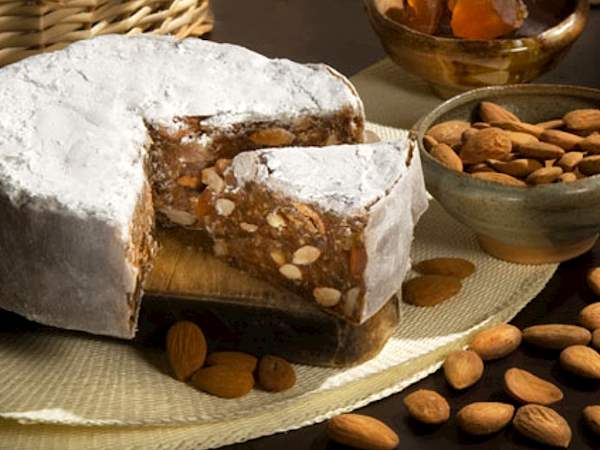
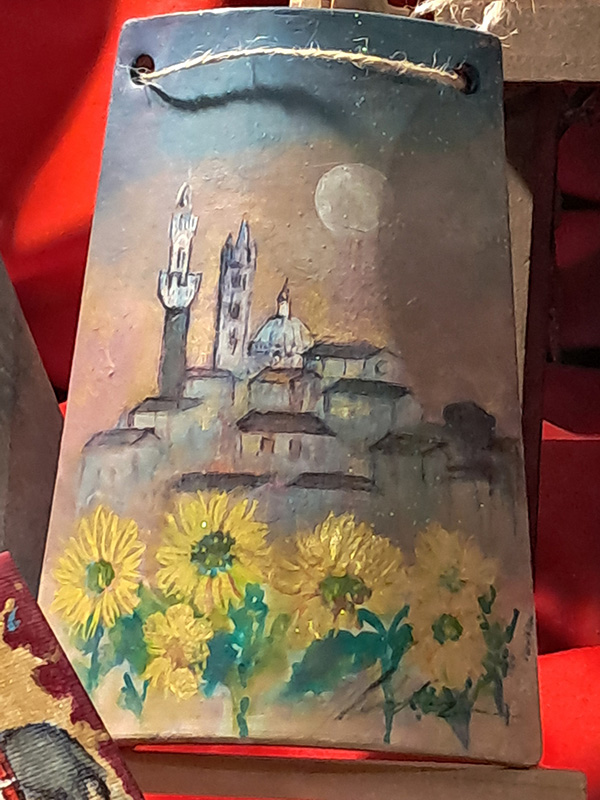
Nearby are also the Pinacoteca Nazionale (with Gothic Sienese paintings by Duccio, the Lorenzetti brothers and Sassetta), the Basilica of San Francesco, the Battistero of San Giovanni and many charming lanes . Ask the hotel staff for hidden gems like artisanal ceramic workshops or bakeries making fresh ricciarelli cookies .
Conclusion
The Palio di Siena is an extraordinary event, a living window onto the Middle Ages that every lover of culture, history or tradition should experience at least once. This guide has explored everything from the deep meaning of the contrade to practical information on schedules and spectator tips, from historical curiosities to etiquette and how to organise your stay . Armed with this knowledge, you are ready to dive into the most famous Sienese celebration. Pack your scarf (choose a contrada or neutral white), a sunhat and, above all, a desire to be moved. Siena awaits you with open arms, ready to offer unforgettable days . When you return to the welcoming tranquillity of Hotel Minerva with the echoes of drums and cheers still in your ears, you will know you have experienced the Palio not as a mere spectator but as a respectful participant in a centuries‑old tradition.