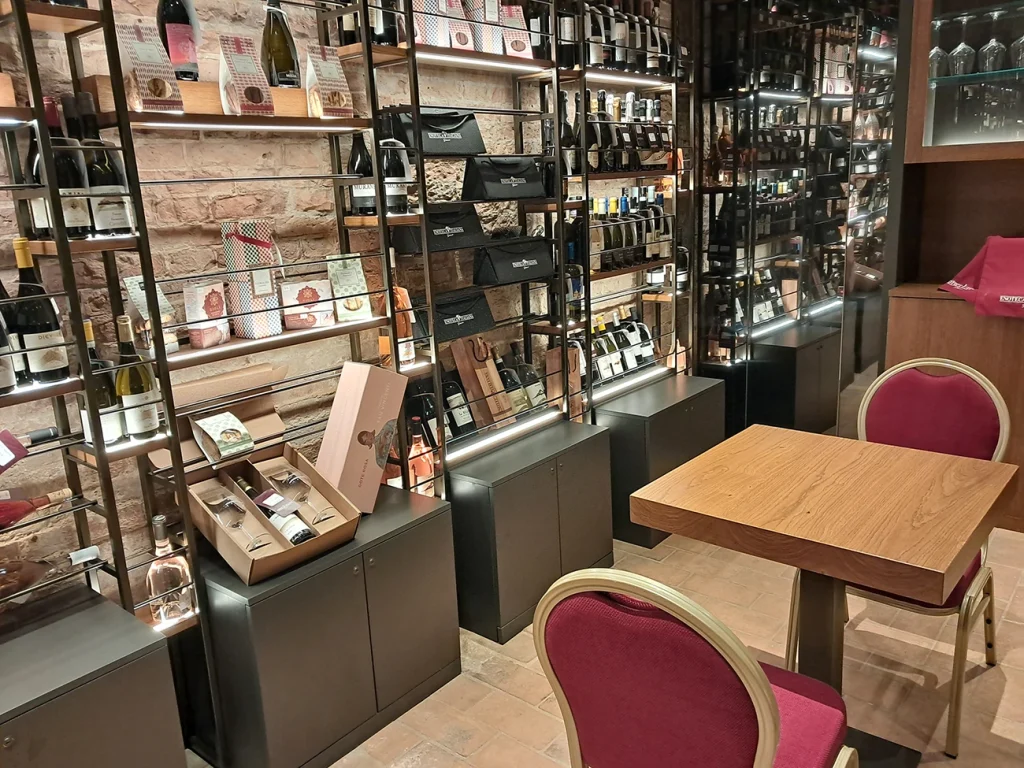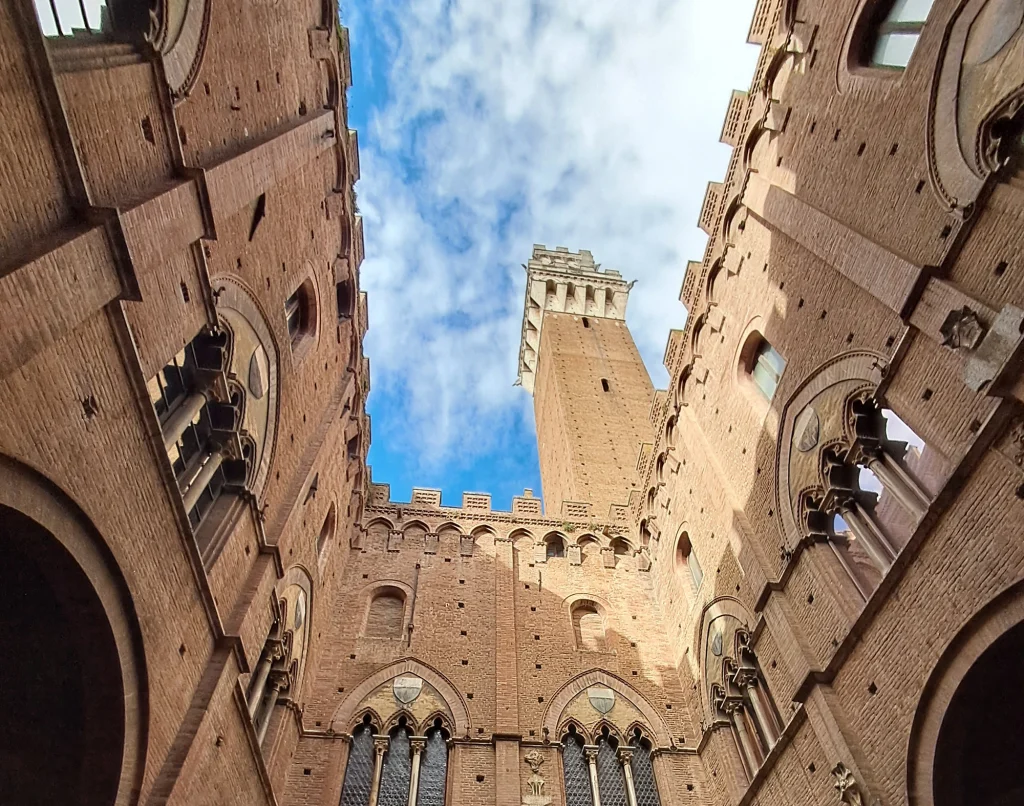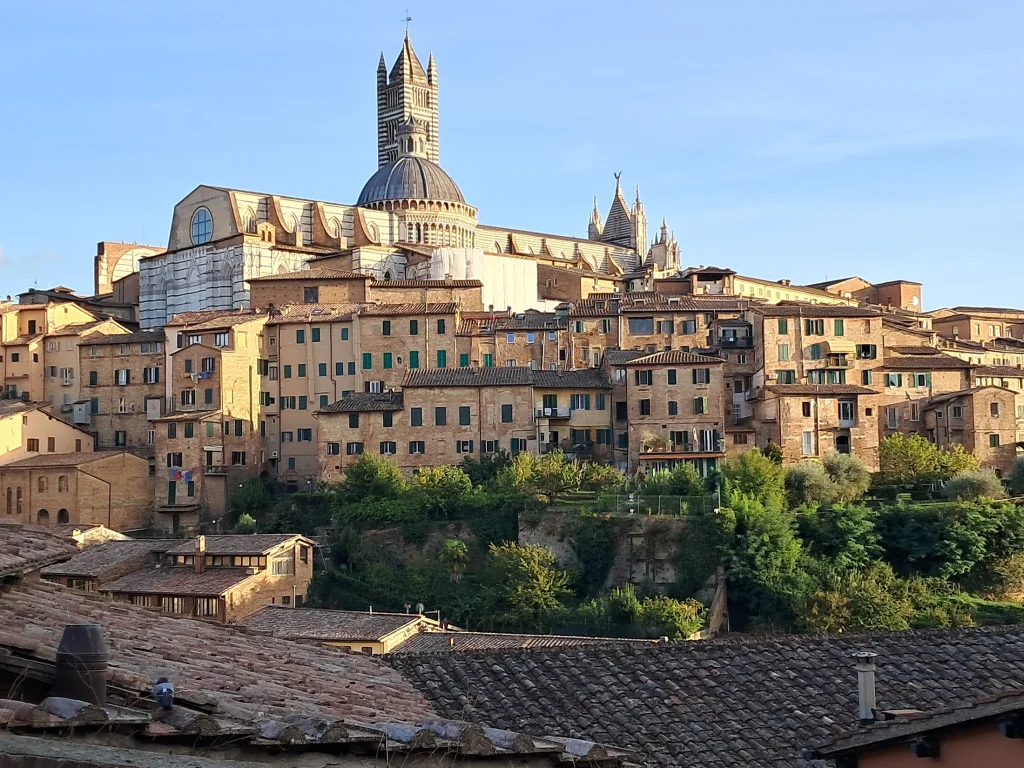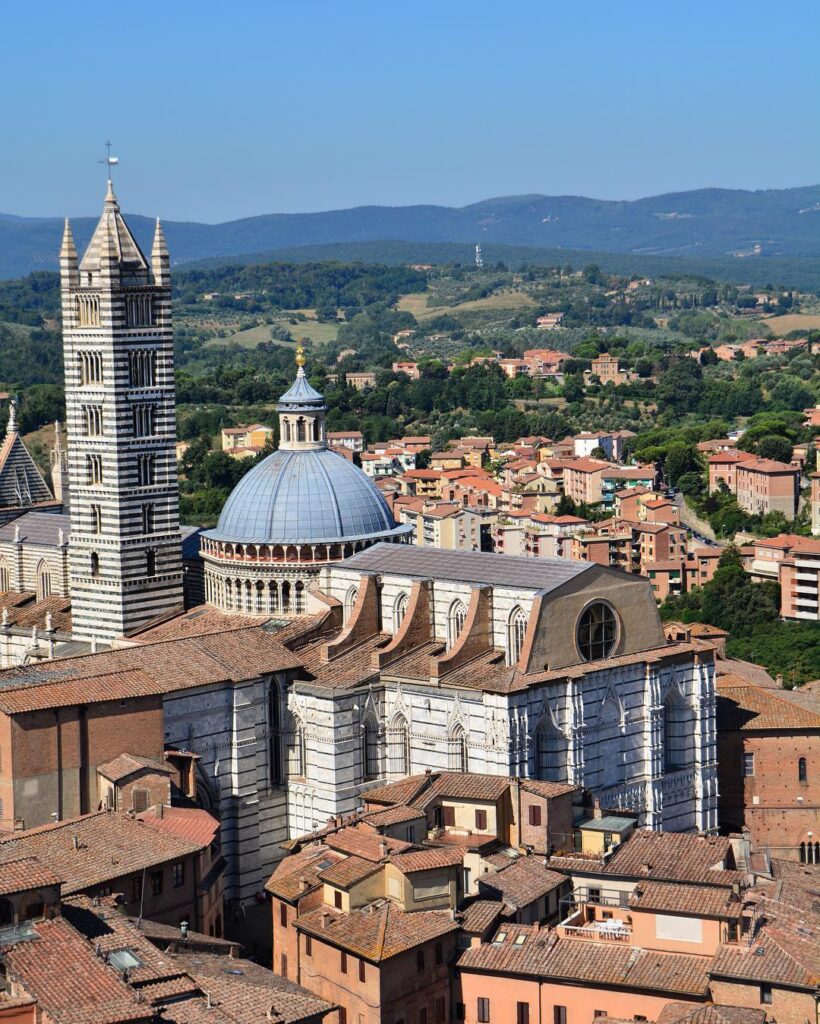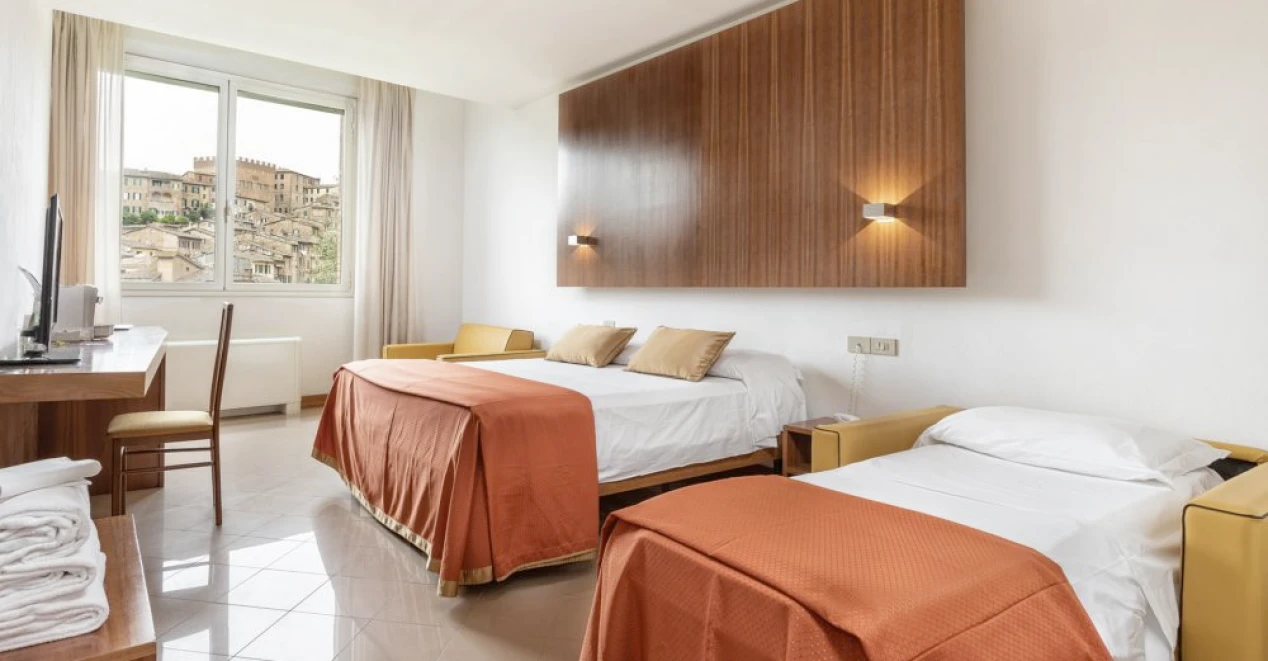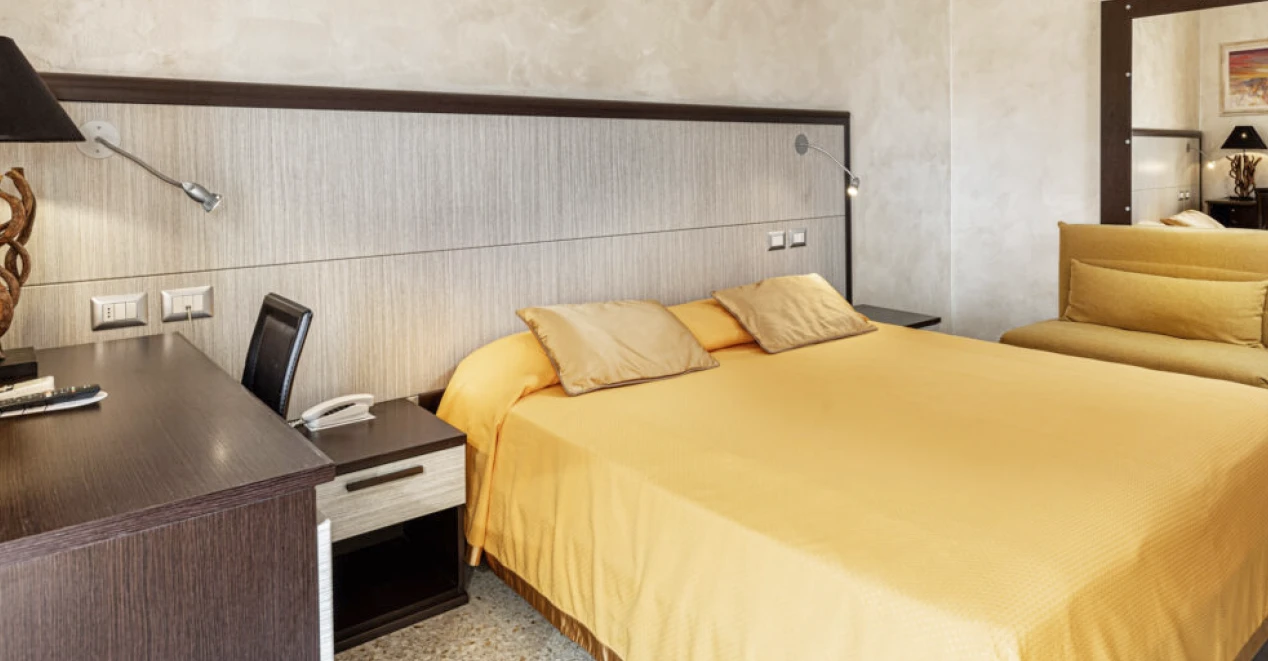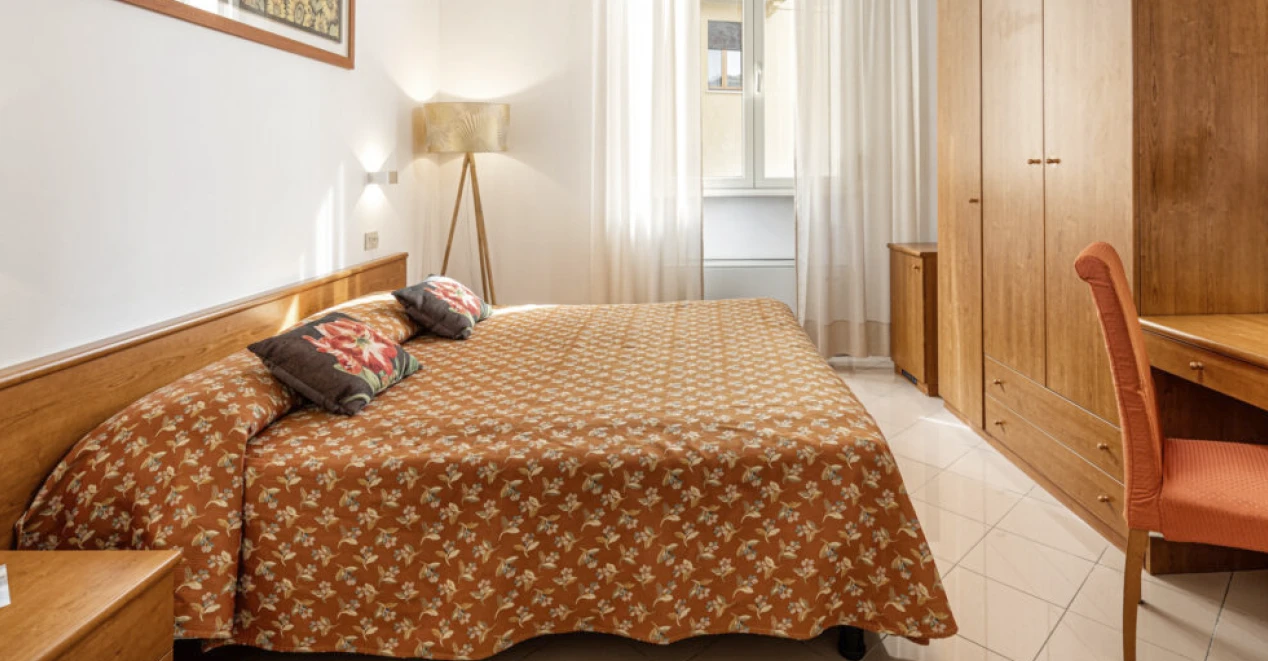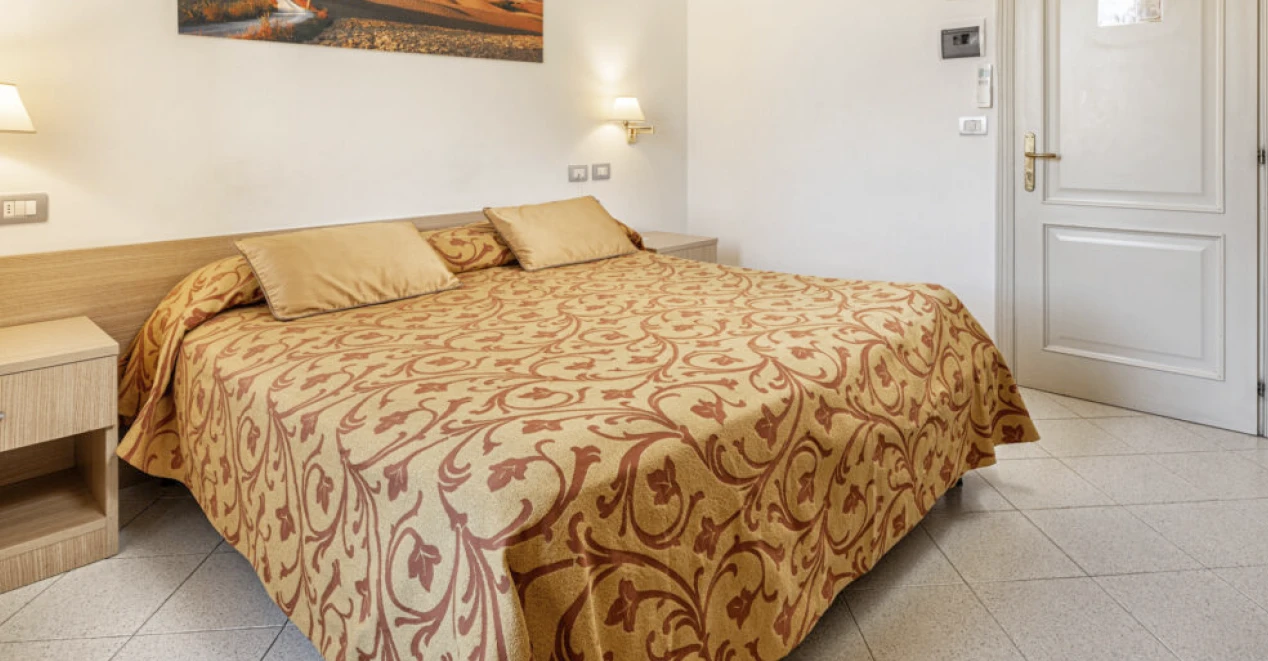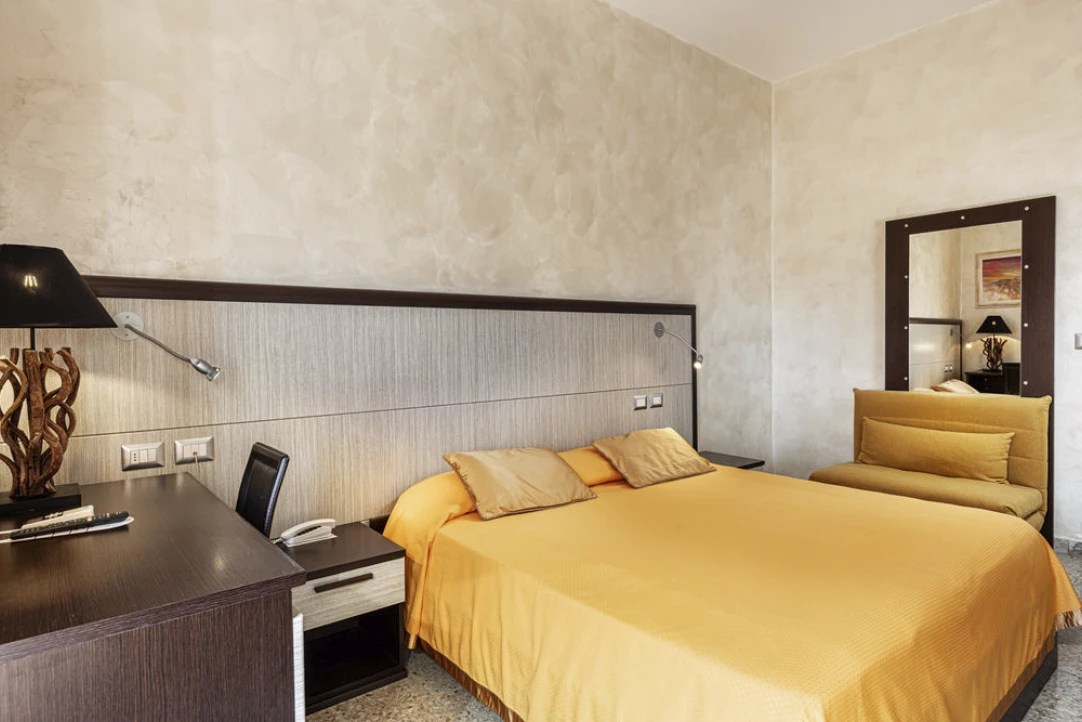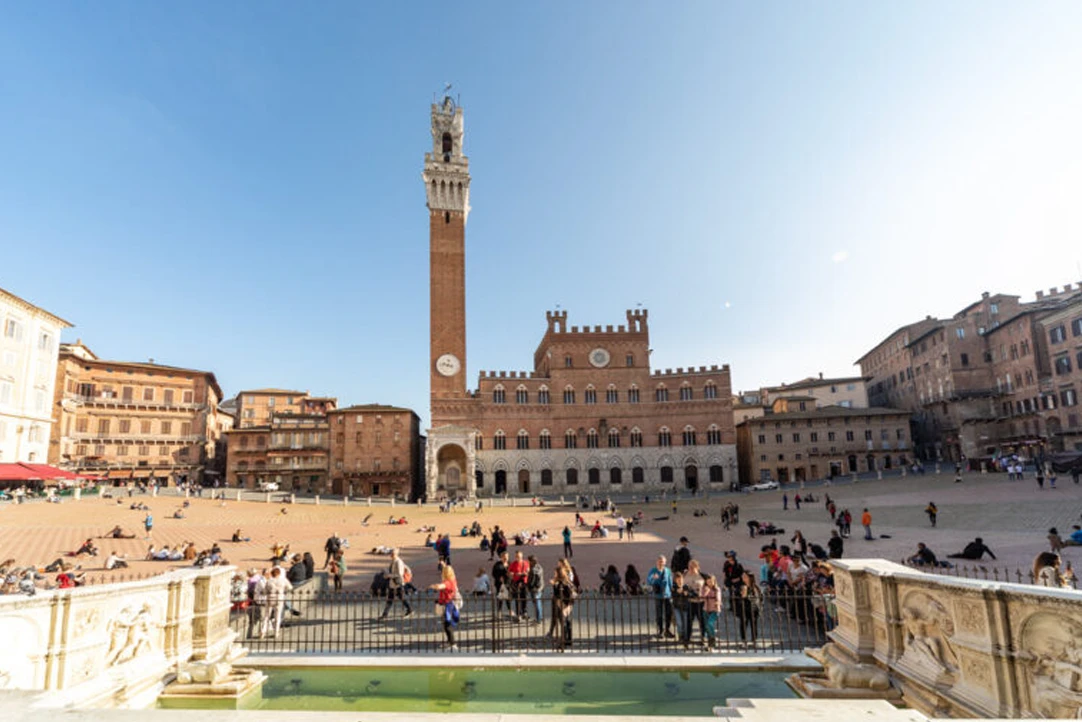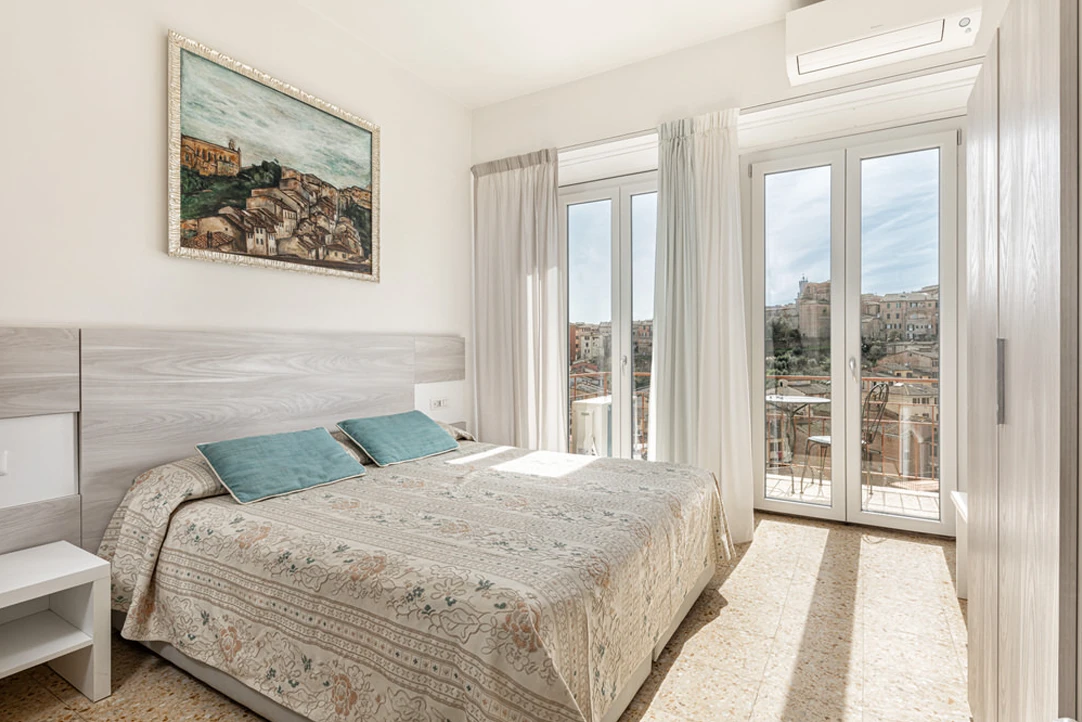

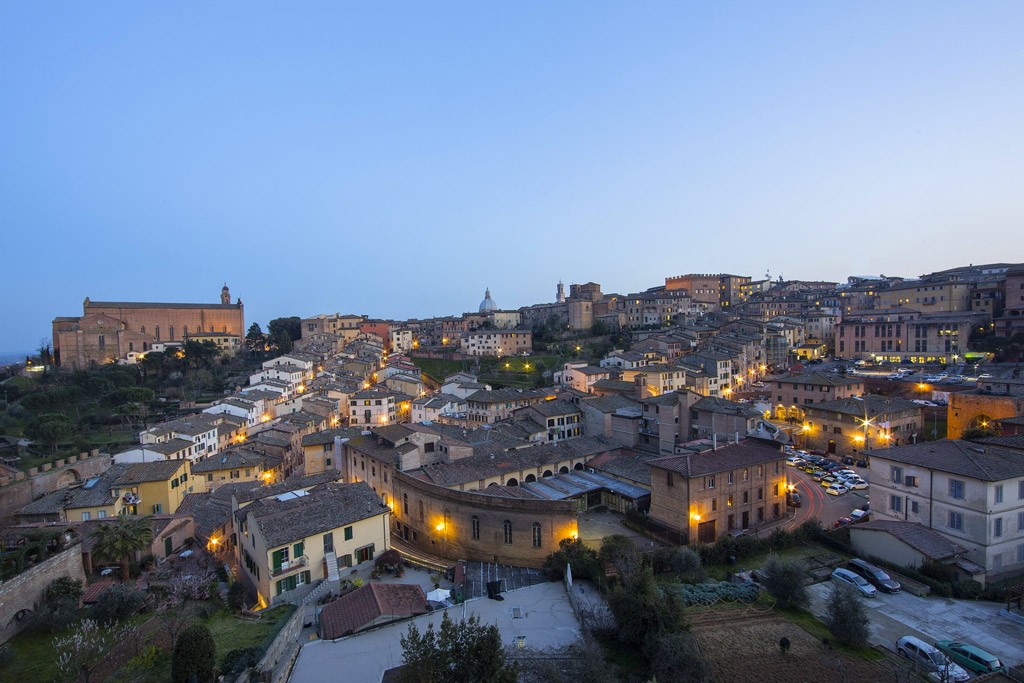
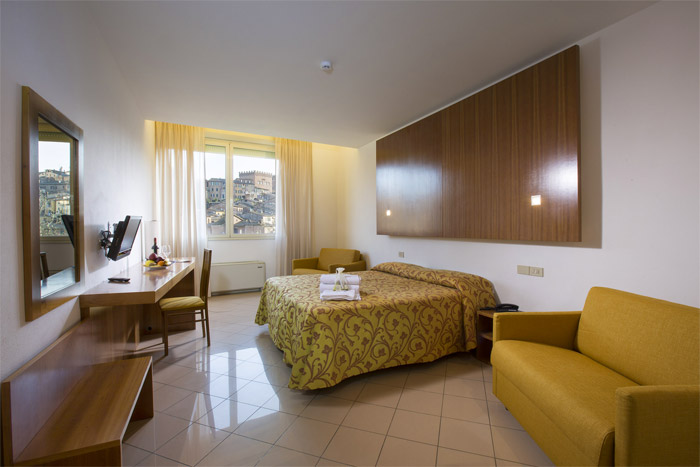
Welcome to Siena! By staying at Hotel Minerva on Via Garibaldi (a few minutes’ walk from Piazza del Campo and outside the ZTL zone), you will find yourself in an ideal position to explore the city and all of Tuscany in comfort. The hotel is close both to the railway station and the bus station (Piazza Gramsci), making it perfect as a starting point and return base for day trips. You can leave your car in the hotel’s internal parking and explore Siena on foot, using the car (or public transport) only for out-of-town excursions. With a splendid view of medieval roofs and the Sienese hills, Hotel Minerva welcomes you and serves as a relaxing base between excursions.
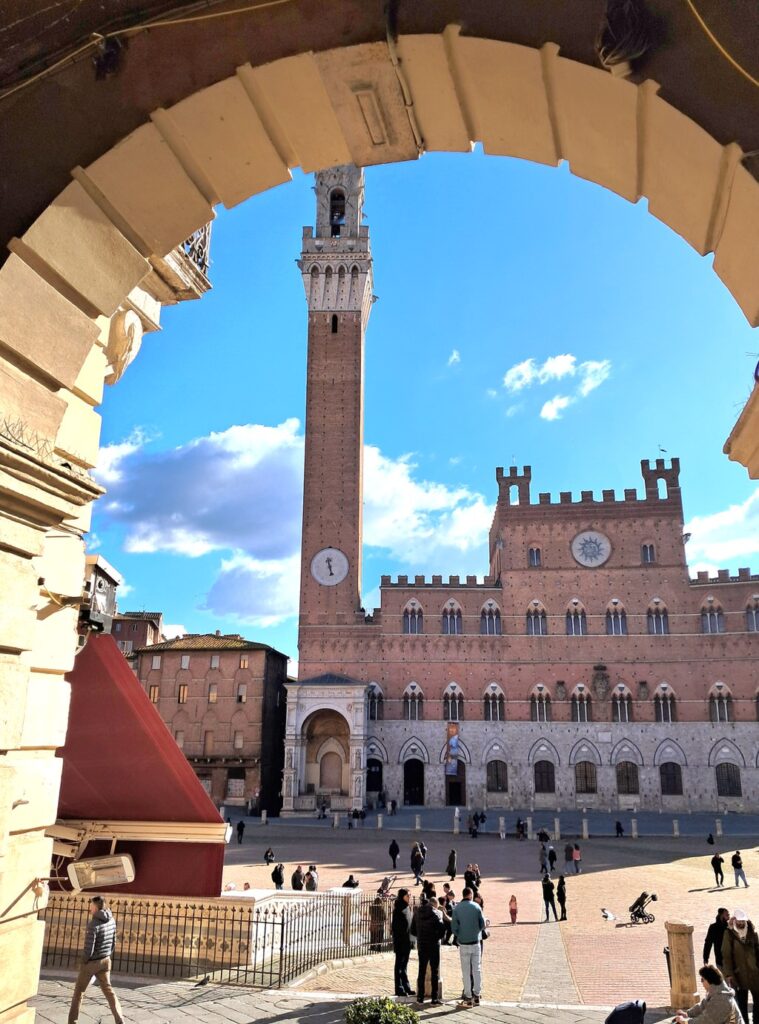
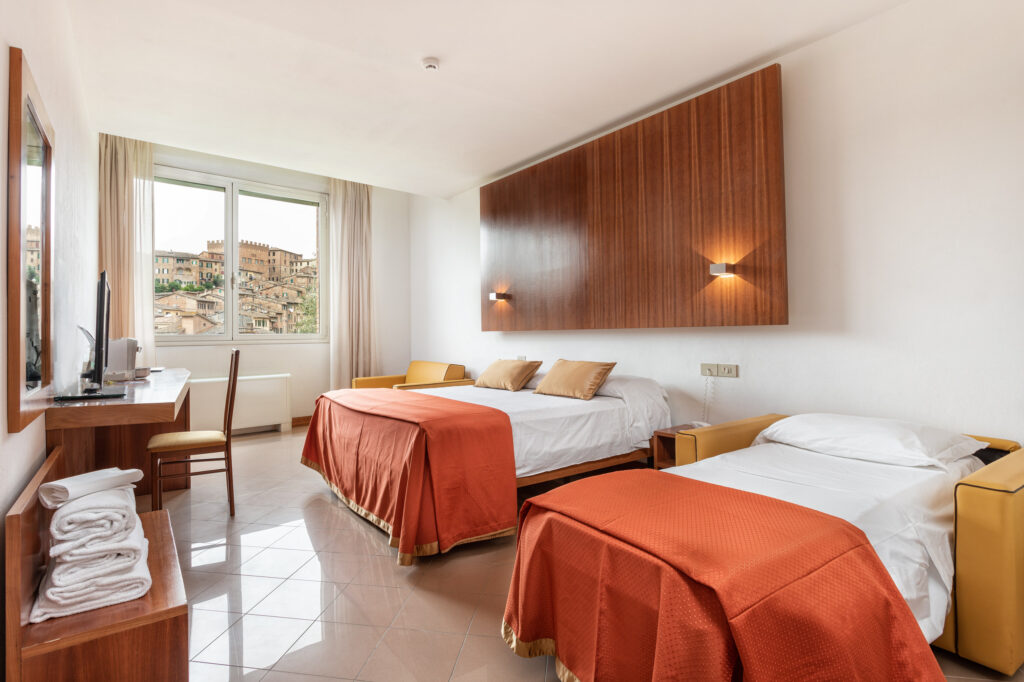
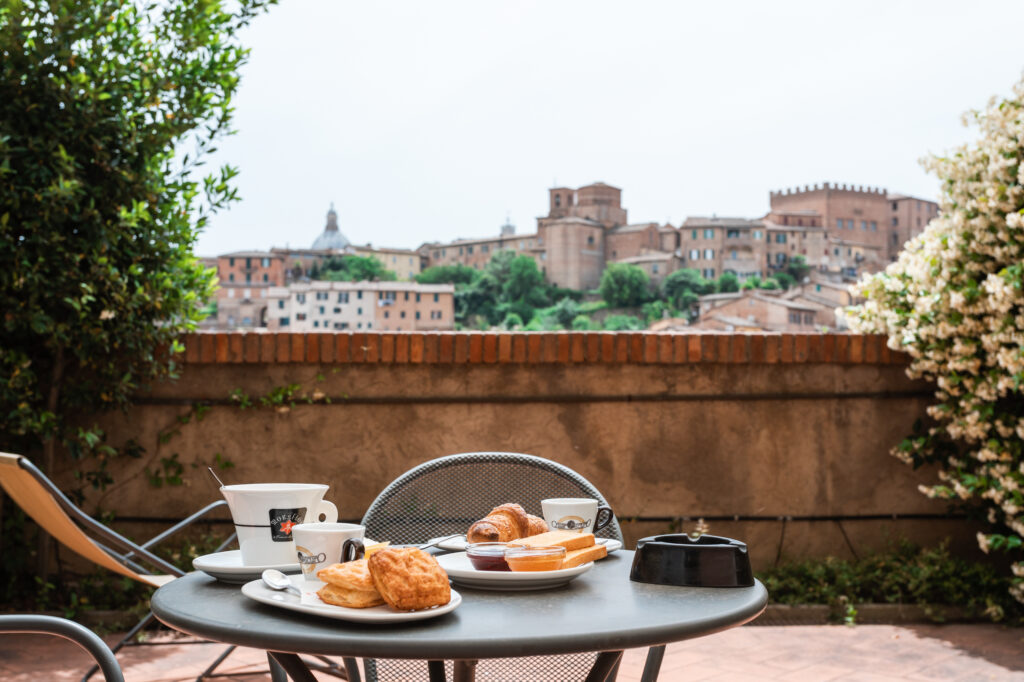
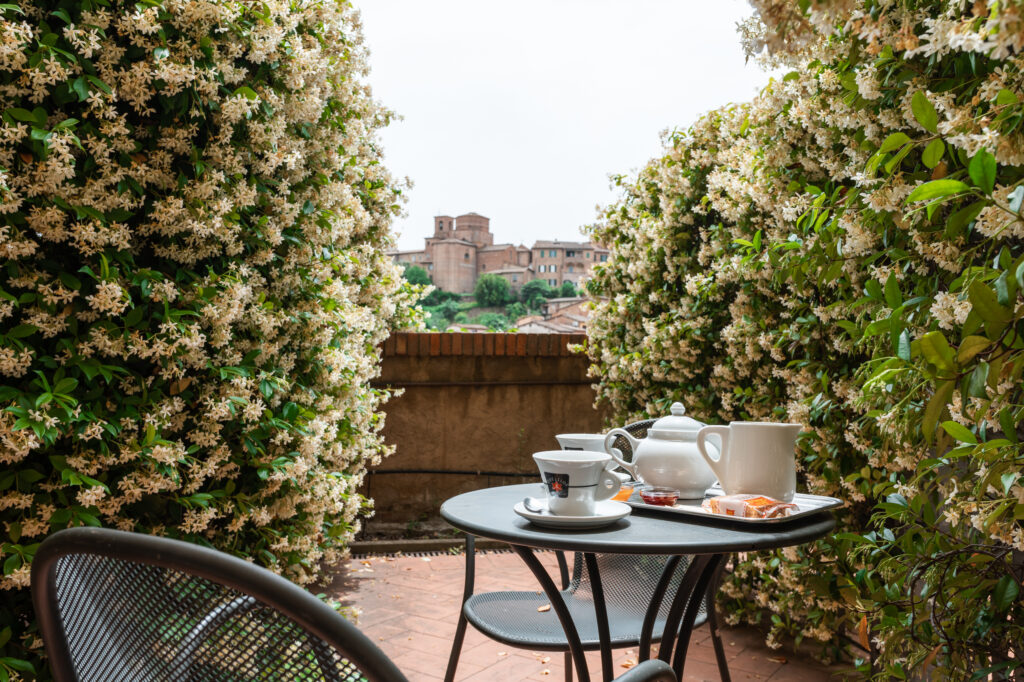
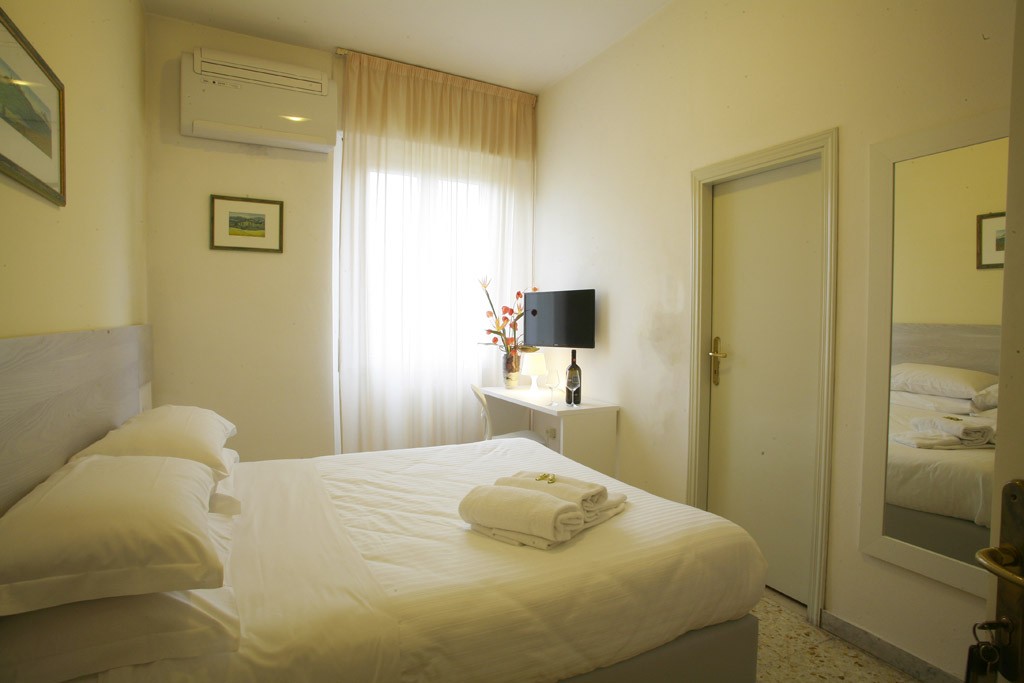
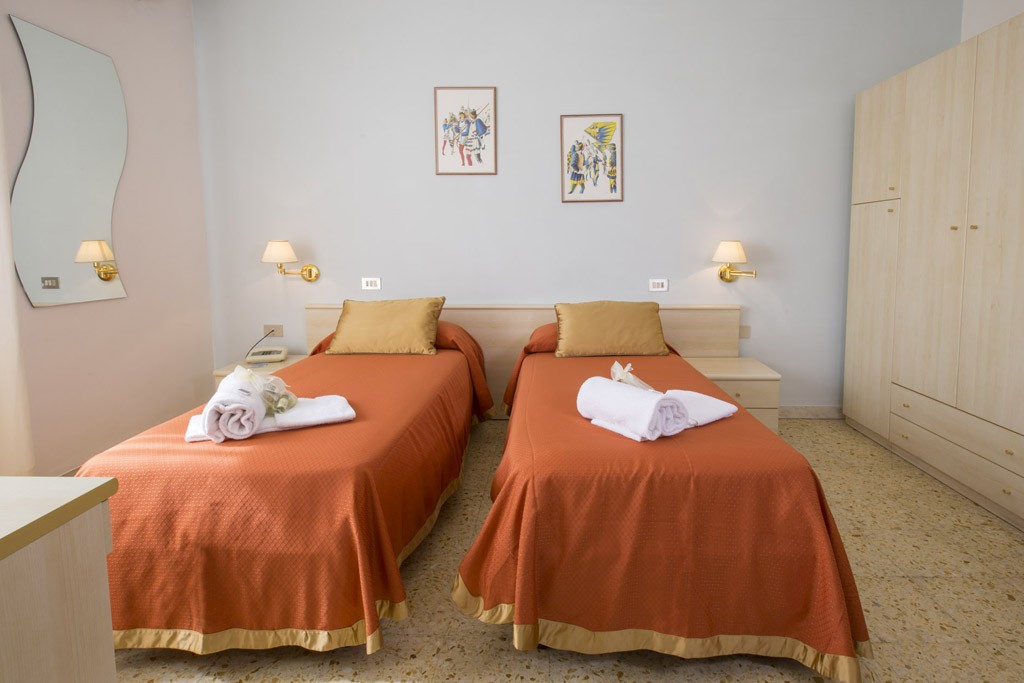
Below you will find an informal and comprehensive guide to the best tours and excursions departing from and returning to Siena (Hotel Minerva). We have divided the suggestions into day trips to the main destinations in Tuscany and longer tours of 2 or more days for those who want to discover even more, with thematic itineraries (food and wine, art and culture, nature and wellness). For each tour we indicate what to see, travel times, recommended means of transport, level of difficulty, to whom it is suitable and we provide summary tables with duration, distance, indicative costs, included attractions, seasonality and recommended local agencies. At the end there is also an FAQ section with frequently asked questions – for example how to get around without a car, which tours are suitable for children and whether it’s better to do it yourself or rely on guides.
Ready to set off? Tie your comfortable shoes, prepare your camera, and let’s discover together the wonders you can reach from Siena with ease!
Day trips from Siena
Thanks to Siena’s central location, you can organise beautiful day trips to many iconic destinations in Tuscany. From art cities such as Florence, to picture-perfect medieval villages such as San Gimignano and Monteriggioni, passing through the hills of the Chianti Classico or the Val d’Orcia with their vineyards, cypress trees and ancient abbeys – you’re spoiled for choice. All the excursions described can be done in a day with morning departure from Hotel Minerva and return in late afternoon/evening. You can use a car (if available, conveniently leaving from the hotel garage) or public transport where indicated. Alternatively, there are organised tours that combine several destinations in one day – for example San Gimignano + Chianti + Monteriggioni, or a Val d’Orcia tour touching Montalcino, Pienza and Montepulciano. The Minerva staff will be happy to help you book guided excursions or advise you on the best bus/train times. Here are the best day trips from Siena:
Monteriggioni and San Gimignano – Fairy tale medieval villages
Description: A must-do tour for those who love medieval atmosphere: in a single day you can visit two fortified villages among the most charming in Tuscany. Monteriggioni is a tiny village enclosed by an intact circle of crenellated walls, while San Gimignano enchants with its towering medieval towers on the hills (it’s nicknamed “the Manhattan of the Middle Ages”!). Leaving Siena in the morning, you’ll first reach Monteriggioni and then San Gimignano, returning to the city towards evening.
What to see: In Monteriggioni enter through the main gate and stroll in the quiet Piazza Roma, admiring the simple church of Santa Maria Assunta. Don’t miss the walkways along the walls, from where you can enjoy a wonderful view of the hills and the 14 towers of the walls (entrance ~€5, reduced ~€3). The village is very small: you will see it all in half an hour, then get back on the road to San Gimignano (about 40 minutes by car via Poggibonsi). In San Gimignano, a UNESCO World Heritage Site, leave the car in the car parks outside the walls and enter through Porta San Giovanni: you will find yourself in a medieval street lined with ceramic shops, wine shops and stone palaces, which leads to Piazza della Cisterna. This triangular square with the well in the centre is the photogenic heart of the village. Next door is Piazza Duomo, with the Collegiate Church (Duomo of San Gimignano) rich in 14th-century frescoes and the Torre Grossa, the highest of the remaining towers (54 m). Climbing to the top (218 steps, ~€9) gives an unforgettable panorama of the entire town and the Tuscan countryside. Wander through the alleys, discover charming views, visit the Civic Museum if you have time and energy, and treat yourself to a delicious break: in San Gimignano you’ll find the Dondoli Gelateria, famous for its world award-winning flavours – try the saffron and pine nut cream, a tribute to local products!
Transport: Monteriggioni is just 15 km from Siena (about 20 minutes drive). San Gimignano is 35 km from Siena (50 minutes by car). If you don’t have a car, this trip is still possible: there is a bus (Tiemme line 130) that departs from Siena and, with a change in Poggibonsi, goes to San Gimignano in about 1h15. Monteriggioni is connected by a suburban line (130A/131O) in ~30 minutes, or you can reach it from Poggibonsi. Alternatively to the DIY combination, as mentioned, many agencies offer guided tours that in one day include Siena > San Gimignano > Monteriggioni, often with wine tastings included.
Duration: Allow a full day (8–9 hours) to calmly do both stops. Leaving around 9:00, you return around 17:30–18:00, perfect for a shower and a relaxing dinner in Siena.
Difficulty: Easy – an itinerary suitable for everyone. In the villages you move on foot on cobbled streets and some slopes: nothing strenuous, just wear comfortable shoes. The Torre Grossa in San Gimignano requires some effort to climb the steps, but the climb is optional. It’s an ideal tour even in summer (the alleys are shaded) though avoid the hottest hours. Accessibility: the historic centres have cobblestones and stairs, so those with strollers or wheelchairs might have difficulties (the Monteriggioni walkways, for example, have no lifts).
For whom: families (kids love the walls of Monteriggioni and the medieval armour museum, and in San Gimignano they can run around the pedestrian squares and enjoy gelato); couples (romantic views from the towers, picturesque alleys – a great opportunity for souvenir photos); groups of friends (tasting Vernaccia in a wine shop and taking medieval selfies is guaranteed fun); solo travellers (safe and easy tourist destinations to explore independently, also great for meeting other travellers on a guided tour).
Summary table – Monteriggioni & San Gimignano
| Tour | Duration & Distance | Indicative costs (each) | Included attractions | Seasonality | Recommended local agencies |
|---|---|---|---|---|---|
| Monteriggioni + San Gimignano Medieval villages | 1 day 50 km total approx. (Siena–Monteriggioni 15 km; Monteriggioni–San Gim. 35 km) | Car: ~€10 fuel + €5 parking Bus: €6–8 round trip (line 130) Entrances: €5 walkways on walls; €5 Duomo SG; €9 Torre Grossa Guided tour: ~€60–80 (with tasting lunch) | • Monteriggioni Castle (walls, weapons museum) • San Gimignano (towers, Duomo, squares) • Vernaccia tasting (optional) | All year (spring/autumn ideal) Summer: crowded but lively Winter: fewer queues, quiet villages | My Tour Siena, Tuscan Escapes (group tours) Guide Siena (private guides on request) |
Chianti Classico tour – Hills, wines and castles
Description: This tour takes you to the heart of the Chianti Classico hills, the famous wine area between Siena and Florence marked by the Gallo Nero emblem. Prepare for a day among endless vineyards and olive groves, scenic roads and picturesque villages where time seems to stand still. You’ll visit some of the most characteristic towns of Chianti – for example Castellina, Radda and Greve – with the chance to stop at historic wineries to taste Chianti and typical products. It’s a perfect itinerary for those who love good wine, picture postcard landscapes and the slow rhythms of the Tuscan countryside.
What to see: Starting from Siena by car, take the Via Chiantigiana (SR 222) heading northeast. The first recommended stop is Castellina in Chianti (20 km from Siena): a medieval village with a 14th-century fortress overlooking the valley and the evocative Via delle Volte walkway, a covered passage under ancient houses, now dotted with wine shops and typical shops. Continuing among gentle hills, you can detour to see some castles – e.g. the Castle of Brolio (near Gaiole) or the Castle of Meleto – many are wineries open to visitors. Reach Radda in Chianti, a charming village surrounded by walls: relax in the main square, visit the Palazzo del Podestà decorated with coats of arms and browse the artisan workshops. For lunch, nothing better than a food and wine stop: you can book a light lunch on a farm with tasting (many wineries such as Castello di Fonterutoli or Castello di Brolio offer cellar tours and Tuscan lunch paired with their wines). Alternatively, stop in a local osteria: in Chianti you eat excellent pici al cinghiale, ribollita and bistecca alla fiorentina, obviously accompanied by Chianti Classico DOCG! In the afternoon, if you have time, you can go as far as Greve in Chianti, considered the “capital” of Chianti: here the Piazza Matteotti welcomes you with arcades, wine shops and the famous Antica Macelleria Falorni, a paradise for Tuscan cold cuts (finocchiona, prosciutti, pecorinos – you can assemble a gourmet sandwich on site). Finally, return to Siena calmly, stopping for some panoramic photos among the vineyards at sunset.
Transport: The Chianti Classico area is best explored by car: Castellina in Chianti is about 20 km (30 minutes’ drive) from Siena, Radda ~30 km (45 minutes), Greve ~45 km (1h10). The roads are paved but hilly with curves – to be savoured without haste. Public transport unfortunately has limited direct connections (there’s no frequent Siena–Radda bus); organised tours starting from Siena cover this area, great if you don’t want to drive. Alternatively, you can rent scooters or e-bikes for a more adventurous experience in spring/summer.
Duration: A full day (~8 hours). Recommended departure around 9:30 from Siena; return around 18:00, after visiting 2–3 villages and a couple of wineries. Total distance: about 100 km in a loop (Siena–Castellina–Radda–Greve–Panzano–Siena).
Difficulty: Easy/Moderate – physically the tour is light (short walks in the towns, no excessive climbs). The moderate difficulty lies in the need to drive on hilly roads and coordinate possible tasting bookings. If no one in the group wants to abstain from wine to drive, it’s better to rely on a tour with driver! Route not recommended in case of heavy bad weather (heavy rain) because much of the pleasure comes from outdoor views. In summer bring a hat because the sun in the vineyard is strong.
For whom: couples (romantic scenery among vineyards, tastings in castles – ideal for anniversaries or honeymoons), groups of friends (cheerful atmosphere, great food and wine to share), experienced wine tourists (opportunity to buy fine bottles directly from producers). Families with children can also enjoy Chianti, planning suitable stops: many farms have open spaces where kids can play and maybe see farm animals, while parents taste. Less suitable for solo travellers without a car, unless joining an organised tour.
Summary table – Chianti Classico Tour
| Tour | Duration & Distance | Indicative costs (each) | Included attractions | Seasonality | Recommended local agencies |
|---|---|---|---|---|---|
| Chianti Classico Villages & Wine | 1 day 90–100 km loop (Siena–Castellina–Radda–Greve–Siena) | Car: ~€20 fuel + €0 parking (free in villages) Tastings: €15–30 per winery (optional) Typical lunch: €25–30 in osteria Guided tour: ~€100–120 (small groups, lunch included) | • Castellina (Fortress, Via delle Volte) • Radda (historic centre, walls) • Castle of Brolio or Fonterutoli • Greve (Piazza Matteotti, shops) • Chianti Classico DOCG tastings | All year (vineyards spectacular in autumn) Spring: green and blossoming Summer: festive wine festivals Winter: bare landscapes but cellars open | Tuscan Escapes (8 pax food and wine tours) Chianti Wine Tour (local sommelier guides) MyTour (bus tour with stops in 2 wineries) |
Montalcino and Val d’Orcia – Wine, abbeys and picture-postcard landscapes
Description: A day discovering the south of the province of Siena, among the breathtaking landscapes of the Val d’Orcia (a UNESCO World Heritage Site) and the unique flavours of this land. Here you’ll find Montalcino, home of Brunello wine, and gems like the Abbey of Sant’Antimo immersed in olive groves. The itinerary will let you savour golden hills dotted with cypress trees, Renaissance towns such as Pienza and relaxing natural spas like Bagno Vignoni. Prepare your camera: every turn of the road could reveal a perfect Tuscan “postcard”!
What to see: Leave early in the morning from Siena in the direction of Montalcino (40 km south). In about an hour you will cross the Crete Senesi and reach this hilltop village famous for its Brunello vineyards. In Montalcino stroll through the historic centre, visit the imposing 14th-century fortress (you can climb the walls for a 360° view of the valley) and maybe treat yourself to a Brunello tasting at the Enoteca La Fortezza (inside the castle itself!). In the streets of Montalcino you’ll find wine shops and typical product shops – ideal for buying a Cinta Senese cold cut or a Pecorino di Pienza to take away. A few kilometers from Montalcino, in a solitary valley, stands the Abbey of Sant’Antimo: a Romanesque church from the 12th century, striking for its travertine architecture and mystical atmosphere. If you’re lucky, you might hear the monks chanting Gregorian chants that echo through the naves (check the function times with chant, often around 12:45). Entrance is for a free offering. Then continue towards the Val d’Orcia: the next stop is Pienza (another 20 km), the ideal Renaissance town wanted by Pope Pius II. In Pienza admire Piazza Pio II with the Cathedral and Palazzo Piccolomini, and especially look out from the Belvedere: from there you’ll see the entire valley with its typical rows of cypress trees and scattered farmhouses. Pienza is famous for its pecorino: stop in a shop to taste the local cheese (versions with truffle, pepper, aged in walnut leaves…). For lunch, you can enjoy pici cacio e pepe or a platter of pecorino at the “Sette di Vino” wine shop in the square, or have a picnic with bread, cheese and cold cuts in the nearby panoramic public garden. In the afternoon, head to Bagno Vignoni (18 km, about 20 minutes from Pienza): this tiny spa village will surprise you with its water square – a large medieval thermal tank steaming in the centre of town. You can’t bathe in the historic tank, but the place is fascinating for photos and relaxation. If you want to try the spas, you can access the pools of local hotels/spas (e.g. Albergo Le Terme, daily entrance ~€25) or go down to the Parco dei Mulini, below the village, where the thermal water forms streams and small natural warm pools in which to soak your feet for free. Conclude the day heading back to Siena: along the return route, if you haven’t already, you can make a short detour to photograph the famous Cipressini of San Quirico, a group of cypress trees on a hill that has become the symbol of the Val d’Orcia. You’ll arrive in Siena after about an hour of travel, with the warm colours of the hills at sunset in your eyes.
Transport: This tour requires a private vehicle to be optimised. Distances: Siena–Montalcino ~40 km (1h); Montalcino–Pienza ~20 km (30 minutes); Pienza–Bagno Vignoni ~18 km (20 minutes); Bagno Vignoni–Siena ~50 km (1h). In total about 130 km in a circular route. Bus connections are limited: there is a bus to Montalcino (line 112, ~1h30, few trips per day) and from Montalcino to Pienza the services are even more sporadic – not ideal for a one-day trip. Consider car rental or join a guided tour in Val d’Orcia from Siena (many agencies offer day trips including visits to Montalcino, Pienza and Montepulciano with tastings).
Duration: Entire day (10–11 hours to cover all stops calmly). Recommended departure around 8:30; return around 19:00. It’s a fairly rich itinerary: if you prefer a slower pace, you can choose only 2 of the 3 stops (e.g. Montalcino + Pienza leaving out Bagno Vignoni, or vice versa). Alternatively, you can extend it over two days (see our 2+ days tours further on).
Difficulty: Moderate – mainly due to the length of the route and many things to see in a short time. You spend a lot of time in the car (about 3 hours of driving in the day) and to see everything you need to pay attention to timings (especially for Pienza and the abbey if you want to hear the chants). The walks in the towns are easy; the only significant climb is to reach the Abbey of Sant’Antimo if you park below (10 minutes on foot with a gentle slope). Beware of summer heat: the Val d’Orcia can be sweltering in July-August, better bring water and a hat. In winter, on the other hand, it’s chilly but the landscape has a melancholy charm (morning mists, very green hills from January to March).
For whom: couples (probably the most romantic itinerary: Pienza with its “streets of Love and Kiss”, sunset panoramas, open-air spas – a movie-like atmosphere!); photography and nature lovers (the light and landscapes of the Val d’Orcia are a dream for photographers, each season offers different colours); wine lovers (Brunello di Montalcino, Orcia DOC, Rosso di Montepulciano – lands of great wines); families (children have space to run in the meadows of the abbey and the pedestrian alleys of Pienza; they can also see curious things like the “steaming” thermal tank at Bagno Vignoni and have fun dipping their feet in the natural pools). Note that it’s a long day: with small children consider fewer stops or return earlier.
Summary table – Val d’Orcia Tour (Montalcino & surroundings)
| Tour | Duration & Distance | Indicative costs (each) | Included attractions | Seasonality | Recommended local agencies |
|---|---|---|---|---|---|
| Val d’Orcia Montalcino, Pienza, Bagno Vignoni | 1 day 130 km total approx. (circular itinerary) | Car: ~€25 fuel + €5 parking Entrances: Sant’Antimo Abbey free offering; Palazzo Piccolomini €7; Montalcino Fortress €4 (optional) Tastings: Brunello €10–15/glass Guided tour: ~€80–100 (bus/minivan, light lunch included) | • Montalcino (Fortress, wine shops) • Abbey of Sant’Antimo (Romanesque architecture, Gregorian chants) • Pienza (Renaissance historic centre, belvedere) • Bagno Vignoni (medieval thermal tank, free spas) • Iconic landscapes (cypress trees, hills) | All year (spring: green, flowers) Summer: golden fields, long days Autumn: harvest and warm colours Winter: green hills, quiet atmosphere | My Tour Tuscany (Val d’Orcia tour) Ciao Florence (tour from Siena) Tuscan Escapes (tailor-made private tours) |
Florence in a day – Renaissance art and lively city
Description: Visiting Florence as a day trip from Siena is absolutely doable and recommended, especially for those who haven’t had the chance to include the Tuscan capital in their itinerary. Florence, cradle of the Renaissance, offers a unique concentration of art, history and beauty: in a few hours you can admire the grand Duomo of Santa Maria del Fiore with Brunelleschi’s Dome, the famous Ponte Vecchio over the Arno River, the statues of Piazza della Signoria and perhaps visit one of its exceptional museums (such as the Uffizi Gallery or the Accademia to see Michelangelo’s David). Leaving early from Siena and returning in the evening, you will have a memorable taste of Florence, just enough to whet your appetite to return with more time!
What to see: The classic itinerary for a day in Florence can begin at the Duomo: climb to the top of the Dome (about 463 steps – book your ticket in advance) for a breathtaking view of the city, or climb Giotto’s Bell Tower if you prefer a shorter queue. Visit the inside of the Cathedral (free) and the wonderful Baptistery of St. John with its famous golden mosaic ceiling. From Piazza Duomo walk down Via Calzaiuoli to Piazza della Signoria, the political heart of Florence: here stands the Palazzo Vecchio and an outdoor collection of sculptures (the Loggia dei Lanzi with Perseus, the Rape of the Sabine Women, a copy of the David). A few steps away is the Uffizi Gallery – if you’re passionate about art it’s worth spending 2 hours at the Uffizi to see Botticelli, Leonardo, Michelangelo and Raphael up close. Alternatively, for a less dense program, stroll to the Ponte Vecchio, admire the goldsmith shops and continue to the Oltrarno for lunch in a typical trattoria (try a lampredotto sandwich at ’Ino for Florence street food!). In the afternoon, I recommend going up to Piazzale Michelangelo (reachable by urban bus n.12 or by taxi in 10 minutes): from there you will have the panoramic postcard of Florence with the Duomo and Ponte Vecchio embraced by the Arno, perfect especially at sunset. Back in the centre, take a stroll in the Mercato di San Lorenzo for gastronomic souvenirs (Tuscan oil, cantucci, spices) before catching the train/bus back to Siena. Even just a walk in the centre will make you fall in love with Florence, with its lively shopping streets and Renaissance palaces around every corner.
Transport: The most convenient connection is the direct bus Siena–Florence: line 131 RAPIDA takes only about 1h15 to reach the centre of Florence (Via Santa Caterina da Siena bus station, near SMN station), with frequent trips approximately every hour. The ticket costs about €8 one way. Alternatively there is the train, but it’s not recommended: the Siena–Florence trip by train takes about 1h30–2h with a change in Empoli (Firenze SMN station is central). Leaving from Hotel Minerva, you can walk in 10 minutes to the bus station in Piazza Gramsci and take the 7:40–8:00 bus; you’ll be in Florence just after 9:00, ready to start your visit. For the return, the last useful bus is around 20:30. Car: you can also drive (75 km via the Siena–Florence expressway, ~1h15), but I discourage driving to Florence because parking is expensive and the traffic and ZTL zones in the centre are tricky. Much better to take bus or train and walk in the city.
Duration: The whole day – at least 8–10 hours available. Considering 1h15 each way by bus, you will have about 7–8 effective hours in the city, enough to see the main attractions from the outside and visit a couple of them inside. Of course the more time you have, the better (Florence deserves 2–3 days), but as a day trip from Siena it’s feasible.
Difficulty: Moderate – you walk a lot (from the Duomo to Ponte Vecchio and back are several kilometres on cobblestones) and the queues to enter the main monuments can be long in high season. To reduce the effort, plan well: book tickets online for the Dome or the Uffizi to avoid losing hours in line. Bring very comfortable shoes and a water bottle (there are fountains in the centre to fill it up). The experience remains pleasant even for children, but they may get tired if you take them to museums for too long – better alternate with gelatos and perhaps a puppet show at the Mercato Nuovo (the Fontana del Porcellino that brings luck!).
For whom: art and history lovers (Florence is an absolute must, from Brunelleschi’s Dome to Giotto’s frescoes – a history of art lesson in the open air), couples (walking on the Ponte Vecchio at sunset or along the Arno is very romantic; moreover Florence offers elegant restaurants for a dinner before returning), families (children will love the grandeur of the Duomo and perhaps climbing the tower, and you can involve them by having them look for the Gallo Nero emblem on the lampposts – Florence is full of them because of the ancient rivalry with Siena!), shopping addicts (between artisan boutiques, markets and fashion shops there’s something for everyone). The only caution for seniors: consider whether to climb the 400+ steps of the Dome – in case of doubt, admire it from below and maybe take a taxi up to Piazzale Michelangelo for the view.
Summary table – Excursion to Florence
| Tour | Duration & Distance | Indicative costs (each) | Included attractions | Seasonality | Recommended local agencies |
|---|---|---|---|---|---|
| Florence City of art | 1 day 150 km round trip (by bus ~1h15 each way) Siena–Florence 75 km | Bus round trip: €15 (approx) Entrances: Dome/Baptistery €15; Uffizi €20; Accademia €16 (optional) Lunch: €15 (street food) – €30 (restaurant) Extra: artisanal gelato €3–5 | • Florence Cathedral & Dome (city panorama) • Piazza della Signoria (outdoor statues) • Ponte Vecchio (iconic) • Museum of choice (Uffizi or Accademia) • Piazzale Michelangelo (panoramic view) | All year (very crowded in high season) Spring/Autumn: ideal weather Summer: lively city but hot and queues Winter: fewer tourists, museums always open | Guide Florence (tourist guides for walking tours) Walkabout Florence (thematic tours, e.g. gelato tour) (In general, no tour operator is needed: Florence is easy to explore independently) |
Other ideas for day excursions
In addition to the destinations described, Siena is in a strategic position to reach many other Tuscan destinations in a day. Here are some additional suggestions if you have more days available or particular interests:
- Volterra – another splendid medieval village famous for alabaster and its Roman theatre. It’s about 50 km from Siena (about 1h by car). You can combine it with San Gimignano if you start very early, otherwise dedicate a separate day to enjoy it without haste.
- Arezzo – an art city rich in churches and known for Piero della Francesca’s frescoes. From Siena it’s about 70 km (1h15 by car, or about 2h by train via Chiusi). The historic centre is elegant and less touristy, with the ancient Piazza Grande and the Antique Fair every first weekend of the month.
- Abbey of San Galgano – a suggestive place 35 km from Siena (40 minutes by car) where the ruins of a roofless Gothic abbey stand, immersed in the countryside. A few steps away is the Rotonda di Montesiepi which houses the legendary sword in the stone. The abbey is open all year (entrance ~€5) and is a fascinating destination for photographers and medieval history enthusiasts. You can combine it, if you want, with the Petriolo natural spas (free sulphurous hot pools in the Farma river, about 20 km away).
- Etruscan Coast – if in summer you want a sea dip, from Siena in about 1h30 by car you reach the beaches of southern Tuscany (e.g. Castiglione della Pescaia, Marina di Grosseto) or, a bit further (2h), the splendid Maremma with the Uccellina Park and the beach of Marina di Alberese. A different idea to vary from only hill towns.
(The above extra excursions require a car or a private tour, as public transport is limited. Ask for advice at the hotel for maps, schedules and any local guides available.)
Tours of 2 or more days from Siena
If you have a long weekend available or want to use Siena as a base camp for several days, you can organise thematic itineraries over 2, 3 or more days, with each day starting and ending at Hotel Minerva. This allows you to travel light (leaving luggage at the hotel) and enjoy star-shaped Tuscany, exploring a different area each day. Below we propose some examples of multi-day tours – from food and wine itineraries for foodies, to art and culture routes, to nature and wellness programs for those seeking relaxation. Feel free to combine the different stops as you wish, based on your interests and the season.
Tuscan food and wine weekend (2 days)
Ideal for: lovers of good food and wine, gourmet couples, groups of friends passionate about local flavours.
Concept: Two days dedicated to the food and wine excellences of Siena and Tuscany, exploring the most renowned wine regions and tasting wines, cheeses and typical products directly in the places of production. Always based in Siena (Hotel Minerva), travel by car or with organised tours with a driver so you don’t have to worry about tastings.
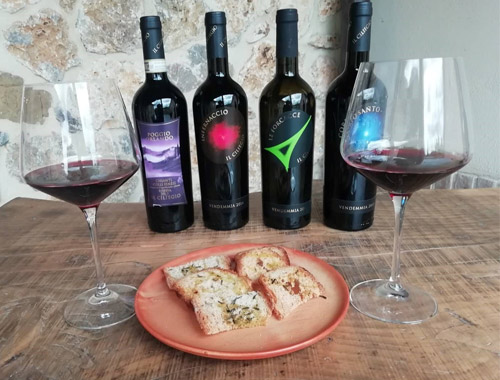
- Day 1 – Chianti Classico tour and dinner on a farm: Depart from Siena around 9:30 for Chianti Classico (itinerary described in the day excursions section). Visit Castellina and Radda, stopping for a tasting lunch at a historic winery (e.g. Castello di Brolio or a farm in Radda). In the afternoon stop in Greve in Chianti to stroll around the market square and buy cold cuts at Macelleria Falorni. Return to Siena in the late afternoon. For the evening, book a dinner on a farm in the vicinity of Siena: for example, Agriturismo La Torretta or Il Ciliegio, a few km from the city, offer typical Tuscan dinners at 0 km, with a fixed menu and house wine. Enjoy the rustic atmosphere: crostini, ribollita, mixed grill, all accompanied by homemade Chianti. After dinner, return to Minerva for the overnight stay.
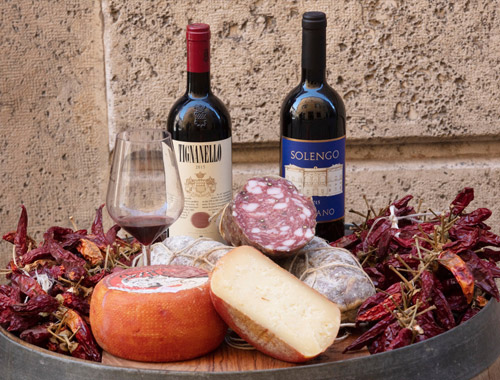
- Day 2 – Val d’Orcia: Vino Nobile and Pecorino di Pienza: Depart in the morning for the Val d’Orcia. First stop at Montepulciano (65 km, about 1h15 from Siena), famous for Vino Nobile. Walk through the Renaissance town up to Piazza Grande, visit one of the ancient underground cellars (e.g. Cantina del Redi) and taste a glass of Nobile DOCG. Continue to Pienza (13 km), where at lunchtime you can delight in local pecorino: I recommend a light lunch based on cheese and cold cuts at the wine shop La Tana del Goloso or similar, accompanied by a glass of Orcia DOC. In the afternoon move to Montalcino (40 km from Pienza) through the hills: here deep dive into the Brunello experience by visiting a winery at the town’s entrance (e.g. Fattoria dei Barbi or Casanova di Neri) with cellar tour and guided tasting. Alternatively, if you’ve already done tastings on day 1, dedicate this afternoon to a cultural aspect: the visit to the Abbey of Sant’Antimo near Montalcino, to walk off the gastronomic abundance with the beauty of art! Return to Siena in the evening (1h by car from Montalcino). For the last dinner in town, why not try a typical restaurant like Osteria Enoteca Sotto le Fonti to taste pici all’aglione and maybe open that bottle of Brunello bought as a souvenir?
Overnights: 2 nights at Hotel Minerva (Siena).
Tips: Book winery visits in advance (especially in high season) and specify whether you want the tour in Italian or English. Bring a cooler or thermal bag if you buy cheeses in Pienza (so they’ll keep during the day). Leave space in the trunk: you’ll probably come back to the hotel with a few cases of wine!
Variation: If you prefer less driving and more relaxation, you can replace Montepulciano with a visit to the Bagno Vignoni thermal baths after Pienza (doing just Pienza + Bagno Vignoni + Montalcino). So you’ll combine taste and wellness.
Summary table – Food and Wine Weekend
| Itinerary (2 days) | Day 1 | Day 2 | Total km (2 days) | Suitable for… | Seasonality & Notes |
|---|---|---|---|---|---|
| Gourmet Weekend Chianti + Val d’Orcia | Chianti Classico: – Castellina, Radda, Greve – Chianti tastings – Dinner on a farm outside Siena | Val d’Orcia Food & Wine: – Montepulciano (Vino Nobile) – Pienza (pecorino) – Montalcino (Brunello) | ~250 km (loop over 2 days) | Gourmet couples, groups of friends, wine lovers. Note: with small children it may be tiring (prefer stops at farms with open spaces). | Ideal in autumn (harvest, new wines) 🍇 and spring (mild weather). Summer is ok but wineries crowded; winter: leafless vines but tastings indoors 🍷. Book tastings. |
Tuscan Art and Culture Tour (3 days)
Ideal for: enthusiasts of art, history and local traditions; those who want to explore both Siena and other Tuscan art cities while always based in Siena.
Concept: A 3-day itinerary that combines an in-depth visit to Siena with day excursions to two important Tuscan art cities, Florence and another to choose between Pisa or Arezzo (alternatively, Volterra or Perugia if you prefer something different). Plus, time to discover Sienese traditions (such as the Palio, if you happen to be there on the right dates).
- Day 1 – Classic Siena: Dedicate the first day to exploring Siena city, to understand the cultural context you’re starting from. Leaving the hotel on foot, follow a classic route: Basilica of San Domenico (relics of St. Catherine), then St. Catherine’s Sanctuary House, then dive into the lively Piazza del Campo (maybe climb the Torre del Mangia for a 360° view) and visit the Duomo of Siena with the OPA Pass to see also the Piccolomini Library, the Baptistery and the Opera Museum. In the afternoon you can visit a Contrada Museum (if open) to understand the passion of the Palio di Siena or the Civic Museum inside the Palazzo Pubblico for the frescoes of the Good Government. Dinner in a historic osteria and overnight at the Minerva.
- Day 2 – Trip to Florence: (See details in the excursion Florence in a day above). Leave early with bus 131R, enjoy the day among Florence’s Renaissance treasures: Duomo, Uffizi (recommended to book), Ponte Vecchio, maybe Palazzo Pitti if you’re fast, and panorama from Piazzale Michelangelo. Return to Siena for dinner. It will be an intense but culturally rich day.
- Day 3 – Trip to Pisa (or Arezzo): For the third day we propose a different art destination. Pisa offers the architectural marvel of Piazza dei Miracoli with the Leaning Tower, the Cathedral and the Baptistery – a unique spectacle in the world. From Siena you can reach Pisa in about 2 hours by train (change in Empoli) or by car (120 km, about 2h via the Florence-Pisa link). Once there, besides the famous tower, stroll along the Lungarno and visit the Church of Santa Maria della Spina or Piazza dei Cavalieri to complete the visit. Alternatively to Pisa, if you prefer a less touristy place, Arezzo is a medieval jewel: here you can admire Piero della Francesca’s frescoes in the Basilica of San Francesco, Piazza Grande with the characteristic loggias and maybe the Vasari House Museum. Arezzo is reached by car (1h15) or direct bus (a couple per day, about 2h). Whichever you choose, return to Siena in the evening.
(Alternative option for Day 3: if you’re interested in local culture, you can stay in Siena and delve into particular aspects: for example, a guided tour of the Contrade to discover the secrets of the Palio, or take a Sienese cooking class – many associations organize lessons to learn how to make pici or cantucci. Or, take a short excursion to San Gimignano if you haven’t seen it yet, focusing on its artistic heritage – e.g. the San Gimignano Picture Gallery and Collegiate Church with frescoes.)*
Overnights: 3 nights at Hotel Minerva.
Tips: This tour is dense with museums and churches – to avoid “cultural overload” alternate demanding visits with moments of relaxation (e.g. a panoramic coffee, an ice cream break). Buy skip-the-line tickets where possible (especially in Florence and Pisa). If you visit Siena in July or August and happen to be there on the days of the Palio (July 2 or August 16), keep in mind that Siena will be very lively: it may be worth skipping the day 3 trip and staying in town to see the Palio or at least the morning trial in Piazza del Campo – a unique cultural experience in the world. Hotel Minerva can help you find seats in the stands or balconies to watch.
Summary table – Art and Culture Tour (3 days)
| Itinerary (3 days) | Day 1 (Siena) | Day 2 (Florence) | Day 3 (Pisa/Arezzo) | Suitable for… | Notes |
|---|---|---|---|---|---|
| Art & Culture Tuscany Siena + Florence + Pisa/Arezzo | Classic Siena: – Piazza del Campo (Torre del Mangia) – Siena Cathedral (OPA Pass) – Contrada Museum/Palazzo Pubblico – Evening stroll in the centre | Florence in a day: – Duomo, Baptistery, Dome – Uffizi Gallery (Renaissance art) – Ponte Vecchio – Piazzale Michelangelo (sunset) | Pisa (or Arezzo): – Pisa: Leaning Tower, Cathedral, Baptistery – Pisa Lungarno (or Arezzo: Piero Frescoes, Piazza Grande) | Art and history enthusiasts, Senior travellers (with an appropriate pace), Families (kids interested in culture) | The tour covers the Tuscan masterpieces. Attention for those who dislike crowds: Florence and Pisa very touristy. Summer: heat in urban centres – drink plenty. Palio in Siena (July 2/ Aug 16): top cultural experience, but book hotel and seats well in advance! 🏳️🌈🐎 |
Nature and Wellness Tour (2 days)
Ideal for: those who wish to combine exploration of the Tuscan landscape with moments of thermal relaxation; families with active children; couples seeking tranquility.
Concept: Two days devoted to nature and well-being. On the first day you will dedicate yourselves to panoramic walks and outdoor activities around Siena, on the second day will be focused on thermal relaxation and slow rhythms.
- Day 1 – Light trekking in the Crete Senesi & Abbey: Leave the hotel in the morning by car towards the Crete Senesi (southeast of Siena, 30–40 minutes). Reach the village of Asciano and from there explore one of the nature trails on the clay hills: for example the Site Transitoire in Leonina, an art installation amidst the badlands from which you enjoy a 360° panorama (reachable with a 15-minute walk from the parking point). Alternatively, you can do a portion of the Via Francigena: a very beautiful stretch goes from Buonconvento to the Abbey of Monte Oliveto Maggiore (Benedictine complex famous for its frescoed cloisters) – you can also reach the abbey by car, visit it (free entrance, frescoes by Sodoma and Signorelli) and then take a short walk in the surroundings, immersed in cypress and pine forests. Rustic lunch in the area (in Asciano there’s Osteria La Mencia serving homemade pici and excellent cheeses from the Crete). In the afternoon, on the way back, stop at the Truffle Museum in San Giovanni d’Asso if you’re curious, or return to Siena early and rent a bike at the hotel for a ride on the city walls or to the Medici Fortress (the Minerva has info for bike rentals). Quiet dinner at the hotel or nearby.
- Day 2 – Thermal baths and relaxation: Today pure wellness. Depending on the season and your preference, choose a spa town easily reachable from Siena: Rapolano Terme (25 km, 30 minutes by car) or Bagno Vignoni (50 km, 1 hour by car) already described above. Rapolano has two modern spa facilities (Terme Antica Querciolaia and Terme San Giovanni) with large indoor and outdoor pools of warm sulphurous water – open all year. You can spend the whole morning here between hydromassages and treatments (entrance costs about €13–15 for 4 hours). Have lunch in your bathrobe at the spa bistro or in a restaurant in Rapolano (perhaps based on Chianina, another local specialty). In the afternoon, if you’re not too relaxed to move, take a tour of Serre di Rapolano, a village known for its travertine, or visit the Caves of Montepulciano (20 minutes from Rapolano) if you love natural caves. Alternatively, if you chose Bagno Vignoni, besides bathing in the spas, in the afternoon you could walk down to the Parco dei Mulini to soak your feet in the warm “wild” pools again or stop at a winery in San Quirico d’Orcia for a taste of Orcia DOC wine before returning. Come back to Siena in the late afternoon feeling regenerated. For dinner, I suggest one final treat: a SPA dinner! Did you know Siena has a restaurant with private Roman baths? It’s the Terme di Santa Caterina (below the restaurant La Diana): you can book a package including a bath in the historic thermal pool and a romantic candlelit dinner – a truly special experience to conclude the tour in style.
Overnights: 2 nights at Hotel Minerva.
Tips: Bring light hiking shoes for day 1 and swimsuit + flip-flops + towel for day 2 at the spas (in Rapolano they also sell/rent them on site if you forget). Check opening times of the Abbey of Monte Oliveto (closed during lunch hours). For a more adventurous option, you can rent e-bikes and go on a cycling tour in the Crete Senesi (there are loop routes starting from Arbia or Asciano, the hotel can direct you to organised bike tours). Finally, watch the weather: in summer schedule walks for early morning or late afternoon to avoid scorching heat; in winter the outdoor spas are wonderful but bring a warm robe for when you get out of the water!
Summary table – Nature & Wellness Weekend
| Itinerary (2 days) | Day 1 | Day 2 | Total km (2 days) | Suitable for… | Seasonality notes |
|---|---|---|---|---|---|
| Nature & Relax Crete Senesi + Thermal baths | Nature and trekking: – Crete Senesi (Asciano, badlands landscapes) – Abbey of Monte Oliveto Maggiore – Short walk or bike tour (evening relaxation in Siena) | Spas and wellness: – Rapolano Terme (warm thermal pools) or – Bagno Vignoni (historic pool + hotel spas) – Total relaxation, optional massages | ~150 km (car round trip over 2 days) | Families (kids can run in the Crete, thermal pools generally accessible to children) Couples (very romantic) Seniors (slow pace) | Spring: ideal for walks (green hills, flowers) 🌼 Autumn: mild temperatures, pleasant spas 🍂 Summer: ok for spas (warm water) and walks at dawn/sunset Winter: hot spas top (even with snow!) ❄️, reduced trekking (mud in the Crete) |
(Of course, you can extend this tour by adding a Day 3 entirely dedicated to discovering a natural park, for example the Parco della Maremma or the Val di Merse Nature Reserve, if you love wild nature. Siena is surrounded by little-known but enchanting green places – ask at the hotel for personalised suggestions based on the season.)
Frequently Asked Questions (FAQ)
Can San Gimignano be visited without a car?
Yes, of course! San Gimignano is about 35 km from Siena and can also be reached by public transport. There is a direct bus (line 130 Autolinee Toscane) that departs from the Siena bus station (Piazza Gramsci, a 5–10-minute walk from Hotel Minerva) and arrives in San Gimignano in about 1h15, with a change at Poggibonsi. The services are fairly frequent (about one every hour in the morning). So you can easily visit San Gimignano in a day without a car, leaving in the morning and returning in the afternoon. Keep in mind that the historic centre is small and can be explored on foot in a few hours; by dedicating 4–5 hours you’ll be able to climb a tower, visit the Duomo and enjoy lunch leisurely. Many tourists combine San Gimignano and Monteriggioni on the same day (see itinerary above). Florence is also comfortably visitable without a car (direct bus 1h15). In general, many destinations are connected from Siena: Monteriggioni can be reached by bus (line 130A, ~30 minutes), Montalcino has some buses (line 112, ~1h30) – although less frequent – and places like Pienza or thermal baths instead require tours or a car. If you prefer not to worry about schedules, Hotel Minerva can help you book an organised tour: there are several that include transport by bus/minivan and an escort, taking you for example to San Gimignano + Chianti + Monteriggioni all in one day. In short: it can be done without a car, you just need to plan bus timetables (ask at reception for updated timetables) and enjoy the journey through the Tuscan countryside!
Which tours are suitable for children?
Many of the excursions described are family-friendly, but some in particular will make children very happy. The Monteriggioni + San Gimignano itinerary is perfect for kids: Monteriggioni looks like a fairy tale castle and there’s a small museum with medieval armour that entertains children; San Gimignano has pedestrian squares where they can run safely and, let’s face it, artisanal gelato makes everyone happy! Chianti is also suitable for children if organised with some child-friendly stops: for example, many farms in Chianti have animals (donkeys, chickens, goats) and open spaces where kids can play while the adults taste wine. In the Val d’Orcia excursion, children will enjoy the open air at the Abbey of Sant’Antimo (they can run in the surrounding meadows) and in Pienza there is a great pecorino-flavoured gelato that will intrigue them. The Rapolano thermal baths generally allow children to enter some pools – turning the day at the spa into a big water fun (always under parents’ supervision). In Siena itself, if you stay in the city, there are parks like the Orto de’ Pecci with farm animals, ideal for letting them play. A general tip: keep rhythms flexible and plan play/snack breaks. All suggested tours are modular: you can skip a museum stop if you see them getting tired and instead squeeze in a park stop or something curious (e.g. in San Gimignano there’s also a small Torture Museum – for older kids with particular tastes!). In summary, the tours most suitable for small children are those with pedestrian villages and nature (Monteriggioni, San Gimignano, Pienza, farm stays) and those where there’s something tasty or interactive along the way. Maybe avoid very long days in the car (like doing all of Val d’Orcia in a day) with kids under 5, or break them up with more frequent stops. And always bring snacks, water and maybe a balloon… it turns any square into a makeshift playground!
Can excursions be done on your own or do you need guides/organised tours?
It depends on your tastes and how confident you feel about planning. The good news is that almost all excursions can be done independently: Tuscany is well signposted and the destinations described are tourist-friendly, so you will easily find maps, signs and information on-site. If you have a car, you are 100% independent on timings; if you use public transport, you’ll need to adapt a bit to bus/train schedules, but as seen many places are reachable. Doing the trips on your own gives you flexibility: you can decide to stay longer in a place you like, improvise a detour, eat wherever you happen to find. It will also save money, because it will only cost fuel or public transport tickets, plus the entries you choose. That said, you don’t always need but sometimes it’s convenient to rely on an organised tour: for example, if you want to visit several places in one day (like 3 villages in 8 hours) without stress, a guided minibus tour optimises your time and saves you having to park or study schedule combinations. Plus, the guide adds value by telling you history and anecdotes you might miss on your own. Practical tip: You can mix solutions – maybe do San Gimignano and surroundings on your own (easy), and book a guided tour for Val d’Orcia where the distances are longer and driving might be more tiring. Hotel Minerva works with reliable local agencies (like MyTour, Tuscan Escapes, certified guides of Siena) and can book group or private excursions for you. Many of these depart right from the station square, a few minutes from the hotel. In conclusion: do you need guides? – no, not “necessary”, you can do it yourself; but they can enrich and simplify the experience. If you’re an adventurous traveller and like freedom, go and discover freely. If you prefer to enjoy the panorama without logistical worries, invest in an organised tour for those more complex destinations. In both cases, come back to Minerva in the evening and tell us how it went – we’ll be happy to hear your travel stories!
What is the best time to do these excursions?
Every season has its charm in Tuscany. Spring (April–May) is perhaps ideal: bright green hills, blooming fields, mild temperatures – perfect for touring villages and taking photos. Also early autumn (September–October) is wonderful: golden vineyards, harvest in progress (you might catch some grape festivals!), still pleasant weather. Summer brings long days and many events (outdoor concerts, village festivals, etc.), but count on heat and more tourists especially in July-August; choose excursions with a chance to cool down (like those in the mountains or with a dip in spas/lakes). Winter is low season: advantages – little crowd, clear light for photography, and with Christmas the villages fill with lights and markets; disadvantages – it gets dark early (around 17:00), some attractions have reduced hours and the landscape is less lush (bare hills, vineyards without leaves). But it’s the best time to enjoy empty museums and have tastings of robust wines by the fireplace. In short, there’s no period to avoid outright. Maybe November is the most “dull” month weather-wise (rains and already bare countryside, olives already harvested), but it has its charm for those who seek absolute quiet. The advice is: if you can choose, come in late spring or early autumn, but even in midsummer or in December you’ll find unique experiences. Adapt your clothing (hat and sunscreen in summer, windproof jacket and waterproof shoes in winter for excursions) and go – Tuscany awaits you all year round!
We hope this guide has been useful to help you plan your tours from Siena. Hotel Minerva wishes you an unforgettable stay: whether you are art lovers, food enthusiasts, nature lovers or family travellers, Siena will conquer you and become your Tuscan “home” from which to set off on adventures every day. Don’t hesitate to ask our staff for other personalised tips – we are here to make your experience welcoming, practical and engaging, just like this beautiful land of Tuscany. Safe travels and have fun!
To book our hotel, you can use the online booking system above.