
Introduction
The Torre del Mangia rises above Siena’s shell‑shaped Piazza del Campo and invites visitors to climb nearly 400 steps for a 360° view of the medieval city. Built between 1338 and 1348 as the civic tower of the Palazzo Pubblico, it has become one of Siena’s most beloved symbols . Every year thousands of travellers tackle the climb to enjoy an unparalleled panorama of red‑tiled roofs, the cathedral spires and the Tuscan hills. This guide answers common questions about visiting the tower—how to climb it, when to go, what you can see from the top—and includes practical information on tickets, opening times and tips to get the most out of your visit .
What is the Torre del Mangia and where is it?
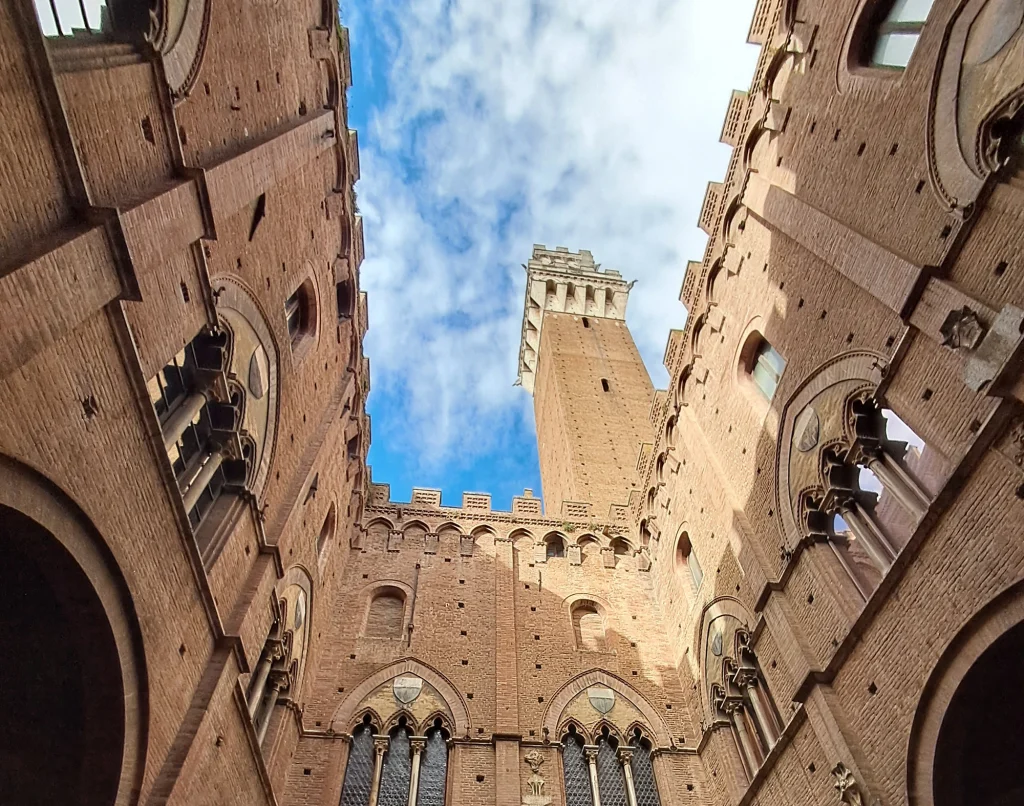
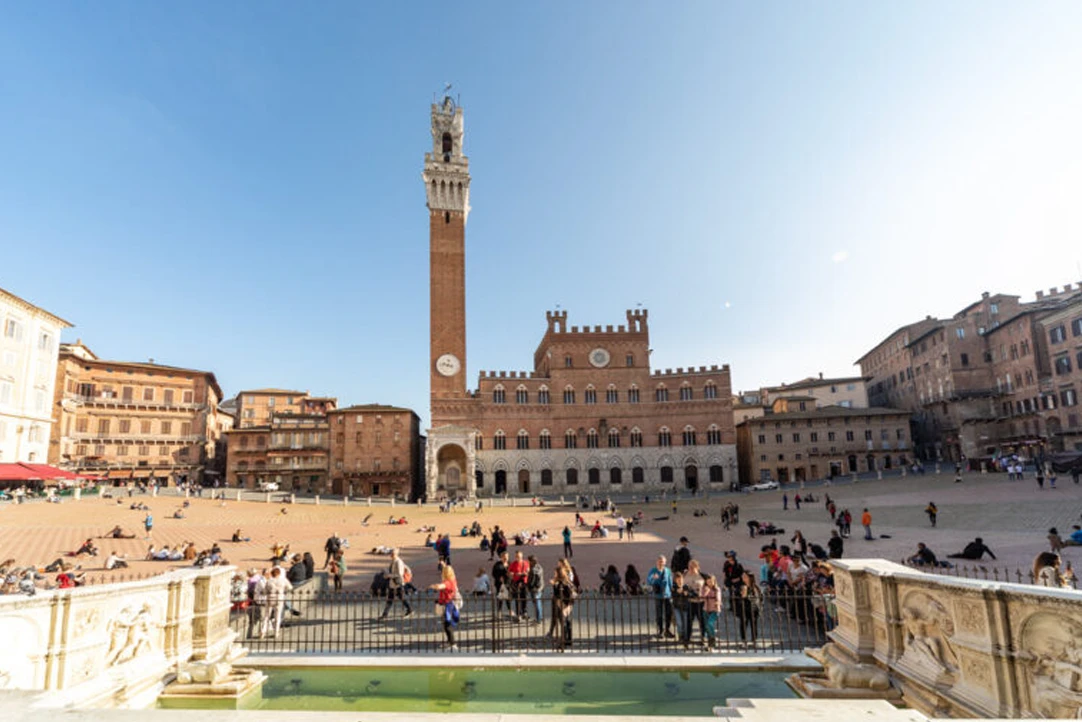
The Torre del Mangia is the civic tower of Siena’s town hall (Palazzo Pubblico) in Piazza del Campo, the city’s beating heart . At 87–88 m tall (about 102 m including the lightning rod) it dominates the square and the city skyline . Its height was deliberately kept almost equal to that of the cathedral’s campanile, symbolising the balance between civil power and religious power in 14th‑century Siena . The tower was built between 1338 and 1348 and remains one of the highest surviving medieval towers in Italy .
The name “Mangia” comes from the nickname of its first bell‑ringer, Giovanni di Balduccio, who was notorious for spending his wages on food and pleasure. The Sienese called him Mangiaguadagni (“he who eats his earnings”), later shortened to Mangia . Even after he was replaced by a mechanical clock in 1360, the automaton that struck the hours retained the same name, and the tower has been known as the Torre del Mangia ever since .
Essential facts (summary table)
| Feature | Details |
|---|---|
| Construction | 1338–1348 |
| Height | ~88 m (c. 102 m including lightning rod) |
| Steps | ~400 steps to the top |
| Location | Piazza del Campo, Siena |
| Origin of name | From the first bell‑ringer, Giovanni di Balduccio “Mangiaguadagni” |
| Main bell | Campanone or Sunto (installed 1666; weighs ≈7 t) |
| Access | Open to visitors; entry is ticketed and time‑controlled |
Construction and history
The tower was erected during the Repubblica dei Nove, a period of great artistic and architectural flourishing for Siena. Early attributions to Agostino di Giovanni were later corrected: archival documents reveal that the first architects were the brothers Minuccio and Francesco di Rinaldo from Perugia . In 1341 the painter Lippo Memmi, brother‑in‑law of Simone Martini, was called to refine the design; he created the distinctive stone crown and merloned bell‑chamber that breaks the vertical brick shaft . The great bell was cast for the tower in 1348–1349, though its installation was delayed because the plague struck Siena . The tower survived earthquakes and centuries with few alterations thanks to structural consolidations .
Climbing the tower: steps and suitability
To reach the top you must climb about 400 steps along a narrow helical staircase . There is no lift: the only way up is on foot . The climb can feel strenuous and the stairway becomes very tight in places , so consider whether it suits you. Small landings allow you to pause—one balcony partway up already offers a fine view of the piazza . The ascent is feasible for most healthy visitors, but not recommended for everyone. Local authorities advise against climbing if you:
- Have heart or respiratory problems or wear a pacemaker ;
- Have serious mobility issues; wheelchairs cannot be accommodated because of the medieval staircase ;
- Suffer from claustrophobia or vertigo; the cramped spaces and height may trigger discomfort ;
- Are in advanced pregnancy ;
- Have diabetes or are not in good overall health .
Children under 14 may climb only when accompanied by an adult, and parents should decide based on the child’s energy and comfort with heights . For families, consider using a child carrier for toddlers and make the climb a game by counting steps or looking for architectural details . Always wear comfortable non‑slip shoes, avoid large backpacks, bring water and follow staff instructions .
Is there an elevator?
No; there are no lifts or alternative ways to reach the top . Visitors with limited mobility can still enjoy other panoramic points in Siena, such as Piazzale San Domenico or the Medicean Fortress, which are accessible without climbing long flights of stairs .
Opening times
Opening times vary by season and may change during special events. Generally the tower operates daily with a midday sanitation break:
| Period | Opening hours | Notes |
|---|---|---|
| 1 March – 15 October | 10:00 – 19:00 (last entry 18:15) | Closed ~13:45–14:30 for cleaning . |
| 16 October – 28 February | 10:00 – 16:00 (last entry 15:15) | Shorter hours in low season; similar midday pause . |
| Special closures | 25 December closed; 1 January opens midday; hours may change around the Palio (late June and mid‑August) | Check in advance during Palio days . |
The last admission is always ~45 minutes before closing . In extreme weather (strong storms or wind) the tower may close temporarily for safety .
Tickets and prices
A ticket is required to climb the tower. As of 2025 the regular entry fee is €10 . Several concessions and combination tickets are available:
- Family ticket: €25 for two adults plus children over 11 years; younger children (0–11) enter free .
- Tower + Museo Civico: €15 per person; includes both the Torre del Mangia and the adjacent Civic Museum .
- Municipal museum passes: various passes (Musei Comunali €14; All‑inclusive €20; Family pass €40) combine the tower with the Civic Museum and Santa Maria della Scala, valid for two days .
- Free entry: children under 11 and residents of Siena enter free; other exemptions apply for categories such as licensed guides, journalists and visitors with disabilities with a companion .
Prices can change, so check the municipality’s official website before your visit .
Purchasing tickets and reservations
Tickets are not sold online. You must purchase them on the day at the Palazzo Pubblico ticket office in Piazza del Campo . A second sales point (“Dear Guests” in Via di Città 48) charges a small surcharge but still issues same‑day tickets . Entry is scheduled in timed slots for groups of up to about 25 people every 45 minutes . Arrive early—especially in high season—to secure a slot and avoid long waits . The ticket will show your assigned entry time. Visits are self‑guided but time‑limited: each group typically has about 30 minutes to climb up, enjoy the view and descend .
What you see from the top
The viewing platform at the summit offers an unrivalled 360‑degree panorama of Siena and the surrounding countryside . You can walk around the bell chamber and look out from all four sides:
- Piazza del Campo: directly below, you see the entire shell‑shaped piazza; the Fonte Gaia and the fan‑like paving pattern stand out .
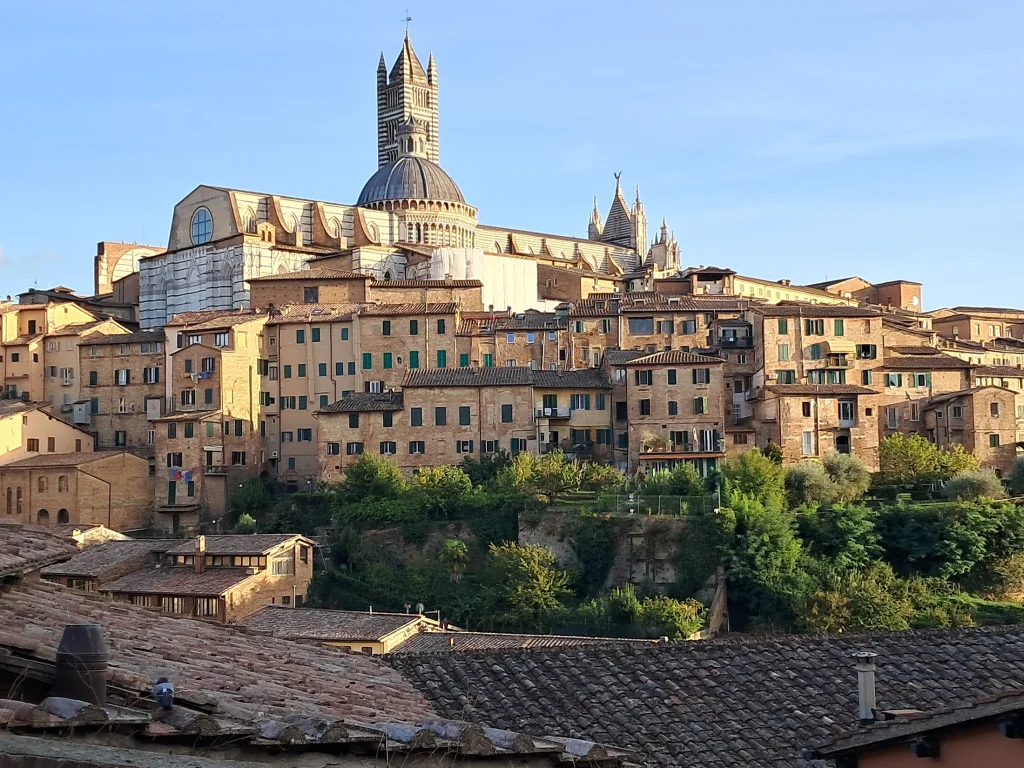
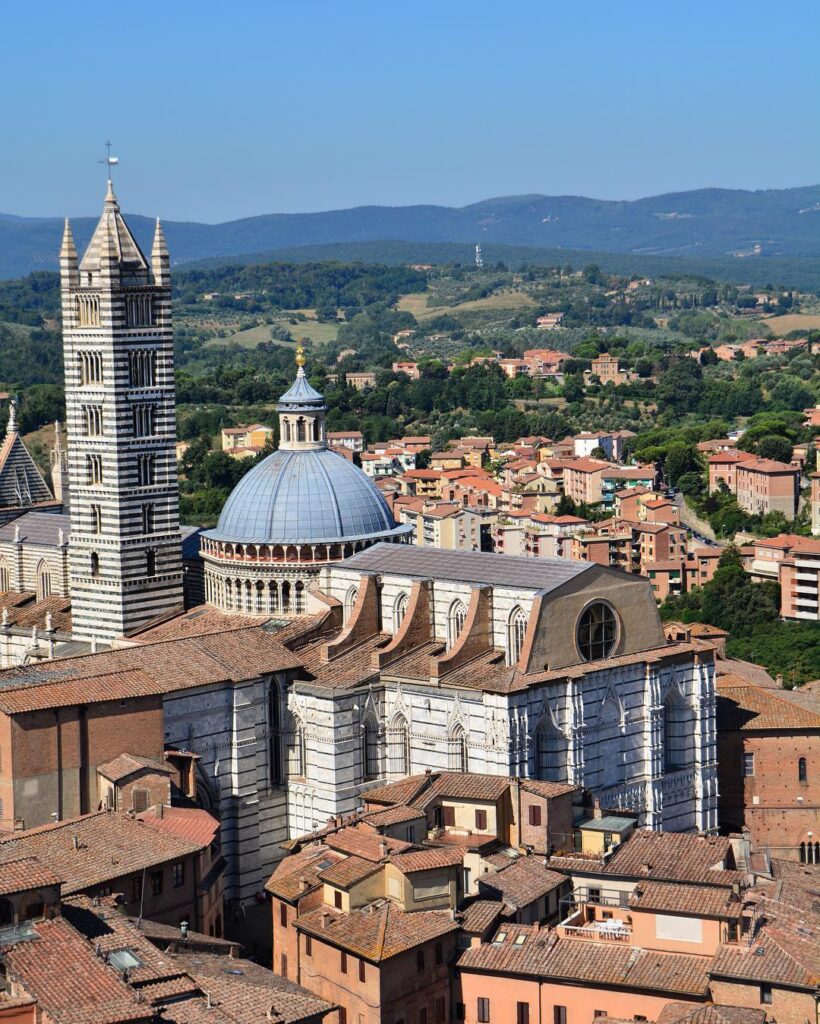
- The Duomo and monuments: to the north‑west, you’re almost at the same height as the cathedral’s dome and campanile. You can also spot the unfinished facade known as the Facciatone, the Basilica of San Domenico, San Francesco and other churches .
- The red roofs and contrade: from above the city appears as a sea of terracotta rooftops punctuated by towers and hidden gardens. You may try to pick out the boundaries of the historic contrade (districts) .
- Tuscan hills: beyond the city walls, the view stretches to the Chianti vineyards to the north and west, the lunar Crete Senesi to the south and the Val d’Orcia to the south‑east; on clear days you might even glimpse the towers of San Gimignano .
Take time to examine the Campanone (Sunto), the large bronze bell in the merloned chamber above you . The bell weighs around 7 t, dates to the 17th century and is rung only on special occasions such as the Palio .
When is the best time to climb?
- Early morning: the first opening hour (around 10:00) often has shorter queues and cooler temperatures. The eastern light sharply illuminates the square and monuments .
- Late afternoon & sunset: climbing in late afternoon provides warm, golden light and the chance to watch the sun set over the Tuscan hills . The bricks glow orange and the atmosphere becomes romantic .
- Midday: the city is hotter and busier, and the overhead light flattens details; avoid midday in summer unless that is your only option . In winter, however, midday may offer the clearest light .
Aim to climb on clear days for the best visibility; views after rain can be especially sharp . Note that during the Palio di Siena (2 July and 16 August) the tower’s hours may be limited and it is closed during the races .
How long does a visit take?
Allow 45 minutes to 1 hour for the entire visit, including buying the ticket, waiting for your slot, ascending, enjoying the view and descending. The climb itself takes 10–15 minutes ; groups typically spend about 15–20 minutes on the platform before being asked to descend .
Visiting with children
Children can climb the tower provided they are accompanied by an adult if under 14 . Kids aged 6–7 usually manage the steps with some pauses, while toddlers should be carried in a snug baby carrier because there is no room for strollers . The stairway has handrails and protective walls, and the viewing terrace is safeguarded with solid parapets, but always hold your child’s hand . Turn the climb into a fun activity by counting steps or spotting architectural features .
Staying in Siena: Hotel Minerva
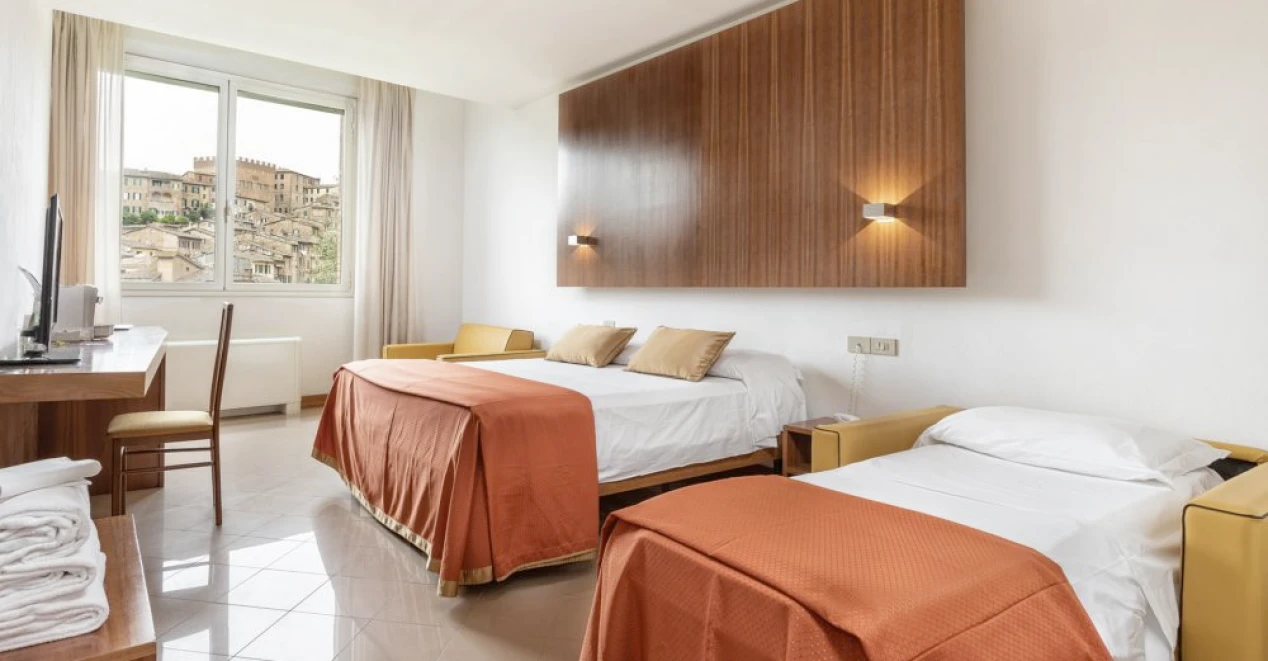
For a base from which to explore Siena on foot—and perhaps venture into the surrounding countryside—the Hotel Minerva is highly recommended. The hotel sits within the old city walls just outside the traffic‑restricted zone, so you can reach it by car and park in its private covered lot . Major attractions such as Piazza del Campo (15 min walk) and the Duomo (17 min walk) are within easy walking distance , and the railway station is about 1 km away, making day‑trips by train straightforward .
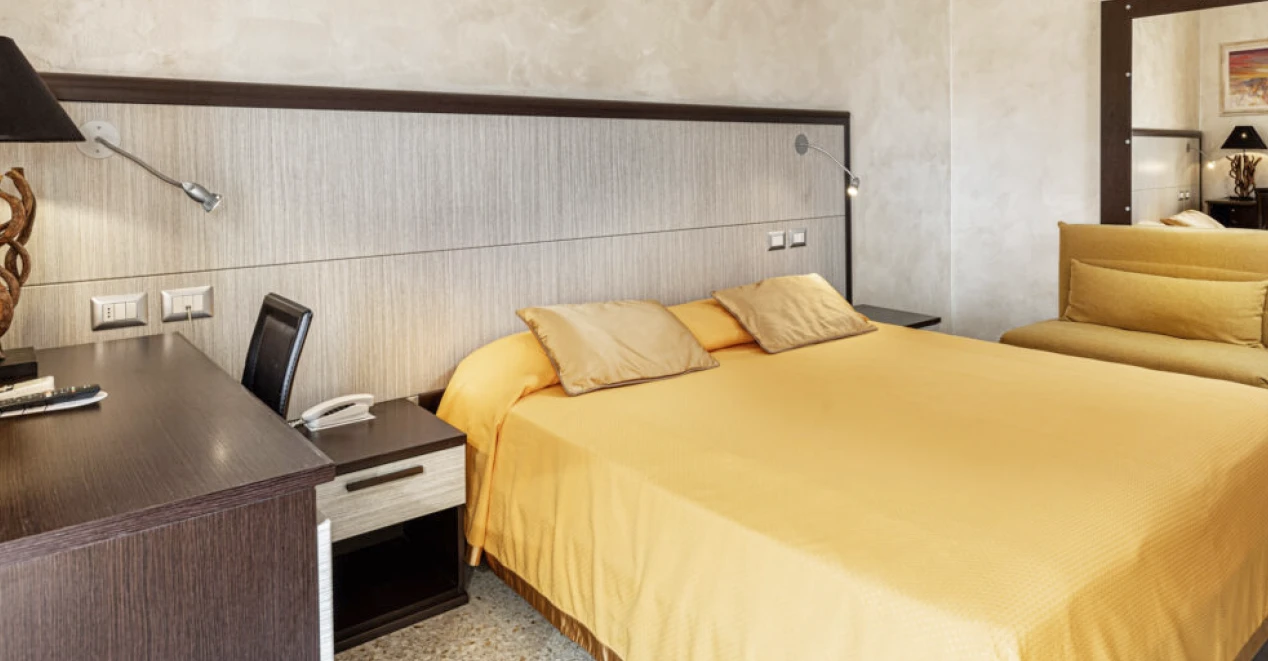
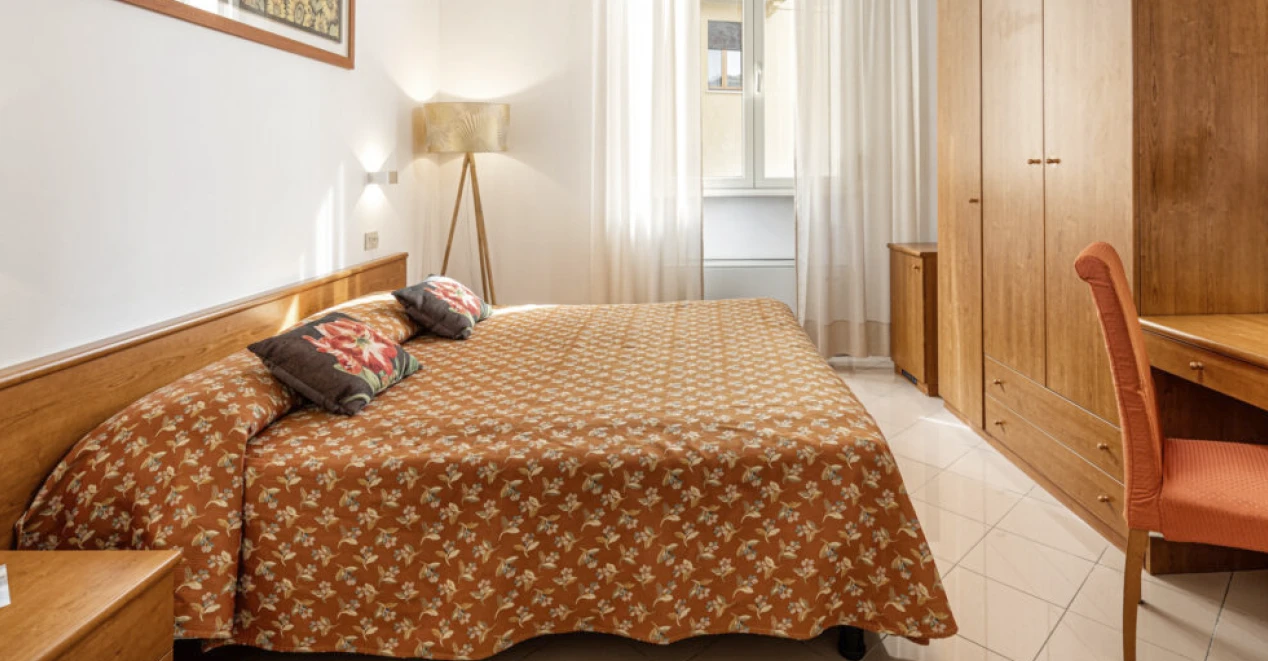
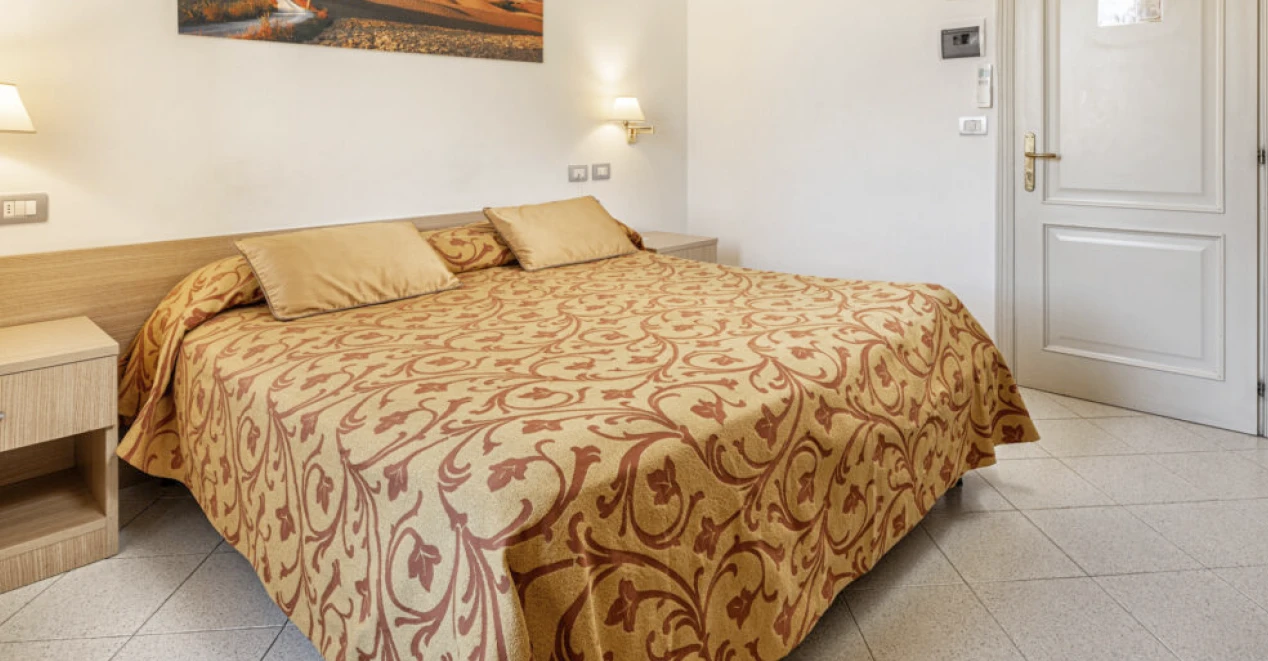
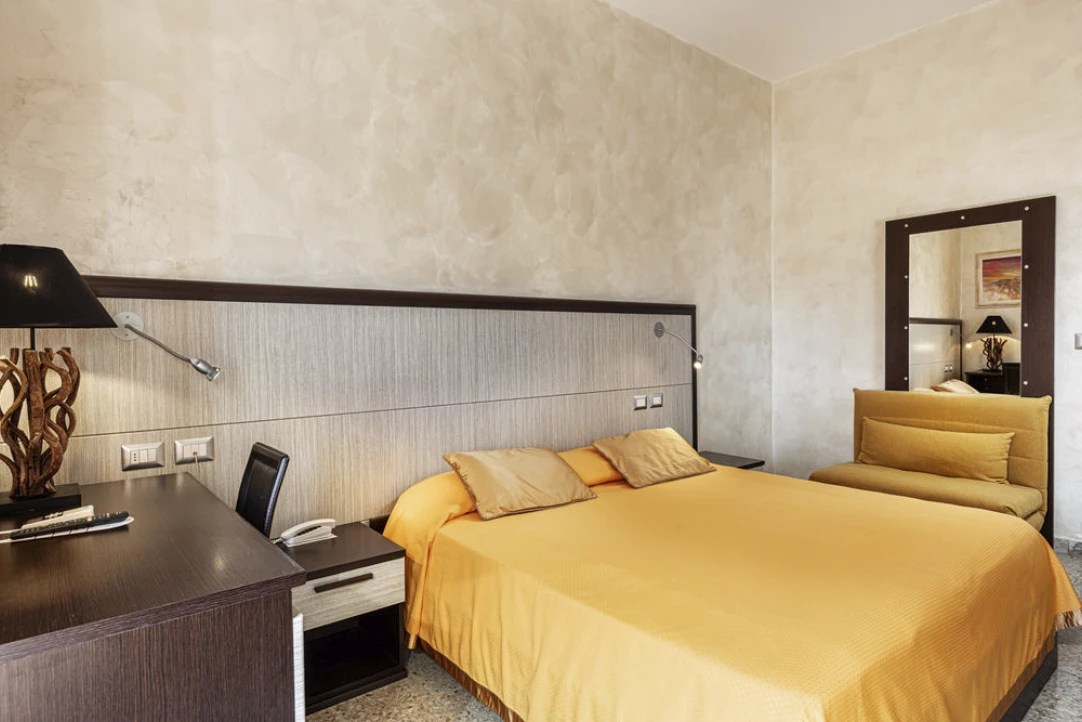
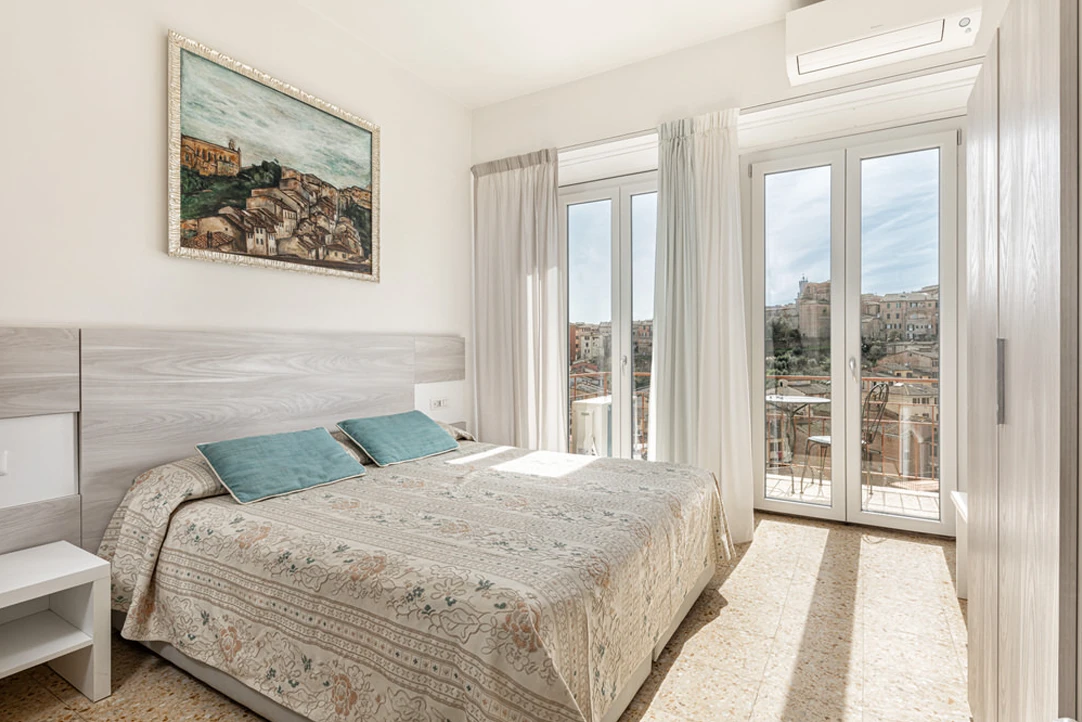
Many of the 56 rooms have balconies overlooking the city and hills . Guests can enjoy breakfast or an evening drink in the panoramic garden . The friendly multilingual staff is available 24 hours a day and knows Siena intimately; they can suggest hidden itineraries, restaurants and events . The hotel serves a buffet breakfast featuring local products and has a bar and a comfortable lounge with art books . Its combination of central location, parking and attentive service make it an ideal base for exploring Siena .
What to visit around Siena
While Siena itself offers enough to fill several days, its location in the heart of Tuscany invites excursions to nearby towns and landscapes. From Hotel Minerva you can easily explore:
- San Gimignano (≈45 km NW, 50 min drive). Known for its soaring medieval towers and UNESCO‑listed historic centre .
- Monteriggioni (≈20 km N, 25 min). A tiny walled castle village with fourteen towers .
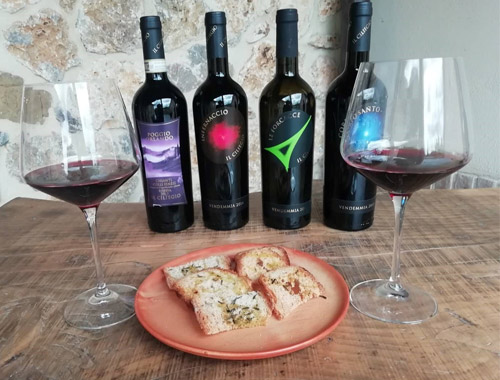
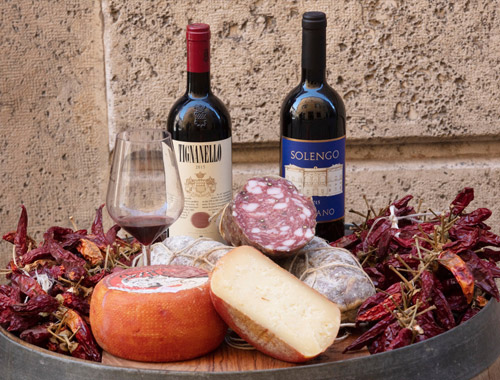
- Chianti Classico region (≈30 min north). Vineyards, castles and wine tastings in picturesque villages such as Castellina, Radda and Gaiole .
- Val d’Orcia (Pienza, Montalcino; ≈50 km south). A UNESCO landscape of rolling hills and cypresses; highlights include the Renaissance town of Pienza and Montalcino with its fortress and Brunello wineries . Nearby stands the Romanesque abbey of Sant’Antimo .
- Florence (≈75 km north, about 1 hour). Even a single day offers a taste of its Renaissance treasures .
- Other villages: Colle di Val d’Elsa (crystal‑making heritage), Volterra (Etruscan walls and alabaster), and the ruined Abbey of San Galgano with its “sword in the stone” legend . .
A table in the original article summarizes distances and highlights of these excursions . Hotel Minerva’s staff can help organise winery visits, horseback rides and other activities .
Conclusion
Climbing the Torre del Mangia is more than a simple visit: it combines the challenge of a medieval staircase with the thrill of history and the reward of an unparalleled view . By ascending those 400 steps you see all of Siena—the monuments, the districts and the Tuscan countryside—from a unique and privileged perspective . Once back on the ground, the city’s other marvels await: the Duomo, the Civic Museum, medieval fountains and steep alleyways . Staying at a well‑located hotel such as Hotel Minerva enhances your experience by putting everything within reach and providing a restful haven at the end of the day . Whether you choose to explore nearby vineyards, hilltop villages or simply relax in the hotel’s garden after your climb, your adventure will always be framed by the slender silhouette of the Torre del Mangia rising against the Tuscan sky .